
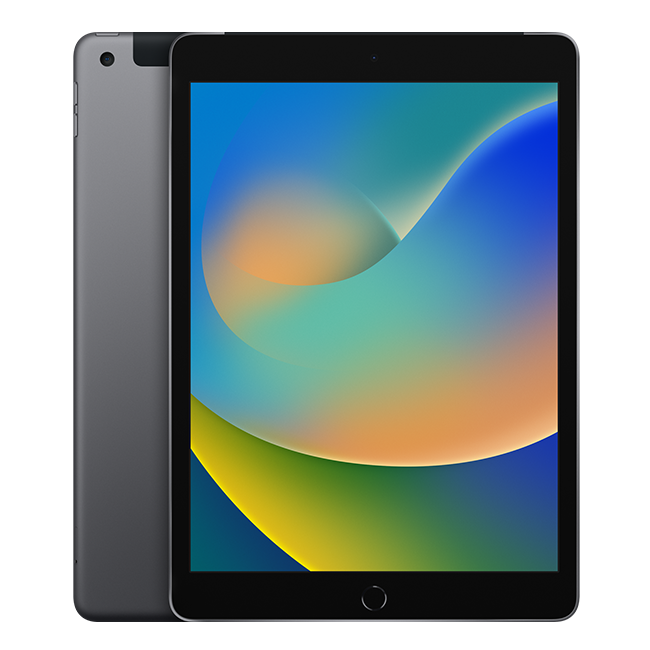
In the rapidly evolving world of consumer electronics, where product cycles often feel like a blur of incremental upgrades, certain devices stand out as anchors of reliability and value. The 9th Generation iPad is one such device. While tech enthusiasts often chase the latest “Pro” or “Air” models with M-series silicon, the standard iPad remains the entry point for millions of students, educators, and casual users. To answer the most pressing question first: The 9th Generation iPad was released in 2021.
Announced during Apple’s “California Streaming” event on September 14, 2021, and officially hitting shelves on September 24, 2021, this tablet arrived at a pivotal moment. The world was navigating a new era of hybrid work and remote learning, and Apple delivered a device that balanced cost-effectiveness with surprisingly robust internal hardware. Even years after its debut, it remains a significant topic of discussion in the tech community due to its unique position as the last “classic” iPad.
The Origins and Launch of the iPad 9th Generation (2021)
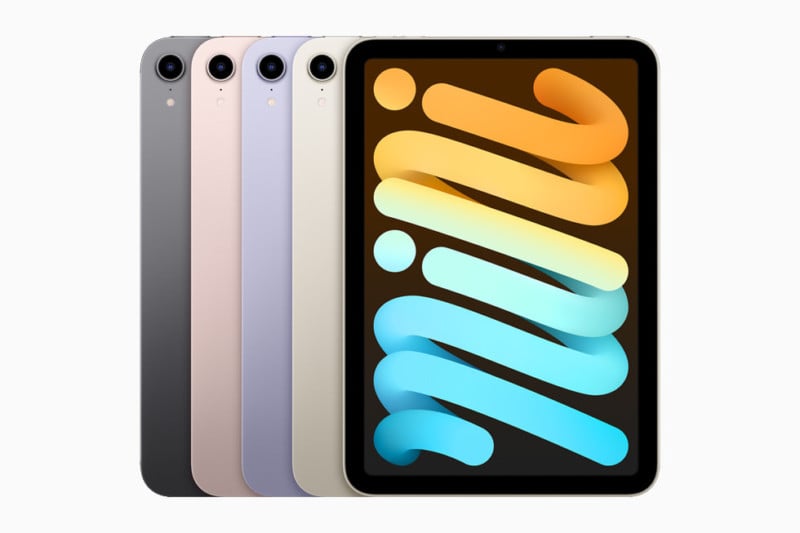
The year 2021 was a year of transition for Apple’s tablet lineup. While the iPad Pro was pushing the boundaries of what a tablet could do with the introduction of the M1 chip, the 9th Generation iPad was designed to be the reliable workhorse for the masses. It was released alongside the redesigned iPad mini, creating a sharp contrast between the “new” bezel-less aesthetic and the “traditional” iPad design that the 9th Gen proudly maintained.
Bridging the Gap in a Transition Era
In 2021, the tech industry was still grappling with supply chain challenges, yet the demand for versatile mobile computing was at an all-time high. The 9th Generation iPad was Apple’s answer to the need for an affordable, high-performance tablet that didn’t require a steep learning curve. By sticking to a familiar form factor, Apple ensured that schools and businesses could reuse existing accessories, such as rugged cases and keyboard docks, which was a massive selling point for institutional buyers.
Key Specifications and Hardware Milestones
The headline feature of the 2021 release was the jump to the A13 Bionic chip. While this processor first debuted in the iPhone 11 series, its integration into the budget iPad provided a 20% performance boost over the previous generation. Furthermore, 2021 marked the year Apple finally doubled the base storage of the entry-level iPad, moving from a cramped 32GB to a much more usable 64GB. This change alone significantly extended the device’s lifespan for the average user, allowing for more apps, photos, and offline media.
The Power Behind the Screen: Performance and Software Longevity
A tech product’s relevance is rarely defined solely by its launch date; rather, it is defined by how well its internal components age. The 9th Generation iPad was engineered with a level of “future-proofing” that was uncharacteristic of budget devices at the time.
The A13 Bionic Chip: Aging Gracefully
Even in the current tech landscape, the A13 Bionic remains a capable performer. Built on a 7-nanometer architecture, the chip features a 6-core CPU and a 4-core GPU, along with an 8-core Neural Engine. From a technical perspective, this Neural Engine was a game-changer for the 2021 model, as it enabled more advanced machine learning tasks. Whether it is real-time photo processing, augmented reality (AR) applications, or the smooth execution of iPadOS multitasking features, the A13 ensures that the 9th Gen iPad doesn’t feel like a “slow” device, even when compared to newer mid-range tablets.
iPadOS Support and Center Stage
One of the most significant software additions that arrived with the 2021 model was Center Stage. Despite being the “budget” option, Apple equipped the 9th Gen iPad with a 12MP Ultra Wide front-facing camera. Using the power of the A13 chip, Center Stage automatically pans the camera to keep users in the frame during video calls. This tech-forward feature made the 2021 iPad a favorite for Zoom and FaceTime, outperforming many laptops of that era. Furthermore, Apple’s history of long-term software support suggests that the 2021 iPad will likely receive iPadOS updates until at least 2026 or 2027, making it a viable tech investment for the long haul.
Design Philosophy: The Last of the Classic iPads
The 9th Generation iPad is often referred to by tech historians and reviewers as the “end of an era.” It represents the final refinement of the original iPad design philosophy before the 10th Generation model moved toward the unified, flat-edged look of the Air and Pro lines.
The Iconic Home Button and Touch ID
For many users, the 2021 iPad is the preferred choice because of the physical Home Button. This hardware feature, which includes the Touch ID fingerprint sensor, offers a tactile and intuitive way to navigate the interface. In technical environments like hospitals or retail points-of-sale, the physical button provides a level of durability and simplicity that gesture-based navigation sometimes lacks. It is the last iPad in the lineup to feature this classic interaction model, making it a “legacy” device that many are hesitant to let go of.
Display Technology and the Apple Pencil Ecosystem
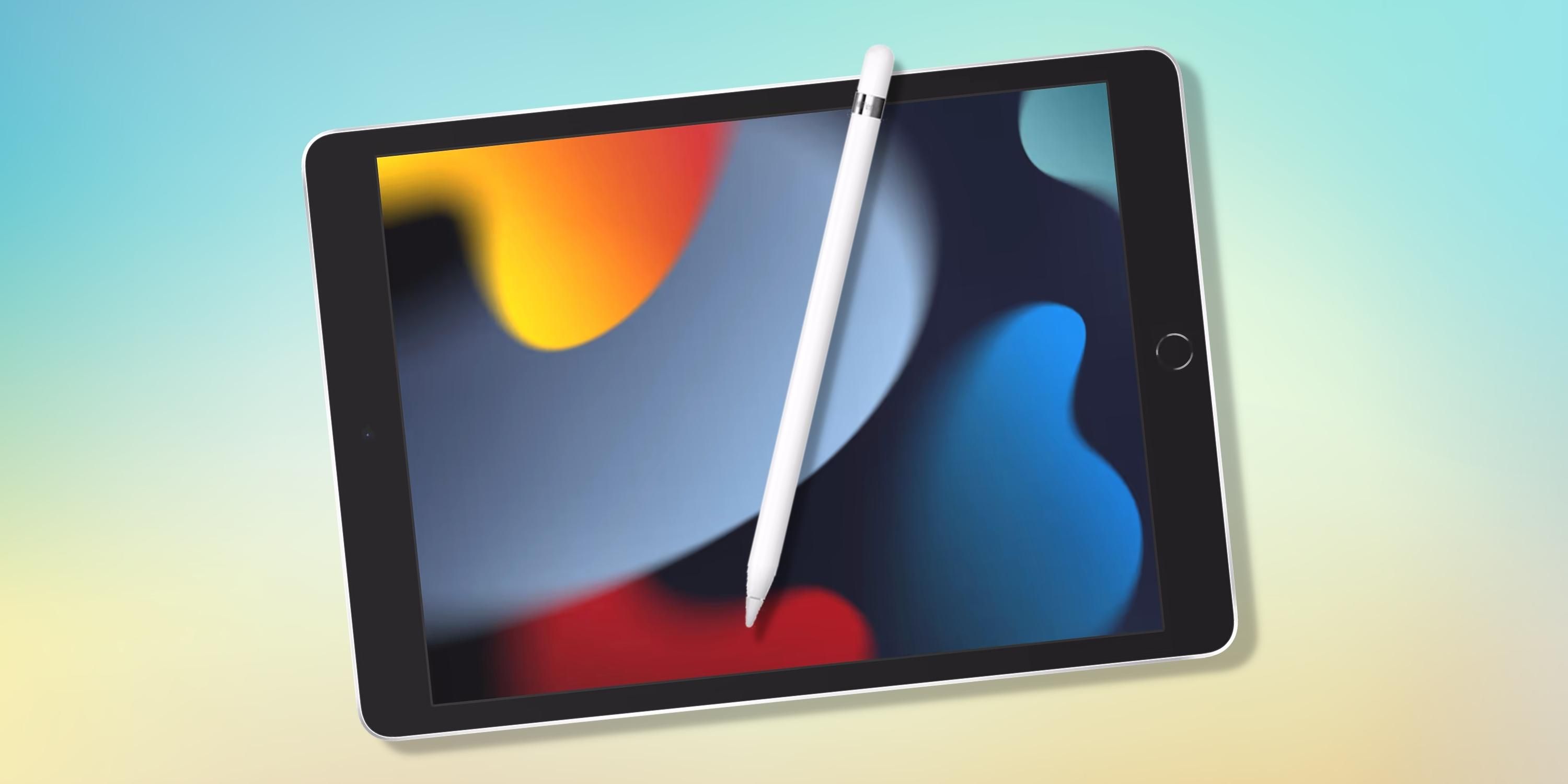
The 9th Gen features a 10.2-inch Retina display with True Tone technology—a first for the base iPad model in 2021. True Tone uses sensors to adjust the color temperature of the display to match the ambient light of the room, reducing eye strain. Additionally, this model is the last to support the 1st Generation Apple Pencil via the Lightning port. While some criticize the Lightning-to-Pencil charging method, the technology remains incredibly popular in digital art and note-taking circles because of its low latency and high pressure sensitivity.
The 9th Gen iPad in Today’s Tech Landscape
Understanding the year of release helps place the device in context, but understanding its current utility explains why it remains on sale even after the 10th Gen was released. As of 2024, the 9th Generation iPad occupies a unique “value king” niche in the tech market.
Educational and Professional Utility
In the educational sector, the 2021 iPad is the gold standard. Its compatibility with a vast array of existing peripherals and its relatively low cost of repair (due to the non-laminated display, which is easier to replace than the fused displays on higher-end models) makes it the go-to choice for school districts. Professionally, it serves as an excellent “thin client” for cloud-based tasks, inventory management, and basic content consumption. Its battery life—rated at the “Apple standard” of 10 hours—continues to hold up well against modern competitors.
How It Compares to the 10th Gen and iPad Air
When comparing the 2021 model to the 2022 10th Gen model, several technical trade-offs become apparent. The 10th Gen offers USB-C and a larger screen, but it also removed the 3.5mm headphone jack. For many users in the tech and audio space, the 9th Gen’s inclusion of the headphone jack is a significant “pro” feature. It allows for lag-free audio monitoring and compatibility with older wired headsets without the need for dongles. In terms of raw power, while the iPad Air (M1 or M2) is significantly faster, the 9th Gen iPad handles 90% of what the average user needs—web browsing, streaming, and document editing—with zero friction.
Conclusion: Is the 9th Gen iPad Still Relevant?
To answer the question “What year is the 9th Generation iPad?” is to point to 2021—a year of resilience and practical innovation. However, the date is only part of the story. The 9th Generation iPad represents the pinnacle of Apple’s traditional tablet design. It was the model that brought “Center Stage” to the masses, doubled the base storage, and provided a processor that still punches above its weight class today.
In the current tech ecosystem, the 2021 iPad serves as a reminder that “newest” isn’t always “best” for everyone. For those who value the reliability of Touch ID, the convenience of a 3.5mm headphone jack, and the affordability of a proven platform, the 9th Generation iPad remains a stellar piece of technology. Whether you are looking for a device for a child’s first tablet, a dedicated e-reader, or a sturdy tool for a small business, this 2021 classic continues to prove that good design and thoughtful specs have a very long shelf life. Its legacy is not just the year it was born, but the many years of service it continues to provide in an increasingly complex digital world.
aViewFromTheCave is a participant in the Amazon Services LLC Associates Program, an affiliate advertising program designed to provide a means for sites to earn advertising fees by advertising and linking to Amazon.com. Amazon, the Amazon logo, AmazonSupply, and the AmazonSupply logo are trademarks of Amazon.com, Inc. or its affiliates. As an Amazon Associate we earn affiliate commissions from qualifying purchases.