
When fans and analysts ask, “What year is Fantastic Beasts set in?” the literal answer is 1926. However, from a brand strategy perspective, the answer is far more complex. The Fantastic Beasts franchise, a critical pillar of the “Wizarding World” corporate identity, spans a specific nineteen-year period from 1926 to 1945. This intentional chronological placement is not merely a creative choice; it is a calculated branding maneuver designed to expand an existing multi-billion dollar intellectual property (IP) into a sprawling, historical epic.
By anchoring the narrative in the early 20th century, Warner Bros. and the Wizarding World brand have attempted to bridge the gap between childhood nostalgia and a more mature, global brand identity. This article explores how the timeline of the Fantastic Beasts series serves as a foundational element of its brand strategy, marketing positioning, and long-term IP management.
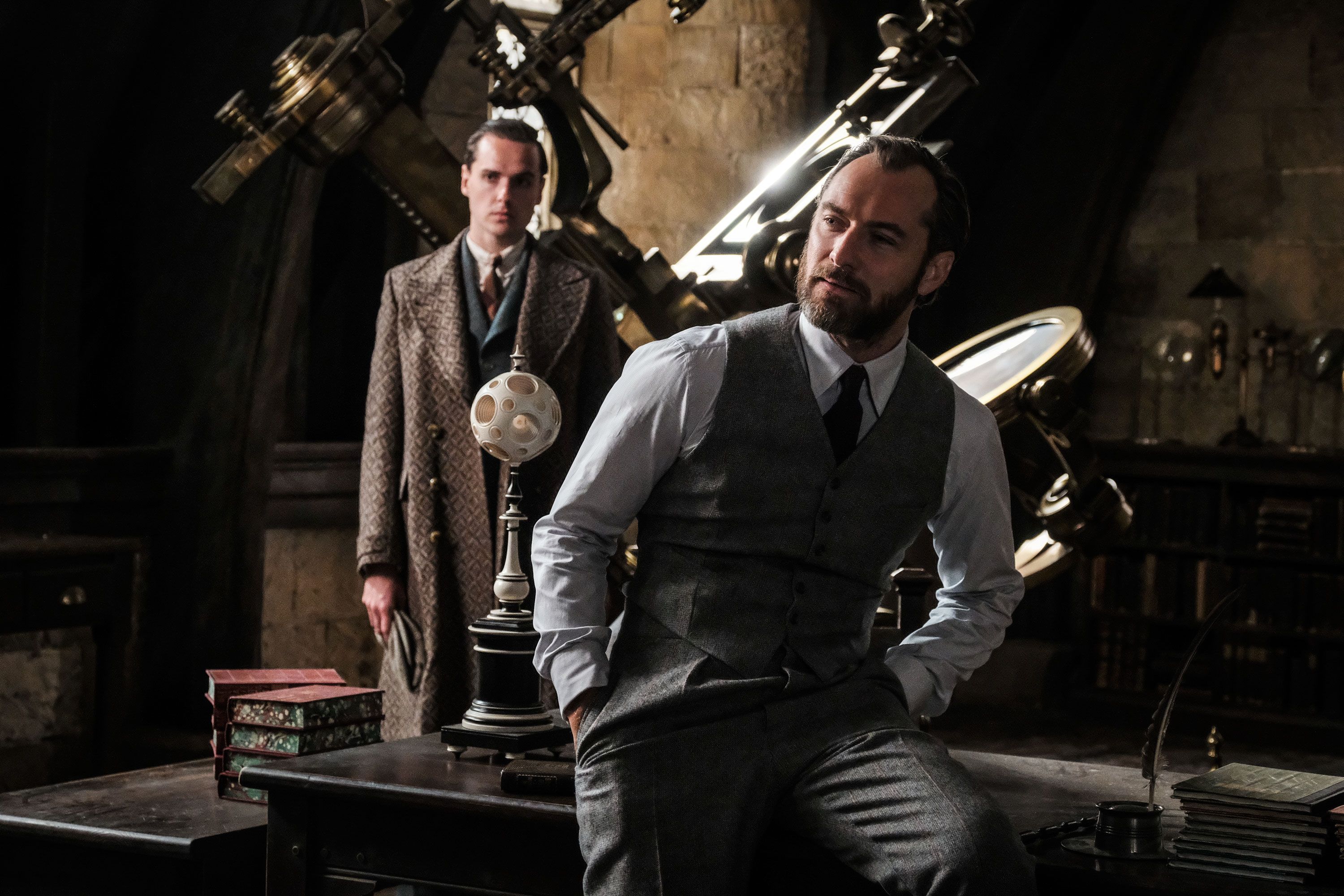
The Strategic Choice of the Interwar Period (1926–1945)
The decision to set the first film in 1926 was a masterful stroke of brand positioning. For a franchise that began with the primary-colored whimsy of Harry Potter and the Sorcerer’s Stone, shifting the clock back nearly 70 years allowed the brand to shed its “boarding school” image and adopt a more sophisticated, “period-piece” aesthetic.
Bridging Nostalgia and New Narratives
Brand consistency relies on the delicate balance between the familiar and the fresh. By selecting the 1920s, the brand managers leveraged the existing lore of Albus Dumbledore and Gellert Grindelwald—characters mentioned frequently in the original books—while providing a blank slate for new characters like Newt Scamander. This “prequel” strategy is a common brand expansion tactic (seen in Star Wars and the MCU) that ensures the core audience remains engaged through historical continuity while lowering the barrier for new consumers who might feel overwhelmed by the modern-day Potter lore.
Building a Prequel Identity
Setting the story in 1926 allowed the brand to pivot from a UK-centric narrative to a global one. The “Wizarding World” as a brand needed to prove it could exist outside of Hogwarts. The 1920s setting in New York City provided a “Roaring Twenties” backdrop that felt distinct, stylish, and premium. From a marketing standpoint, this era offered a wealth of visual assets—jazz-age costumes, Art Deco graphic design, and vintage-inspired merchandise—that helped differentiate the Fantastic Beasts sub-brand from the original Harry Potter line.
Chronology as a Brand Anchor: The Power of Contextual World-Building
In professional brand strategy, “world-building” is a tool used to create an immersive environment that fosters deep consumer loyalty. The specific timeline of Fantastic Beasts (ending in 1945) aligns the fictional wizarding conflict with the real-world events of World War II. This alignment is a strategic choice to ground the brand in historical gravity.
Visual Aesthetics and Corporate Identity
The visual brand of Fantastic Beasts is inextricably linked to its era. Each film’s release has been accompanied by a marketing campaign that leans heavily into the aesthetics of its respective year. The 1926 setting of the first film utilized gold and black “Great Gatsby” motifs. The 1927 setting of The Crimes of Grindelwald shifted toward the noir elements of interwar Paris. This chronological progression allows the brand to refresh its visual identity with every installment, preventing “franchise fatigue” by offering a new aesthetic experience while maintaining the core “magical” brand promise.
Navigating Global History within Fiction
By setting the climax of the series in 1945, the brand creates a narrative destination that every consumer understands. This year marks the end of WWII and, in the Wizarding World, the legendary duel between Dumbledore and Grindelwald. Strategically, this provides a “brand roadmap.” It gives stakeholders and consumers a clear sense of where the brand is going, creating long-term anticipation. It also allows the brand to tackle “heavier” themes, repositioning the Wizarding World as a brand for adults as much as for children—a crucial move for maintaining a high Lifetime Value (LTV) for its aging fan base.

The Commercial Implications of a Multi-Decade Timeline
The nineteen-year span of the Fantastic Beasts story isn’t just about plot; it’s about the commercial longevity of the IP. In the world of brand management, an “evergreen” property is one that can generate revenue across multiple generations. The timeline helps achieve this by diversifying the brand’s touchpoints.
Long-term Intellectual Property (IP) Value
The decision to spread the story across nearly two decades allows for a vast array of licensing opportunities. A brand set in a single year is limited. A brand that travels from 1926 to 1945 can license everything from 1920s flapper-style fashion to 1940s wartime memorabilia. This “period-accurate” branding allows the Wizarding World to enter luxury markets, such as high-end stationery, designer apparel, and sophisticated home decor, which might not have fit the more “juvenile” aesthetic of the original Harry Potter films.
Transmedia Storytelling and Brand Extension
The specific years used in the films serve as anchors for transmedia storytelling. The brand can release “historical” textbooks, mobile games set in specific decades, and theme park expansions (like the Ministry of Magic in Universal Studios’ Epic Universe) that rely on the 1920s and 30s aesthetics. By defining the years so clearly, the brand creates a “canonical sandbox” where other creators and partners can play, ensuring that all spin-offs feel cohesive with the main brand identity.
Challenges in Maintaining Brand Consistency Across Eras
While the 1926–1945 timeline offers many branding advantages, it also presents significant challenges in brand management. When a brand spans several decades, maintaining a consistent “voice” and “feel” requires rigorous oversight.
Managing Continuity and Fan Expectations
The biggest risk to a timeline-driven brand is the “retcon” (retroactive continuity). For a brand as scrutinized as the Wizarding World, any deviation from established lore—such as a character appearing in a year they shouldn’t be alive—can damage “brand trust.” Professional brand managers must act as historians, ensuring that every detail in the 1920s and 30s aligns with the seven books set in the 1990s. When the Fantastic Beasts films have faced criticism, it has often been because the timeline felt inconsistent with the established brand DNA.
Adapting the Brand for Modern Audiences
Another challenge is ensuring a brand set in the 1920s remains relevant to a 2024 audience. Brand strategy involves modernizing the values of the brand while keeping the aesthetic historical. The Fantastic Beasts brand has had to navigate the social sensitivities of the 1920s and 30s while ensuring the content remains inclusive and aligned with modern corporate social responsibility (CSR) standards. This balancing act—representing a historical era while upholding contemporary brand values—is one of the most difficult tasks for any legacy IP manager.

Conclusion: The Strategic Legacy of the 1920s Setting
So, what year is Fantastic Beasts set in? It is set in an era of transformation. By choosing to start in 1926 and move toward 1945, the Wizarding World brand successfully transitioned from a story about a “Boy Who Lived” to a global saga of history, politics, and mature themes.
The timeline is the backbone of the franchise’s brand strategy. It dictates the visual identity, informs the marketing campaigns, expands the licensing potential, and provides a clear narrative arc that keeps consumers invested over the long term. While the films themselves have seen varying levels of critical success, the strategic brilliance of the timeline cannot be denied. It allowed the Wizarding World to escape the confines of a 1990s school setting and become a timeless, historically-grounded brand that can theoretically expand into any era it chooses. In the high-stakes world of entertainment branding, time is more than just a setting—it is a competitive advantage.
aViewFromTheCave is a participant in the Amazon Services LLC Associates Program, an affiliate advertising program designed to provide a means for sites to earn advertising fees by advertising and linking to Amazon.com. Amazon, the Amazon logo, AmazonSupply, and the AmazonSupply logo are trademarks of Amazon.com, Inc. or its affiliates. As an Amazon Associate we earn affiliate commissions from qualifying purchases.