
For investors and personal finance enthusiasts exploring tangible assets, the humble U.S. quarter holds a surprising secret: specific years signify a significant intrinsic value far beyond their 25-cent face value. These are the silver quarters, a historical relic of American coinage that ceased production for general circulation over half a century ago. Understanding which years yield these precious metal coins is fundamental for anyone looking to incorporate physical silver into their investment portfolio or simply seeking to identify valuable currency.
The Historical Context of Silver Quarters in U.S. Currency
The United States MInt’s use of silver in its circulating coinage is a story intertwined with economic policy, resource availability, and the evolving demands of a growing nation. For a substantial portion of U.S. history, silver was a primary component of dimes, quarters, half-dollars, and dollar coins. The decision to remove silver was a direct response to rising silver prices, which threatened to make the metallic content of coins worth more than their face value, leading to widespread hoarding and a shortage of circulating coinage.
The Pre-1965 Era: A Silver Standard
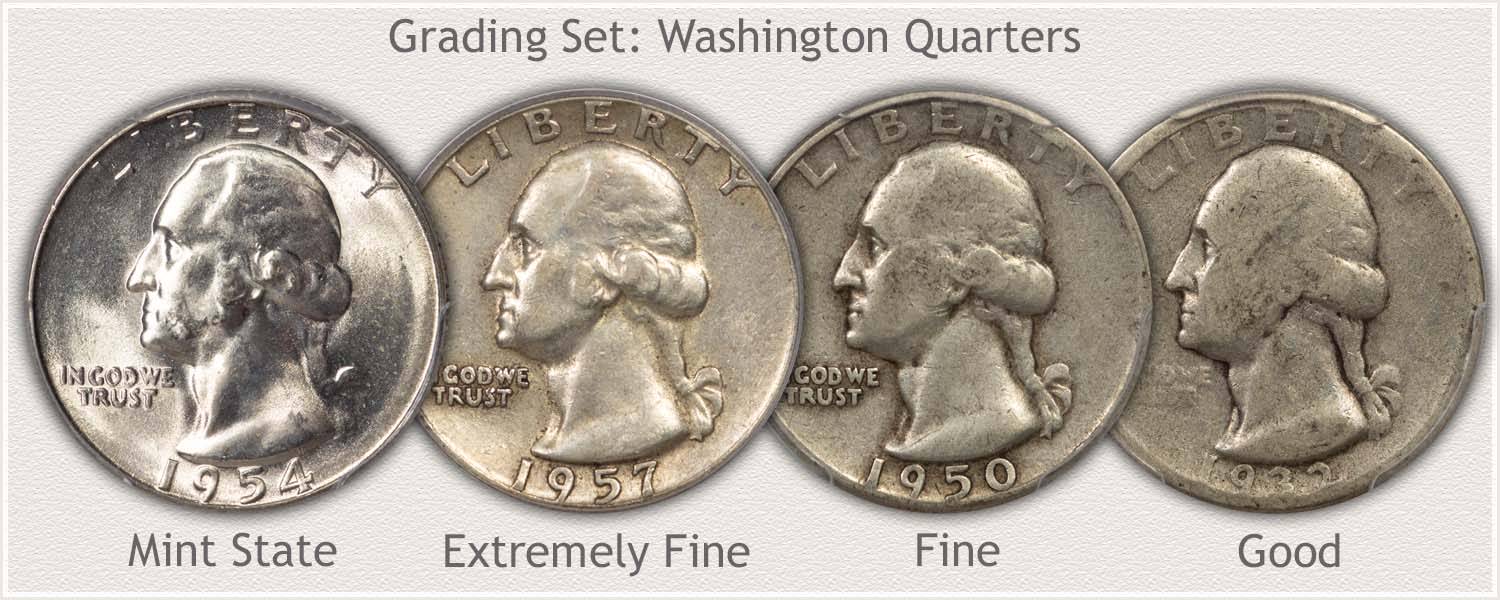
Before 1965, all U.S. quarters minted for general circulation contained a significant percentage of silver. Specifically, quarters produced from 1932 through 1964 are composed of 90% silver and 10% copper. This composition gave each quarter approximately 0.1808 troy ounces of pure silver. This era includes the iconic Washington Quarter series, which began in 1932 to commemorate the 200th anniversary of George Washington’s birth. Prior to the Washington Quarter, earlier designs like the Standing Liberty Quarter (1916-1930) and the Barber Quarter (1892-1916) also contained 90% silver. These coins represented a tangible form of wealth, directly linked to the fluctuating market price of silver.
The Great Coinage Act of 1965: A Paradigm Shift
The year 1965 marks a pivotal moment in U.S. coinage history. Due to a surge in silver prices, the intrinsic value of silver coins began to exceed their face value. This led to widespread hoarding, as people realized they could melt down the coins for a profit or save them as an investment. To prevent a severe shortage of circulating currency and stabilize the monetary system, Congress passed the Coinage Act of 1965. This act mandated the removal of silver from dimes and quarters, replacing it with a “clad” composition of copper-nickel. While half-dollars retained a reduced 40% silver content from 1965 to 1970, quarters became completely silver-free for general circulation from 1965 onward. This legislative change permanently altered the landscape of U.S. circulating coinage and created a clear demarcation point for collectors and investors.
Identifying Silver Quarters: A Practical Guide for Investors
Distinguishing silver quarters from their clad counterparts is relatively straightforward, but requires attention to detail. For investors interested in their precious metal content, quick and accurate identification is key.
Key Dates: The Golden Rule of 1964
The most critical piece of information for identifying silver quarters is the mint year. Any U.S. quarter dated 1964 or earlier (e.g., 1964, 1963, 1950, 1934, etc.) is a 90% silver quarter. Quarters dated 1965 or later are typically clad, meaning they contain no silver, with the exception of specific commemorative issues or special collector sets not intended for circulation. Therefore, the first step is always to check the date on the coin.
The “Edge Test”: Visual Confirmation
Once you’ve checked the date, a quick visual inspection of the coin’s edge can provide immediate confirmation.
- Silver Quarters (1964 and earlier): The edge of a silver quarter will appear uniformly silver or white. There should be no visible copper stripe in the middle. The metal composition is homogenous.
- Clad Quarters (1965 and later): The edge of a clad quarter will clearly show a distinct copper stripe in the middle, sandwiched between two layers of nickel alloy. This “sandwich” effect is the tell-tale sign of a clad coin.
The “Sound Test”: An Auditory Clue
Experienced coin handlers sometimes use the “sound test,” though it requires a trained ear and some practice. Gently dropping a silver quarter onto a hard surface (like a wooden table or another coin) will produce a distinct, higher-pitched, more resonant “ping” or “ring.” A clad quarter, in contrast, will produce a duller, lower-pitched “thud.” While not as definitive as checking the date and edge, it can be a quick confirmatory test for those familiar with the sound of precious metals.
The Investment Appeal of Silver Quarters
For those seeking to diversify their assets or hedge against economic uncertainties, silver quarters offer a unique blend of accessibility, liquidity, and intrinsic value. They represent an accessible entry point into precious metals investing, often appealing to both seasoned investors and those new to the market.
Intrinsic Metal Value: The Foundation
The primary investment appeal of silver quarters lies in their intrinsic metal value. Each 90% silver quarter contains approximately 0.1808 troy ounces of pure silver. This means their value is directly tied to the fluctuating spot price of silver on global commodity markets. When silver prices rise, the value of these quarters increases, regardless of their face value. This makes them a straightforward way to hold physical silver without investing in larger bars or rounds, which might have higher premiums or storage costs.
Numismatic Premium: Added Potential

While their silver content is the main driver, some silver quarters can also command a numismatic premium. This additional value comes from factors such as rarity, condition (grade), mint mark, and specific varieties. For example, a 1932-D or 1932-S Washington Quarter in excellent condition will be worth significantly more than its melt value due to its scarcity and historical significance. However, most circulating silver quarters will primarily be valued for their melt value, with any numismatic value being a bonus rather than the primary driver. Investors primarily focused on silver content often prefer “junk silver” (a term for common date, circulated silver coins whose value is predominantly based on their metal content) because it offers a lower premium over the spot price compared to numismatically significant coins.
Liquidity and Portability: A Practical Advantage
Silver quarters are highly liquid. They are widely recognized and accepted by coin dealers, precious metal buyers, and online marketplaces. Their smaller denomination makes them divisible, allowing investors to sell off portions of their holdings without liquidating an entire bar or larger coin. Their compact size and robust nature also make them relatively easy to store and transport, offering a tangible and portable store of wealth. In times of economic instability, physical silver, particularly in smaller, recognizable denominations, can be a highly practical asset.
Factors Influencing Silver Quarter Value
Beyond the foundational silver content, several factors interact to determine the market value of a silver quarter. Understanding these can help investors make more informed decisions about acquisition and potential divestment.
Spot Price of Silver
The most significant factor influencing the value of a silver quarter is the current market price of silver. Since their value is primarily derived from their metal content, as the spot price of silver rises or falls, so too does the melt value of these coins. Investors should track commodity markets to stay abreast of current silver prices.
Coin Condition and Grade
While less critical for “junk silver,” the condition (or grade) of a silver quarter can significantly impact its numismatic value. A coin in Uncirculated (UNC) or About Uncirculated (AU) condition, with minimal wear and strong details, will typically command a higher premium than a heavily circulated coin of the same date. Professional grading services assign numerical grades that can drastically affect a coin’s market price, especially for rarer dates.
Rarity and Mint Mark
Certain years or specific mint marks (e.g., “D” for Denver, “S” for San Francisco, “P” for Philadelphia, though many early Philadelphia coins had no mint mark) can indicate a lower mintage number, making those coins rarer and potentially more valuable. Key dates for Washington Quarters, for example, are the 1932-D and 1932-S, which had much lower mintages than their Philadelphia counterpart. Researching mintage figures for specific years and mints can reveal coins with higher numismatic potential.
Dealer Premiums and Market Demand
The final price an investor pays or receives for silver quarters will also be influenced by dealer premiums and overall market demand. Dealers charge a premium above the melt value to cover their operating costs, expertise, and profit. This premium can fluctuate based on the volume being bought or sold, the dealer’s specific pricing structure, and the general demand for physical silver in the market. Strong demand can lead to higher premiums, while lower demand might see them shrink.
Acquiring and Storing Silver Quarters Responsibly
For those looking to add silver quarters to their financial holdings, a strategic approach to acquisition and storage is essential to protect the investment.
Reputable Sources for Acquisition
When purchasing silver quarters, it is paramount to buy from reputable sources to ensure authenticity and fair pricing.
- Local Coin Dealers: Established local coin shops often have a good selection of “junk silver” and can provide expert advice. Building a relationship with a local dealer can be beneficial.
- Online Precious Metal Retailers: Large, well-known online dealers specialize in precious metals and offer competitive pricing, often with secure shipping. Examples include APMEX, JM Bullion, and Provident Metals.
- Coin Shows: These events bring together many dealers, offering opportunities to compare prices and find specific items.
Always be wary of deals that seem “too good to be true,” especially from unverified sellers. Verify a dealer’s reputation and authenticity before making a purchase.

Secure Storage Best Practices
Proper storage is crucial for protecting the value and condition of your silver quarters.
- Protective Containers: Store coins in non-PVC flips, tubes, or albums specifically designed for coin storage. PVC can leach chemicals that damage coins over time.
- Environmental Control: Keep coins in a cool, dry place away from extreme temperature fluctuations and high humidity, which can cause toning or corrosion.
- Security: For significant holdings, consider storing silver quarters in a home safe, a bank safe deposit box, or a secure third-party precious metals vault. Insuring your holdings is also a prudent step, especially for higher-value collections.
Silver quarters offer a tangible link to American history and a practical means of holding physical silver. By understanding their history, how to identify them, and the factors that influence their value, investors can strategically integrate these modest yet mighty coins into their financial plans.
aViewFromTheCave is a participant in the Amazon Services LLC Associates Program, an affiliate advertising program designed to provide a means for sites to earn advertising fees by advertising and linking to Amazon.com. Amazon, the Amazon logo, AmazonSupply, and the AmazonSupply logo are trademarks of Amazon.com, Inc. or its affiliates. As an Amazon Associate we earn affiliate commissions from qualifying purchases.