
The digital tapestry of the Forgotten Realms continues to expand with Baldur’s Gate 3 (BG3), a monumental achievement in role-playing game design and interactive storytelling. For veteran players and newcomers alike, understanding where this epic narrative slots into the extensive lore of Faerûn is crucial, not just for narrative context but also for appreciating the technological craftsmanship behind its world-building. BG3 isn’t just a story; it’s a meticulously crafted software experience built upon decades of established fantasy canon. The year in which its events unfold directly influences its themes, character interactions, available technologies (both arcane and mundane), and ultimately, the player’s journey through a living, breathing digital world.
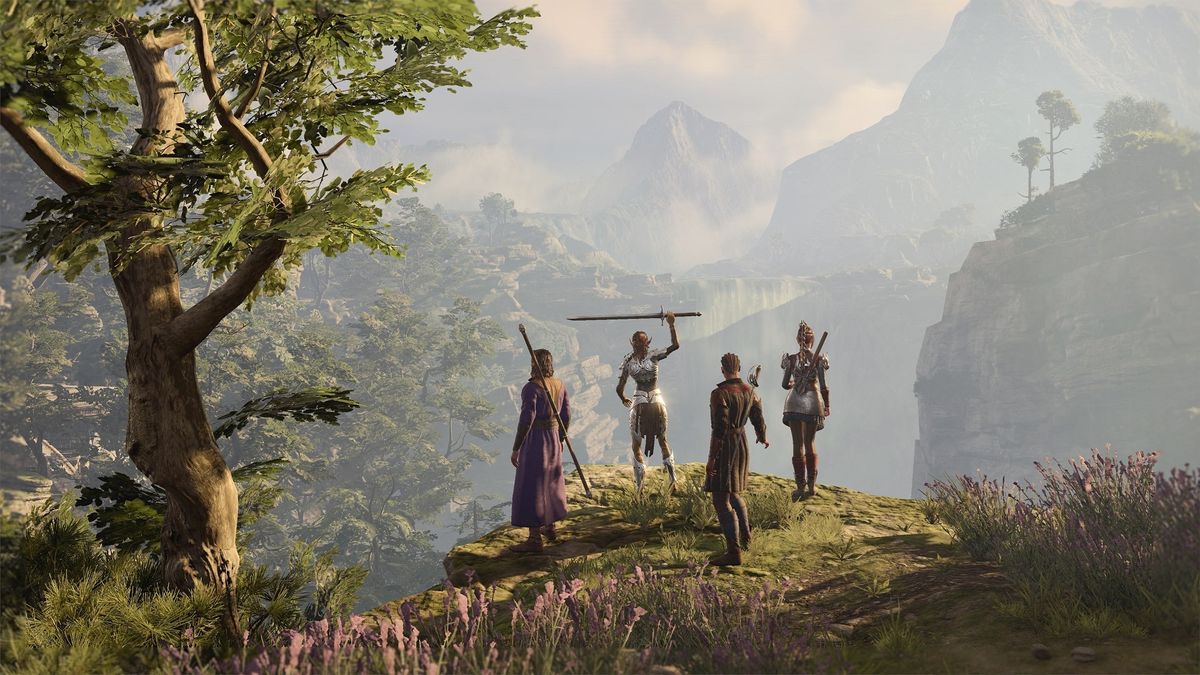
Establishing the Timeline: A Deep Dive into Faerûn’s History
The Forgotten Realms, the primary setting for Dungeons & Dragons and the Baldur’s Gate series, operates on a rich, multi-millennial timeline. Known as the Dale Reckoning (DR), this calendar system provides a chronological backbone for countless novels, tabletop campaigns, and video games. Understanding BG3’s place within this framework is paramount to appreciating the game as a sophisticated piece of interactive software, meticulously designed to respect and build upon its heritage.
The Forgotten Realms: A Legacy of Eras
The history of Faerûn is marked by significant events, magical cataclysms, and the rise and fall of empires, each shaping the world’s political landscape, available magical prowess, and even technological advancements (often magic-infused). Previous Baldur’s Gate titles, developed by BioWare, were set in specific eras. Baldur’s Gate 1 and 2, including their expansions, largely took place around the years 1368 DR to 1370 DR, an era known for its tumultuous events, including the Time of Troubles and the struggles against Bhaalspawn. These games established a benchmark for fantasy RPGs, showcasing how digital environments could immerse players in complex narratives. The technology of the Infinity Engine, groundbreaking for its time, allowed for detailed isometric worlds, intricate character interactions, and strategic combat—all rooted in that specific period of Faerûn’s history.
The Crucial Gap: Connecting Previous Installments
Between the classic Baldur’s Gate games and the modern iteration, a significant amount of time passes within the Forgotten Realms. This gap is not merely narrative space but represents substantial shifts in the world’s status quo, including major events like the Spellplague (which drastically altered the fabric of magic itself) and its eventual resolution. Larian Studios, in developing BG3, had the complex task of designing a game that felt both familiar to long-time fans and accessible to new players, while also acknowledging these significant chronological shifts. This required not just creative writing but also advanced game development techniques to simulate a world that has evolved, impacting everything from environmental design and available spell mechanics to the political factions and technological infrastructure (e.g., the prevalence of certain magical constructs or advancements in mundane craft). The choice of setting year is therefore a foundational architectural decision, affecting every layer of the game’s software stack.
Baldur’s Gate 3’s Specific Chronological Placement
After careful consideration of the existing lore and the need to craft a compelling, self-contained story that also contributes meaningfully to the broader Forgotten Realms saga, Larian Studios placed Baldur’s Gate 3 firmly in a particular era. This decision allows for both continuity with past events and the introduction of fresh challenges and characters.
The Year of the Herald: 1492 DR
Baldur’s Gate 3 officially takes place in 1492 DR, a period known in the Forgotten Realms as the “Year of the Herald.” This places the game approximately 122 years after the events of Baldur’s Gate 2: Throne of Bhaal. This century-plus gap is significant, allowing for major world-altering events like the Spellplague (1385 DR) and the Sundering (1482 DR to 1489 DR) to have occurred and largely settled. The Sundering, in particular, was a monumental event that saw the return of deities, the reshaping of some geographical features, and the restoration of the weave of magic to its pre-Spellplague state.
This specific year provides Larian with a rich canvas. It’s a time of relative stability compared to the chaotic Spellplague era, but still rife with underlying tensions, lingering consequences of past cataclysms, and evolving power dynamics. The world of 1492 DR is one where ancient threats persist, new heroes rise, and the reverberations of epic historical events are still keenly felt. From a development perspective, setting the game in this year allowed Larian to introduce contemporary elements of the Dungeons & Dragons 5th Edition ruleset, on which BG3 is based, ensuring a synergy between the tabletop experience and the digital adaptation. The game engine, built for intricate physics and dynamic environments, thus simulates a world that is not static but a direct product of its turbulent past.
Implications of the Modern Setting for Gameplay and Lore
The 1492 DR setting has profound implications for BG3’s gameplay and narrative. It enables the inclusion of new factions, races, and monsters that may not have been prominent in earlier games. For example, the githyanki, central to BG3’s plot, have always been a part of Faerûn’s cosmology but their direct involvement in the Sword Coast’s affairs in this manner is a specific development tied to this era. The technological advancement (or magical equivalent) within the game world reflects this period; while still a high-fantasy setting, there’s a sense of established civilizations and structures that have adapted to or recovered from recent upheavals.
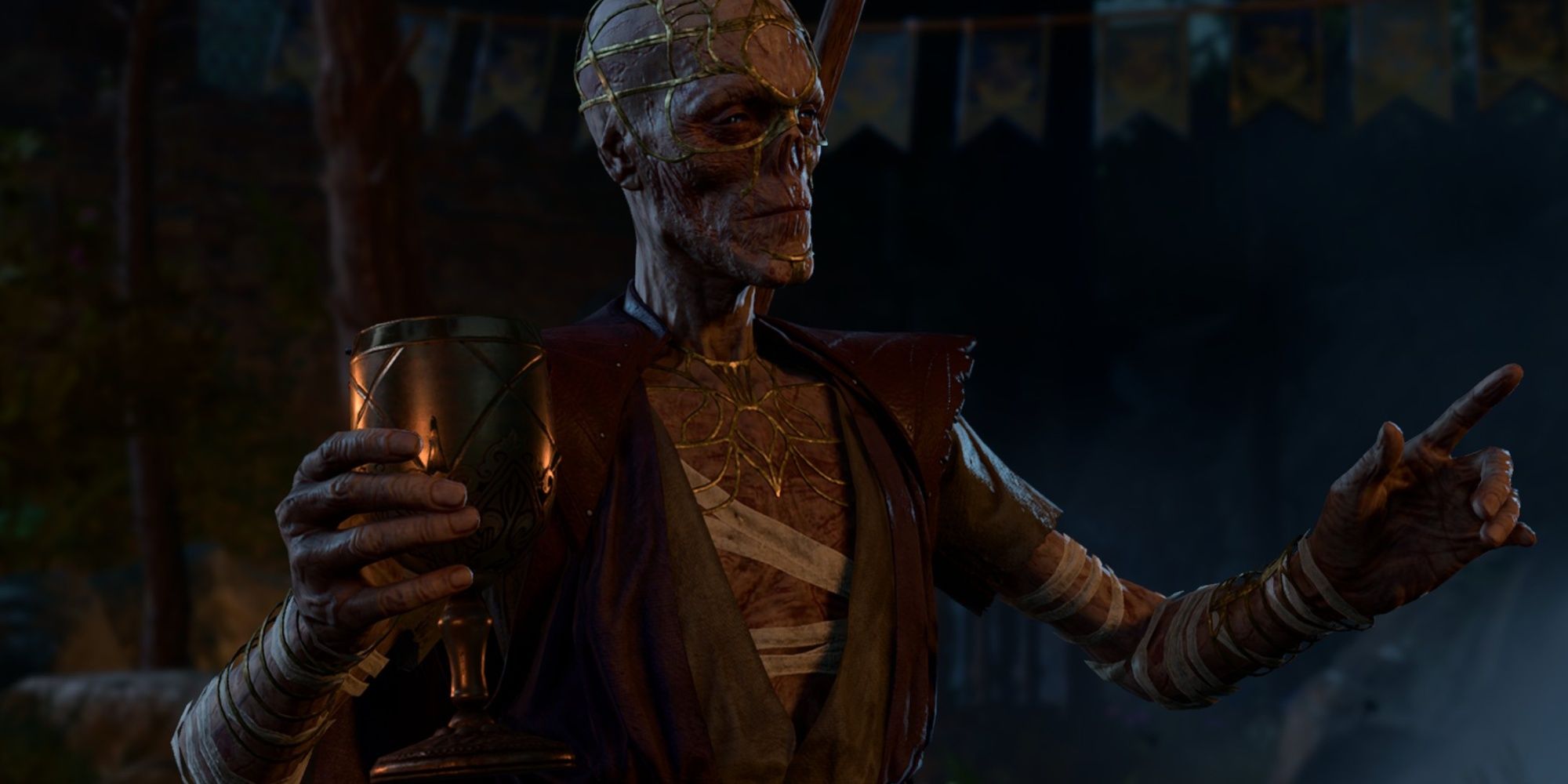
Furthermore, the gap allows for legacy characters to potentially reappear, albeit older and perhaps changed by the intervening century, creating poignant moments for long-time fans while also making their stories accessible to new players without requiring intimate knowledge of decades-old lore. This chronological distance provides narrative freedom, allowing Larian to craft a fresh, engaging story that respects its origins without being unduly constrained by every single detail of previous iterations. It showcases the developer’s mastery of not just game engines and graphics, but also the delicate art of lore integration and expansion within a technological medium.
Technological and Magical Evolution in Faerûn’s Digital Rendition
The choice of 1492 DR as the setting for Baldur’s Gate 3 is not just a narrative decision; it’s a foundational element that dictates many aspects of the game’s technological execution, from asset design to systemic gameplay. The “technology” within a fantasy world, often expressed through magic, craftsmanship, and societal structures, must be accurately represented by the game engine and its various subsystems.
The Interplay of Magic and Mundane Tech
In Faerûn, magic often serves as the primary “technology” that shapes civilization. In 1492 DR, the weave of magic has largely stabilized after the Sundering, meaning spells behave predictably according to 5th Edition rules. This consistency is crucial for the game’s core combat and puzzle mechanics, allowing players to reliably use spells and abilities. However, the world also features mundane technological advancements; steel production, siege weaponry, intricate clockwork mechanisms, and various forms of alchemy and engineering are present. The game’s engine has to render this duality, showcasing environments where ancient magical ruins stand alongside functional but primitive workshops, or where sophisticated magical items operate alongside simple tools. This blend dictates the visual fidelity, interactive elements, and potential solutions players can devise using both magical and conventional means. Larian’s commitment to physics-based interactions means that whether you’re using a magic missile or a simple push, the game’s underlying systems accurately simulate the consequences within this established “tech” level of Faerûn.
Game Engine Advancements and World Simulation
Larian Studios developed Baldur’s Gate 3 using its proprietary Divinity 4.0 engine, a significant technological leap that directly supports the game’s chronological placement. This engine allows for unprecedented levels of environmental interactivity, dynamic lighting, complex character animations, and a highly responsive AI. These features are essential for depicting a 1492 DR Faerûn that feels alive and reactive. For instance, the ability to manipulate objects, set traps, or use the environment to one’s advantage—a hallmark of Larian’s design—is facilitated by this advanced engine. This level of simulation ensures that the consequences of magic (e.g., creating ice surfaces, igniting oil) and mundane actions (e.g., throwing an object, pushing an enemy) are consistent with what one would expect from a world at this specific point in its magical and technological development. The visual fidelity and immersive sound design further enhance the feeling of being present in this particular historical moment of the Forgotten Realms, making the digital world feel tangible.
How a “Modern” Fantasy Setting Shapes Player Experience
Compared to the more restrictive narratives and often static environments of earlier RPGs, BG3’s setting within a more “modern” (relative to its own timeline) Faerûn allows for greater player agency and a dynamic world. The game leverages its technological prowess to reflect this. NPCs react to player actions and reputation in nuanced ways, quests branch significantly based on choices, and the world itself feels like it’s continuously evolving around the player’s presence. This reflects a more mature and complex society within the game’s canon, where information travels, factions scheme, and the consequences of actions reverberate more widely. The 1492 DR setting, therefore, isn’t just a backdrop; it’s an active participant in the player’s experience, shaped by the game’s cutting-edge software design and world-simulation capabilities.
The Significance of Setting for Game Design and Player Immersion
The careful selection of 1492 DR as the setting for Baldur’s Gate 3 underscores a critical aspect of modern game development: the intersection of intricate lore with advanced game design principles. It’s a testament to how the underlying technology of a game engine can bring a rich fantasy world to life, allowing players to not just observe but actively participate in its history.
Narrative Freedom and Canonical Constraints
Choosing 1492 DR provided Larian Studios a delicate balance between narrative freedom and canonical constraints. The 122-year gap from previous titles allowed the developers to introduce entirely new storylines, conflicts, and characters without directly contradicting or being beholden to every narrative thread left by BioWare. This freedom is crucial for innovation in a sequel, especially one developed by a different studio. Yet, the game remains firmly rooted in the established Forgotten Realms lore, leveraging iconic locations like Baldur’s Gate itself and referencing significant historical events and characters. This delicate balance, achieved through meticulous writing and sophisticated narrative design tools within the game’s software, ensures that the game feels both fresh and authentically “Baldur’s Gate.” It showcases how modern game engines can manage vast databases of lore, character relationships, and branching narratives to create a coherent and evolving world.
Player Expectations and the Evolution of RPGs
Contemporary RPG players expect deep narratives, meaningful choices, and highly interactive worlds. The 1492 DR setting, with its established history and ongoing conflicts, provides a perfect canvas for such an experience. Players are not just dropped into a generic fantasy world but into a specific point in a well-defined saga, complete with political intrigue, ancient evils, and the echoes of past heroics. The game’s technology, from its intricate character models and expansive environments to its dynamic dialogue system and complex AI, works in concert to fulfill these expectations. By grounding the game in a specific, well-researched year, Larian Studios not only respects the legacy of the Forgotten Realms but also pushes the boundaries of what is possible in digital role-playing, delivering an immersive experience that leverages every facet of its sophisticated game engine and design philosophy. The year 1492 DR isn’t just a number; it’s the anchor for an unprecedented technological and narrative achievement in gaming.
aViewFromTheCave is a participant in the Amazon Services LLC Associates Program, an affiliate advertising program designed to provide a means for sites to earn advertising fees by advertising and linking to Amazon.com. Amazon, the Amazon logo, AmazonSupply, and the AmazonSupply logo are trademarks of Amazon.com, Inc. or its affiliates. As an Amazon Associate we earn affiliate commissions from qualifying purchases.