
Antarctica, the Earth’s southernmost continent, remains an enigmatic realm, a vast, ice-covered expanse that guards its secrets with unparalleled ferocity. Beneath miles of frozen layers, in the depths of its frigid oceans, and within its remote, unexplored mountain ranges, the continent is a crucible of scientific mystery. For decades, researchers have been driven by an insatiable curiosity to uncover what truly lies hidden within this pristine wilderness. The answer to this quest is inextricably linked to the relentless advancement of technology, which serves as the primary instrument for peeling back the icy veil. Without innovative tools and sophisticated computational power, Antarctica’s most profound enigmas would remain forever locked away.
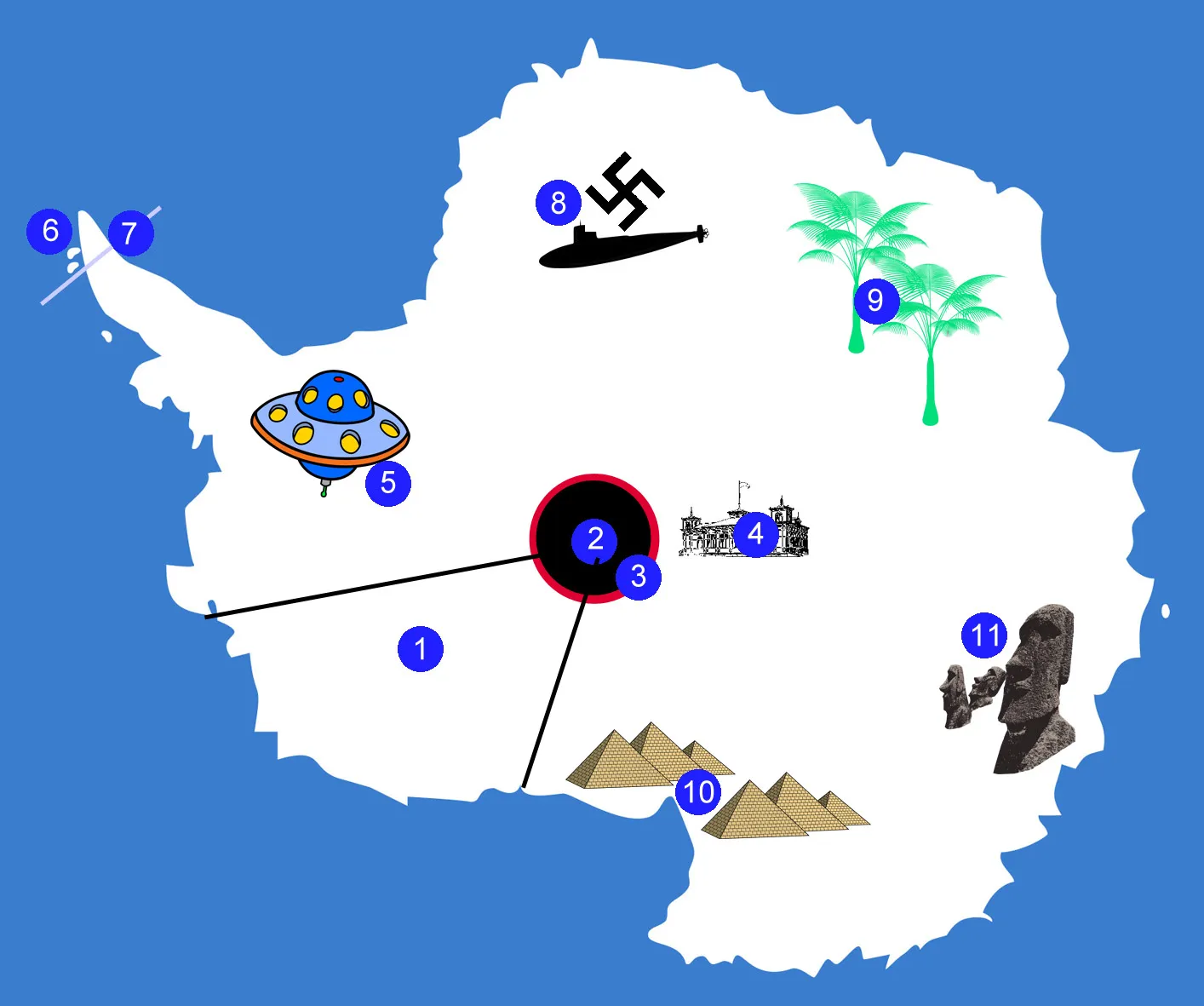
The Unseen Frontier: Why Antarctica Remains a Mystery
Antarctica’s status as the last truly wild frontier is largely due to its extreme environmental conditions. Temperatures plummet to unimaginable lows, often reaching below -80°C (-112°F). Blizzards rage with hurricane-force winds, and vast swaths of the continent are perpetually shrouded in darkness for months during the austral winter. These conditions pose formidable challenges to human presence and conventional exploration, making direct observation and traditional fieldwork exceedingly difficult, costly, and dangerous. Consequently, much of what we know about Antarctica’s subglacial topography, its deep-sea ecosystems, and its geological history comes from indirect methods and the innovative application of specialized technologies designed to operate in such hostile environments.
Extreme Environment, Extreme Tech Demands
The unique demands of Antarctic research have spurred the development of bespoke technological solutions. Equipment must be engineered to withstand brutal cold, resist corrosion from saltwater and ice, and function reliably in remote locations with limited access to repairs or resupply. Power sources must be efficient and robust, capable of operating autonomously for extended periods. Communication systems require global reach and resilience against atmospheric interference. Data collection, storage, and transmission systems must handle massive volumes of information generated by sensors, cameras, and scientific instruments operating across vast distances. These extreme conditions push the boundaries of materials science, robotics, artificial intelligence, and communication technology, making Antarctica a living laboratory for innovation.
Leveraging Cutting-Edge Technology for Polar Exploration
The pursuit of Antarctica’s hidden truths is a testament to human ingenuity, with technology serving as the vanguard of discovery. From orbiting satellites to autonomous submersibles, an array of advanced tools is continuously re-shaping our understanding of the continent.
Remote Sensing and Satellite Imagery: Peering Through Ice
One of the most powerful technological enablers in Antarctic exploration is remote sensing. Satellites equipped with Synthetic Aperture Radar (SAR) can penetrate through kilometers of ice, revealing the hidden landscapes beneath. Unlike optical sensors, SAR can operate effectively regardless of cloud cover or darkness, providing continuous, detailed maps of subglacial mountain ranges, vast plains, and extensive river networks. LiDAR (Light Detection and Ranging) systems, deployed from aircraft, precisely measure ice sheet thickness and elevation changes, helping scientists track ice flow dynamics and predict sea level rise. Gravimetry and magnetometry data, also collected by airborne sensors, provide crucial insights into the continent’s crustal structure and geological composition, hinting at potential mineral deposits or unique geological formations hidden deep below. These technologies have revolutionized our ability to map the continent’s foundational bedrock, identifying areas of potential geothermal activity, subglacial lakes, and ancient river valleys that were previously invisible. For instance, the discovery of Lake Vostok, a vast freshwater lake trapped beneath 4 kilometers of ice for millions of years, was largely facilitated by radar imagery.
Autonomous Systems and Robotics: The Unmanned Avant-Garde
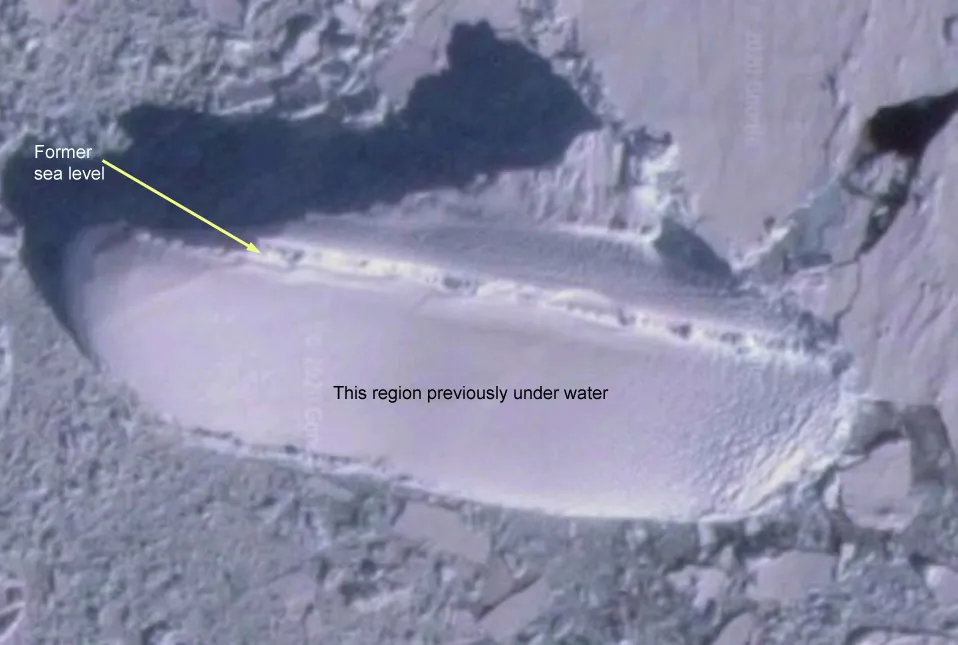
The dangers and impracticalities of human presence in many Antarctic regions have made autonomous systems indispensable. Underwater Autonomous Vehicles (AUVs) and Remotely Operated Vehicles (ROVs) are at the forefront of exploring subglacial lakes and deep-sea trenches. These sophisticated robots, equipped with sonar, cameras, and sampling tools, can navigate complex underwater environments, collect data, and retrieve samples without risking human lives. Custom-built “cryobots” are being developed to melt through ice sheets to reach subglacial environments, designed to sterilize themselves to prevent contamination and carry delicate sensors to study pristine ecosystems. On the surface and in the air, drones and unmanned aerial vehicles (UAVs) are rapidly becoming standard tools for aerial mapping, wildlife monitoring, and assessing ice dynamics in areas too hazardous or remote for piloted aircraft. These robotic scouts can endure longer missions, cover vast territories, and collect data with higher precision than human-led expeditions, pushing the boundaries of what is observable.
AI and Big Data: Unlocking Patterns in Vast Datasets
The sheer volume of data generated by satellite imagery, sensor networks, and robotic expeditions in Antarctica is immense. This “big data” problem necessitates advanced computational solutions, particularly Artificial Intelligence (AI) and Machine Learning (ML). AI algorithms are deployed to process, analyze, and interpret petabytes of data, identifying subtle patterns in ice sheet movement, detecting anomalies in satellite images that might indicate hidden features, or classifying unique biological signatures from environmental samples. Machine learning models can predict ice shelf collapse, forecast weather patterns, and even assist in identifying optimal routes for ground expeditions by analyzing terrain data. AI is also critical in synthesizing data from disparate sources—seismic readings, radar scans, oceanographic measurements, and atmospheric observations—to construct comprehensive models of Antarctic systems. This intelligent processing capability allows researchers to derive meaningful insights and make informed decisions at a scale and speed impossible for human analysis alone, accelerating the pace of discovery.
Beyond the Ice: Speculative Tech Applications and Discoveries
As technology continues its rapid evolution, so too does our capacity to probe the deepest secrets of Antarctica. Future applications promise even more extraordinary revelations, extending beyond current capabilities.
Subglacial Exploration: Drones and Cryobots
The next generation of cryobots and subglacial drones will likely feature enhanced autonomy, advanced navigation systems, and miniaturized, highly sensitive sensors. Imagine swarms of micro-cryobots, self-organizing and communicating, exploring the vast, interconnected network of subglacial rivers and lakes, searching for unique extremophile life forms that have evolved in isolation for millions of years. These advanced systems could potentially penetrate deep into the continent’s bedrock, utilizing advanced drilling techniques to access geological archives that hold clues to Earth’s ancient climate, plate tectonics, and even the origins of life. The development of self-repairing robotics and energy harvesting technologies could allow these systems to operate indefinitely, expanding the window of exploration exponentially.
Digital Preservation of Antarctic Data
Beyond discovery, the digital preservation and accessibility of Antarctic data are becoming increasingly vital. The rapid pace of climate change makes it crucial to archive current environmental conditions and historical data for future generations of scientists. Advanced digital twins of Antarctic ice sheets, fed by real-time sensor data and AI models, could allow researchers worldwide to simulate future scenarios, test hypotheses, and collaborate in unprecedented ways. Blockchain technology could even be employed to create immutable records of scientific findings, ensuring data integrity and provenance for critical climate research. The development of high-bandwidth, resilient communication networks tailored for polar regions will be key to enabling this global collaboration and continuous data flow, ensuring that the insights gained from Antarctica are shared and utilized effectively.
The Future of Antarctic Discovery: Tech’s Endless Potential
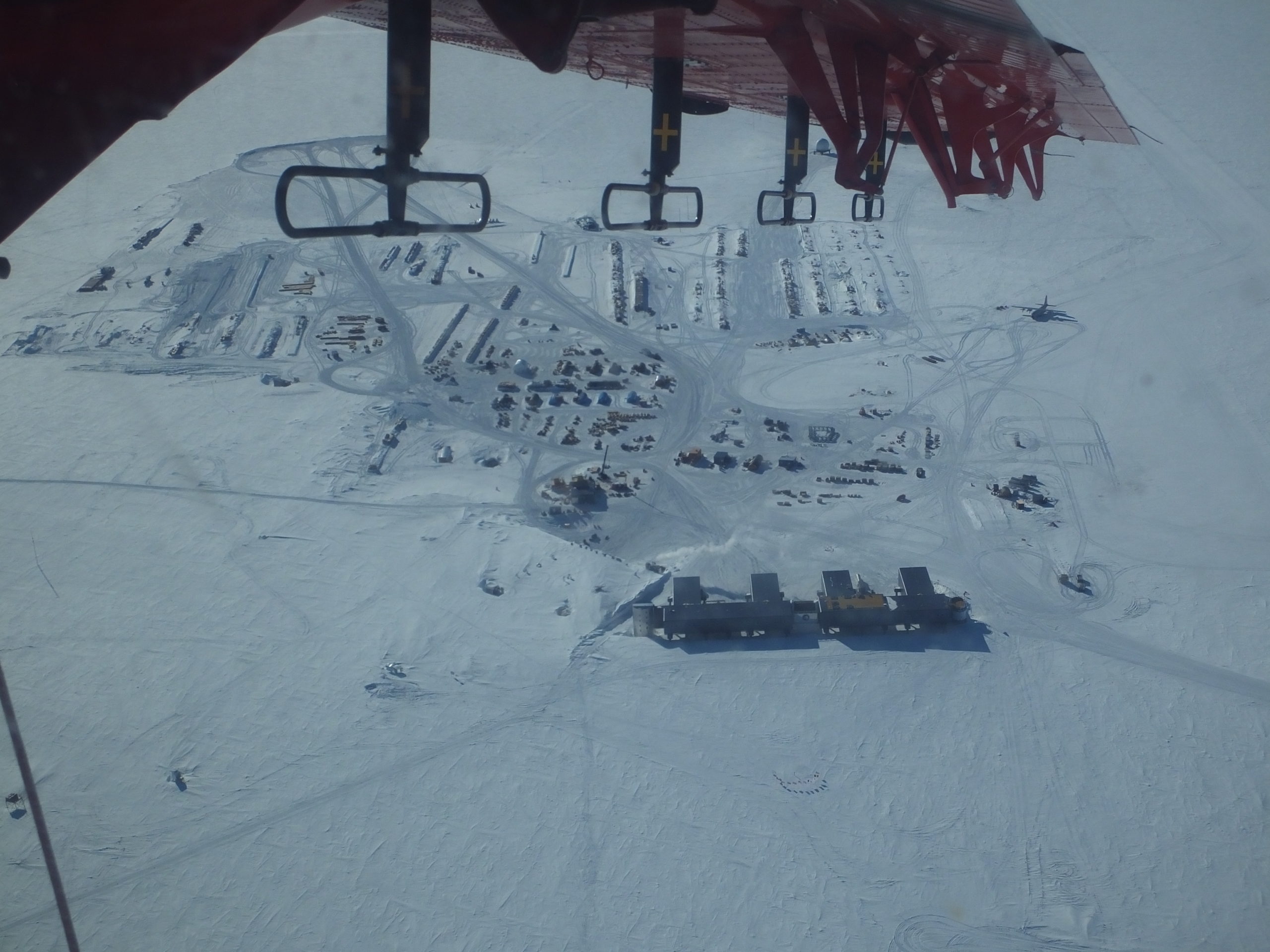
The quest to uncover what is hiding in Antarctica is far from over; in many ways, it has only just begun. As our technological capabilities continue to grow, so too will our capacity to explore, understand, and protect this pivotal continent. From sophisticated remote sensing platforms providing unprecedented views beneath the ice, to autonomous robots venturing into the most inhospitable environments, and AI systems deciphering petabytes of data, technology is the indispensable key to unlocking Antarctica’s mysteries. The secrets it holds—whether ancient microbial life, unique geological formations, or critical climate data—are poised to profoundly impact our understanding of Earth’s past, present, and future, all thanks to the relentless march of technological innovation.
aViewFromTheCave is a participant in the Amazon Services LLC Associates Program, an affiliate advertising program designed to provide a means for sites to earn advertising fees by advertising and linking to Amazon.com. Amazon, the Amazon logo, AmazonSupply, and the AmazonSupply logo are trademarks of Amazon.com, Inc. or its affiliates. As an Amazon Associate we earn affiliate commissions from qualifying purchases.