
The humble quarter, a coin that has circulated in American pockets for generations, holds a rich history tied not just to commerce but also to monetary policy, economic shifts, and, for a significant period, precious metal content. For many collectors and those interested in the tangible value of currency, the question of when the United States Mint ceased producing circulating quarters made of silver is a recurring point of interest. This isn’t merely about a date; it’s about understanding a pivotal transition in how our coinage is produced and the economic and legislative forces that drove this change. The answer to “what year did they stop making the silver quarter” marks a significant moment in the evolution of American currency, signaling a shift away from intrinsic metal value towards purely fiduciary value, a move that has had lasting implications for numismatics and the broader financial landscape.

The Era of Silver Quarters: A Foundation of Value
Before delving into the cessation of silver quarter production, it’s crucial to understand the context of their existence. For over a century, the United States quarter was not just a representation of one-quarter of a dollar but also contained a substantial amount of actual silver. This intrinsic value provided a stable foundation for the coinage, ensuring it held a certain worth regardless of economic fluctuations. The decision to incorporate silver into coinage was a practice deeply rooted in the history of monetary systems, where precious metals served as the primary medium of exchange and store of value.
The Composition and Significance of Silver Coinage
From their inception, quarters, along with other circulating denominations like dimes and half-dollars, were minted from an alloy of 90% silver and 10% copper. This composition was not arbitrary; it was a deliberate choice to imbue these coins with a tangible and universally recognized value. The silver content meant that the melt value of the coins was often close to, or even exceeded, their face value, especially during times of economic instability or when the price of silver rose. This intrinsic backing provided a level of confidence in the currency that is largely absent in today’s purely fiat money system. Collectors and historians often refer to these coins as “constitutional silver” or “junk silver” to distinguish them from modern clad coinage. The presence of silver also influenced the aesthetic qualities of the coins, giving them a distinct luster and weight that many find appealing even today. The design of these silver quarters often featured iconic figures and symbols, further embedding them in the American narrative.
Economic Pressures Driving Change
The mid-20th century witnessed significant shifts in the global economy and the monetary landscape. The United States, like many other nations, was grappling with the rising cost of silver. As industrial demand for silver increased and its global supply remained relatively constant, the price of silver began to climb. This presented a growing problem for the U.S. Mint. The cost of the silver required to produce each quarter was approaching, and at times exceeding, the face value of the coin. This made it increasingly uneconomical to continue minting circulating silver coinage. The government faced a dilemma: either continue to lose money on every silver quarter produced, or find an alternative. This economic pressure was the primary catalyst for re-evaluating the composition of American coinage. The debate wasn’t just about cost; it was also about resource management and ensuring the stability of the monetary system.
The Coinage Act of 1965: A Turning Point
The economic pressures stemming from the rising price of silver eventually led to a landmark legislative change. The Coinage Act of 1965 was a pivotal piece of legislation that fundamentally altered the composition of U.S. coinage, including the quarter. This act marked the official end of an era, transitioning from silver-backed coins to the clad coinage we use today. The passage of this act was not without considerable debate, as it involved a significant departure from long-standing monetary traditions.
The Mandate for Clad Coinage
The Coinage Act of 1965 officially authorized the elimination of silver from dimes and quarters, and reduced the silver content in half-dollars. Specifically, the act decreed that dimes and quarters would no longer contain any silver. Instead, they would be composed of a clad structure: two outer layers of copper-nickel bonded to a pure copper core. This new composition significantly reduced the intrinsic value of the coins, making their face value the sole determinant of their worth. The transition was carefully managed to ensure a smooth changeover in the circulating supply of coinage. The government’s goal was to stabilize the cost of producing coinage and prevent the hoarding of silver coins, which had become a concern as their melt value increased.
The Last Year of Silver Quarters
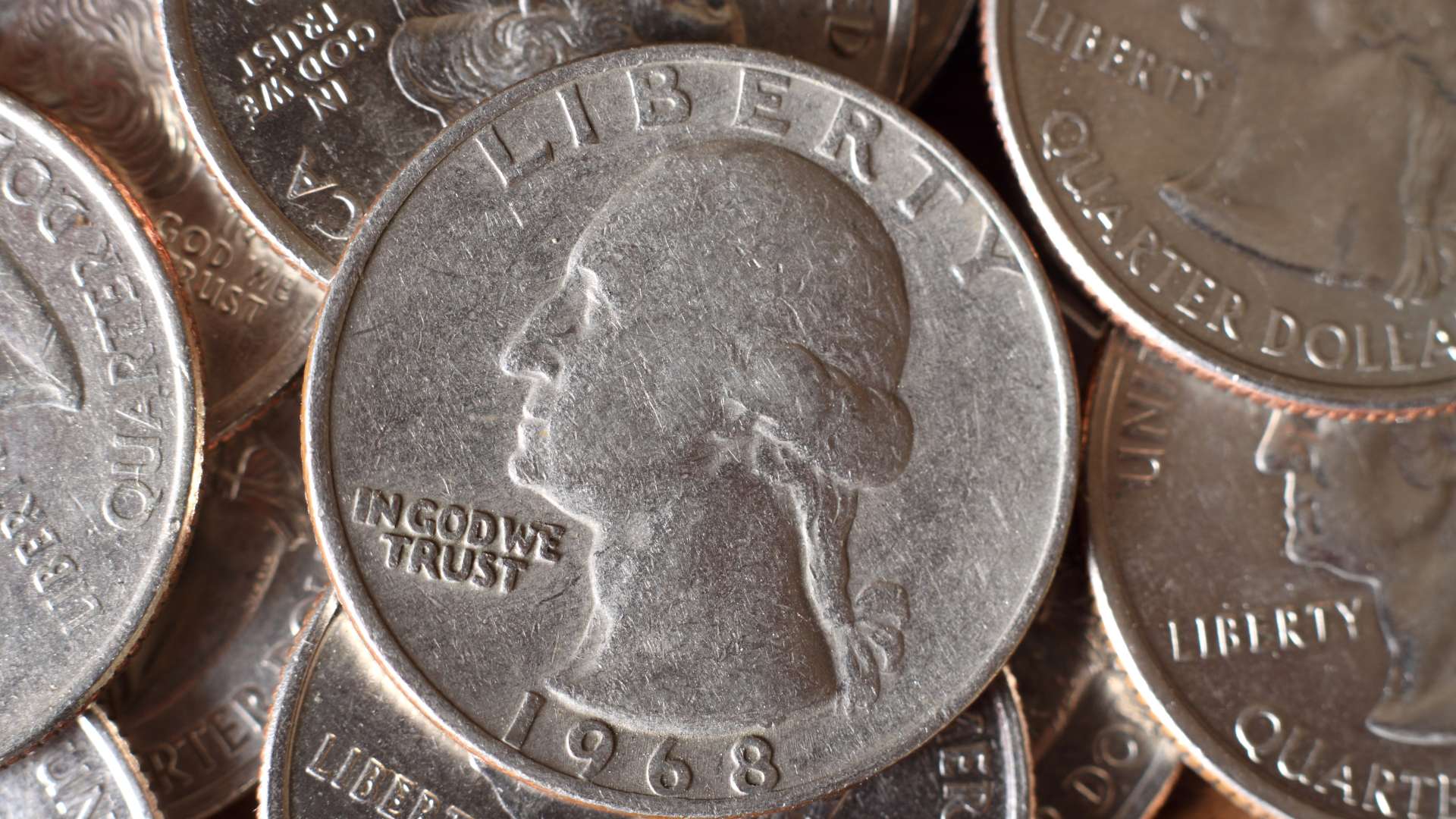
Therefore, the last year that circulating U.S. quarters were minted with their traditional 90% silver composition was 1964. While production continued through 1964, the actual coins that entered circulation were dated 1964. This date is crucial for collectors and historians. It’s important to note that proof and uncirculated sets of 1964 quarters were actually produced and sold by the Mint in 1965, but these were specifically identified as 1964-dated coins and were intended for collectors, not for general circulation. For all intents and purposes, any quarter minted and intended for everyday use after 1964 would not contain silver. This marked the end of an era that had lasted for over 170 years, fundamentally changing the nature of the pocket change in the United States.
The Legacy of Silver Quarters and Modern Numismatics
The cessation of silver quarter production did not, by any means, diminish their historical significance or their appeal to collectors. In fact, the very act of their discontinuation has contributed to their enduring legacy. The transition to clad coinage created a distinct divide in U.S. coinage history, making the silver quarters a tangible link to a past era of monetary policy and economic reality.
Numismatic Value vs. Bullion Value
Following the Coinage Act of 1965, silver quarters from 1964 and earlier became highly sought after by numismatists. Their value is now determined by a combination of factors, including their rarity, condition, mint mark, and the prevailing price of silver. While the silver content in these older quarters still provides a baseline bullion value, it is often their numismatic value – their worth as collectible items – that commands a premium. For example, a common 1964 quarter in circulated condition might be worth slightly more than its silver melt value, while a rare mint mark or a coin in exceptionally high grade can be worth significantly more. The market for silver quarters is dynamic, influenced by both precious metal prices and collector demand. Understanding this distinction is crucial for anyone looking to buy, sell, or appraise these historic coins.

The Continued Fascination with Silver Coinage
The fascination with silver coinage persists for several reasons. For many, it represents a tangible connection to a time when money had a more inherent, universally understood value. The weight and luster of silver quarters evoke a sense of history and craftsmanship that is often missing from modern, lighter, and less intrinsically valuable coins. Furthermore, the shift to clad coinage has made genuine silver circulating coins a finite resource. Once these older silver quarters are lost, melted down, or otherwise removed from circulation, there will be no more. This scarcity, coupled with ongoing collector interest, ensures that silver quarters will continue to be a significant area of focus within the numismatic community for the foreseeable future. The stories these coins tell, of economic history, artistic design, and the changing face of American currency, continue to captivate collectors and history enthusiasts alike. The question “what year did they stop making the silver quarter” is not just a query about a date, but an entry point into a fascinating chapter of financial and historical evolution.
aViewFromTheCave is a participant in the Amazon Services LLC Associates Program, an affiliate advertising program designed to provide a means for sites to earn advertising fees by advertising and linking to Amazon.com. Amazon, the Amazon logo, AmazonSupply, and the AmazonSupply logo are trademarks of Amazon.com, Inc. or its affiliates. As an Amazon Associate we earn affiliate commissions from qualifying purchases.