
While the term “lawn roller” might conjure images of manual labor and traditional landscaping, its role extends far beyond simple aesthetics. In the realm of property management and agricultural efficiency, understanding the function and application of a lawn roller is crucial for optimizing land use and investment. From enhancing turf health to preparing grounds for specific events, this seemingly straightforward piece of equipment plays a significant, albeit specialized, role.
The Fundamental Mechanics and Purpose of Lawn Rollers
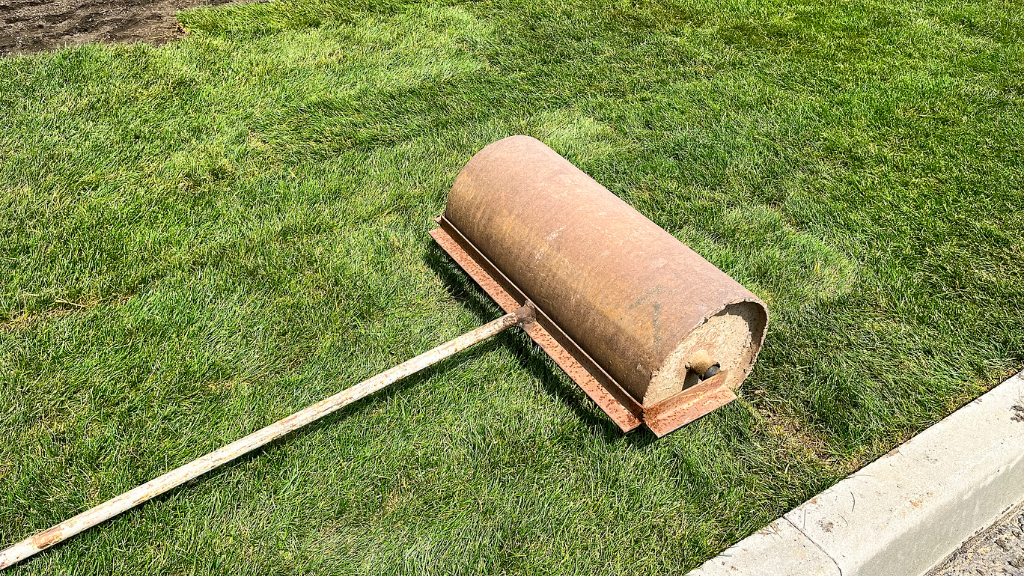
At its core, a lawn roller is a cylindrical drum, typically made of steel or heavy-duty plastic, designed to be pulled or pushed across a lawn or field. Its primary function is to apply weight and pressure to the soil surface. This pressure achieves several key objectives, all contributing to a more refined and functional landscape.
Compaction for Leveling and Smoothness
The most immediate and visible effect of a lawn roller is its ability to level uneven ground. Small bumps, divots, and molehills can be pressed down, creating a smoother, more uniform surface. This is particularly important for sports fields, golf courses, and even residential lawns where a consistent playing or walking surface is desired. A level surface reduces the risk of tripping hazards, allows for more predictable ball roll in sports, and generally enhances the visual appeal of the property.
Enhancing Seed-to-Soil Contact for Germination
For new lawn installations or overseeding projects, a lawn roller plays a critical role in germination success. After seeds are sown, they need to be in direct and firm contact with the soil to absorb moisture and nutrients essential for sprouting. Simply scattering seeds onto loose soil often results in poor germination rates because the seeds can dry out or be easily displaced by wind or rain. Rolling the ground after seeding presses the seeds into the soil, ensuring optimal contact and significantly improving the chances of a dense, healthy turf.
Promoting Root Development and Water Retention
The gentle compaction provided by a lawn roller can also contribute to better root development and water management within the soil. By firming the soil, it reduces air pockets, which can sometimes lead to the soil drying out too quickly. This increased density helps retain moisture closer to the root zone, making it more accessible for the grass. Furthermore, a more consolidated soil structure can encourage roots to grow deeper and more uniformly, leading to a more resilient and drought-tolerant lawn.
Applications Across Different Land Management Scenarios
The utility of a lawn roller is not confined to a single type of land. Its applications span a variety of contexts, from intensive sports turf management to agricultural preparation and even specialized event grounds.
Sports Turf Management: The Unseen Advantage
For professional sports fields, a perfectly manicured and consistently performing surface is paramount. Lawn rollers are indispensable tools in this environment. They are used to:
Preparing Pitches for Play
Before a match or game, rolling the field helps to firm up the turf, creating a predictable surface for athletes. This is especially crucial for sports like cricket, where the bounce of the ball is directly affected by the firmness of the pitch. Rolling can also help repair minor divots or unevenness that may have occurred during previous use, ensuring a safe and fair playing environment.
Enhancing Drainage and Aeration Practices
While rollers compact soil, they are often used in conjunction with other turf management techniques. For instance, after aeration (which creates holes in the soil), rolling can help close these holes, preventing excessive moisture loss and encouraging the turf to recover more quickly. In some cases, rolling can also encourage water to flow across the surface rather than immediately penetrating, which can be beneficial for managing certain types of soil or during periods of heavy rainfall, though this needs careful consideration to avoid waterlogging.
Contributing to Dormancy and Recovery
In certain climates, rolling can be used to help grass enter dormancy or recover from stress. By firming the soil and reducing air pockets, it can help manage moisture levels, which are critical during these sensitive periods. This is a more advanced application, requiring specific knowledge of turf physiology and local environmental conditions.
Agricultural and Horticultural Use: Beyond the Lawn
The principles of compaction and seed-to-soil contact are not exclusive to ornamental lawns. In agriculture and horticulture, similar tools and techniques are employed.
Seedbed Preparation for Crops
Before planting certain crops, farmers use rollers, often as part of a larger cultivation process, to create a firm seedbed. This ensures that seeds are planted at a consistent depth and have excellent contact with the soil, leading to uniform germination and stand establishment. This is particularly important for small-seeded crops where precise planting is crucial.
Establishing Pastures and Forage Crops
For livestock operations, establishing healthy pastures is vital for animal nutrition. Rolling after seeding pastures helps secure the seeds, improves moisture availability for germination, and creates a firmer surface that can better withstand grazing pressure once established. This leads to denser, more resilient forage growth.
Land Reclamation and Soil Stabilization
In some land management projects, such as those involving erosion control or the reclamation of disturbed land, rollers can be used to compact the soil surface. This creates a more stable substrate, reducing the likelihood of soil erosion and providing a better foundation for vegetation establishment.

Event Preparation: Creating a Pristine Surface
For outdoor events, from weddings and garden parties to temporary markets and festivals, the appearance and functionality of the grounds are critical.
Ensuring a Level Playing Field for Tents and Staging
Outdoor events often involve setting up temporary structures like tents, marquees, and stages. A roller can be used to level the ground where these structures will be placed, ensuring they are stable and safe. This is especially important for larger structures that require a uniformly firm base.
Enhancing Aesthetic Appeal for Special Occasions
A well-rolled lawn presents a neat, manicured, and professional appearance. For events where visual presentation is key, such as an outdoor wedding ceremony or a corporate garden party, rolling can significantly enhance the overall aesthetic, contributing to a more memorable and polished experience for guests.
Improving Foot Traffic Management
During an event, heavy foot traffic can quickly churn up a lawn, creating muddy patches and damaging the turf. Rolling the ground beforehand can firm it up, making it more resistant to compaction and wear. This helps maintain the integrity of the grounds throughout the event and can minimize post-event repair work.
Considerations for Effective Lawn Roller Use
While lawn rollers offer significant benefits, their use is not without nuance. Understanding when and how to use them effectively is key to maximizing their advantages and avoiding potential drawbacks.
Soil Type and Moisture Content: A Critical Balance
The effectiveness of a lawn roller is heavily influenced by the type of soil and its moisture content.
Avoiding Over-Compaction
In clay-heavy soils, which are prone to compaction, excessive rolling can have detrimental effects. Over-compaction can lead to poor drainage, reduced aeration, and hinder root growth, effectively suffocating the grass. It is crucial to assess the soil type and the prevailing moisture conditions before rolling.
The Optimal Moisture Level
The best time to roll is when the soil is moist but not saturated. In this state, the soil has enough flexibility to be shaped by the roller without becoming overly compacted or waterlogged. Rolling dry, hard soil will have minimal effect, while rolling wet soil can lead to severe compaction and damage.
Roller Weight and Type: Matching the Task
Lawn rollers come in various sizes and weights, and choosing the right one is important for the intended application.
Hand Rollers vs. Powered Rollers
For small residential lawns, a lightweight hand roller or a smaller towed roller pulled by a lawn tractor might suffice. For larger areas, sports fields, or agricultural applications, heavier-duty, engine-powered rollers are necessary to achieve the desired level of compaction.
Water-Filled vs. Solid Rollers
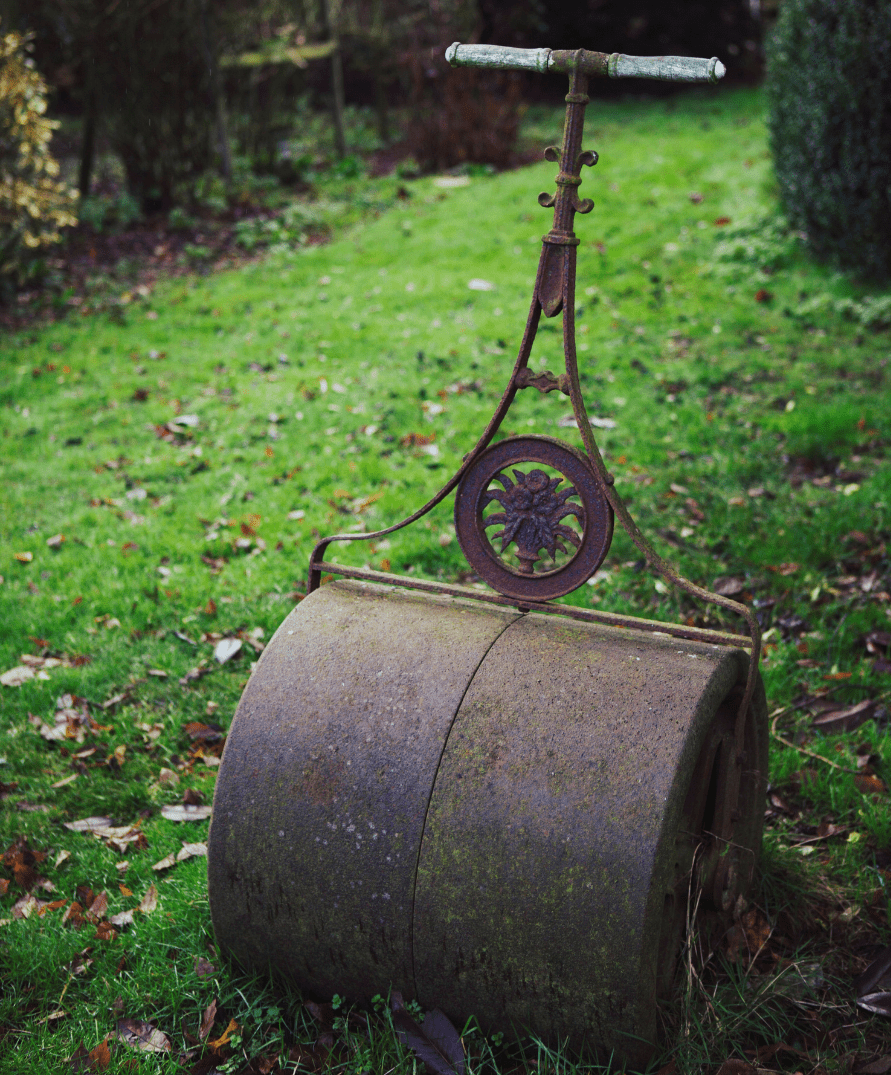
Many lawn rollers are designed to be filled with water, allowing the user to adjust the weight based on their needs. This versatility is a significant advantage, as it allows for lighter rolling in sensitive areas and heavier rolling where more significant compaction is required. Solid rollers, typically made of cast iron or steel, offer consistent weight but less adjustability.
Timing and Frequency: Strategic Application
The timing and frequency of rolling are as important as the technique itself.
Seasonal Considerations
Rolling is generally most beneficial in spring and fall, during periods of active growth and when the soil moisture is typically more conducive to compaction. Rolling during extreme heat or drought can exacerbate stress on the turf.
Post-Seeding and Aeration Benefits
As mentioned, rolling is highly beneficial immediately after seeding or overseeding. It is also a valuable tool after aeration to help reseal the soil surface and promote turf recovery. However, it’s important to allow the grass to recover from aeration before considering rolling, and to use a lighter weight if necessary.
In conclusion, a lawn roller is far more than a simple landscaping tool. It is a strategic asset in land management, playing a vital role in creating optimal conditions for turf growth, ensuring functional and safe grounds for various activities, and contributing to the overall health and longevity of the landscape. By understanding its mechanics, diverse applications, and the critical considerations for its use, individuals and professionals can leverage the power of the lawn roller to achieve superior results in property maintenance and land optimization.
aViewFromTheCave is a participant in the Amazon Services LLC Associates Program, an affiliate advertising program designed to provide a means for sites to earn advertising fees by advertising and linking to Amazon.com. Amazon, the Amazon logo, AmazonSupply, and the AmazonSupply logo are trademarks of Amazon.com, Inc. or its affiliates. As an Amazon Associate we earn affiliate commissions from qualifying purchases.