
The iPhone 8, a significant iteration in Apple’s flagship smartphone line, entered the market at a pivotal moment in mobile technology. While the question of its release year is straightforward, understanding its impact requires a broader perspective, encompassing the technological advancements it represented, the strategic branding decisions that accompanied its launch, and its financial implications within the competitive landscape of personal electronics. This exploration delves into these facets, situating the iPhone 8 within the wider context of Apple’s enduring influence on tech trends, brand perception, and consumer spending.

The Technological Leap: Innovations and the iPhone 8’s Place in Apple’s Ecosystem
The iPhone 8, alongside its larger sibling the iPhone 8 Plus, was officially unveiled by Apple on September 12, 2017, and became available for purchase a week later, on September 22, 2017. This release marked a departure from the incremental updates seen in previous years, introducing a host of new features that would set the stage for future iPhone generations. At its core, the iPhone 8 was powered by the A11 Bionic chip, a groundbreaking piece of silicon that significantly boosted processing power and efficiency. This chip was not just about raw speed; it introduced a neural engine, capable of machine learning tasks at an unprecedented level for a smartphone. This meant improved computational photography, faster Siri response times, and enhanced augmented reality (AR) capabilities, which Apple was heavily investing in.
Beyond the Chip: Design, Display, and Durability Upgrades
While the overall design language of the iPhone 8 maintained a familiar aesthetic, it was the subtle yet significant material changes that set it apart. For the first time since the iPhone 4, Apple returned to a glass back design. This wasn’t merely for aesthetics; it was a strategic decision to enable wireless charging, a feature that was rapidly gaining traction in the consumer electronics market. The glass back, coupled with a new space-grade aluminum band, created a premium feel while also improving durability. The iPhone 8 boasted a more robust glass construction on both the front and back, designed to withstand everyday drops and scratches.
The display technology also saw an upgrade. The iPhone 8 featured a Retina HD display with True Tone technology. True Tone dynamically adjusted the white balance of the display to match the ambient light, making colors appear more natural and consistent in different lighting conditions. This subtle but impactful feature enhanced the visual experience, making reading and viewing content more comfortable. For photographers and videographers, the iPhone 8 offered significant improvements in camera performance. The 12-megapixel camera system, enhanced by the A11 Bionic chip, delivered better low-light performance, faster autofocus, and a new feature called Portrait Lighting. This allowed users to simulate studio-quality lighting effects on their portraits, adding a professional touch to casual snapshots. Video recording also saw advancements, with support for 4K video at up to 60 frames per second and 1080p slow-motion recording at 240 frames per second.
The Software Ecosystem: iOS and the Seamless Integration
Crucially, the iPhone 8 launched with iOS 11, a major update to Apple’s mobile operating system that brought with it a raft of new features and enhancements. This included a redesigned Control Center, a Files app for better document management, and significant improvements to augmented reality through ARKit. The integration of hardware and software has always been a hallmark of Apple’s success, and the iPhone 8 was a prime example of this. The A11 Bionic chip was optimized to take full advantage of iOS 11’s capabilities, creating a fluid and responsive user experience. This seamless integration not only enhanced the user’s day-to-day interaction with the device but also solidified Apple’s control over its entire ecosystem, from the hardware to the software and the vast array of apps available on the App Store. The introduction of features like ARKit further pushed the boundaries of what was possible on a mobile device, hinting at future advancements in how we interact with our digital and physical worlds.
Brand Strategy and Market Positioning: Apple’s Masterclass in Consumer Perception
The launch of the iPhone 8 was not just about technological prowess; it was a carefully orchestrated event designed to reinforce Apple’s brand identity as a leader in innovation, premium quality, and user experience. Apple’s marketing strategy surrounding the iPhone 8 was masterful, focusing on the refinements and advancements rather than a complete redesign. This approach played into the established trust and loyalty consumers had developed for the iPhone brand.
The “Next Generation” Narrative: Balancing Familiarity and Progress
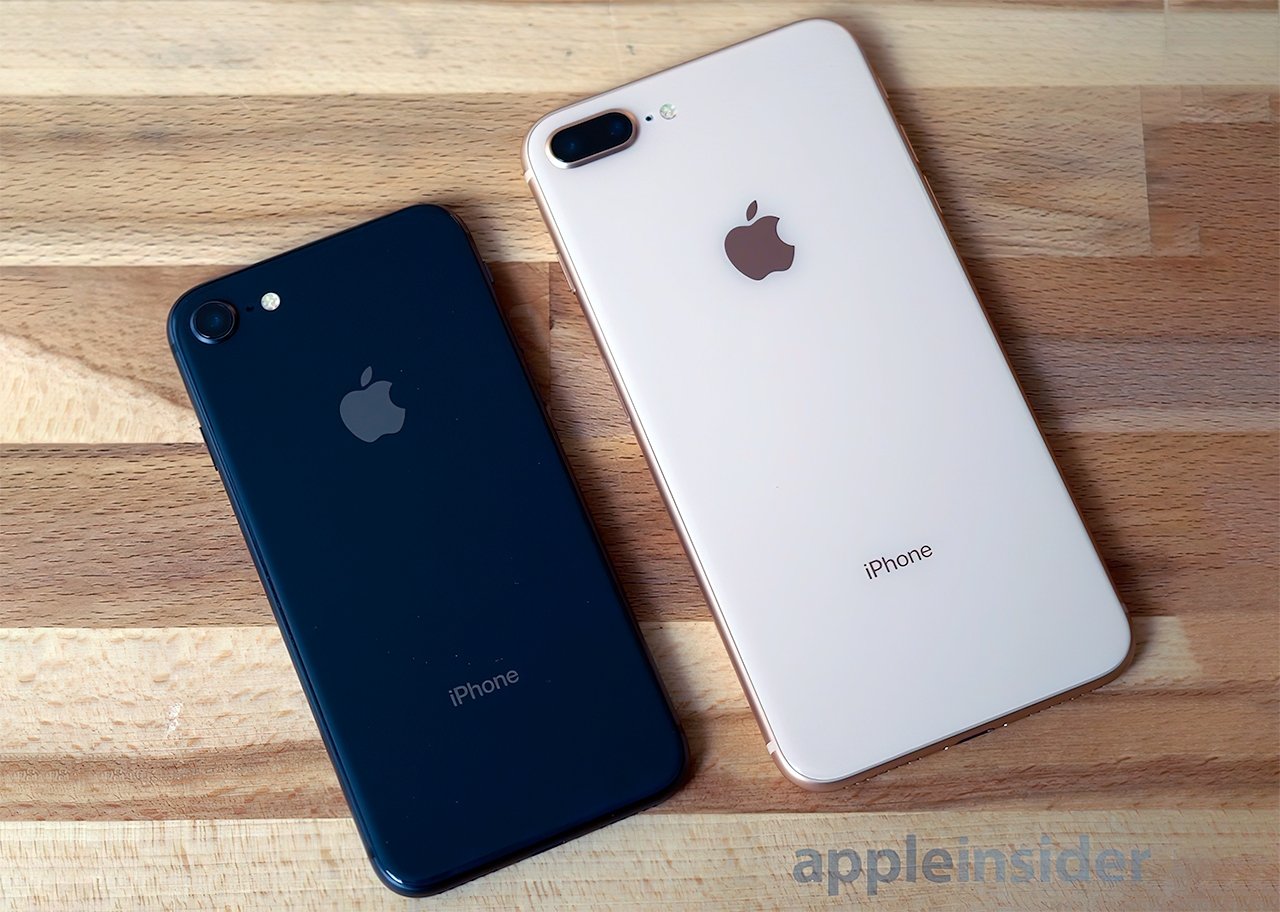
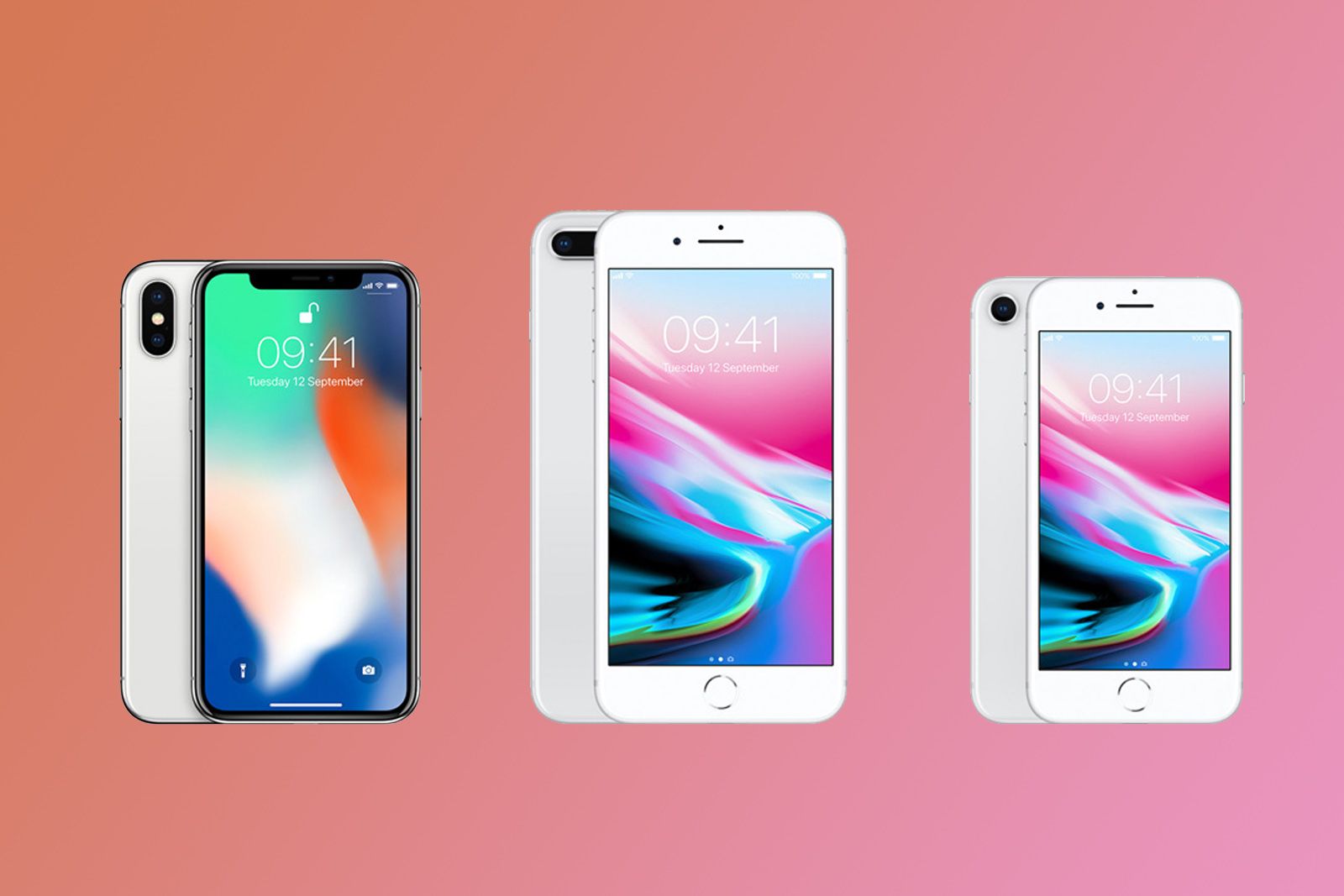
Apple’s branding strategy often involves presenting new products as the natural evolution of beloved predecessors. The iPhone 8, while introducing significant internal upgrades and the welcome return of the glass back for wireless charging, retained the iconic iPhone design that had been in place since the iPhone 6. This was a deliberate choice. In the same year, Apple also launched the iPhone X, a radical redesign that marked the tenth anniversary of the iPhone. The iPhone 8 served as a bridge, offering a more familiar and accessible upgrade path for existing iPhone users who might have been hesitant about the more futuristic and costly iPhone X.
The marketing emphasized the A11 Bionic chip’s power, the improved camera capabilities, and the enhanced durability, framing these as substantial enhancements that would improve the everyday user experience. The messaging was clear: the iPhone 8 was the “next generation” of the iPhone, building upon its strengths while incorporating cutting-edge technology. This narrative helped to solidify the iPhone’s reputation for reliability and continued innovation, even if it wasn’t the headline-grabbing redesign. Apple’s ability to create desire and perceived value around even iterative updates is a testament to its brand strength.
Cultivating Exclusivity and Premium Perception
Apple has always excelled at cultivating a sense of exclusivity and premium quality around its products. The iPhone 8, with its glass construction, advanced materials, and seamless integration of hardware and software, was positioned as a high-end device. The price point, while substantial, was presented as commensurate with the advanced technology and superior user experience offered. This strategy reinforces the brand’s positioning in the market, differentiating it from more budget-friendly competitors.
The retail experience itself, both in Apple Stores and through authorized resellers, is a crucial component of Apple’s brand strategy. The polished presentation of products, the knowledgeable staff, and the emphasis on hands-on interaction all contribute to the premium perception. The launch events, meticulously planned and widely publicized, create a sense of anticipation and excitement, further cementing the iPhone’s status as a must-have gadget. The iPhone 8, as a key player in the 2017 lineup, benefited from this well-established ecosystem of brand promotion and customer engagement.
Financial Implications: iPhone 8’s Role in Apple’s Dominance and the Smartphone Market
The release of the iPhone 8 had significant financial implications, both for Apple as a company and for the broader smartphone market. As a mature product in a highly competitive landscape, its performance was closely watched, and it played a crucial role in Apple’s ongoing financial success.
A Steady Revenue Stream and Market Share Consolidation
The iPhone 8, alongside the iPhone 8 Plus, provided Apple with a consistent and substantial revenue stream. While the iPhone X captured much of the media attention due to its innovative design and Face ID technology, the iPhone 8 appealed to a wider segment of the market, including those who preferred a more traditional design or a lower price point than the flagship iPhone X. This dual-pronged approach allowed Apple to capture a larger share of the premium smartphone market.
The financial success of the iPhone 8 contributed to Apple’s continued dominance in the smartphone industry. Its sales figures were robust, demonstrating the enduring appeal of the iPhone brand and the loyalty of its customer base. The introduction of wireless charging as a standard feature also helped to drive adoption of a growing ecosystem of wireless charging accessories, further embedding users within Apple’s hardware and accessory landscape. This created a sticky ecosystem where upgrades and related purchases became more likely.
The Impact on Competitors and the Pricing Landscape
The iPhone 8’s release also had a ripple effect on the competitive landscape. Apple’s ability to command premium prices for its devices, even for models that weren’t the absolute cutting edge, put pressure on competitors to innovate and justify their own pricing strategies. Android manufacturers, in particular, were constantly striving to match or surpass Apple’s features and performance, leading to a rapid pace of technological advancement across the industry.
The pricing of the iPhone 8 also influenced the overall pricing tiers within the smartphone market. While it represented a significant investment, it was positioned below the iPhone X, creating a more accessible entry point into Apple’s ecosystem. This strategy allowed Apple to cater to a broader range of consumer spending power while still maintaining its premium brand image. The success of the iPhone 8 underscored the fact that even within the high-end market, there is significant demand for devices that offer a balance of advanced features, reliability, and a more familiar user interface. The introduction of the A11 Bionic chip also set a new benchmark for mobile processing power, forcing competitors to ramp up their own silicon development efforts, ultimately benefiting consumers with faster and more capable devices across the board.
aViewFromTheCave is a participant in the Amazon Services LLC Associates Program, an affiliate advertising program designed to provide a means for sites to earn advertising fees by advertising and linking to Amazon.com. Amazon, the Amazon logo, AmazonSupply, and the AmazonSupply logo are trademarks of Amazon.com, Inc. or its affiliates. As an Amazon Associate we earn affiliate commissions from qualifying purchases.