
The humble penny, a staple of American commerce for centuries, has undergone significant transformations, not always visible to the casual observer. While its iconic copper sheen is deeply ingrained in our collective memory, the composition of the Lincoln cent has shifted dramatically, impacting its intrinsic value and offering a fascinating case study in economic and material science considerations. Understanding the transition from copper to zinc in penny production is more than just a historical curiosity; it reveals strategic decisions driven by economic pressures and the ever-evolving landscape of metal commodities.

The question “What year did pennies become zinc?” points to a pivotal moment in the history of U.S. coinage, a change that was driven by a confluence of factors, most notably the escalating price of copper. This shift, implemented in the early 1980s, fundamentally altered the material makeup of the most common circulating coin in the United States and set a precedent for future adjustments in currency production.
The Copper Era: A Foundation of Value
For generations, the penny was almost synonymous with copper. Its rich reddish-brown hue and perceived heft were a testament to this enduring metallic presence. The United States Mint, throughout its history, largely relied on copper and its alloys for the production of its lowest denomination coins.
Early Coinage and the Dominance of Copper
From its inception, the one-cent coin, or penny, was intended to be a tangible representation of value. The early American penny, first authorized by Congress in 1792, was struck from pure copper. This decision was driven by several factors: copper was relatively abundant, malleable for striking, and held a distinct aesthetic appeal. The intrinsic value of the metal was a significant consideration, aligning with the principles of specie coinage where the value of the metal itself was a primary component of the coin’s worth.
The Increasing Cost of Copper
As the 20th century progressed, global demand for copper surged, fueled by industrialization, technological advancements, and increasing manufacturing needs. Copper, a vital component in electronics, construction, and countless other industries, became a commodity subject to significant price fluctuations. The U.S. Mint, operating on a fixed budget and under legislative constraints, found itself increasingly challenged by the rising cost of copper. The metal required to produce a penny began to exceed the face value of the coin itself, a concept known as “seigniorage” – the difference between the face value of a coin and the cost of its production. This economic imbalance presented a growing problem for the government, as minting pennies was becoming a financial drain.
The Pivotal Year: 1982 and the Zinc Revolution
The economic realities of the late 20th century forced a significant reconsideration of the penny’s composition. The need to reduce production costs became paramount, leading to a monumental shift in coinage policy.
The Economic Imperative for Change
By the early 1980s, the cost of copper had reached a point where it was uneconomical to mint pennies entirely from this metal. The U.S. Mint was essentially losing money on every penny produced. This situation was unsustainable for a government entity tasked with managing currency. The pursuit of cost-saving measures became an urgent priority. Researchers and metallurgists within the Mint explored various alternatives, seeking a metal that was less expensive but could still be used effectively for coinage. Zinc, with its lower market price, emerged as the most viable substitute.

The Transition to a Copper-Plated Zinc Core
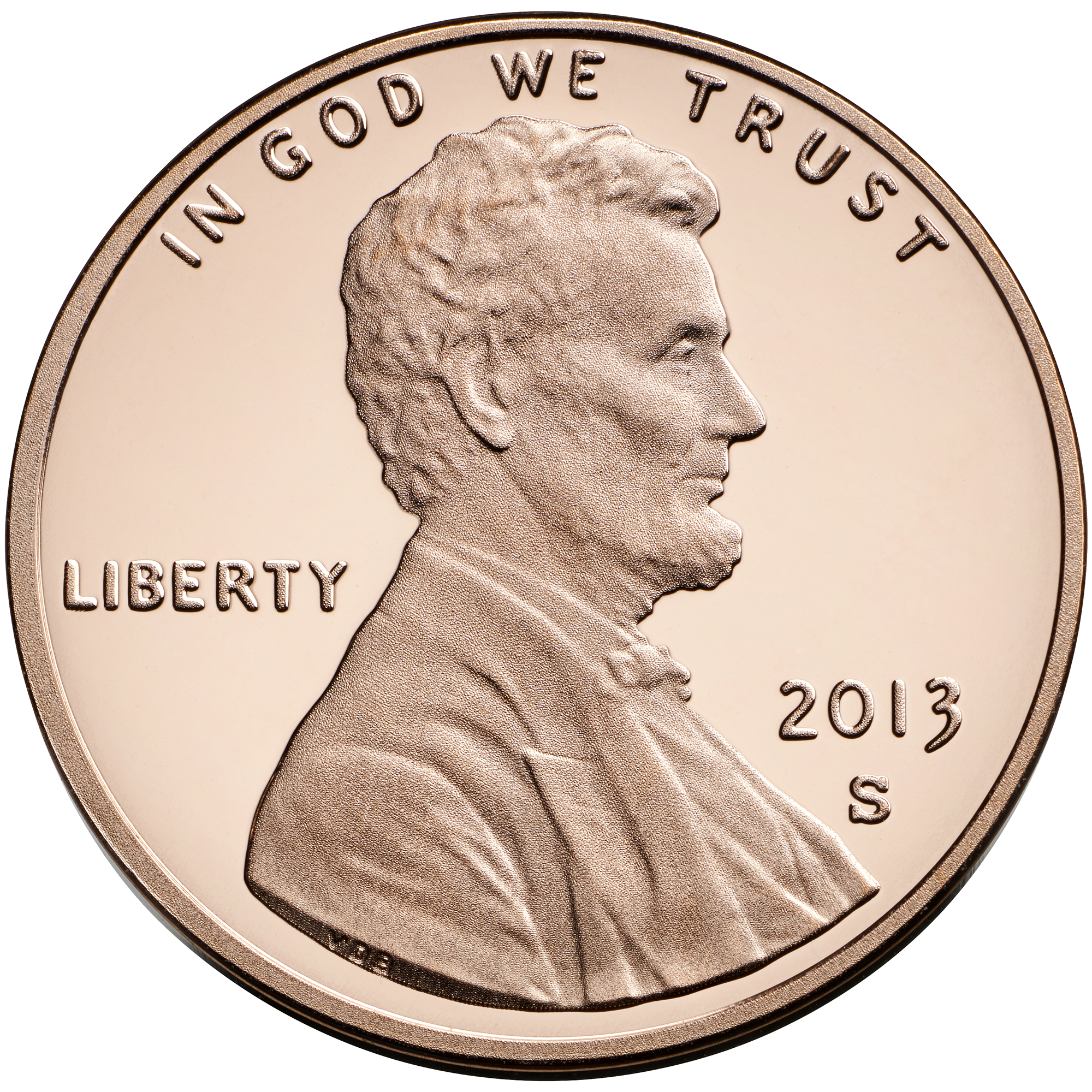
The official transition from copper to zinc-based pennies occurred in 1982. However, this was not a simple swap of one metal for another. To maintain the familiar appearance and weight of the penny, the U.S. Mint adopted a strategy of creating a copper-plated zinc core. This meant that while the outer layer of the penny remained copper, the inner core was now made of zinc. This innovation allowed the Mint to drastically reduce the amount of copper used, thereby lowering production costs significantly.
The year 1982 is therefore the watershed year. Pennies minted in the latter part of 1982 are known as “transition years” and can be either 95% copper (like earlier pennies) or have the new copper-plated zinc composition. This distinction has made these specific pennies highly sought after by collectors and numismatists. The change was implemented gradually throughout the year to manage the transition and inventory of materials. By the end of 1982, the vast majority of pennies being produced were the new copper-plated zinc variety.
The Implications of the Zinc Penny
The shift to copper-plated zinc pennies had far-reaching implications, affecting everything from the intrinsic value of the coin to its long-term durability and even its environmental impact.
Intrinsic Value and Seigniorage Revisited
The primary driver for the change was to address the issue of seigniorage. By replacing the bulk of the penny’s copper with less expensive zinc, the U.S. Mint was able to bring the production cost of a penny back below its face value. This restored profitability to the minting process, allowing the government to issue currency without incurring a direct loss on each unit. The economic principle here is straightforward: if it costs more to make a coin than it is worth, there’s a strong incentive to find a cheaper alternative. The zinc penny effectively solved this immediate problem, ensuring the continued production of the one-cent coin.
Material Science and Durability Concerns
While the copper plating provided a familiar exterior, the zinc core introduced new material science considerations. Zinc is a softer metal than copper and is more susceptible to corrosion and wear. This has led to discussions about the long-term durability of modern pennies compared to their older, fully copper counterparts. Collectors and those who handle large quantities of coins often note that newer pennies tend to show wear more quickly, with the copper plating sometimes flaking off or wearing thin, revealing the zinc underneath. This can affect the aesthetic appeal and collectibility of these coins over time.
Environmental and Recycling Considerations
The shift in materials also has environmental implications. While copper is a recyclable metal, so is zinc. The change in composition means that the recycling process for modern pennies involves recovering both metals. The increased use of zinc, a more readily available and less energy-intensive metal to extract and refine compared to copper, can be seen as a step towards more sustainable material sourcing in coinage. However, the presence of two different metals in such close proximity also presents unique challenges for efficient and complete metal recovery in recycling streams.
The Future of the Penny
The debate surrounding the penny’s continued existence is ongoing. Its diminishing purchasing power in modern economies, coupled with the costs associated with its production and distribution, has led some to advocate for its elimination. The transition to zinc was a pragmatic solution to an immediate economic problem, but it has also highlighted the evolving nature of currency and the constant need to balance cost, utility, and historical significance. As technology advances and economic conditions shift, the penny, whether copper or zinc, may face further evolutionary pressures in the years to come. The story of the penny’s transformation from copper to zinc is a potent reminder that even the most familiar aspects of our daily lives are subject to change, driven by the relentless forces of economics and innovation.
aViewFromTheCave is a participant in the Amazon Services LLC Associates Program, an affiliate advertising program designed to provide a means for sites to earn advertising fees by advertising and linking to Amazon.com. Amazon, the Amazon logo, AmazonSupply, and the AmazonSupply logo are trademarks of Amazon.com, Inc. or its affiliates. As an Amazon Associate we earn affiliate commissions from qualifying purchases.