
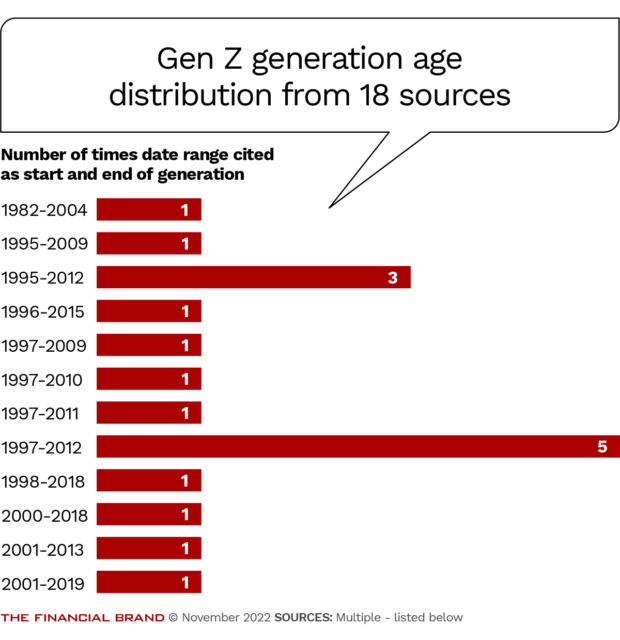
In the world of market segmentation and brand architecture, few questions carry as much weight as the definitive boundaries of a generation. For over a decade, “Millennial” was the buzzword that dominated every boardroom, creative brief, and marketing campaign. However, as the global marketplace shifts toward a multi-generational digital economy, the specific end date of the Millennial generation has become a critical pivot point for brand strategists. According to the Pew Research Center and most demographic sociologists, the Millennial generation officially ended in 1996. Those born between 1981 and 1996 constitute this influential cohort, while those born in 1997 mark the beginning of Generation Z.

For brands, this isn’t just a matter of chronological record-keeping; it is a fundamental shift in how we approach consumer psychology, visual identity, and community engagement. Understanding exactly where Millennials end—and where the “Zillennial” transition begins—is the key to crafting a brand strategy that resonates with the right audience without falling into the trap of generational stereotypes.
Defining the Demographic Threshold: Why the Cutoff Year Matters for Marketers
The year 1996 serves as a crucial boundary because it represents the final group of “Digital Pioneers”—individuals who remember a world before the internet was ubiquitous but came of age alongside the rise of social media. This shared experience creates a specific psychological profile that differs significantly from the “Digital Natives” who followed them.
The Pew Research Center Standard
The 1981–1996 range is the most widely accepted standard in corporate identity and consumer research. Strategically, this 15-year window allows brands to categorize a group that shared defining global experiences: the turn of the millennium, the 2008 financial crisis during their early career stages, and the transition from analog to digital communication. From a branding perspective, these individuals value stability, personal growth, and “curated” lifestyles. When a brand targets the “Late Millennial” (born around 1994–1996), they are speaking to a consumer who is likely establishing their peak earning years and looking for brands that offer both reliability and social status.
The Rise of the “Zillennial” Micro-Generation
While the hard cutoff is 1996, savvy brand strategists often look at the “Zillennial” micro-generation—those born between 1993 and 1998. This group sits on the cusp. They possess the career-minded focus of a Millennial but the tech-fluency and skepticism of Gen Z. For a brand, identifying this nuance is the difference between a campaign that feels “relatable” and one that feels like it’s “trying too hard.” Strategies targeting this overlap must balance the aspirational nature of Millennial marketing with the raw, unfiltered authenticity demanded by the cohorts that follow.
Shifting Brand Identity from Millennial Optimism to Gen Z Realism
Identifying the end of the Millennial era allows brands to recognize the shift in visual and emotional language. For years, the “Millennial aesthetic” defined the market: minimalism, sans-serif fonts, and the ubiquitous “Millennial Pink.” As we move past the 1996 cutoff, that identity is being replaced by a more complex, high-contrast, and realistic brand language.
Beyond Millennial Pink and Minimalism
The end of the Millennial era signaled the death of “the bland.” Early-to-mid Millennials gravitated toward clean, organized, and aspirational aesthetics (think of the early days of Instagram). However, as the generation ended and gave way to Gen Z, brand strategy had to pivot. The post-1996 consumer views excessive curation as “fake.” Brands that once relied on perfectly staged photography are now moving toward “lo-fi” content, grainy textures, and maximalist design. If your brand is still operating on a purely Millennial playbook, you risk appearing dated to the emerging market leaders.
Authenticity as a Corporate Identity
While Millennials value “purpose-driven” brands, they are often satisfied with a well-communicated mission statement and a polished corporate social responsibility (CSR) report. The transition away from the Millennial era has brought about a demand for radical transparency. For the generation that begins in 1997, a brand’s identity is not what it says on its “About Us” page, but how it behaves in the face of a crisis. This shift forces brands to move from “storytelling” to “story-living.” Your brand strategy must move beyond the curated optimism of the 90s and early 2000s into a space of accountability and real-world impact.

The Economic Transition: Adjusting Your Value Proposition
The year Millennials ended also marks a significant shift in financial behavior and consumer expectations. As the youngest Millennials approach their late 20s and oldest Millennials enter their 40s, their role in the economy has shifted from “trendsetters” to “decision-makers.”
Purchasing Power and Life Stages
Millennials are currently in the “accumulation” phase of their lives—buying homes, raising families, and investing in long-term assets. Their brand loyalty is often tied to convenience, quality, and time-saving solutions. Conversely, the generation starting in 1997 is in the “exploration” phase. When a brand asks “What year did Millennials end?”, they are really asking “When should I stop selling lifestyle dreams and start selling long-term value?” Market leaders like Nike or Apple have mastered this by offering premium, high-status products for the established Millennial while maintaining an “entry-level” edgy appeal for the post-1996 cohort.
Brand Loyalty vs. Brand Utility
Millennials were the last generation to show significant traditional brand loyalty—the idea of being a “Mac person” or a “Coke person.” As this generation ended, the concept of loyalty shifted toward utility and ethics. Post-Millennial consumers are “brand-agnostic”; they will switch to a competitor in a heartbeat if the service is faster or the company’s politics align better with their own. Branding strategies must now focus on creating “ecosystems” rather than just products. You are no longer selling a item to a Millennial; you are selling a membership into a lifestyle that must prove its worth daily.
Digital Touchpoints: How the Cutoff Changes Channel Strategy
The end of the Millennial generation coincided with a massive shift in how media is consumed. Understanding the 1996 boundary helps marketing teams allocate budgets between legacy social media and the new frontier of short-form video and decentralized platforms.
The Evolution of Social Media Consumption
Millennials are the masters of Facebook and Instagram. Their digital behavior is characterized by “the feed”—scrolling through curated updates from friends and brands. However, the end of the Millennial era was the beginning of the “algorithmic” era. For those born after 1996, the concept of a “following” is secondary to the “For You” page. Brand strategy must shift from building a static community to creating viral, participation-based content. If your brand’s primary touchpoint is a static Instagram grid, you are targeting Millennials. If your strategy involves TikTok challenges and Discord servers, you are targeting the post-Millennial world.
Mobile-First vs. Mobile-Only
While Millennials are “mobile-first,” meaning they adopted smartphones as they entered adulthood, the post-1996 cohort is “mobile-only.” This affects everything from web design to checkout processes. A brand targeting Millennials might still prioritize a robust desktop experience for complex purchases like insurance or luxury goods. A brand targeting the post-Millennial cutoff must ensure that every single interaction—from discovery to customer service—can be handled via a thumb-tap. The end of the Millennial generation marked the end of the “multi-channel” approach and the beginning of the “omni-channel” reality.
Future-Proofing Your Brand in a Post-Millennial Market
As we move further away from 1996, the definition of a Millennial will become less about age and more about a specific mindset. However, for the purpose of brand strategy, the cutoff year remains a vital tool for demographic precision. To future-proof your brand, you must recognize that the strategies that captured the Millennial heart—irony, minimalism, and digital aspiration—are being superseded by a need for truth, intensity, and decentralization.
The successful brand of the 2020s and 2030s will be one that honors the Millennial’s need for quality and narrative while embracing the post-Millennial’s demand for speed and social equity. By pinning down 1996 as the end of an era, companies can more effectively segment their messaging, ensuring they aren’t using a 2010 playbook for a 2024 consumer.
In conclusion, the question “What year did Millennials end?” is the starting point for a deeper conversation about the evolution of identity. Whether you are refining your personal brand or steering a global corporation, recognizing this 1996 boundary allows for more nuanced communication. It helps brands move away from a “one-size-fits-all” youth marketing strategy and toward a sophisticated, data-driven approach that respects the unique cultural markers of each generation. The Millennial era was a period of unprecedented digital growth; the post-Millennial era is a period of digital integration. Knowing where one ends and the other begins is the foundation of modern brand longevity.
aViewFromTheCave is a participant in the Amazon Services LLC Associates Program, an affiliate advertising program designed to provide a means for sites to earn advertising fees by advertising and linking to Amazon.com. Amazon, the Amazon logo, AmazonSupply, and the AmazonSupply logo are trademarks of Amazon.com, Inc. or its affiliates. As an Amazon Associate we earn affiliate commissions from qualifying purchases.