
In the modern economic landscape, where traditional four-year degrees are often scrutinized for their return on investment (ROI), the skilled trades have emerged as a formidable pillar of financial stability and entrepreneurial opportunity. Among these, the role of an HVAC (Heating, Ventilation, and Air Conditioning) technician stands out not just as a mechanical necessity, but as a high-margin business vertical. Understanding what an HVAC tech does requires looking past the wrenches and manifold gauges to see the underlying financial engine: a career path defined by recession-proof demand, diverse revenue streams, and a clear trajectory toward business ownership and significant wealth accumulation.
The Financial Case for a Career in HVAC
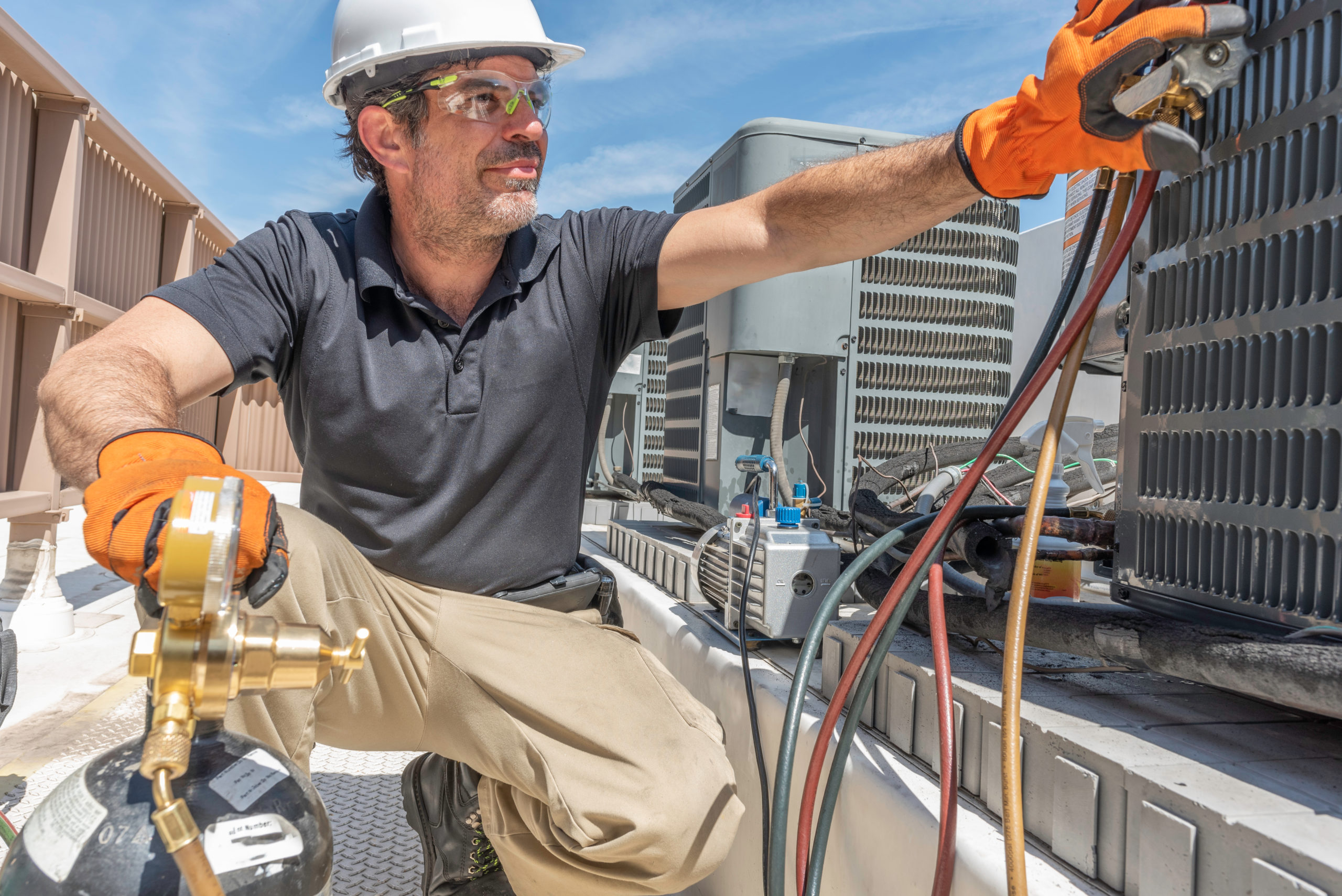
From a personal finance perspective, the decision to enter the HVAC trade is an exercise in maximizing lifetime earnings while minimizing student debt. While the primary function of an HVAC tech is to install, maintain, and repair climate control systems, the economic reality of the profession is built on the scarcity of skilled labor.
Earning Potential and Salary Trajectories
The income for an HVAC technician is highly scalable. Entry-level technicians often begin their careers with a base salary that rivals or exceeds many entry-level administrative or service-sector roles. However, the true “money play” in HVAC lies in specialization and overtime. A journey-level tech who masters commercial refrigeration, building automation systems, or high-efficiency heat pump technology can command six-figure salaries in major markets.
Furthermore, many HVAC companies employ incentive-based pay structures. Technicians are often rewarded with commissions for identifying necessary equipment upgrades or selling preventative maintenance agreements. This transforms the technician from a mere laborer into a revenue-driven consultant, aligning their personal financial success with the growth of the firm.
Comparing Trade Education ROI to Traditional Degrees
When analyzing the business finance of a career path, one must look at the cost of entry. The average cost of an HVAC certification program or trade school degree ranges from $5,000 to $15,000, and many apprentices “earn while they learn,” effectively eliminating the need for predatory student loans. Compared to the national average cost of a university education, which can easily exceed $100,000, an HVAC tech enters the workforce three to four years earlier with a positive net worth. This early start allows for the power of compound interest to work in their favor, providing a significant head start on retirement planning and real estate investment.
Navigating the Business Model of HVAC Services
To understand what an HVAC tech does, one must understand how they generate value within a business framework. The HVAC industry operates on a high-stakes service model where the cost of failure for the customer is extreme, allowing for premium pricing and robust profit margins.
Recurring Revenue through Maintenance Contracts
The most financially sound HVAC businesses do not rely solely on “break-fix” calls. Instead, they focus on Service Level Agreements (SLAs) or preventative maintenance contracts. For the technician, this means performing bi-annual inspections—cleaning coils, checking refrigerant levels, and testing electrical components. For the business, these contracts represent predictable, recurring revenue that stabilizes cash flow during shoulder seasons (spring and fall) when extreme temperatures don’t drive emergency demand. This model increases the “Lifetime Value” (LTV) of a customer, making the business more attractive to investors or potential buyers.
High-Margin Emergency Repairs and Seasonality
While maintenance provides stability, emergency repairs provide the “surge” income. During heatwaves or deep freezes, an HVAC tech becomes an essential service provider. In these scenarios, businesses can apply “after-hours” or “emergency” labor rates that are significantly higher than standard billing. The financial skill here lies in managing the “Capacity Utilization”—balancing the fleet and the workforce to capture as much of this high-margin demand as possible without burning out the staff or incurring excessive overhead.
The Capital Requirements of the HVAC Professional
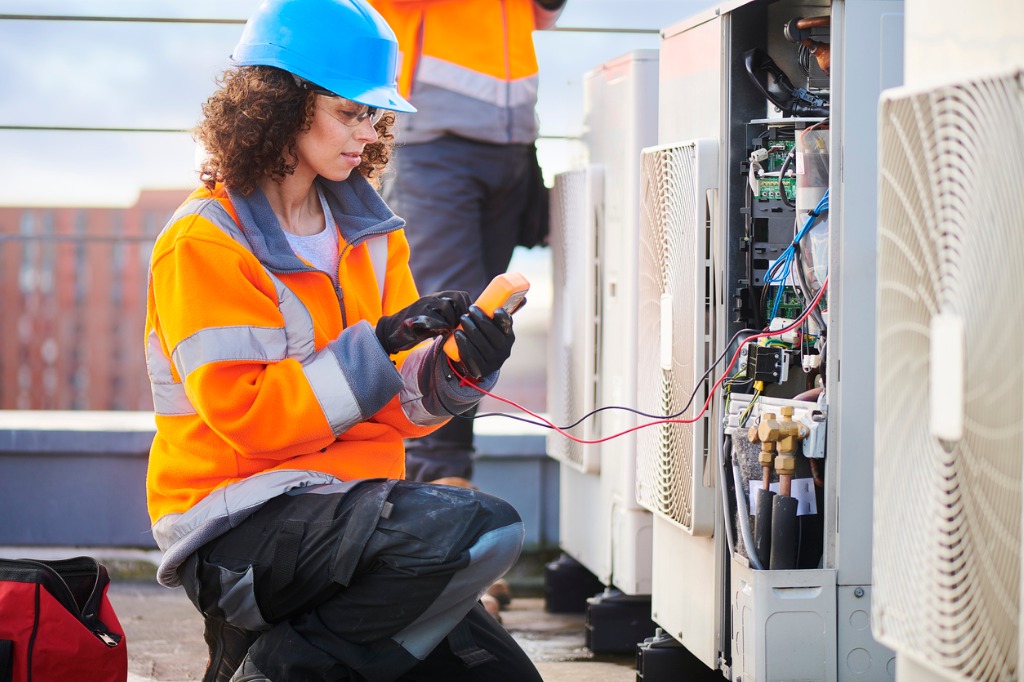
Success in this field requires more than just mechanical knowledge; it requires a strategic approach to capital expenditure (CapEx). Whether an individual is a solo contractor or part of a larger enterprise, the tools of the trade are significant financial assets.
Tools, Vehicles, and Initial Inventory
A professional HVAC tech manages an inventory of specialized equipment. This includes vacuum pumps, recovery machines, leak detectors, and high-end diagnostic tablets. From a business finance perspective, these are depreciable assets that provide tax advantages. A well-equipped van is essentially a mobile office and warehouse. For the independent contractor, the initial investment in a vehicle and tools can range from $30,000 to $60,000. Managing this debt-to-income ratio is a critical component of what a successful tech does behind the scenes to ensure long-term solvency.
Insurance, Bonding, and Liability Management
HVAC work involves high-voltage electricity, pressurized gases, and combustible fuels. Therefore, a significant part of the “business” of being a tech is risk management. This involves maintaining robust general liability insurance, workers’ compensation, and professional bonding. These costs are “fixed overhead” that must be baked into the hourly labor rate. A tech who understands the nuances of insurance and compliance is able to bid on lucrative government and commercial contracts that are off-limits to less professional “trunk-slammers” who underprice their work and ignore the financial risks.
Scaling to Success: From Solo Technician to Business Owner
The ultimate financial goal for many in the industry is the transition from “working in the business” to “working on the business.” This is where the HVAC trade transforms into a scalable corporate entity.
Profit Margins and Overhead Control
A successful HVAC business owner must master the art of the markup. Equipment—such as furnaces, air handlers, and condensers—is typically purchased at wholesale prices and sold to the consumer with a significant margin. However, the real profit is found in the labor-to-overhead ratio. Technicians must be efficient; every hour a van is sitting in traffic or a tech is searching for a part is “leakage” in the profit and loss statement. Implementing GPS tracking, specialized CRM software, and optimized routing are the tech-driven financial decisions that separate profitable firms from those that struggle.
Digital Marketing and Lead Generation Costs
In the modern market, a tech’s ability to fix a compressor is only half the battle; the other half is the “Customer Acquisition Cost” (CAC). What does an HVAC tech do in a competitive city? They engage with digital marketing strategies. Whether it’s Google Local Services Ads, SEO-optimized landing pages, or referral programs, the financial health of the business depends on a steady stream of leads. Understanding the ROI of a marketing campaign is just as vital as understanding the refrigeration cycle.
Market Trends and Future Income Opportunities
The HVAC industry is currently undergoing a massive technological and regulatory shift, creating new “Side Hustles” and specialized income streams for those who are prepared.
The Impact of Green Energy Incentives and Electrification
With the passage of various environmental legislations and the introduction of tax credits like those found in the Inflation Reduction Act, the financial landscape for HVAC has changed. Technicians are now “Energy Consultants.” They help homeowners navigate federal tax credits and state rebates for installing high-efficiency heat pumps and dual-fuel systems. By positioning themselves as experts in “Green Finance,” HVAC techs can close larger deals (often $15,000 to $25,000 per installation) because the net cost to the consumer is offset by government incentives.
Building a Saleable Business Asset
Unlike many white-collar “side hustles” that vanish when the individual stops working, an HVAC business is a tangible asset with an “Exit Value.” Private equity firms are currently aggressively acquiring local HVAC companies at high multiples of EBITDA (Earnings Before Interest, Taxes, Depreciation, and Amortization). This means that a technician who spends 10 to 15 years building a reputable brand, a loyal customer base, and a fleet of organized technicians can eventually sell their business for a multi-million dollar payout. This “liquidity event” is the ultimate reward for the years spent in attics and crawlspaces.
In summary, when asking “what does an HVAC tech do,” the answer goes far beyond mechanical repair. An HVAC professional is a vital player in the local economy, a manager of sophisticated capital assets, a consultant on energy finance, and a builder of saleable business equity. For those with a mind for money and a drive for technical excellence, the HVAC trade offers one of the most reliable paths to financial independence in the modern era.
aViewFromTheCave is a participant in the Amazon Services LLC Associates Program, an affiliate advertising program designed to provide a means for sites to earn advertising fees by advertising and linking to Amazon.com. Amazon, the Amazon logo, AmazonSupply, and the AmazonSupply logo are trademarks of Amazon.com, Inc. or its affiliates. As an Amazon Associate we earn affiliate commissions from qualifying purchases.