
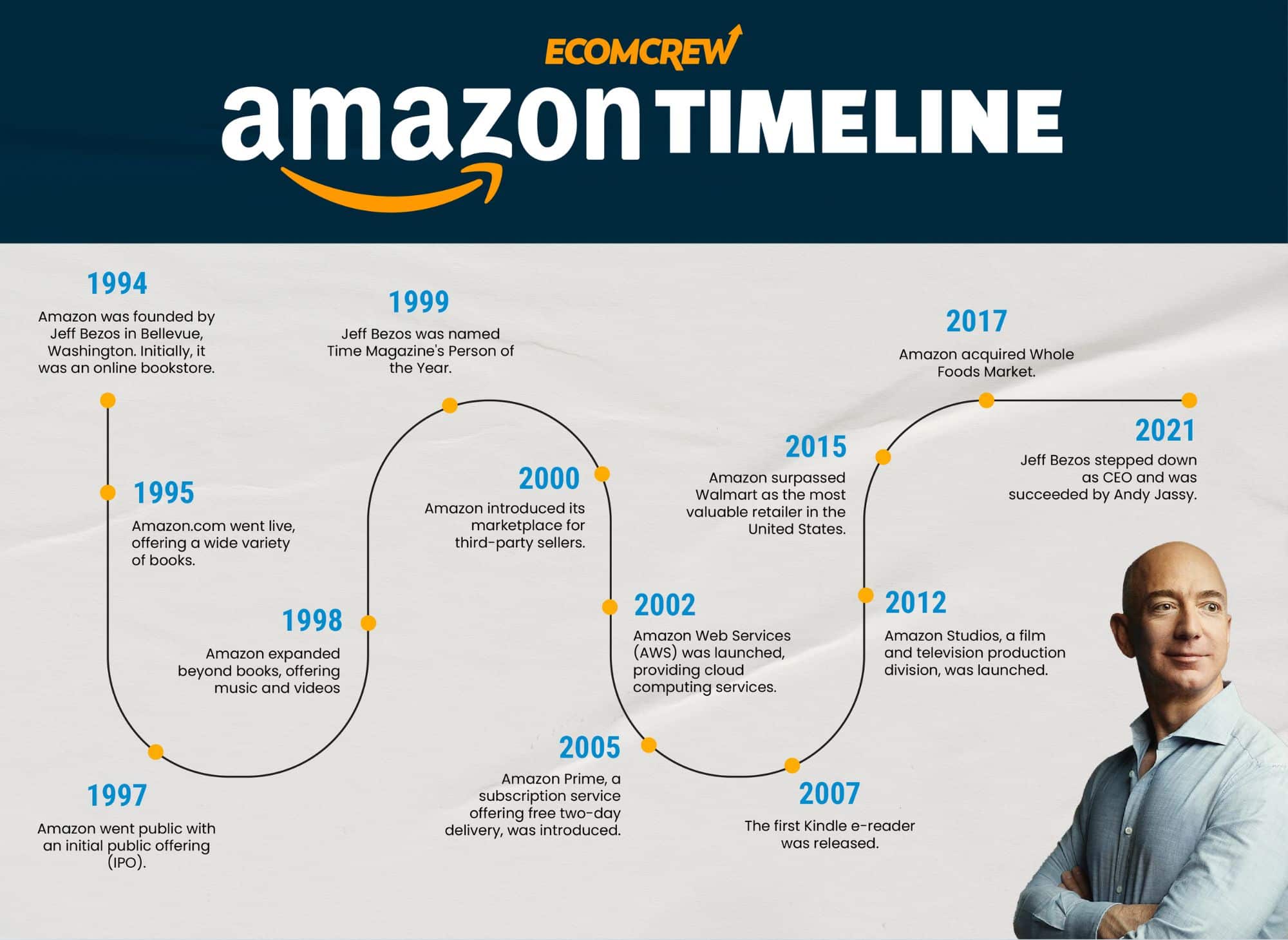
In the annals of corporate history, few dates are as significant as July 5, 1994. This was the year that Amazon—now a ubiquitous force in global commerce—was officially incorporated. While many recognize the name as a synonym for e-commerce, the brand’s journey from a modest garage startup in Bellevue, Washington, to a multi-trillion-dollar ecosystem is a masterclass in brand strategy, visionary identity, and the relentless pursuit of market disruption.
To understand why Amazon dominates today, one must look back at its inception in 1994 and analyze how Jeff Bezos meticulously crafted a brand identity that was never intended to stay confined to the pages of a book.
The Strategic Architecture of 1994: Naming and Vision
When Jeff Bezos founded the company in 1994, the digital landscape was a “Wild West” of untapped potential. However, the brand we know today almost didn’t carry its famous moniker. Bezos initially incorporated the company as “Cadabra, Inc.,” but a lawyer’s misinterpretation of the name as “cadaver” prompted a swift rebranding. This early pivot highlights a core tenet of brand strategy: the importance of phonetics, clarity, and perception.
From Cadabra to the Amazon River
The selection of the name “Amazon” was a calculated strategic move. Bezos perused a dictionary for names starting with “A” to ensure the company would appear at the top of alphabetized website directories—a crucial SEO tactic of the mid-90s. Beyond the alphabet, the Amazon River represented the scale Bezos envisioned. As the largest river in the world by volume, it served as a metaphor for a brand that would house the world’s largest selection of products. The brand identity was built on the concept of “scale” before the company had even sold its first book.
The Bookstore as a Trojan Horse
In 1994, Bezos didn’t just want to sell books; he chose books as the most logical entry point for a much larger brand strategy. Books were easy to ship, difficult to damage, and had a universal appeal. By positioning Amazon initially as “Earth’s Biggest Bookstore,” the brand established a niche authority. This helped build consumer trust—a vital component of corporate identity in an era when people were still hesitant to put credit card information online.
The Evolution of Identity: Beyond the Digital Bookshelf
As the late 90s transitioned into the new millennium, the year Amazon started became a distant memory as the company rapidly expanded its brand architecture. The transition from a specialty retailer to a generalist “Everything Store” required a significant shift in brand perception.
The “A to Z” Visual Identity
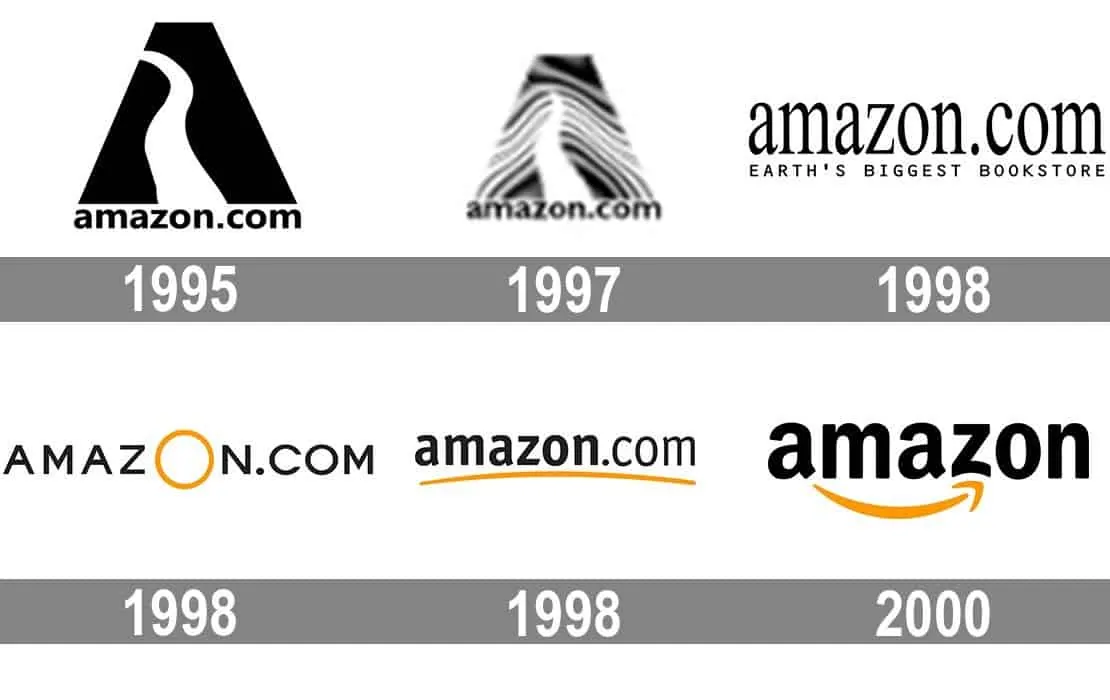
In 2000, Amazon introduced its iconic “Smile” logo, which remains a cornerstone of its corporate identity. The arrow connecting the ‘A’ to the ‘Z’ serves two strategic purposes. First, it symbolizes that the brand carries every product imaginable (from A to Z). Second, the arrow forms a smile, reinforcing the brand’s obsession with customer satisfaction. This visual shorthand transformed Amazon from a functional utility into a friendly, approachable household name.
The Philosophy of “Day 1”
A defining element of the Amazon brand is the “Day 1” philosophy, a term coined by Bezos to describe the company’s internal culture. Even decades after its 1994 start, the brand maintains the agility and risk-taking spirit of a startup. From a brand strategy perspective, this prevents the “Day 2” stasis—the bureaucratic decline that often plagues legacy corporations. By branding itself as an eternal innovator, Amazon ensures that its corporate identity is synonymous with the future, rather than the past.
Scaling the Brand Through Ecosystem Loyalty: Prime and AWS
By the mid-2000s, Amazon’s brand strategy shifted from transactional to relational. The goal was no longer just to sell an item, but to become an indispensable part of the consumer’s daily life. This was achieved through the masterstrokes of Amazon Prime and Amazon Web Services (AWS).
Amazon Prime: The Gold Standard of Brand Loyalty
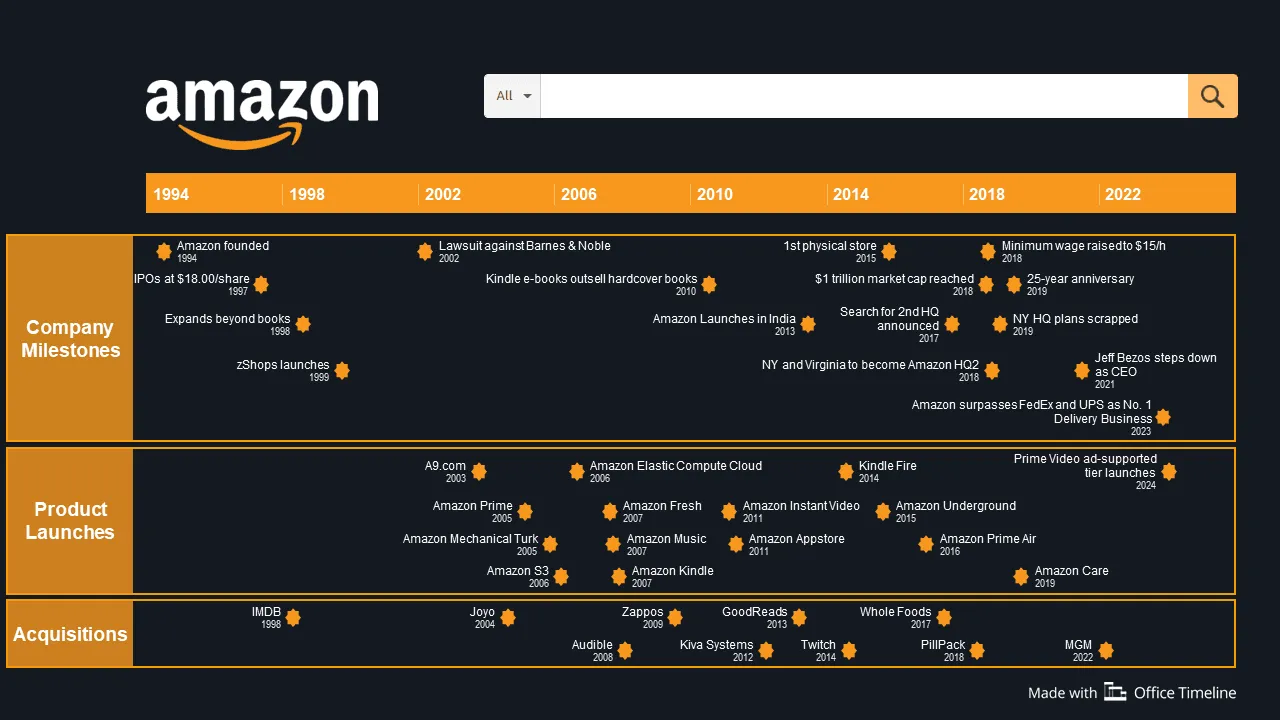
Launched in 2005, Amazon Prime was a radical branding experiment. By asking customers to pay an upfront fee for “free” shipping, Amazon flipped the traditional retail model on its head. This move wasn’t just about logistics; it was about building a psychological “moat” around the brand. Prime members began to view Amazon not as a choice, but as a default. The brand became a lifestyle service, encompassing entertainment, grocery delivery, and logistics, thereby deepening the brand’s footprint in the domestic sphere.
AWS and the Pivot to B2B Authority
While the consumer-facing brand was thriving, Amazon was quietly building a corporate identity in the tech infrastructure space. Amazon Web Services (AWS) launched in 2006, leveraging the company’s internal expertise in data management. This move successfully rebranded Amazon from a mere “online store” to a foundational pillar of the modern internet. Today, the Amazon brand stands for both consumer convenience and industrial-grade reliability, a rare dual identity that few corporations have managed to achieve.
The Modern Amazon Ecosystem: Lessons in Brand Resilience
Reflecting on the year Amazon started—1994—allows us to see the trajectory of a brand that has survived the dot-com bubble, global recessions, and shifting consumer sentiments. The modern Amazon brand is now an ecosystem of acquisitions and proprietary innovations that continue to redefine market standards.
Strategic Acquisitions and Brand Integration
Amazon’s acquisition strategy—including Whole Foods Market, MGM, and Ring—demonstrates a sophisticated approach to brand expansion. Rather than forcing every acquisition to adopt the Amazon name immediately, the company often allows these brands to retain their unique identities while integrating Amazon’s logistical “smile” behind the scenes. This preserves the niche brand equity of the acquired companies while expanding Amazon’s overall reach into high-end groceries and Hollywood entertainment.
Navigating the Challenges of Dominance
With great scale comes great scrutiny. In recent years, the Amazon brand has had to navigate complex narratives regarding market dominance and corporate responsibility. The brand strategy has shifted toward highlighting sustainability efforts, such as “The Climate Pledge,” and emphasizing small business partnerships on its platform. This evolution shows that a brand started in 1994 must continually re-examine its corporate social identity to remain relevant and respected in a socially conscious market.
Conclusion: The Legacy of a Garage Startup
What year did Amazon start? 1994 was the spark, but the fire has been fueled by thirty years of meticulous brand positioning and a refusal to settle for a single identity. Amazon did not become a global powerhouse by accident. It succeeded because it understood that a brand is not a logo or a product—it is a promise of consistent value and relentless innovation.
From the first book sold in 1995 to the drone deliveries of today, the Amazon brand remains a testament to the power of long-term strategic thinking. By starting with the “A to Z” vision and maintaining a “Day 1” mentality, the company transformed from a small-scale experiment into the most influential brand architecture of the 21st century. As we look toward the future, the lessons from Amazon’s founding year continue to serve as a blueprint for any brand aspiring to change the world.
aViewFromTheCave is a participant in the Amazon Services LLC Associates Program, an affiliate advertising program designed to provide a means for sites to earn advertising fees by advertising and linking to Amazon.com. Amazon, the Amazon logo, AmazonSupply, and the AmazonSupply logo are trademarks of Amazon.com, Inc. or its affiliates. As an Amazon Associate we earn affiliate commissions from qualifying purchases.