
The name “Amazon” conjures images of a global retail behemoth, a digital marketplace offering virtually anything one could desire, delivered with remarkable speed. Yet, the genesis of this titan was far humbler, rooted in a specific niche that laid the groundwork for its eventual dominance. Understanding Amazon’s original offering is not just an exercise in historical curiosity; it’s a crucial case study in brand strategy, revealing the power of focused beginnings, customer obsession, and a relentless vision for expansion. This article delves into what Amazon originally sold, examining the strategic choices that shaped its nascent identity and paved the way for its transformative impact on commerce.

The Humble Beginnings: A Bookseller’s Dream
Amazon’s story begins not with a bang, but with the quiet turning of pages. Jeff Bezos, an ambitious entrepreneur with a keen eye for the burgeoning potential of the internet, identified a particular market segment that was ripe for digital disruption. The book industry, characterized by vast inventories, fragmented retailers, and a lack of readily accessible comprehensive catalogs, presented an ideal entry point.
The “Earth’s Biggest Bookstore” Vision
In 1994, when Amazon.com was launched, its sole focus was on selling books. Bezos’s audacious vision was to create “Earth’s Biggest Bookstore,” a digital repository that would dwarf any physical establishment. This ambition was not merely about scale; it was about reimagining the book-buying experience.
Addressing the Limitations of Physical Retail
Traditional bookstores, while charming, were inherently limited by shelf space. Customers often faced the disappointment of not finding a particular title, especially niche or out-of-print works. Bezos recognized that the internet’s boundless nature could overcome these physical constraints. By leveraging online infrastructure, Amazon could offer an unparalleled selection, making any book, anywhere, accessible to anyone with an internet connection.
The Strategic Advantage of a Focused Product
Choosing books as the initial product was a masterstroke of brand strategy.
- Low Barrier to Entry: Books are relatively standardized, making them easy to catalog and ship. Their physical size and weight are manageable, reducing logistical complexities for a nascent e-commerce operation.
- High Repeat Purchase Potential: Avid readers are a loyal customer base, and the nature of reading often leads to repeated purchases. This fostered a recurring revenue stream, essential for early-stage growth.
- Data Richness: Books have ISBNs, authors, publishers, and genres – a wealth of metadata that could be used to understand customer preferences and build sophisticated recommendation engines, a cornerstone of Amazon’s future success.
- Cultural Significance: Books hold significant cultural value and appeal to a broad demographic, providing a solid foundation for building a diverse customer base.
Bezos famously wrote a memo to his employees outlining 45 potential products he considered selling online, including CDs, hardware, software, and clothing. However, books stood out due to the factors mentioned above. This deliberate decision to start narrow and deep allowed Amazon to hone its operational processes, build its technological infrastructure, and establish a reputation within a specific market before diversifying.
The Early Customer Experience: Building Trust and Loyalty
In the nascent days of e-commerce, customer trust was a significant hurdle. Online transactions were viewed with skepticism, and the concept of receiving goods ordered from a virtual storefront was novel. Amazon’s early success was heavily dependent on its ability to build confidence with its customers.
Ease of Ordering and Reliable Delivery
Amazon focused on creating a seamless and intuitive ordering process. The website was designed for simplicity, allowing users to search for books, read reviews, and complete purchases with minimal friction. Crucially, they prioritized reliable delivery. This meant investing in logistics and partnerships to ensure that books arrived on time and in good condition, a fundamental aspect of customer satisfaction that Amazon has consistently prioritized.
The Power of Reviews and Recommendations
Even in its early stages, Amazon recognized the power of community and social proof. They were pioneers in allowing customers to leave reviews for books. This feature served multiple purposes:
- Enhanced Product Discovery: Reviews provided valuable insights for potential buyers, helping them make informed purchasing decisions.
- Increased Engagement: It fostered a sense of community among book lovers, turning the platform into more than just a transactional space.
- Valuable Feedback for Amazon: Customer reviews provided direct feedback on books, which could inform future purchasing decisions and inventory management.

Furthermore, Amazon began to develop rudimentary recommendation systems based on purchase history and browsing behavior. This proactive approach to helping customers discover new titles, even within the limited scope of books, was a precursor to the sophisticated personalization engines that now define the Amazon experience. This focus on personalized discovery, rooted in the initial book offerings, was a key differentiator.
From Books to Everything: The Strategic Expansion of the Brand
The success achieved with books provided Amazon with a robust foundation of operational expertise, technological capability, and a loyal customer base. This allowed Bezos to execute his ambitious plan of expanding the product catalog, carefully leveraging the lessons learned from the book business.
The “Everything Store” Evolution
The transition from a dedicated bookseller to the “Everything Store” was a gradual and strategic process, marked by a deliberate expansion into adjacent categories.
Leveraging Existing Infrastructure and Expertise
- Customer Data Insights: The vast amount of data collected on book purchases and customer behavior provided invaluable insights into consumer preferences and buying patterns. This data informed decisions about which new product categories to enter and what inventory to stock.
- Logistical Proficiency: The experience gained in warehousing, order fulfillment, and shipping books translated directly to the efficient handling of other product types. Amazon’s early investment in a centralized fulfillment center was a significant advantage.
- Brand Recognition and Trust: By the time Amazon began to diversify, it had already established itself as a trusted online retailer. This pre-existing brand equity made customers more willing to purchase other items from the platform.
Gradual Diversification: A Calculated Approach
Amazon didn’t attempt to sell everything overnight. The expansion was methodical:
- Music and Videos (1998): These were logical extensions, as they shared similarities with books in terms of being media products with established distribution channels and a defined customer base.
- Electronics (1999): This marked a significant step into a more complex product category, requiring different logistical considerations and a focus on product specifications and warranties.
- Toys, Home Improvement, and Health & Beauty (2000 onwards): Each new category brought new challenges and opportunities, but Amazon’s adaptable infrastructure and data-driven approach allowed for successful integration.
This phased approach allowed Amazon to learn, adapt, and refine its operations for each new product category. It demonstrated a core principle of its brand strategy: measure twice, cut once. Each expansion was informed by market research, customer demand, and an assessment of operational feasibility.
The Enduring Principles: Customer Obsession and Long-Term Vision
While the product catalog expanded dramatically, the core principles that guided Amazon’s initial foray into selling books remained central to its growth and brand identity.
Customer Obsession as a North Star
Jeff Bezos famously coined the term “customer obsession,” and this guiding principle was evident from the very beginning. The focus wasn’t just on selling products but on creating a superior customer experience.
- Easy Returns: A liberal return policy, often challenging for traditional retailers, was implemented to build trust and reduce purchase anxiety.
- Fast and Reliable Shipping: The relentless pursuit of faster and more reliable delivery options, culminating in Prime, became a hallmark of the brand.
- Personalized Recommendations: The sophisticated recommendation engines, which began with books, evolved to cover the entire catalog, making customers feel understood and valued.
The Long-Term Vision: A Constant Evolution
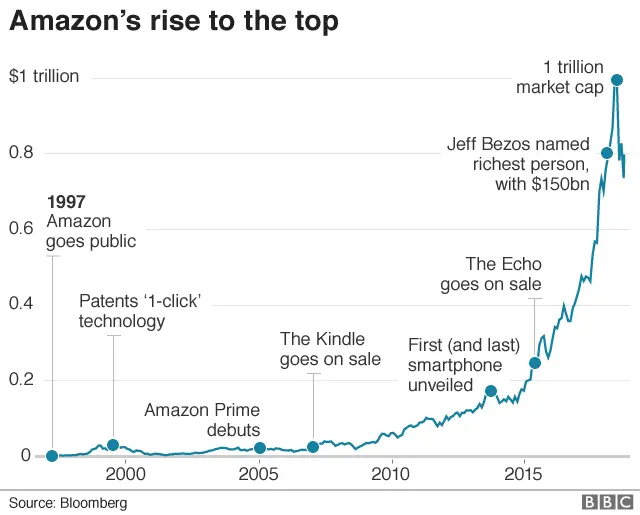
Amazon’s journey from a bookseller to a global conglomerate is a testament to its unwavering long-term vision. Bezos was not content with simply being the biggest bookstore; he envisioned a company that would redefine commerce itself. This long-term perspective allowed for strategic investments in areas that might not have immediate returns but promised significant future growth, such as cloud computing (AWS) and artificial intelligence. The initial focus on books provided the necessary financial stability and operational expertise to fund these ambitious future ventures.
In essence, what Amazon originally sold – books – was not just a product but a gateway. It was the chosen vehicle for testing and proving a revolutionary business model, one built on technological innovation, operational excellence, and an unshakeable commitment to the customer. This foundational understanding of its origins offers profound insights into the enduring power of strategic focus and customer-centricity in building a truly transformative brand.
aViewFromTheCave is a participant in the Amazon Services LLC Associates Program, an affiliate advertising program designed to provide a means for sites to earn advertising fees by advertising and linking to Amazon.com. Amazon, the Amazon logo, AmazonSupply, and the AmazonSupply logo are trademarks of Amazon.com, Inc. or its affiliates. As an Amazon Associate we earn affiliate commissions from qualifying purchases.