
The year Amazon started is more than just a date; it marks the genesis of one of the world’s most influential and ubiquitous brands. Born from a simple idea in the nascent days of the internet, Amazon has evolved from an online bookstore into a sprawling global enterprise, fundamentally reshaping retail, technology, and consumer expectations. Understanding its founding year provides a crucial lens through which to analyze its brand strategy, its unwavering commitment to customer obsession, and its relentless pursuit of innovation that has cemented its position as a household name synonymous with convenience, choice, and technological prowess. This exploration will delve into the pivotal moments of Amazon’s early days, tracing how its brand identity was meticulously crafted, expanded, and fortified over decades.
The Incubation of an E-commerce Giant (1994-1995)
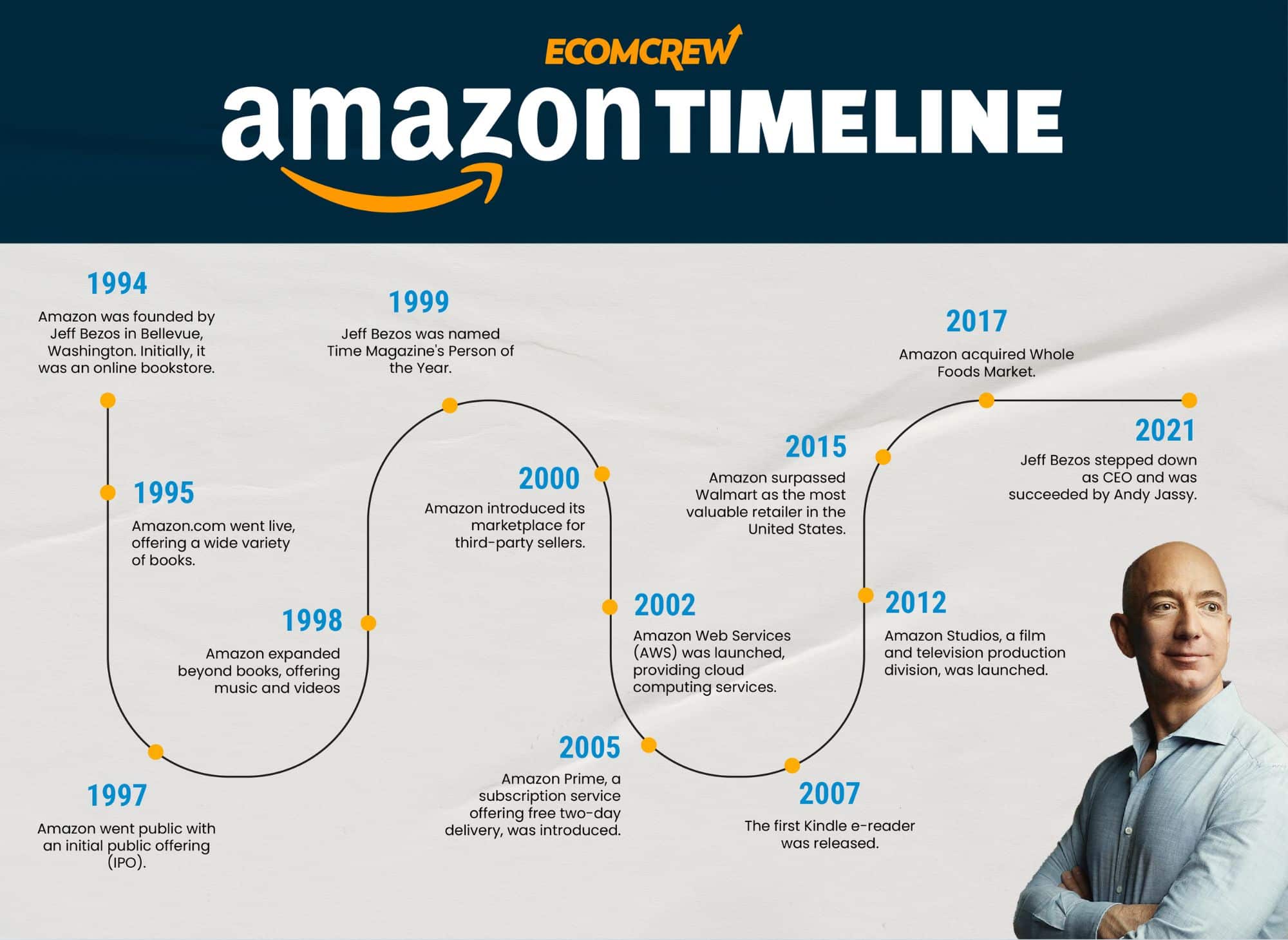
Amazon, the company that would redefine commerce, was founded in 1994. However, its public launch didn’t occur until July 1995. This initial incubation period was critical, laying the groundwork for a brand that would eventually dominate multiple sectors. The vision, the name, and the initial product offering were all carefully considered steps in building a corporate identity designed for long-term success.
The Visionary Founder: Jeff Bezos’s Leap of Faith
The story of Amazon truly begins with its visionary founder, Jeff Bezos. A highly successful hedge fund executive, Bezos recognized the transformative potential of the internet in the early 1990s. He famously identified a list of 20 products that could be sold effectively online, with books emerging as the most promising. His decision to leave a lucrative career on Wall Street to pursue this nascent opportunity in Seattle, far from the Silicon Valley hype, was a bold leap of faith. This foundational risk-taking and forward-thinking ethos became an intrinsic part of Amazon’s brand DNA – a company unafraid to experiment, pivot, and challenge established norms. Bezos’s early conviction that the internet would grow exponentially and disrupt traditional retail was the driving force behind Amazon’s inception, shaping its brand narrative as a pioneer and a disruptor from day one.
From “Cadabra” to Amazon: Naming a Future Empire
The choice of a company name is a fundamental aspect of brand strategy, and Amazon’s journey to its iconic name is a testament to the importance of this decision. Initially, Jeff Bezos considered names like “Cadabra” (as in abracadabra) and “Relentless.” The former was quickly dropped due to concerns about mispronunciation and its association with “cadaver.” The latter, “Relentless.com,” still redirects to Amazon, subtly hinting at the company’s enduring ethos. Ultimately, Bezos settled on “Amazon,” inspired by the Amazon River, the largest river in the world. This name resonated with his ambition for the company to become the world’s largest online store, offering an immense selection. The deliberate choice of a name that evoked vastness and endless possibilities was a masterful branding stroke, pre-emptively positioning Amazon for global scale and diverse offerings even when it only sold books. It was a name that could grow with the company, avoiding the limitations of a niche-specific or overly technical moniker.
Initial Offerings: Books as the Gateway Product
While Bezos envisioned a future where Amazon sold everything, he understood the strategic importance of starting with a single, manageable product category. Books were an ideal choice for several reasons, making them a perfect initial brand offering. They are universally appealing, easily shippable, and come in a vast variety, allowing for an expansive online catalog impossible for physical stores to match. By focusing on books, Amazon could establish its operational efficiency, refine its customer service, and build trust with early internet adopters. This initial specialization allowed Amazon to hone its brand promise: unmatched selection and convenience. The success in the book market laid the credibility foundation for its future expansion, proving the viability of online retail and signaling to consumers that Amazon was a reliable source, regardless of the product. This focused start was a key strategic decision that enabled the brand to establish itself before tackling broader categories.
Forging an Unstoppable Brand Identity (Late 1990s – Early 2000s)
After its initial launch, Amazon quickly moved beyond its bookstore roots, but its core brand identity remained firmly rooted in a few fundamental principles. The late 1990s and early 2000s were pivotal years for Amazon in solidifying its brand message and expanding its influence, showcasing a rapid diversification strategy balanced with an unwavering customer focus.
Customer Obsession: The Core Pillar of Amazon’s Brand
From its earliest days, Jeff Bezos instilled a philosophy of “customer obsession” that would become the bedrock of Amazon’s brand. This wasn’t merely a slogan; it was a deeply embedded operational principle that guided every decision, from website design to logistics and returns policies. Amazon invested heavily in user-friendly interfaces, personalized recommendations, one-click ordering, and ultimately, free shipping (through Prime). The brand cultivated an image of prioritizing the customer above all else, often at the expense of short-term profits. This relentless focus on customer satisfaction – anticipating needs, simplifying processes, and resolving issues promptly – built immense trust and loyalty. It transformed Amazon from a mere retailer into a reliable partner for consumers, a crucial factor in cementing its brand strength in a crowded and evolving marketplace. This foundational commitment to the customer remains a distinguishing feature of the Amazon brand to this day.
Diversification and Expansion: Beyond Books
The brand strategy from “bookseller” to “everything store” was swift and deliberate. By 1998, Amazon had expanded into music and video, and soon after, electronics, toys, home improvement, and more. This rapid diversification showcased Amazon’s ambition and its ability to scale its operational model across diverse product categories. Each new category brought new challenges, but Amazon’s brand promise of vast selection, competitive pricing, and efficient delivery remained consistent. This expansion wasn’t just about selling more products; it was about building a brand that was indispensable, a single destination for virtually any consumer need. The ability to seamlessly integrate new product lines under the unified Amazon brand demonstrated the power and flexibility of its corporate identity, positioning it as the go-to online retailer for an ever-growing array of goods.
The Iconic Logo: Simplicity and the A-to-Z Promise
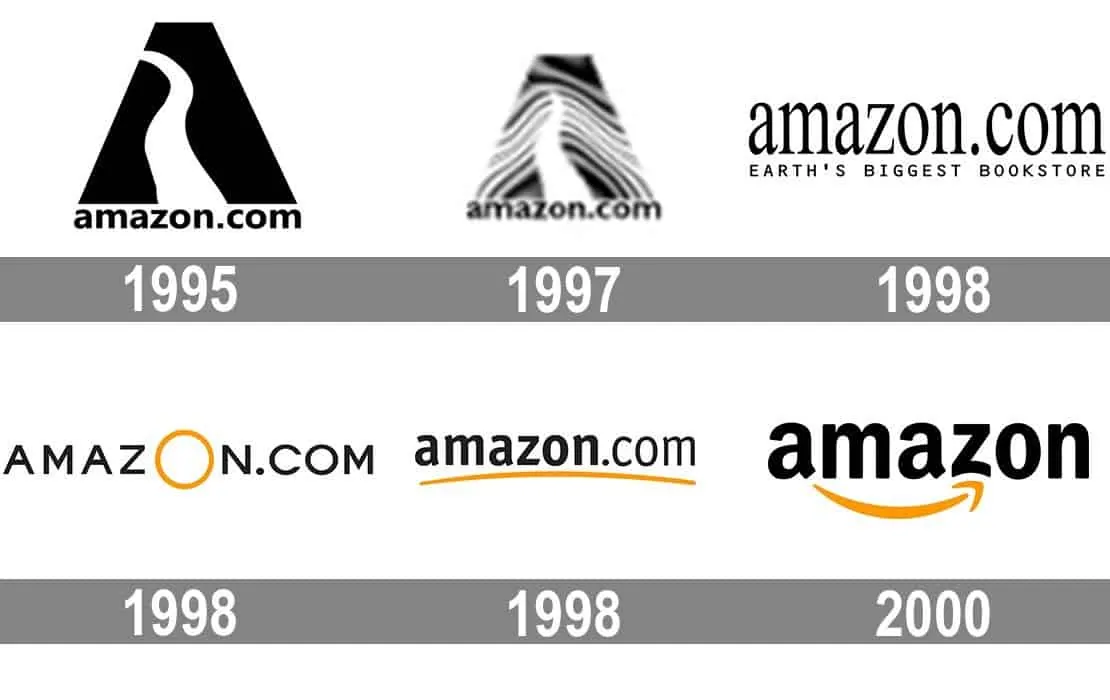
The Amazon logo is a masterclass in effective brand design, embodying simplicity while conveying profound meaning. Introduced in 2000, the logo features the company name in straightforward black lettering with a distinctive orange arrow curving from the ‘a’ to the ‘z’ underneath. This seemingly simple arrow communicates two critical aspects of the Amazon brand. First, it symbolizes a smile, reinforcing the brand’s commitment to customer satisfaction and happiness. Second, and perhaps more importantly, the arrow connecting ‘a’ to ‘z’ visually represents the company’s vast selection – the promise that Amazon sells “everything from A to Z.” This logo became instantly recognizable worldwide, a powerful visual shorthand for the company’s core values and expansive offerings. Its enduring design reflects a timeless quality, avoiding trends and focusing instead on clear, concise communication of the brand’s promise.
Scaling Brand Reach and Trust (Mid-2000s – 2010s)
As Amazon matured, its brand strategy evolved from merely expanding product categories to building an interconnected ecosystem designed to deepen customer loyalty and create new revenue streams. This era saw the introduction of services that would fundamentally alter Amazon’s identity, extending its reach beyond pure retail.
Amazon Prime: Cultivating Loyalty and Value
The launch of Amazon Prime in 2005 was a monumental turning point for the brand. Offering unlimited free two-day shipping for an annual fee, Prime transformed the perception of Amazon from a transactional website into a membership-based service. It was a brilliant move to cultivate deep customer loyalty and increase purchase frequency. Prime members, who initially joined for shipping, soon gained access to a growing suite of benefits, including Prime Video, Prime Music, exclusive deals, and more. Prime became a brand within a brand, symbolizing premium service, unparalleled convenience, and exceptional value. It successfully locked customers into the Amazon ecosystem, creating a powerful network effect that bolstered the core retail brand and made Amazon an indispensable part of daily life for millions globally. Prime elevated Amazon’s brand beyond mere functionality to an aspirational lifestyle choice.
Cloud Computing (AWS): A B2B Brand Revolution
Perhaps one of Amazon’s most surprising and impactful brand expansions was its foray into cloud computing with Amazon Web Services (AWS). Launched in 2006, AWS initially provided infrastructure services to other businesses. What began as an internal solution for Amazon’s own IT needs quickly became the undisputed leader in the cloud computing market. AWS demonstrated Amazon’s capacity to innovate far beyond retail, establishing itself as a dominant force in enterprise technology. This venture showcased a different facet of the Amazon brand – one built on reliability, scalability, and cutting-edge technological infrastructure, rather than consumer-facing convenience. AWS successfully created a powerful B2B brand known for its robust services, enabling countless startups and large corporations alike to build and scale their operations. It proved Amazon was not just a retailer but a foundational technology provider.
Innovation and Disruption: Kindle, Alexa, and the Ecosystem Play
Amazon’s brand narrative is deeply interwoven with its relentless pursuit of innovation. The introduction of the Kindle e-reader in 2007 disrupted the publishing industry, positioning Amazon not just as a bookseller but as a platform for digital content consumption. This was followed by the groundbreaking launch of Alexa and the Echo smart speakers in 2014, which brought artificial intelligence into the home and established Amazon as a leader in ambient computing. These innovations were not isolated products; they were strategic extensions of the Amazon brand, designed to create a comprehensive, interconnected ecosystem. Each new device and service reinforced Amazon’s image as a forward-thinking, user-centric company that consistently sought to simplify and enrich consumers’ lives. This ability to continuously innovate and seamlessly integrate new technologies into its brand portfolio cemented Amazon’s reputation as a multifaceted technology and lifestyle brand.
Navigating Modern Brand Challenges and Future Horizons
As Amazon continues its relentless growth, its brand faces new challenges and opportunities, requiring continuous adaptation and strategic foresight. Maintaining its core values while addressing societal shifts and expanding its global footprint defines its ongoing brand journey.
Public Perception and Corporate Responsibility
With immense scale comes increased scrutiny, and Amazon’s brand has not been immune to challenges regarding public perception. Issues surrounding worker conditions, environmental impact, and market dominance have increasingly come under the spotlight. For a brand built on customer trust, addressing these concerns with transparency and proactive initiatives is crucial. Amazon has responded by investing in sustainable practices, announcing initiatives for carbon neutrality, and implementing programs for employee development. The brand’s ability to navigate these complex societal expectations and demonstrate genuine corporate responsibility will be vital for its long-term brand equity. Moving forward, Amazon’s brand strength will increasingly be measured not just by its convenience and selection, but by its ethical footprint and contribution to a sustainable future.
Global Footprint and Localized Branding
Amazon’s global expansion has been a defining characteristic of its growth, but it requires a nuanced approach to branding. While the core “customer obsession” remains universal, successful global branding demands an understanding of local cultures, preferences, and regulatory environments. Amazon has adapted its services, product selections, and even its marketing strategies to resonate with diverse international markets, from India to Germany to Brazil. This localized branding ensures that Amazon’s convenience and value proposition are tailored to specific regional needs, fostering trust and relevance in different parts of the world. The challenge lies in maintaining a consistent global brand identity while allowing for enough flexibility to be locally meaningful, a tightrope walk that Amazon continuously manages with varying degrees of success.

The Enduring Power of the Amazon Brand
Despite its vast size and the occasional controversies, the Amazon brand remains one of the most powerful and recognized globally. Its enduring strength lies in its ability to consistently deliver on its core promise of customer satisfaction, vast selection, and unparalleled convenience, while simultaneously innovating across diverse sectors. From its humble beginnings as an online bookseller in 1994, Amazon has meticulously built a brand synonymous with progress, disruption, and an almost prescient understanding of consumer needs. Its future will undoubtedly involve further technological advancements, deeper integration into daily life, and continued navigation of complex societal expectations. Yet, the foundational principles established by Jeff Bezos at its inception — an obsession with the customer, a willingness to take risks, and a relentless pursuit of long-term vision — will continue to be the pillars upon which the enduring power of the Amazon brand rests.
In conclusion, the year Amazon started – 1994 – marks not just a historical date but the ignition point for a brand that has consistently defied expectations and redefined industries. Its journey from a nascent online bookstore to a global powerhouse is a powerful case study in strategic brand development, proving that a clear vision, unwavering customer focus, and continuous innovation are the true architects of lasting brand success.
aViewFromTheCave is a participant in the Amazon Services LLC Associates Program, an affiliate advertising program designed to provide a means for sites to earn advertising fees by advertising and linking to Amazon.com. Amazon, the Amazon logo, AmazonSupply, and the AmazonSupply logo are trademarks of Amazon.com, Inc. or its affiliates. As an Amazon Associate we earn affiliate commissions from qualifying purchases.