
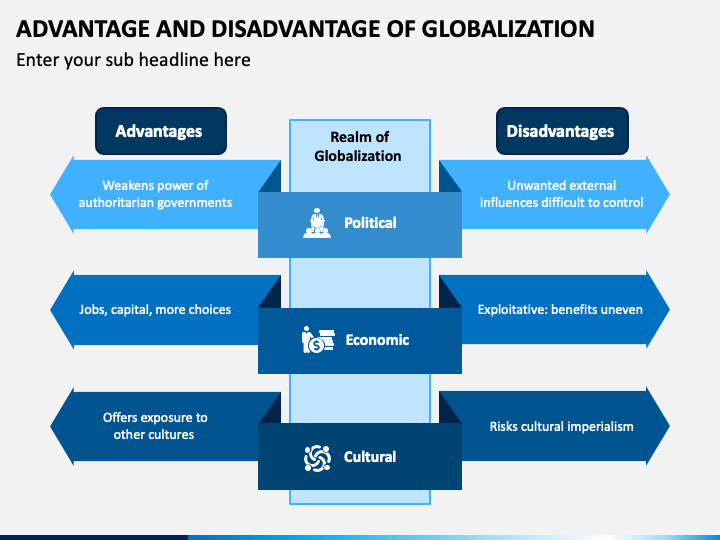
Globalization, the interconnectedness of economies, cultures, and populations through cross-border trade in goods and services, technology, and flows of investment, people, and information, has been a dominant force shaping the modern world. While proponents often tout its benefits – increased efficiency, lower prices, and greater access to goods and services – a significant portion of the American populace perceives distinct disadvantages. These concerns often coalesce around economic displacement, the erosion of domestic industries, and the perceived unfairness of international competition. Understanding these viewpoints is crucial for comprehending the complex and often contentious public discourse surrounding globalization.

The Specter of Job Loss and Wage Stagnation
One of the most palpable disadvantages of globalization for many Americans is its perceived direct link to job losses and the downward pressure on wages. The ability of corporations to offshore production to countries with lower labor costs has led to the decline of manufacturing sectors that once provided stable, well-paying jobs for a significant segment of the population. This phenomenon has had a particularly profound impact on working-class communities, often referred to as the “Rust Belt,” where the closure of factories has had devastating ripple effects on local economies and social structures.
The Manufacturing Exodus and its Repercussions
Historically, the United States was a manufacturing powerhouse. However, as trade barriers lowered and communication technologies advanced, companies found it increasingly attractive to establish production facilities in countries where labor, regulatory compliance, and sometimes even raw materials were significantly cheaper. This led to a dramatic reduction in domestic manufacturing employment. For the individuals who lost these jobs, the transition to new employment, often in lower-paying service sector roles, represented a significant downgrade in their standard of living and economic security. The loss of these jobs extended beyond the factory floor, impacting supporting industries and local businesses that relied on the spending power of manufacturing workers. The psychological and social toll of this displacement is also considerable, contributing to a sense of disenfranchisement and a feeling that the American dream is slipping away for many.
Downward Wage Pressure and the “Race to the Bottom”
Even for those who retain their jobs, globalization can exert a downward pressure on wages. The threat of being undercut by cheaper foreign labor can make employers hesitant to offer substantial wage increases. This creates a dynamic where the potential for global competition can temper wage growth for domestic workers, even in sectors that haven’t experienced direct offshoring. Critics argue that this fosters a “race to the bottom,” where countries compete by lowering labor standards and wages to attract investment, ultimately benefiting corporations at the expense of workers worldwide. For American workers, this translates to a struggle to maintain their purchasing power and economic stability in the face of rising costs of living, even as their nominal wages may remain stagnant or increase only marginally. The perceived unfairness of competing against nations with vastly different labor laws and social safety nets fuels resentment and a desire for protectionist measures.
The Erosion of Domestic Industries and National Competitiveness
Beyond the direct impact on individual jobs and wages, globalization is also viewed by many Americans as a force that undermines the long-term health and competitiveness of American industries. This concern is rooted in the belief that a nation’s economic strength is built upon a robust domestic industrial base, and that excessive reliance on foreign production can weaken this foundation.
The Challenge to American Innovation and Production Capacity
When industries shift overseas, not only do jobs disappear, but so does the associated intellectual capital and infrastructure. This can hinder innovation and reduce a nation’s capacity to produce critical goods, especially during times of crisis or geopolitical instability. For example, the reliance on foreign manufacturers for certain essential goods, such as medical supplies or advanced technology components, has been highlighted as a significant vulnerability during global pandemics or trade disputes. The fear is that by allowing these industries to atrophy domestically, the U.S. risks becoming overly dependent on other nations, potentially compromising national security and economic sovereignty. This reliance can also stifle domestic research and development as companies may prioritize production efficiency in established foreign markets over investing in new, unproven domestic ventures.
The Impact of Trade Imbalances and Unfair Practices
Globalization, in practice, has also led to significant trade imbalances for the United States, with persistent deficits in goods trade with many countries. While trade deficits are not inherently negative, their magnitude and the perceived reasons behind them can fuel public concern. Many Americans believe that certain countries engage in unfair trade practices, such as currency manipulation, subsidies for their domestic industries, or lax enforcement of intellectual property laws, which give their producers an artificial advantage over American businesses. These perceived inequities create a sense that the global playing field is not level, and that American workers and businesses are being disadvantaged through no fault of their own. The feeling that the rules of the game are rigged can lead to a strong backlash against free trade agreements and a desire for more protectionist policies that aim to level this perceived imbalance.
The Cultural and Social Repercussions of Global Interconnectedness
While the primary focus of globalization’s disadvantages for Americans often lies in the economic realm, there are also significant cultural and social dimensions that contribute to public apprehension. These concerns touch upon the perceived erosion of national identity, the homogenization of culture, and the exacerbation of social inequalities.
The Threat of Cultural Homogenization and Loss of Identity
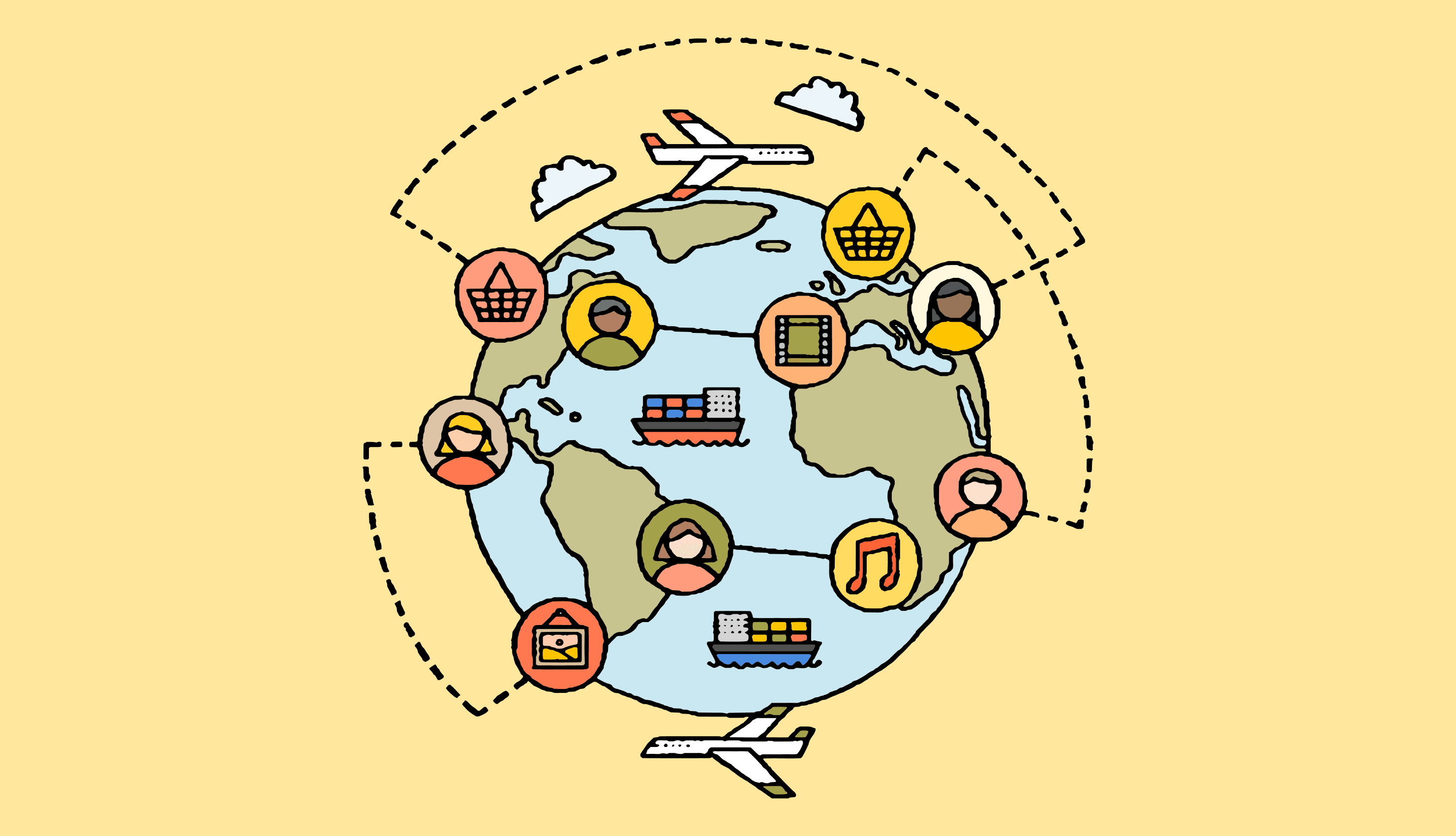
As global brands and media permeate societies, there’s a concern that distinct local cultures and traditions may be diluted or replaced by a more uniform global culture. For many Americans, this translates to a fear that American unique cultural expressions and heritage could be overshadowed by foreign influences, or that the global spread of certain cultural products may lead to a less diverse and more homogenous global landscape. While cultural exchange is often seen as positive, the sheer scale and speed of globalization can lead to anxieties about the loss of what makes a particular culture unique and valuable. This concern is often amplified by the dominance of certain global media platforms and consumer brands, which can promote a particular set of values and lifestyles that may not resonate with or may even contradict local traditions.
The Exacerbation of Income Inequality and Social Division
Globalization, while creating overall wealth, has also been implicated in the widening of income inequality within the United States. The benefits of globalization, such as lower consumer prices and increased corporate profits, have disproportionately accrued to those at the top of the economic ladder – highly skilled professionals, investors, and corporate executives. Conversely, those in lower-skilled jobs, particularly in manufacturing, have often borne the brunt of the negative consequences through job displacement and wage stagnation. This growing disparity can lead to social friction, resentment, and a sense of a two-tiered society where opportunities are not equally distributed. The perception that globalization benefits the wealthy elite while leaving the working class behind is a powerful driver of opposition and fuels demands for policies that aim to redistribute wealth and opportunity more equitably. This can manifest in support for policies that aim to reshore jobs, strengthen labor unions, or implement more progressive taxation.
aViewFromTheCave is a participant in the Amazon Services LLC Associates Program, an affiliate advertising program designed to provide a means for sites to earn advertising fees by advertising and linking to Amazon.com. Amazon, the Amazon logo, AmazonSupply, and the AmazonSupply logo are trademarks of Amazon.com, Inc. or its affiliates. As an Amazon Associate we earn affiliate commissions from qualifying purchases.