
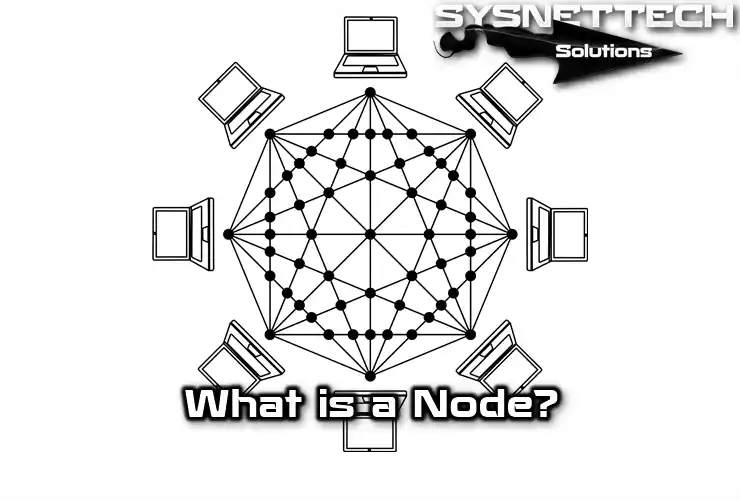
At its core, the term “node” in computing refers to a fundamental building block of any networked system. It’s a point of connection, a processing unit, or a data endpoint that can send, receive, and/or store information within a larger structure. From the intricate web of the internet to the specialized architecture of a blockchain, understanding what a node is and how it functions is crucial for grasping the mechanics of modern digital infrastructure. This concept, while seemingly simple, is remarkably versatile, adapting its meaning and role across various technological domains. This article aims to demystify the node, exploring its diverse manifestations and essential functions across the computing landscape.
The Fundamental Concept of a Node
To truly appreciate the significance of a node, one must first grasp its basic definition and inherent characteristics. It is a concept that underpins virtually every interaction we have with digital technology today, from browsing a webpage to sending an email or performing a complex distributed computation.
A Basic Definition
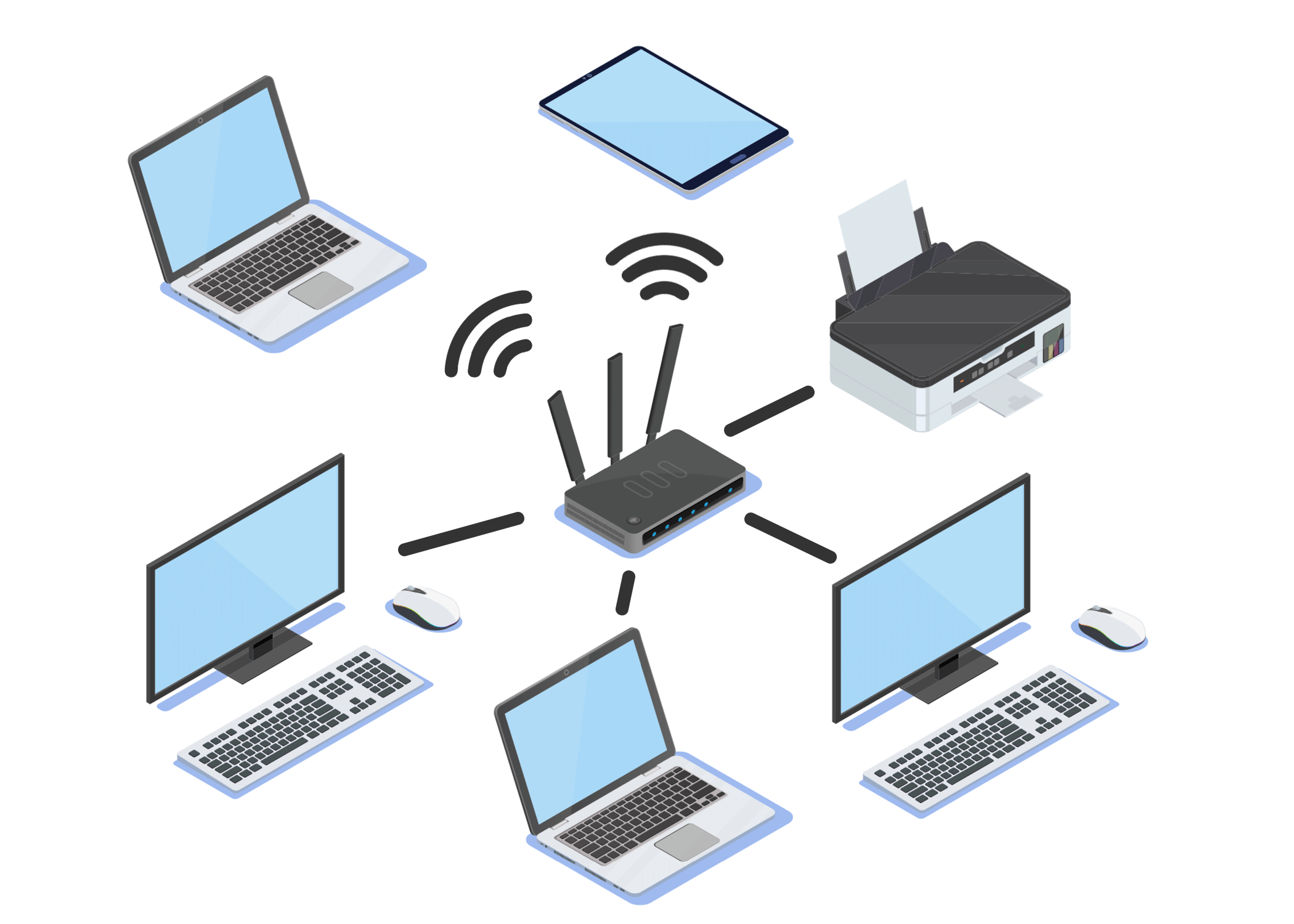
In the broadest sense, a node is any active electronic device attached to a computer network. This definition encompasses a wide array of hardware, including but not limited to: personal computers, servers, laptops, smartphones, tablets, printers, modems, routers, switches, and even more specialized devices like sensors in an IoT network. Each of these devices, when connected to a network, acts as a distinct node. The primary function of a node is to perform some task, communicate with other nodes, or serve as a conduit for information flow. They are the individual participants in a collective system, each playing a part in the larger operation. For instance, in a simple home network, your laptop is a node, your wireless router is a node, and your smart TV is also a node. All these nodes communicate with each other to share data and access resources.
Characteristics of a Node
While nodes come in many forms, they typically share several key characteristics that enable them to function effectively within a network:
- Unique Identification: Each node on a network must have a unique identifier to distinguish it from others. This could be an IP (Internet Protocol) address for network communication, a MAC (Media Access Control) address for hardware identification, or a unique name in a peer-to-peer system. This uniqueness ensures that data packets are routed to the correct destination.
- Connectivity: Nodes are invariably connected to other nodes. This connection can be physical (e.g., Ethernet cable, Wi-Fi radio waves) or logical (e.g., a virtual private network connection). The nature of this connection dictates how data travels between nodes and influences the overall network topology.
- Ability to Communicate: A defining feature of a node is its capacity to send, receive, and/or process information. This involves adhering to specific communication protocols that govern how data is formatted, transmitted, and interpreted. Without this ability, a device cannot truly function as an active participant in a network.
- Processing Capability: While not all nodes are powerful computers, they all possess some degree of processing capability to handle their specific tasks, whether it’s filtering network traffic, running an application, or simply forwarding a data packet.
Why Nodes Matter
Nodes are the irreducible units of any network. Without them, there would be no networks, no internet, and no distributed systems. They are the points at which data originates, terminates, or is routed, making them essential for communication, resource sharing, and the very fabric of distributed computing. Understanding nodes is foundational to comprehending network architecture, data flow, system resilience, and even the security posture of any digital environment. Their collective interaction brings abstract concepts like the “internet” or “cloud” to life as tangible, interconnected systems.
Nodes in Network Topologies
The way nodes are organized and connected defines the architecture of a network, often referred to as its topology. Understanding the role of nodes within various network topologies is crucial for designing efficient, reliable, and scalable communication systems. Different nodes perform different functions, from serving content to routing traffic.
Local Area Networks (LANs) and Wide Area Networks (WANs)
In a Local Area Network (LAN), nodes typically include individual workstations (client nodes), servers that host applications and data (server nodes), printers, and network devices like switches and routers. Within a LAN, communication between nodes is generally fast and efficient due to geographical proximity. Client nodes request services or data from server nodes, and the server nodes respond. For example, in an office LAN, an employee’s computer (client node) might access files stored on a departmental server (server node).
Wide Area Networks (WANs), like the internet, connect LANs over vast geographical distances. In a WAN, nodes are often more sophisticated, including high-capacity routers, switches, and powerful servers distributed globally. End-user devices (computers, smartphones) are still nodes, but they connect to the WAN indirectly through local networks. The internet, as the largest WAN, is a massive collection of interconnected nodes, each an autonomous system managed by an Internet Service Provider (ISP) or large organization, all exchanging data packets to link millions of end-user nodes worldwide.
Network Devices as Nodes
Many dedicated network devices also function as specialized nodes with critical roles:
- Routers: These are pivotal nodes that connect different networks together. They examine data packets and determine the best path for them to travel between source and destination nodes across various networks, utilizing IP addresses for routing decisions. Every time your internet traffic jumps from one network segment to another, it passes through a router node.
- Switches: Operating primarily within a LAN, switches are more intelligent than their predecessors (hubs). They connect multiple devices (nodes) in a network and forward data packets only to the specific node that needs to receive them, based on MAC addresses. This improves network efficiency by reducing unnecessary traffic.
- Hubs: Less common in modern networks, hubs are simple nodes that connect multiple devices and broadcast all incoming data to all other connected nodes. This method is inefficient and less secure but served its purpose in early network designs.
- Firewalls: These are security nodes positioned between networks (e.g., your internal network and the internet) to monitor and control incoming and outgoing network traffic based on predefined security rules. They act as gatekeepers, protecting internal nodes from external threats.
Different Network Topologies
The arrangement of nodes and their interconnections defines a network’s topology, impacting its performance, reliability, and scalability:
- Bus Topology: All nodes are connected to a single central cable (the bus). Data sent by one node is accessible to all others. Simple but prone to single points of failure if the bus fails.
- Star Topology: All nodes are connected to a central hub or switch node. This is very common in LANs. If one peripheral node fails, it doesn’t affect the rest of the network. The central node, however, is a single point of failure.
- Ring Topology: Each node is connected to exactly two other nodes, forming a single continuous pathway for signals. Data travels in one direction. Offers good performance under heavy load but a single node failure can break the ring.
- Mesh Topology: Every node is connected to every other node (full mesh) or to several other nodes (partial mesh). This provides high redundancy and fault tolerance, as data can take multiple paths. It’s complex and expensive to implement but used in critical networks like the internet backbone.
- Tree Topology: A hybrid of bus and star, where star networks are connected to a central bus cable. Hierarchical in nature.
- Hybrid Topology: Any combination of two or more different topologies. Most large networks, including the internet, utilize hybrid topologies to leverage the strengths of various arrangements.
In each topology, nodes are the active participants, their arrangement dictating the flow of information and the network’s overall characteristics.
Nodes in Distributed Systems and Cloud Computing
The concept of a node extends far beyond traditional networks, becoming particularly critical in the realms of distributed systems and the ever-expanding landscape of cloud computing. Here, nodes collaborate to achieve complex tasks, offering scalability, resilience, and often, global reach.

Distributed Systems Explained
A distributed system is a collection of independent computer nodes that appear to its users as a single, coherent system. Instead of relying on a single, powerful machine, tasks are broken down and executed across multiple interconnected nodes. The primary benefits of such systems include:
- Scalability: Resources can be added or removed as needed by simply adding or removing nodes, allowing systems to handle fluctuating workloads without performance degradation.
- Fault Tolerance: If one node fails, the system can continue to operate because other nodes can take over its responsibilities, ensuring high availability.
- Resource Pooling: Nodes can share computing resources, such as CPU, memory, and storage, leading to more efficient utilization.
- Geographical Distribution: Nodes can be located in different physical locations, reducing latency for users across the globe and enhancing disaster recovery capabilities.
Examples range from simple peer-to-peer file sharing networks to complex grid computing environments that utilize the idle processing power of thousands of machines for scientific research.
Cloud Computing Nodes
Cloud computing fundamentally relies on massive networks of nodes to deliver services. When you use a cloud service, you are leveraging resources provided by these nodes, often abstracted away from the underlying hardware.
- Virtual Machines (VMs) as Nodes: In Infrastructure-as-a-Service (IaaS), virtual machines are the quintessential nodes. A physical server (a powerful host node) can run multiple isolated VMs, each acting as an independent node with its own operating system, applications, and allocated resources. These VMs can be quickly provisioned, scaled, and managed, providing flexible computing power.
- Containers as Lightweight Nodes: Technologies like Docker and Kubernetes enable containerization, which provides an even more lightweight and portable form of node. A container encapsulates an application and its dependencies, running within a shared operating system kernel on a host machine. Kubernetes, for instance, manages clusters of containerized applications, where each “pod” (the smallest deployable unit) containing one or more containers acts as a logical node within the cluster, orchestrated across various physical or virtual host nodes.
- Serverless Functions as Ephemeral Nodes: In serverless computing (Function-as-a-Service, FaaS), developers write small, single-purpose functions that are executed on demand. While not nodes in the traditional sense of persistent machines, the underlying infrastructure still spins up ephemeral execution environments (temporary nodes) to run these functions, scaling them almost infinitely to meet demand without the user needing to manage servers explicitly.
Blockchain Nodes
Blockchain technology, the distributed ledger system underpinning cryptocurrencies like Bitcoin and Ethereum, relies heavily on a network of specialized nodes. These nodes are critical for maintaining the decentralized, immutable, and secure nature of the blockchain.
- Full Nodes: These are the backbone of a blockchain network. A full node downloads and stores a complete copy of the entire blockchain ledger, verifying every transaction and block against the network’s consensus rules. By doing so, they ensure the integrity and security of the chain, preventing fraudulent transactions. They also help to propagate transactions and blocks to other nodes in the network.
- Mining Nodes (Validators): In proof-of-work blockchains, mining nodes compete to solve complex computational puzzles to create new blocks and add them to the blockchain. Upon successful completion, they are rewarded with cryptocurrency. In proof-of-stake systems, validator nodes are chosen to create new blocks based on the amount of cryptocurrency they “stake” as collateral.
- Lightweight Nodes (SPV Clients): These nodes do not store the entire blockchain but rather a subset of it, typically only block headers. They rely on full nodes to provide them with necessary transaction verification details. These are common in mobile wallets and applications where storage and computational power are limited.
- Archival Nodes: Some full nodes are also archival nodes, storing not just the blockchain but also every historical state of the blockchain, which can be useful for developers and data analysts.
The collective action of these diverse nodes ensures the robustness, decentralization, and security of blockchain networks, embodying the distributed nature of the technology.
Specialized Nodes and Emerging Concepts
Beyond traditional networks and cloud infrastructure, the concept of a node continues to evolve, appearing in highly specialized applications and driving innovation in new technological frontiers. These specialized nodes address unique challenges and enable novel capabilities.
Internet of Things (IoT) Nodes
The Internet of Things (IoT) represents a vast network of physical objects embedded with sensors, software, and other technologies for the purpose of connecting and exchanging data with other devices and systems over the internet. Each of these embedded devices acts as an IoT node.
- Characteristics: IoT nodes are typically small, low-power devices, often battery-operated, designed for specific tasks like collecting temperature data, monitoring heart rates, controlling smart home appliances, or tracking asset locations. They often have limited processing capabilities and memory compared to general-purpose computers.
- Functionality: Their primary function is to sense, actuate, and communicate. They gather data from their environment (e.g., temperature, humidity, motion), sometimes perform local processing, and then transmit this data to a central gateway or directly to cloud-based platforms for analysis and action. They can also receive commands to perform actions, such as turning a light on or off.
- Challenges: Managing and securing hundreds, thousands, or even millions of diverse IoT nodes presents significant challenges related to power management, connectivity protocols (Wi-Fi, Bluetooth, Zigbee, LoRaWAN), data aggregation, and, critically, cybersecurity against potential vulnerabilities in these often-simple devices.
Edge Computing Nodes
Edge computing is a distributed computing paradigm that brings computation and data storage closer to the sources of data generation – the “edge” of the network – rather than sending all data to a centralized cloud or data center. The devices at this edge are known as edge computing nodes.
- Purpose: Edge nodes aim to minimize latency, reduce bandwidth usage, and enhance data privacy by processing data locally. This is particularly crucial for applications requiring real-time responses, such as autonomous vehicles, industrial automation, augmented reality, and critical healthcare monitoring.
- Examples: Edge nodes can range from ruggedized industrial PCs on a factory floor, smart traffic lights, local servers in a retail store, to 5G base stations. They act as intermediaries, processing raw data before deciding what data needs to be sent to the cloud for further analysis or long-term storage.
- Relationship with Cloud: Edge computing doesn’t replace cloud computing but complements it. Edge nodes handle immediate, time-sensitive processing, while the cloud handles larger-scale analytics, long-term storage, and complex AI model training. The interplay between edge and cloud nodes creates a more efficient and responsive computing infrastructure.
Neural Network Nodes (Artificial Neurons)
In the realm of Artificial Intelligence (AI) and Machine Learning (ML), particularly within neural networks, the concept of a “node” takes on a metaphorical but equally fundamental meaning. Here, nodes are not physical devices but abstract computational units.
- Biological Inspiration: Artificial neural networks (ANNs) are inspired by the structure and function of the human brain. Just as the brain has biological neurons, ANNs have artificial neurons, or nodes.
- Functionality: Each artificial node receives input signals (data), processes them by applying a set of weights and a bias, and then passes the result through an activation function to produce an output. This output then becomes the input for subsequent nodes in deeper layers of the network.
- Network Structure: These nodes are organized into layers (input, hidden, and output layers) and are interconnected, forming a complex web. The strength of the connections (weights) between nodes is adjusted during the training phase, allowing the network to learn patterns and make predictions or classifications.
- Impact: The collective operation of these artificial nodes, often numbering in the millions or billions in large language models, enables sophisticated AI capabilities like image recognition, natural language processing, and predictive analytics.
Managing and Securing Nodes
With the proliferation and diversity of nodes across all computing landscapes, effective management and robust security measures are paramount. A single vulnerable or mismanaged node can compromise the integrity and performance of an entire network or system.
Node Monitoring and Performance
Effective management of nodes involves continuous monitoring to ensure their optimal performance and health. This entails tracking various metrics:
- Resource Utilization: Monitoring CPU, memory, disk I/O, and network bandwidth usage on each node helps identify bottlenecks and ensure that resources are adequately allocated. Spikes in CPU usage on a server node, for example, could indicate a process gone rogue or an increased workload requiring scaling.
- Network Traffic: Observing data flow in and out of nodes helps detect unusual patterns that might signify a security breach, misconfigured applications, or network congestion. Tools can visualize traffic volume, latency, and packet loss between nodes.
- Application Performance: For application-hosting nodes (like cloud VMs or containers), monitoring application-specific metrics such as response times, error rates, and transaction throughput provides insights into the user experience and application health.
- System Logs and Events: Collecting and analyzing logs generated by nodes is crucial for troubleshooting issues, detecting anomalies, and auditing activities. Centralized logging systems aggregate data from thousands of nodes, making it searchable and actionable.
Proactive monitoring allows administrators to identify and address issues before they escalate, ensuring high availability and a smooth user experience.
Security Considerations for Nodes
Every node represents a potential entry point for attackers, making robust security a non-negotiable aspect of node management.
- Vulnerability Management and Patching: Keeping operating systems, firmware, and application software on all nodes up to date is fundamental. Patching known vulnerabilities closes security gaps that attackers could exploit. Regular vulnerability scanning helps identify unpatched or misconfigured nodes.
- Access Control and Authentication: Implementing strong authentication mechanisms (e.g., multi-factor authentication) and strict access controls (least privilege principle) ensures that only authorized users and processes can interact with a node or its resources.
- Network Segmentation: Dividing a larger network into smaller, isolated segments (e.g., using VLANs or subnets) limits the blast radius of a potential breach. If one node in a segment is compromised, the attacker’s ability to move laterally to other segments is restricted.
- Encryption: Encrypting data in transit (e.g., using TLS/SSL for web traffic) and at rest (e.g., disk encryption) protects sensitive information even if a node is compromised.
- Firewalls and Intrusion Detection/Prevention Systems (IDPS): Firewalls on individual nodes or at network boundaries filter malicious traffic. IDPS continuously monitor network traffic for suspicious activity, alerting administrators or automatically blocking threats.
- Endpoint Security: Antivirus software, endpoint detection and response (EDR) solutions, and host-based firewalls provide crucial protection for individual client and server nodes against malware and sophisticated attacks.
Future of Nodes
The landscape of computing nodes is continuously evolving. We can expect:
- Increased Diversity and Scale: The number and types of nodes will continue to explode, driven by IoT, edge computing, and specialized hardware for AI and quantum computing. Managing this complexity will require advanced automation.
- Greater Intelligence and Autonomy: Nodes will become more intelligent, capable of self-monitoring, self-healing, and making localized decisions without constant human intervention, leading to more resilient and efficient systems.
- Emphasis on Security at Every Layer: As nodes become more interconnected and pervasive, security will need to be baked into their design from the ground up, moving towards zero-trust architectures where every node and interaction is verified.
- Green Nodes: Energy efficiency will become an even greater focus, pushing for the development of low-power nodes and more sustainable computing infrastructures.
In essence, nodes are the silent workhorses of our digital age. Their proper management and security are not just technical tasks but critical pillars supporting the functionality, reliability, and trustworthiness of our interconnected world.
Conclusion
The term “node” might seem abstract, but it represents one of the most fundamental and ubiquitous concepts in computing. From a single computer on a home network to a server in a global cloud data center, a sensor in an IoT ecosystem, a participant in a blockchain, or even an abstract processing unit in an artificial neural network, nodes are the essential points of connection, communication, and computation. They are the individual entities that collectively form the intricate tapestry of our digital world.
Understanding what a node is, how it functions in different contexts, and the critical role it plays in network topologies, distributed systems, cloud computing, and emerging technologies like IoT and AI, is not merely academic. It provides the foundational knowledge to grasp the architecture of modern technology, appreciate the challenges of managing vast digital infrastructures, and recognize the ever-present need for robust security. As technology continues its relentless march forward, the concept of the node will only grow in importance and diversity, remaining the irreducible unit that powers our increasingly interconnected future.
aViewFromTheCave is a participant in the Amazon Services LLC Associates Program, an affiliate advertising program designed to provide a means for sites to earn advertising fees by advertising and linking to Amazon.com. Amazon, the Amazon logo, AmazonSupply, and the AmazonSupply logo are trademarks of Amazon.com, Inc. or its affiliates. As an Amazon Associate we earn affiliate commissions from qualifying purchases.