
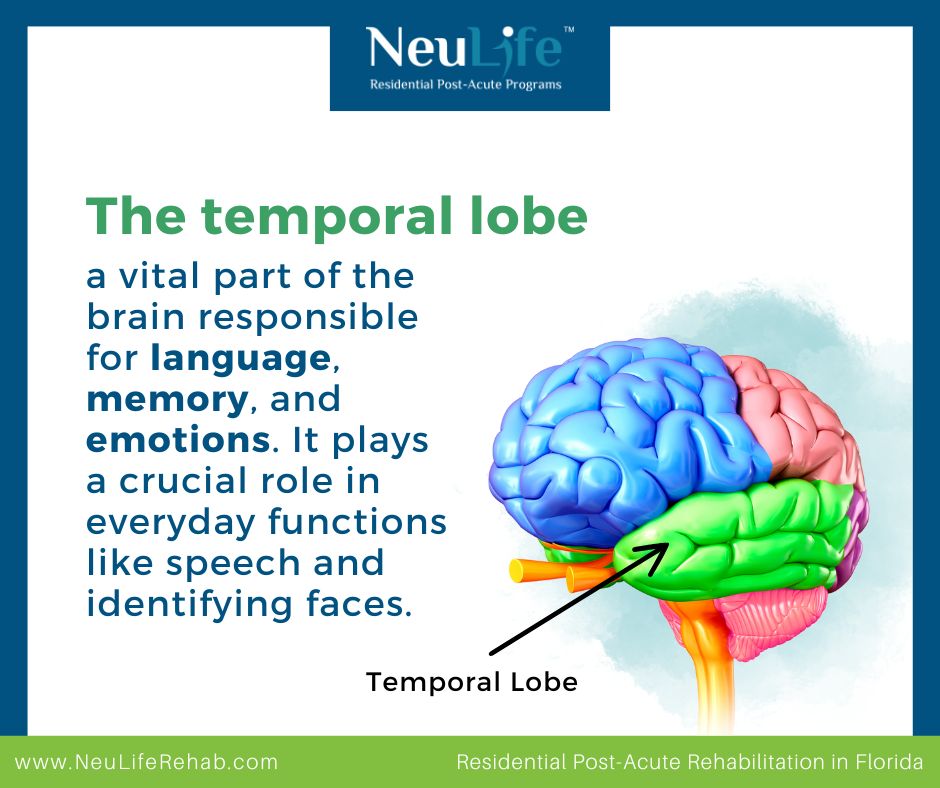
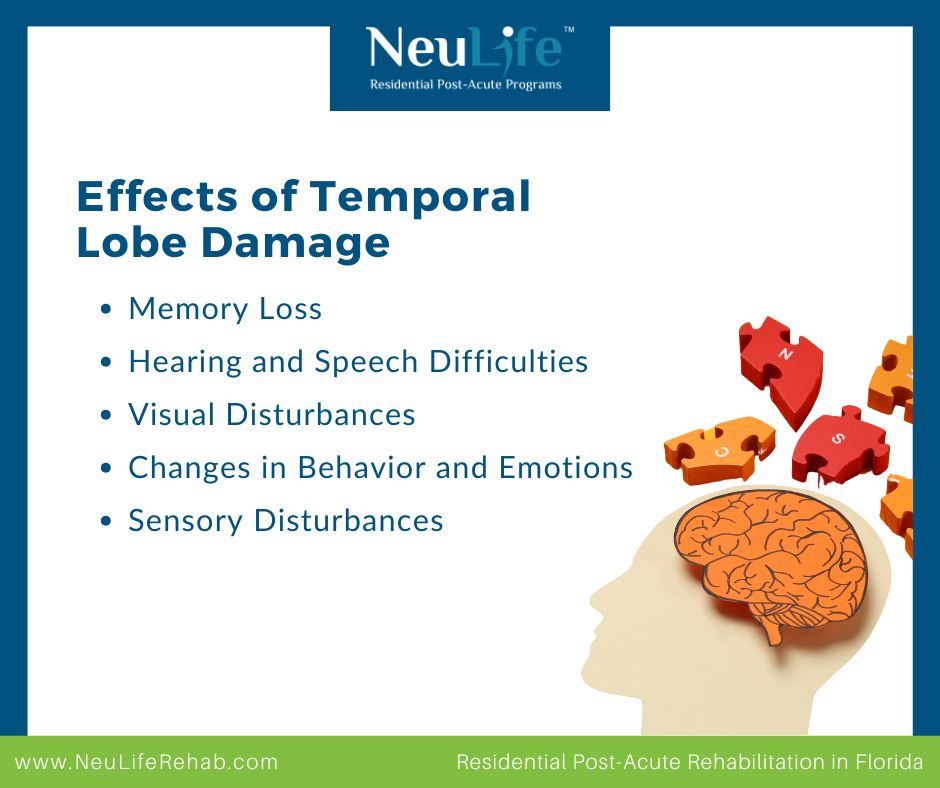
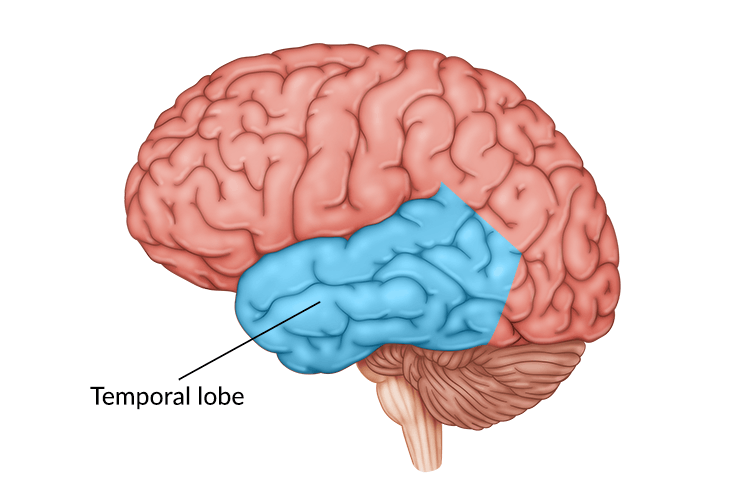
The temporal lobe, a crucial region nestled beneath the lateral fissure of the brain, plays an indispensable role in a myriad of cognitive functions. From processing auditory information and understanding language to forming memories and recognizing faces, its influence is pervasive. Damage to this complex area, whether through trauma, stroke, disease, or surgical intervention, can lead to profound and multifaceted consequences, impacting an individual’s perception of the world, their ability to communicate, and their very sense of self. Understanding the implications of temporal lobe damage not only sheds light on the intricate workings of the human brain but also informs advancements in neurological research and the development of assistive technologies.
The Fabric of Memory and Learning: Temporal Lobe’s Role in Hippocampal Function
The temporal lobe is home to the hippocampus, a structure intimately involved in the formation of new memories. This region acts as a vital bridge, consolidating short-term experiences into long-term storage. Without the hippocampus’s diligent work, individuals may struggle to recall recent events, leading to a phenomenon known as anterograde amnesia. This can manifest as an inability to learn new information, effectively trapping someone in a perpetual present, unable to build upon past experiences. The implications for daily life are immense, affecting everything from remembering appointments and conversations to forming new relationships.
Anterograde Amnesia: A Present Without a Future
When the hippocampus is significantly impaired, the ability to encode new memories is severely compromised. Individuals might find themselves repeatedly asking the same questions or forgetting that they’ve just eaten. This form of amnesia is distinct from retrograde amnesia, where memories from before the damage are lost. Anterograde amnesia is characterized by a persistent inability to create new neural pathways for information. In technological terms, it’s akin to a hard drive that cannot save new files, constantly overwriting or failing to write any data. This can lead to profound social isolation and a significant reliance on external memory aids and caregivers.
Retrograde Amnesia: The Erosion of the Past
While anterograde amnesia impacts the future, retrograde amnesia affects the past. Damage to the temporal lobe, particularly to medial temporal structures like the amygdala and parahippocampal gyrus, can result in the loss of memories formed prior to the injury. The extent of this memory loss can vary greatly, from forgetting specific events to a more widespread erasure of personal history. The impact on an individual’s identity can be devastating, as a significant portion of their life narrative may vanish. This scenario highlights the intricate interplay between different temporal lobe subregions in the complex process of memory retrieval.
Decoding the World: Language, Audition, and Perception in the Temporal Lobe
The temporal lobe is the brain’s primary center for processing auditory information and plays a critical role in language comprehension and production. Damage to specific areas within the temporal lobe can lead to a range of linguistic and perceptual deficits, fundamentally altering how individuals interact with their environment.
Wernicke’s Aphasia: The Struggle to Understand
Located in the posterior portion of the superior temporal gyrus, Wernicke’s area is crucial for language comprehension. Damage to this region typically results in Wernicke’s aphasia, also known as receptive aphasia. Individuals with this condition can often speak fluently, but their speech may be nonsensical, lacking coherent meaning. More importantly, they struggle to understand spoken and written language. When spoken to, they may appear to listen, but the words fail to form meaningful concepts. This can lead to immense frustration and a breakdown in communication, even with loved ones. From a technological perspective, this impairment underscores the complex algorithms our brains use to interpret auditory signals and semantic meaning, challenges that AI systems are still striving to fully replicate.
Auditory Agnosia: When Sound Loses Meaning
Beyond language, the temporal lobe is responsible for processing all forms of auditory information. Damage can lead to various forms of auditory agnosia, where individuals lose the ability to recognize familiar sounds. This could mean failing to recognize a ringing phone, a barking dog, or even a familiar voice. The world, normally rich with auditory cues, becomes a confusing and potentially disorienting place. This highlights the brain’s remarkable ability to categorize and interpret the subtle nuances of sound, a feat that advanced audio processing technologies are beginning to explore but have yet to fully master in terms of contextual understanding.
The Emotional and Social Landscape: The Amygdala and Beyond
The temporal lobe, particularly its medial aspect, houses the amygdala, a structure central to processing emotions, especially fear, and forming emotional memories. Damage to the amygdala can profoundly alter an individual’s emotional responses, social interactions, and even their ability to recognize emotions in others.
Emotional Dysregulation and Fear Processing
The amygdala’s role in the “fight or flight” response means that damage can disrupt the regulation of fear and anxiety. Individuals might exhibit exaggerated fear responses to innocuous stimuli or, conversely, a blunted emotional reactivity, becoming apathetic or unable to experience strong emotions. This can lead to difficulties in forming social bonds and navigating complex social situations, as understanding and responding appropriately to emotional cues is compromised. From a technological standpoint, the amygdala’s intricate neural circuitry offers a fascinating model for understanding how emotional valence is encoded and processed, an area of intense interest in developing more sophisticated AI systems capable of nuanced human-like interaction.
Impaired Social Cognition and Facial Recognition
The temporal lobe is also involved in social cognition, including the ability to recognize faces and interpret social cues. Damage, particularly to the fusiform face area, can lead to prosopagnosia, or face blindness, where individuals struggle to recognize familiar faces, even those of close family members. This can be deeply unsettling and socially debilitating. Furthermore, disruptions in other temporal lobe regions can impair the ability to understand non-verbal cues, such as body language and tone of voice, further hindering effective social interaction. This underscores the brain’s highly specialized processing pathways for recognizing complex patterns, a challenge that computer vision and AI are actively addressing.
In conclusion, damage to the temporal lobe can have far-reaching and devastating consequences, impacting memory, language, perception, and emotional processing. While these effects can be profound, ongoing research into the brain’s remarkable plasticity and advancements in neurotechnology offer hope for new diagnostic tools, therapeutic interventions, and assistive technologies that can help individuals with temporal lobe damage lead more fulfilling lives. The study of these impairments not only deepens our understanding of the human mind but also drives innovation in fields striving to replicate and augment our cognitive capabilities.
aViewFromTheCave is a participant in the Amazon Services LLC Associates Program, an affiliate advertising program designed to provide a means for sites to earn advertising fees by advertising and linking to Amazon.com. Amazon, the Amazon logo, AmazonSupply, and the AmazonSupply logo are trademarks of Amazon.com, Inc. or its affiliates. As an Amazon Associate we earn affiliate commissions from qualifying purchases.