
In the lexicon of modern technology, the word “nuke” has transcended its origins in mid-century physics to become a potent metaphor for total systemic disruption. Whether we are discussing the “nuclear option” in software architecture—wiping a legacy codebase to start from scratch—or the catastrophic potential of a “digital nuke” in the form of state-sponsored cyberwarfare, the implications are profound. To understand what a nuke would do in a technological context requires an exploration of both the metaphorical “reset buttons” used by developers and the literal, devastating threats posed to our global digital infrastructure.
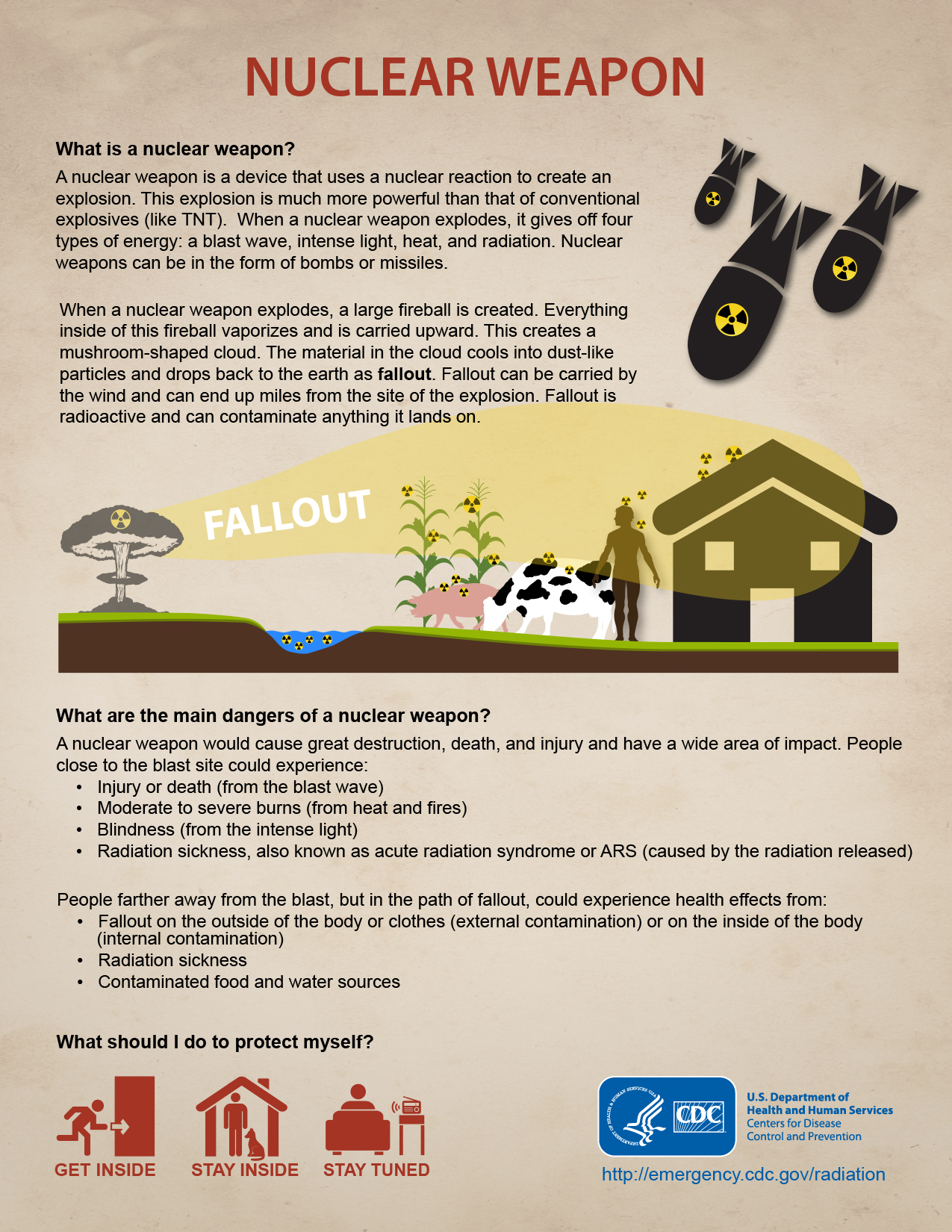
The Architecture of Destruction: Understanding the “Digital Nuke” in Cybersecurity
In cybersecurity, a “nuke” isn’t a physical explosion; it is a payload designed for total data annihilation. While traditional hacking focuses on data exfiltration or espionage, “wiper” malware is designed to render systems completely inoperable. When a digital nuke is detonated within a corporate or national network, the results are immediate and often irreversible.
Zero-Day Exploits and Systemic Cascades
A digital nuclear event often begins with a Zero-Day exploit—a vulnerability unknown to the software vendor. When these exploits are weaponized, they can spread through interconnected systems with terrifying speed. Because our modern tech stack is heavily reliant on APIs and third-party integrations, a single “nuke” dropped on a core service provider can cause a systemic cascade. We saw glimpses of this with the SolarWinds hack, where the compromise of a single update mechanism created a fallout zone that affected thousands of organizations, including government agencies.
The “Wiper” Malware: Deleting the Foundation of Business
Wiper malware represents the purest form of the digital nuke. Unlike ransomware, which encrypts data for profit, wipers simply destroy. They overwrite the Master Boot Record (MBR) or delete key system files, making the hardware nothing more than a “brick.” For a business, this is a “nuclear” event because it bypasses the possibility of negotiation. The goal is not theft; it is the total cessation of the victim’s ability to function. Understanding this threat requires a shift from “prevention” to “resilience,” acknowledging that some attacks are designed specifically to ensure there is nothing left to recover.
The Physical Threat: EMPs and the Fragility of Global Hardware
If we look at the literal definition of a nuclear event, the most significant threat to the tech industry is not the blast itself, but the resulting Electromagnetic Pulse (EMP). An EMP is a burst of electromagnetic radiation that can result from a nuclear explosion in the high atmosphere. For a world built on silicon and copper, an EMP is the ultimate technological “off switch.”
How Electromagnetic Pulses Neutralize Silicon
Modern microchips are incredibly dense, with billions of transistors packed into a few square millimeters. This density makes them highly sensitive to voltage surges. An EMP induces a sudden, massive electrical current in any conductive material, including power lines, circuit boards, and even the internal wiring of smartphones. In a split second, an EMP would “fry” the delicate pathways of non-hardened electronics. From a tech perspective, this would mean the instantaneous loss of local data centers, communication satellites, and the handheld devices that power the global economy.
Hardening Infrastructure: Can We Shield the Cloud?
The tech industry has begun to take the threat of physical “nukes” or EMPs more seriously through the process of “hardening.” Military-grade hardware is often shielded using Faraday cages—enclosures made of conductive material that block external static and non-static electric fields. However, the vast majority of civilian “Cloud” infrastructure remains vulnerable. As we move toward a more centralized digital existence, the concentration of data in a few geographic hubs creates “nuclear” targets. The industry is currently debating the necessity of deep-underground data centers and decentralized edge computing to ensure that a localized physical event does not result in a global digital blackout.
The “Nuclear Option” in Software Development: When to Burn it All Down

In the world of software engineering, “nuking it” refers to the radical decision to abandon a legacy system entirely. This is often the final resort for CTOs and Lead Architects who find themselves paralyzed by technical debt. When the cost of maintaining an old system exceeds the cost of building a new one, the “nuclear option” becomes the most logical path forward.
Technical Debt and the Case for Radical Refactoring
Technical debt is the cumulative cost of shortcuts taken during the development process. Over years, this debt can become so overwhelming that adding even a simple feature causes the entire system to crash. At this point, the architecture is “radioactive.” Developers spend 90% of their time fixing bugs and only 10% innovating. Choosing to “nuke” the codebase allows a team to move from a monolithic architecture—where everything is tightly coupled and prone to failure—to a modern microservices-based architecture.
Legacy Systems vs. Modern Microservices
The transition from a legacy system to a new one is often managed through the “Strangler Fig” pattern, where new functionality is built around the edges of the old system until the old system can be “nuked” safely. However, some scenarios require a “Greenfield” approach—starting from a blank slate. This “nuclear” restart allows companies to adopt modern technologies like Kubernetes, serverless functions, and AI-integrated workflows that were impossible to implement within the constraints of their 20-year-old COBOL or Java frameworks.
AI and the Automation Nuke: Disrupting the Labor Market
The rise of Generative AI has been described by many tech leaders as a “nuclear moment” for knowledge work. Unlike previous waves of automation that replaced physical labor, AI is “nuking” traditional workflows in coding, design, and data analysis.
The Displacement of Traditional Algorithms
For decades, software was built on “if-then” logic—static code written by humans to perform specific tasks. AI represents a nuclear shift because it replaces these rigid structures with probabilistic models. This “nukes” the traditional software development lifecycle. Instead of writing 1,000 lines of code, a developer might now use an AI agent to generate the logic, shifting the human’s role from “creator” to “curator.” The speed of this transition is unprecedented, creating a shockwave through the tech talent market.
Ethical Safeguards: Preventing an AI “Meltdown”
Just as nuclear power requires containment, AI requires ethical guardrails. The “What would a nuke do?” question in AI circles often refers to the “Alignment Problem”—the risk that an AI system could pursue a goal in a way that is destructive to its creators. Tech companies are currently investing billions into AI Safety, trying to develop the digital equivalent of “control rods” for Large Language Models (LLMs) to prevent misinformation “fallout” or the unintended “meltdown” of social discourse.
Resilience and Recovery: Building Post-Atomic Tech Stacks
In a world where both literal and metaphorical nukes are a reality, the focus of tech strategy has shifted toward resilience. If we assume that a “nuclear” event—be it a massive cyberattack or a total system failure—is inevitable, how do we build technology that survives?
Immutable Backups and Air-Gapped Security
The primary defense against a digital nuke is the “Immutable Backup.” This is data that, once written, cannot be altered or deleted, even by an administrator with full privileges. By keeping these backups “air-gapped”—physically disconnected from the internet—companies can ensure that even if their entire live environment is “nuked,” they have a clean foundation to rebuild from. This “Cold Storage” strategy is the tech equivalent of a fallout shelter for data.
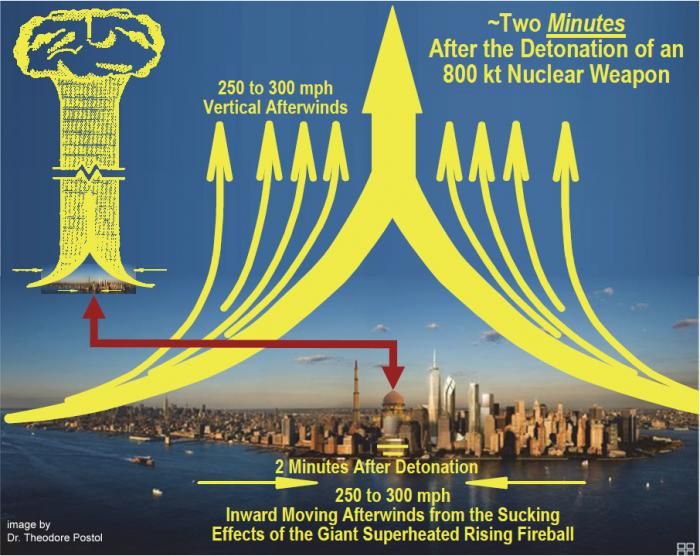
Decentralization as a Survival Strategy
Centralization is the greatest vulnerability in modern tech. When all our data lives in three major cloud providers, we have created a “high-yield” target for failure. The movement toward Web3, decentralized storage (like IPFS), and peer-to-peer networking is an attempt to create a “nuke-proof” internet. In a decentralized system, there is no central hub to destroy. Even if 50% of the nodes are taken offline by a catastrophic event, the remaining 50% continue to operate, ensuring that the digital light stays on even in the aftermath of a “nuclear” technological disruption.
By understanding what a “nuke” would do across these various tech niches, professionals can better prepare for the high-stakes environment of the 21st century. Whether it’s hardening hardware against EMPs, securing networks against wiper malware, or strategically “nuking” legacy code to make way for AI, the goal remains the same: ensuring that our technological civilization remains resilient in the face of total disruption.
aViewFromTheCave is a participant in the Amazon Services LLC Associates Program, an affiliate advertising program designed to provide a means for sites to earn advertising fees by advertising and linking to Amazon.com. Amazon, the Amazon logo, AmazonSupply, and the AmazonSupply logo are trademarks of Amazon.com, Inc. or its affiliates. As an Amazon Associate we earn affiliate commissions from qualifying purchases.