
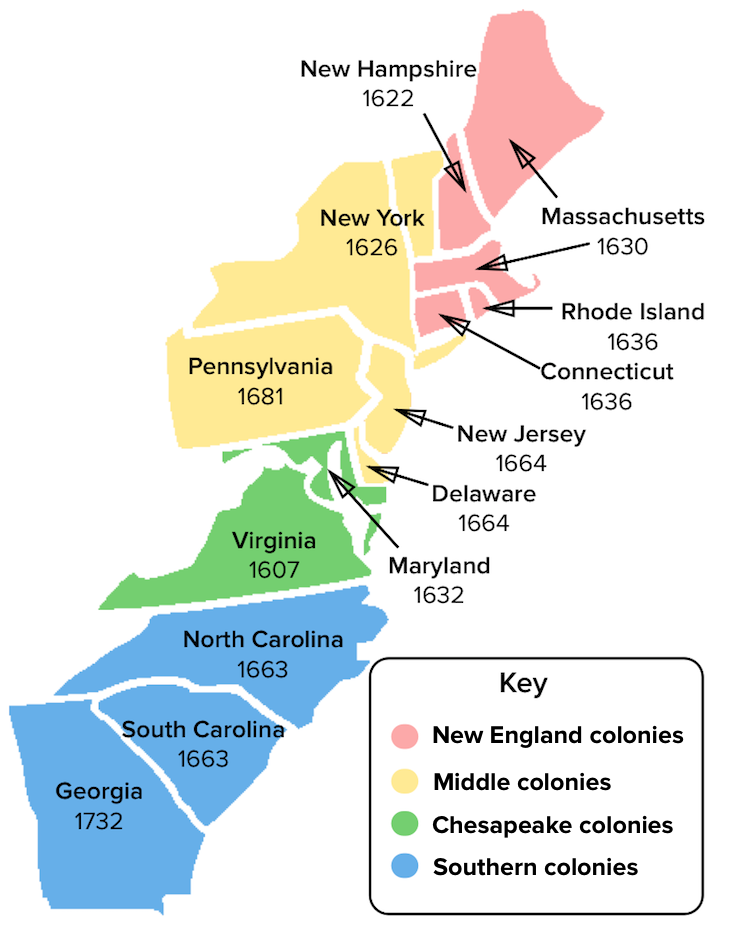
To understand what the Chesapeake colonies—Virginia and Maryland—truly were, one must look beyond the traditional narratives of exploration and settlement. From a financial and business perspective, the Chesapeake colonies were essentially the first large-scale, high-risk venture capital projects of the English-speaking world. They represent a fascinating era of economic experimentation, where joint-stock companies, speculative agricultural markets, and complex labor systems converged to create a unique wealth-generating machine.
While the New England colonies were often driven by religious and social motives, the Chesapeake was defined by its ledger. It was an environment where land was the primary asset, tobacco was the primary currency, and the pursuit of profit dictated every social and political structure.
The Corporate Foundation: The Virginia Company and Joint-Stock Investment
The story of the Chesapeake begins not with a government initiative, but with a corporate charter. The Virginia Company of London was a joint-stock company, a precursor to the modern corporation, designed to spread the immense financial risk of overseas exploration among a group of private investors. This was a “unicorn” startup of the 17th century, seeking to find gold, a passage to the Orient, or any exploitable resource that would provide a return on investment (ROI).
The High Stakes of Early Capital Infusion
The initial years of the Virginia Company were a masterclass in the dangers of speculative investing. Between 1607 and 1624, the company poured massive amounts of capital into the Jamestown settlement with almost zero returns. The “Starving Time” and constant conflict with indigenous populations represented a total collapse of the operational budget. In modern terms, the company was “burning cash” at an unsustainable rate.
Investors were promised dividends that never materialized in the form of gold or minerals. This led to a series of pivots—a standard move in business when the initial product-market fit fails. The company experimented with glassmaking, silk production, and vineyards, all of which failed to scale. It wasn’t until the introduction of a specific commodity that the venture finally found its “killer app.”
The Pivot to Agriculture and the Headright System
When the search for precious metals failed, the Virginia Company had to monetize its only remaining asset: land. To attract more human capital and investment, the company introduced the “Headright System” in 1618. This was a strategic incentive program: any settler who paid their own way to Virginia was granted 50 acres of land. Furthermore, an additional 50 acres were granted for every additional person (servant or family member) they brought along.
This system effectively decentralized the investment risk. Instead of the Company funding everything, private individuals began to invest their own capital in the hopes of building large landed estates. This move shifted the economic model from a centralized corporate operation to a distributed network of private enterprises.
Tobacco as Currency: The Rise of a Monoculture Economy
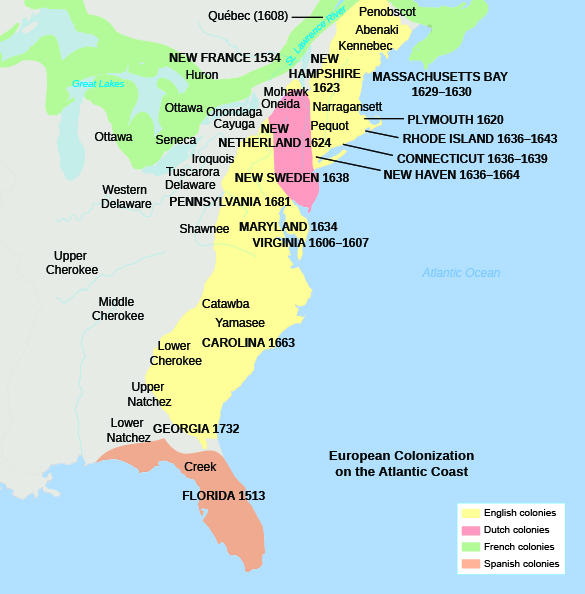
In 1612, John Rolfe introduced a sweeter strain of tobacco seeds from the Caribbean to the Virginia soil. This was the turning point for the Chesapeake colonies. Tobacco became the “Green Gold” that finally provided the ROI the London investors had been craving. It transformed the region from a struggling outpost into a powerhouse of international trade.
The Economics of a Monoculture
The Chesapeake colonies quickly became a monoculture—an economy dominated by a single crop. Tobacco was not just an export; it was the lifeblood of the financial system. It was so central to the economy that it frequently functioned as a substitute for hard currency. Taxes, fines, and even the salaries of clergy were often calculated and paid in pounds of tobacco.
However, relying on a single commodity created extreme market volatility. The price of tobacco was subject to the whims of European demand and the efficiency of the transatlantic supply chain. When supply outpaced demand, prices plummeted, leading to economic depressions within the colonies. This forced planters to continuously increase production to maintain their income levels, creating a cycle of land exhaustion and the constant need for westward expansion.
The Consignment System and International Credit
Because the Chesapeake lacked a robust local banking system, planters relied on the “consignment system” with merchants in London and Bristol. Planters would ship their tobacco to British agents, who would then sell the crop on the European market. The proceeds were used to pay off the planter’s debts and to purchase manufactured goods—furniture, clothing, tools—which were shipped back to the colonies.
This system placed the Chesapeake planters in a perpetual state of debt. They were essentially operating on credit, with their future harvests serving as collateral. This financial dependency on British merchants created a complex web of international finance that would eventually influence the political tensions leading up to the American Revolution.
The Labor Equation: Managing Human Capital and Infrastructure
In a land-rich but labor-poor environment, the greatest challenge for the Chesapeake colonies was the acquisition and management of human capital. To maximize the profits of tobacco cultivation, planters needed a massive and reliable workforce. The evolution of the Chesapeake labor market is one of the most significant and sobering aspects of its economic history.
Indentured Servitude as a Financial Contract
Initially, the primary labor source was indentured servitude. This was a formal legal and financial contract where an individual (often a poor European) would sell their labor for a set period (usually four to seven years) in exchange for passage to the New World and basic maintenance.
From a business perspective, this was a high-turnover model. Servants were a temporary asset. Once their contract expired, they were owed “freedom dues” (often land or supplies) and became competitors to their former masters. As life expectancy in the colonies improved, the cost-benefit analysis of indentured servitude began to shift. Planters realized that a labor force that eventually became free was less profitable in the long term than a permanent one.
The Shift to a Permanent Labor Asset
By the late 17th century, the Chesapeake economy began a transition toward the use of enslaved African labor. This was a calculated move driven by the desire for permanent capital assets. Unlike indentured servants, enslaved people were held for life, and their children were also considered property, providing a self-perpetuating labor force.
This shift was accelerated by the rising costs of European labor and the increased availability of enslaved people through the Atlantic slave trade. The transition to a slave-based economy allowed the elite planter class to consolidate their wealth and minimize labor costs, though it created a moral and social catastrophe that would define American history for centuries. This was the ultimate, and most horrific, example of the Chesapeake’s focus on maximizing production at any human cost.
The Wealth Gap and the Financial Legacy of the Chesapeake Model
The economic structure of the Chesapeake colonies naturally led to a high degree of wealth concentration. Because land and labor were the primary drivers of profit, those who started with capital were able to acquire more land and more labor, creating a self-reinforcing cycle of accumulation.
The Rise of the “Planter Elite”
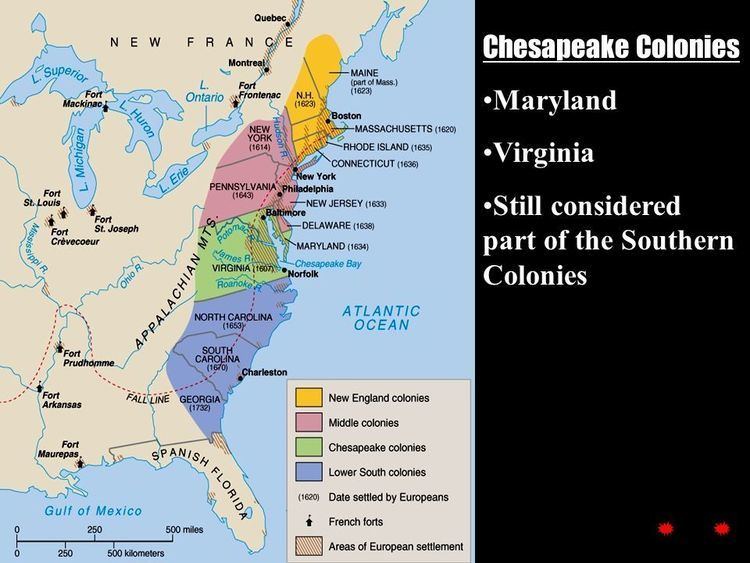
A small group of families—often referred to as the “First Families of Virginia”—came to dominate the economic and political landscape. These individuals were more than just farmers; they were sophisticated business managers. They operated vast estates, managed complex international trade relationships, and served as the local creditors and political leaders.
This concentration of wealth meant that the Chesapeake had a very different economic profile than the more egalitarian, merchant-heavy New England. The Chesapeake was a region of great estates and deep poverty, with a small middle class of “yeoman” farmers who struggled to compete with the economies of scale achieved by the large plantations.
Lessons for Modern Commodity Markets
The Chesapeake colonies serve as a historical case study in the risks and rewards of commodity-driven economic growth. Their history highlights the dangers of market monocultures, the complexities of international debt cycles, and the devastating consequences of prioritizing labor efficiency above human rights.
Ultimately, the Chesapeake colonies were a proving ground for the power of private capital and international trade. They demonstrated that with the right commodity and a sufficient labor force, immense wealth could be generated in a short period. However, they also showed that an economy built on debt, volatility, and exploitation is inherently unstable. When we ask “what were the Chesapeake colonies,” the answer is clear: they were a high-stakes financial experiment that reshaped the global economy and set the stage for the modern business world, for better and for worse.
aViewFromTheCave is a participant in the Amazon Services LLC Associates Program, an affiliate advertising program designed to provide a means for sites to earn advertising fees by advertising and linking to Amazon.com. Amazon, the Amazon logo, AmazonSupply, and the AmazonSupply logo are trademarks of Amazon.com, Inc. or its affiliates. As an Amazon Associate we earn affiliate commissions from qualifying purchases.