
In the landscape of personal and business finance, few terms are as ubiquitous yet frequently misunderstood as the “outstanding balance.” Whether you are looking at a credit card statement, a student loan portal, or a mortgage summary, this figure represents the definitive snapshot of what you owe a creditor at a specific moment in time. Understanding the nuances of an outstanding balance is not merely a matter of vocabulary; it is a fundamental requirement for maintaining a healthy credit score, avoiding predatory interest cycles, and achieving long-term financial stability.
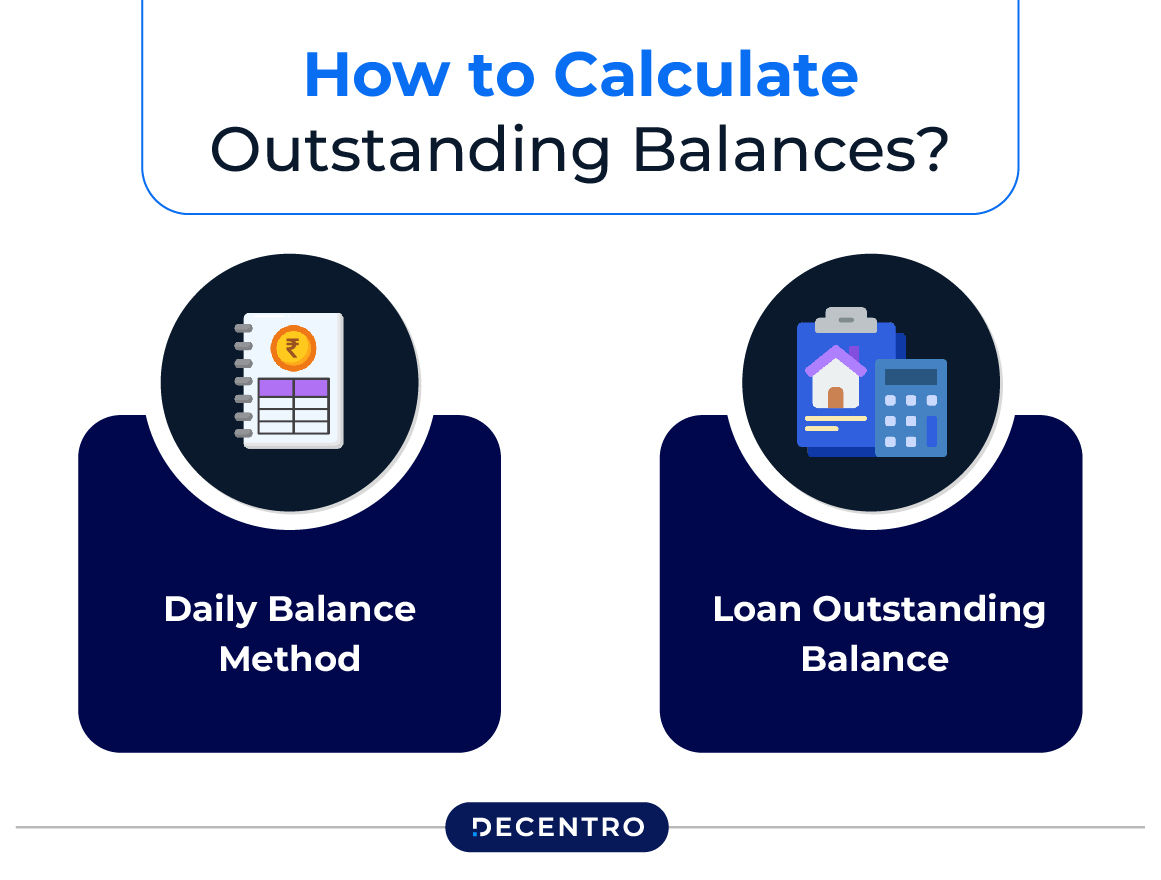
An outstanding balance is, at its core, the total amount of debt currently owed on an account. However, depending on the type of financial instrument you are using, this number can fluctuate daily based on interest accrual, new transactions, and pending payments. To master your money, you must look beyond the raw number and understand the mechanics that drive it.
Decoding the Mechanics of an Outstanding Balance
While the term might seem self-explanatory, the way an outstanding balance is calculated varies significantly across different financial products. It is the sum of all unpaid charges, interest charges, fees, and any carried-over amounts from previous billing cycles.
The Definition and Core Components
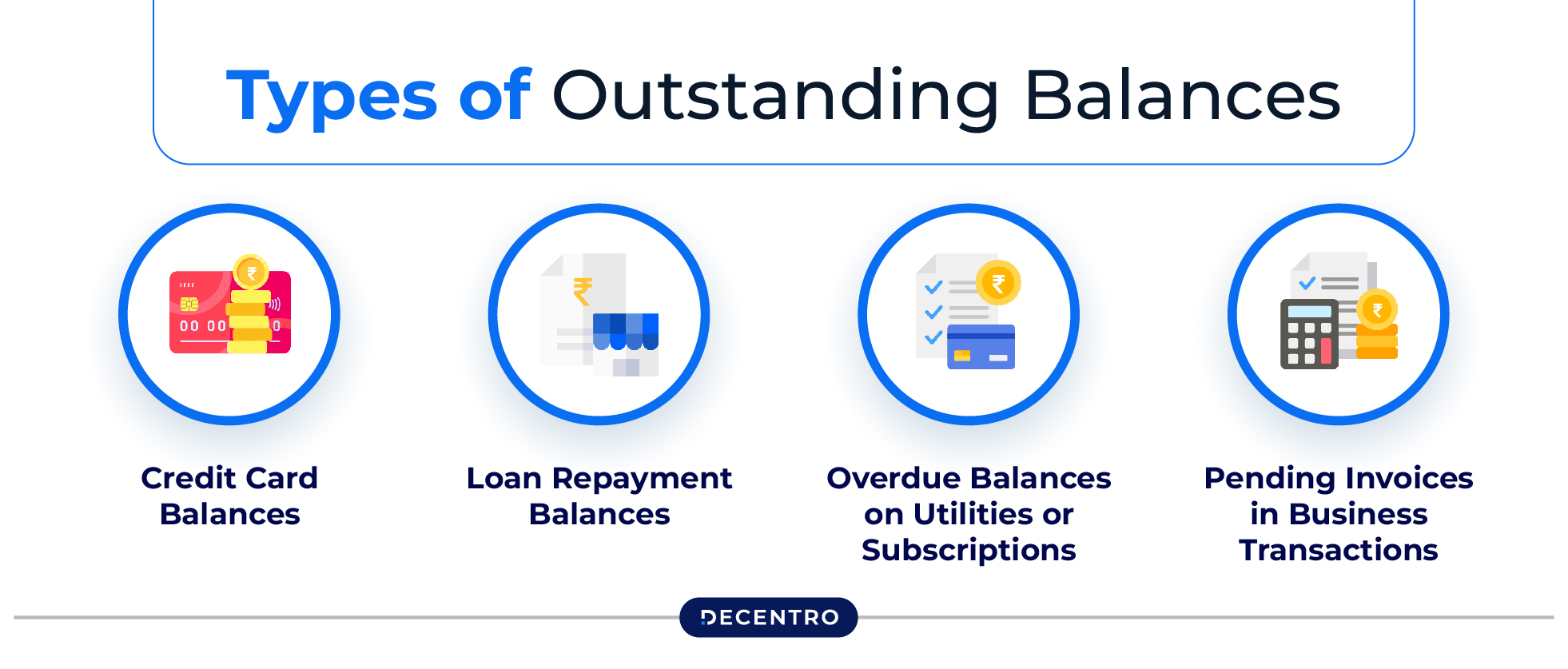
In the context of a credit card or a revolving line of credit, your outstanding balance is the real-time total of every transaction that has been posted to your account. This includes the principal amount of your purchases, any cash advances, and the interest that has been added to those amounts. It also encompasses late fees, annual fees, or foreign transaction fees.
Crucially, the outstanding balance is a “living” number. Unlike a fixed-rate loan where the balance decreases in predictable increments, a credit card’s outstanding balance changes with every swipe of the card and every payment made.
Pending vs. Posted Transactions
One of the most common sources of confusion for consumers is the discrepancy between their “available credit” and their “outstanding balance.” This usually stems from the difference between pending and posted transactions. When you make a purchase, the merchant places an authorization hold on your account. This is a “pending” transaction. While this reduces your available credit immediately, it may not appear in your outstanding balance for 24 to 72 hours until the merchant finalizes the charge and it “posts” to the account. For precise financial planning, one must always account for these pending amounts, as they represent obligations that will imminently increase the outstanding balance.
How Interest Accumulates on Unpaid Balances
For many, the most dangerous aspect of an outstanding balance is the accumulation of interest. Most credit cards offer a “grace period”—a window of time (usually between the statement closing date and the payment due date) during which you can pay off your balance without incurring interest. However, if you carry an outstanding balance past the due date, the grace period typically vanishes.
Interest is then calculated based on the “average daily balance.” This means the bank looks at your outstanding balance every day of the month, adds them together, and divides by the number of days in the cycle. Because interest is often compounded daily, a high outstanding balance can grow exponentially if only minimum payments are made.
Outstanding Balances in Different Financial Contexts
The implications of an outstanding balance change depending on whether you are dealing with revolving debt, like a credit card, or installment debt, like a mortgage or an auto loan.
Credit Cards: Current Balance vs. Statement Balance
On a credit card statement, you will often see two different figures: the “statement balance” and the “current (outstanding) balance.”
- The Statement Balance is the total amount you owed at the end of the last billing cycle.
- The Current Outstanding Balance includes the statement balance plus any new purchases made since that statement was issued, minus any payments made since then.
To avoid interest, you generally only need to pay the statement balance by the due date. However, your credit score is affected by the current outstanding balance, regardless of whether you have reached your due date yet.
Student Loans and Mortgages: Principal vs. Interest
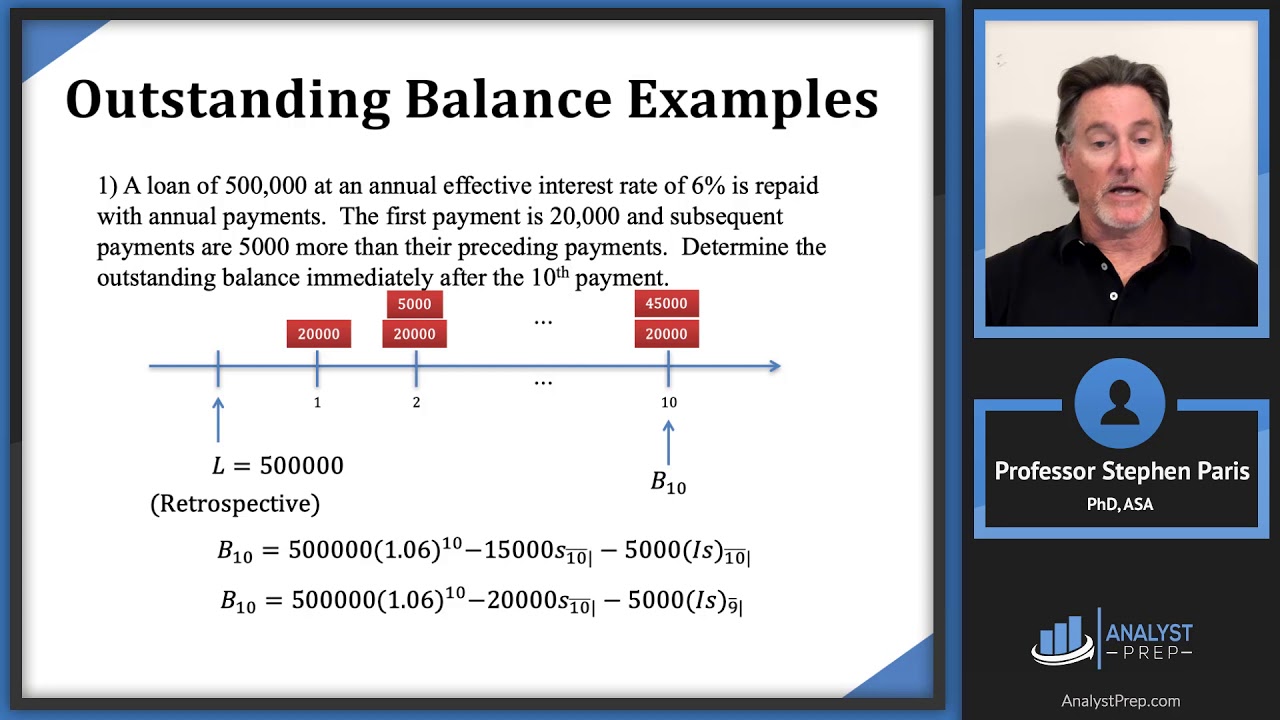
For installment loans, the outstanding balance is often referred to as the “payoff amount” or “remaining principal.” In the early years of a mortgage or a long-term student loan, a significant portion of your monthly payment goes toward interest rather than the principal. Consequently, you may notice that even after years of payments, your outstanding balance decreases much slower than expected. Understanding the amortization schedule is key here; it shows how your outstanding balance will diminish over the life of the loan.
Business Finance: Accounts Receivable and Payable
In the world of business finance, the term takes on a dual meaning. For a company, “Accounts Receivable” represents the outstanding balances owed to them by customers. This is considered an asset. Conversely, “Accounts Payable” represents the outstanding balances the company owes to its suppliers. Managing the “Days Sales Outstanding” (the average time it takes to collect these balances) is a critical metric for cash flow management. If a business has too many outstanding balances from its clients, it may run out of liquid cash to pay its own outstanding balances, leading to insolvency.
The Impact of Outstanding Balances on Your Financial Health
Your outstanding balance is not just a reminder of what you owe; it is a primary data point used by credit bureaus and lenders to determine your creditworthiness.
Credit Utilization Ratio and Your Credit Score
In the FICO scoring model, “amounts owed” accounts for 30% of your total credit score. The most important metric within this category is the credit utilization ratio. This is calculated by dividing your total outstanding balances on revolving accounts by your total available credit limits.
For example, if you have a total credit limit of $10,000 across all cards and an outstanding balance of $5,000, your utilization is 50%. Financial experts generally recommend keeping this ratio below 30%, and ideally below 10% for the highest scores. A high outstanding balance relative to your limit suggests to lenders that you may be overextended, which can lower your score even if you make every payment on time.
Debt-to-Income (DTI) Ratio and Loan Eligibility
When you apply for a major loan, such as a mortgage, lenders look at your Debt-to-Income ratio. They compare your gross monthly income to the total of your monthly minimum payments on all outstanding balances. If your outstanding balances are so high that your monthly obligations consume more than 36% to 43% of your income, you may be denied a loan or offered a much higher interest rate. Reducing your outstanding balances is the most direct way to improve this ratio.
The Psychology of Carrying Debt
Beyond the numbers, high outstanding balances have a psychological weight. “Debt fatigue” is a real phenomenon where the constant sight of a large outstanding balance leads to stress and a sense of hopelessness. This often results in “ostriching”—the act of ignoring financial statements to avoid the anxiety they cause. Understanding that an outstanding balance is a manageable variable rather than a permanent state is the first step toward reclaiming psychological and financial freedom.
Strategic Methods to Manage and Reduce Outstanding Balances
If you find yourself with an outstanding balance that feels unmanageable, several proven strategies can help you systematically reduce the debt.
The Avalanche vs. Snowball Method
Two of the most popular strategies for tackling outstanding balances are the Debt Avalanche and the Debt Snowball.
- The Debt Avalanche: You list all your accounts and focus all extra funds on the account with the highest interest rate, while making minimum payments on the rest. This is mathematically the most efficient way to save money on interest.
- The Debt Snowball: You focus on the account with the smallest outstanding balance first. Once that is paid off, you move the money you were paying on it to the next smallest balance. This creates psychological momentum through “quick wins.”
Utilizing Balance Transfers and Consolidation
For those with high-interest outstanding balances on multiple credit cards, a balance transfer card with a 0% introductory APR can be a powerful tool. By moving high-interest debt to a 0% card, every dollar you pay goes directly toward the principal outstanding balance rather than interest. However, this requires discipline to pay off the balance before the introductory period ends. Similarly, a personal debt consolidation loan can turn multiple fluctuating outstanding balances into one fixed monthly payment, often at a lower interest rate.
Budgeting Frameworks for Debt Repayment
Effective management of an outstanding balance requires a strict budget. The 50/30/20 rule is a common framework: 50% of income goes to needs, 30% to wants, and 20% to savings and debt repayment. If you have significant outstanding balances, you may need to temporarily adjust this to a 50/10/40 split to accelerate your progress.
Common Pitfalls and How to Avoid Them
Even well-intentioned consumers can fall into traps that keep their outstanding balances high for years.
The Danger of Minimum Payments
Credit card issuers are required to show a “Minimum Payment Warning” on statements. This table illustrates how many years it will take to pay off your outstanding balance if you only make the minimum payment. Often, a $5,000 balance can take over 20 years to clear if only the minimum is paid, as the payment barely covers the interest being added each month. To effectively lower an outstanding balance, one must always aim to pay significantly more than the minimum.
Understanding Grace Periods
Many people believe that as long as they pay “something” by the due date, they won’t be charged interest. This is a misconception. To maintain your interest-free grace period, you must pay the entire statement balance. Furthermore, if you have a remaining outstanding balance from the previous month, new purchases typically begin accruing interest the moment they are made, with no grace period applied.
Dealing with Errors on Your Statement
Sometimes, an outstanding balance is high because of an error, a duplicate charge, or even identity theft. It is vital to review your transaction history monthly. Under the Fair Credit Billing Act, you have the right to dispute unauthorized charges or mathematical errors. Regularly checking your outstanding balance allows you to catch these issues early before they impact your credit score or accrue significant interest.
By viewing your outstanding balance as a dynamic tool rather than just a bill, you gain the power to influence your financial future. Whether you are leveraging low-interest debt to build a business or aggressively paying down high-interest credit cards to boost your credit score, clarity is your greatest asset. Monitoring, managing, and strategically reducing your outstanding balances are the hallmarks of a sophisticated approach to personal finance.
aViewFromTheCave is a participant in the Amazon Services LLC Associates Program, an affiliate advertising program designed to provide a means for sites to earn advertising fees by advertising and linking to Amazon.com. Amazon, the Amazon logo, AmazonSupply, and the AmazonSupply logo are trademarks of Amazon.com, Inc. or its affiliates. As an Amazon Associate we earn affiliate commissions from qualifying purchases.