
The year 2020 was, without exaggeration, a period of unprecedented global upheaval. From a public health crisis that brought economies to a screeching halt to the subsequent efforts to mitigate its financial fallout, the world witnessed rapid and dramatic shifts across virtually every sector. Central to the economic response and its implications for individuals, businesses, and markets alike were interest rates. Far from being a dry, academic topic, the trajectory of interest rates in 2020 became a critical factor in determining the financial health and future prospects for millions. This article delves into the specifics of what happened to interest rates during this extraordinary year, exploring the forces that drove them, the benchmarks that defined them, and their profound impact on various facets of our financial lives. Understanding 2020’s interest rate environment is not just a look back but a crucial lens through which to comprehend the lingering effects and current economic landscape.
The Unprecedented Economic Landscape of 2020
The onset of the COVID-19 pandemic triggered an immediate and severe economic shock across the globe. As nations implemented lockdowns and restrictions to curb the spread of the virus, businesses faced closures, supply chains fractured, and consumer spending plummeted. This sudden contraction in economic activity created a climate of immense uncertainty, threatening to plunge economies into a deep and prolonged recession, or even a depression. Governments and central banks worldwide recognized the urgency of the situation, necessitating swift and decisive action to stabilize financial markets and prevent a complete economic collapse.
The Immediate Impact of COVID-19
The early months of 2020 saw economies grapple with an abrupt cessation of normal operations. Travel industries ground to a halt, retail establishments shuttered, and manufacturing output declined sharply. Businesses faced immediate liquidity crises, and unemployment rates soared at a pace never before witnessed in modern history. This environment fostered a “flight to safety,” where investors rushed to preserve capital by moving funds into highly liquid and secure assets, such as U.S. Treasury bonds. This increased demand for government bonds naturally drove their yields down, signaling a broader expectation of lower interest rates across the economy. The palpable fear and uncertainty created a perfect storm for central banks to step in with aggressive measures.
Central Banks’ Swift Response
In response to the escalating crisis, central banks, most notably the U.S. Federal Reserve, initiated extraordinary monetary policy actions. Their primary goals were to inject liquidity into the financial system, stabilize markets, and prevent a credit crunch that would exacerbate the economic downturn. These actions included massive asset purchase programs (quantitative easing) and, most critically, dramatic cuts to benchmark interest rates. The speed and scale of these interventions were designed to provide immediate relief and signal strong support for the economy, aiming to lower borrowing costs for consumers and businesses alike and encourage spending and investment during a period of extreme stress.
Key Interest Rates and Their Trajectory
Understanding interest rates in 2020 requires looking at several key benchmarks and how they reacted to the unfolding crisis and the subsequent policy responses. The Federal Reserve’s actions profoundly influenced nearly all other rates, from mortgages to savings accounts, creating a ripple effect across the entire financial system.
The Federal Funds Rate: The Benchmark of Benchmarks
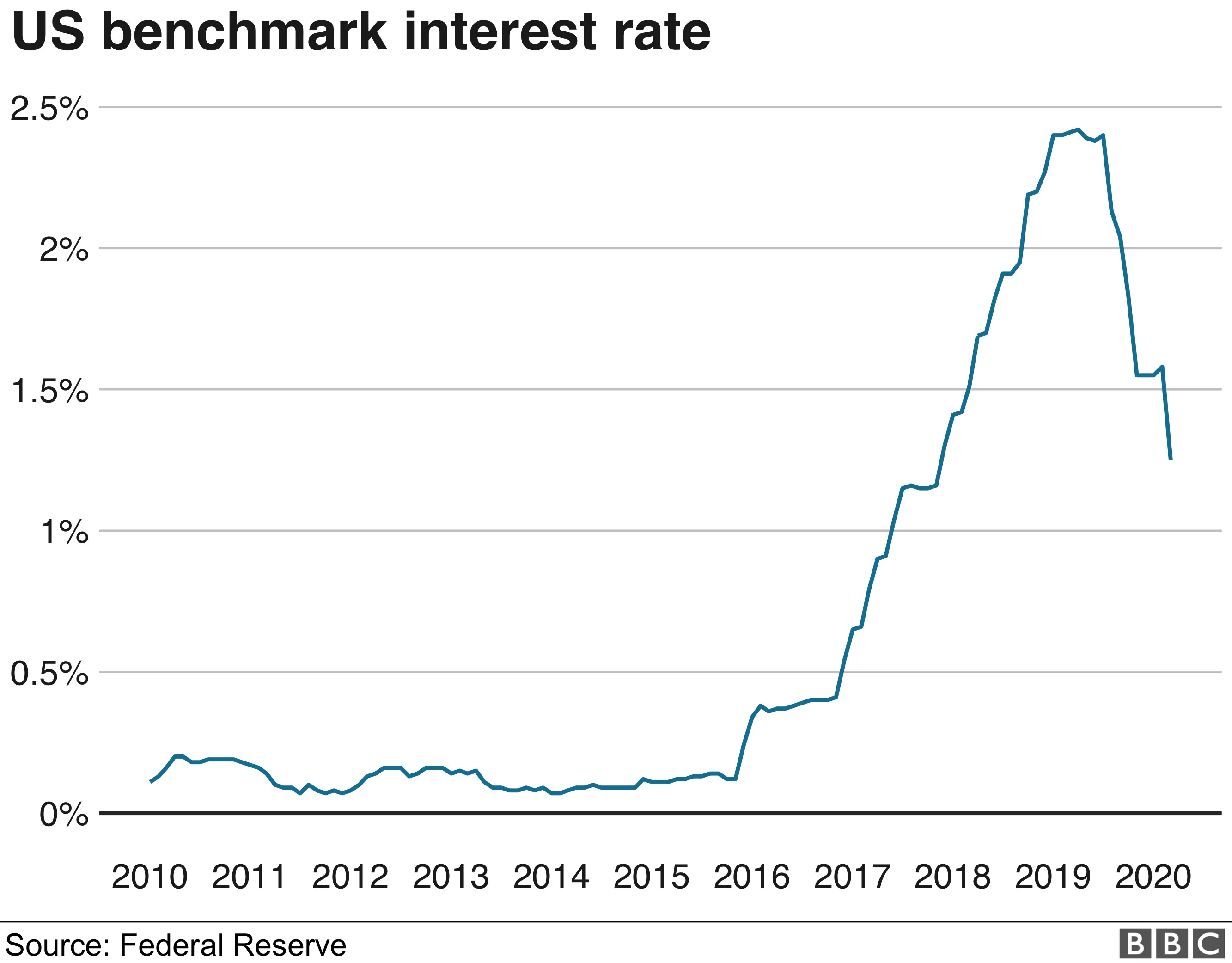
The Federal Funds Rate is perhaps the most critical interest rate in the U.S. economy, serving as the target for overnight lending between banks. It directly influences the prime rate and, indirectly, a host of other consumer and commercial interest rates. At the beginning of 2020, the Federal Funds Rate target range was already relatively low, between 1.50% and 1.75%. However, as the pandemic took hold, the Federal Reserve acted with unprecedented speed. In two emergency meetings in March 2020, the Fed slashed the target range by a total of 150 basis points, bringing it down to 0% to 0.25%. This near-zero rate was a powerful signal of the Fed’s commitment to supporting the economy and marked a pivotal moment for all other interest rates. It remained at this ultra-low level throughout the rest of 2020, anchoring the entire rate environment.
Mortgage Rates: A Boon for Homeowners
One of the most immediate and significant impacts of the Federal Reserve’s rate cuts was on mortgage rates. As the Federal Funds Rate plummeted, so did the rates on 30-year fixed-rate mortgages, the most popular home loan product. Throughout 2020, mortgage rates steadily declined, reaching historic lows. For instance, the average 30-year fixed mortgage rate, which started the year around 3.7%–3.8%, consistently fell, dipping below 3% by mid-summer and often hovering around 2.7%–2.8% by year-end, and even lower for some borrowers. These historically low rates fueled a significant boom in both mortgage refinancing and new home purchases, providing a much-needed boost to the housing market and allowing many homeowners to reduce their monthly payments.
Personal Loans and Credit Card Rates
While less directly tied to the Federal Funds Rate than mortgages, personal loan rates and credit card Annual Percentage Rates (APRs) also saw some movement. For unsecured personal loans, interest rates generally trended downwards, although they remained significantly higher than mortgage rates due to higher perceived risk. Borrowers with excellent credit could access personal loans at lower rates than before the pandemic, while those with lower credit scores still faced high rates, albeit potentially slightly reduced from pre-crisis levels. Credit card APRs, often tied to the prime rate (which mirrors the Federal Funds Rate), also saw modest declines. However, the high-interest nature of credit card debt meant that even these reductions were relatively small in absolute terms, and many consumers struggling financially still faced substantial interest burdens.
Savings and CD Rates: A Challenge for Savers
The flip side of lower borrowing costs was significantly diminished returns for savers. As the Federal Funds Rate dropped to near zero, interest rates on savings accounts, money market accounts, and certificates of deposit (CDs) followed suit. Banks drastically reduced the interest they paid on deposits, with many traditional savings accounts offering paltry rates, often well below 0.10%. Even higher-yield savings accounts and CDs, which previously offered competitive rates, saw their yields fall dramatically, making it challenging for individuals relying on interest income or seeking to grow their savings through low-risk avenues. This environment forced many savers to either accept minimal returns or explore alternative, potentially riskier, investment opportunities to achieve their financial goals.
Driving Forces Behind the Rate Plunge
The drastic reduction in interest rates in 2020 was not an isolated event but rather the consequence of a complex interplay of factors, primarily orchestrated by central bank policy in response to the pandemic’s economic fallout.
The Federal Reserve’s Aggressive Monetary Policy
The single most influential factor was the U.S. Federal Reserve’s aggressive and coordinated monetary policy response. Beyond slashing the Federal Funds Rate to near zero, the Fed embarked on an expansive quantitative easing program, purchasing trillions of dollars in Treasury bonds and mortgage-backed securities. The goal of these asset purchases was to push down long-term interest rates, further stimulating borrowing and investment. By injecting massive amounts of liquidity into the financial system, the Fed aimed to ensure that credit remained available and affordable, preventing a liquidity crisis and supporting market functioning during a period of extreme stress. Their “whatever it takes” stance provided a critical psychological anchor for markets.

Global Economic Uncertainty and Flight to Safety
The global nature of the pandemic created pervasive economic uncertainty across borders. As economies worldwide faced lockdowns and supply chain disruptions, investors sought safe havens for their capital. U.S. Treasury bonds, considered one of the safest assets globally, saw immense demand. This “flight to quality” pushed down Treasury yields, which serve as a benchmark for many other long-term interest rates, including mortgages. Even as the Fed was actively buying bonds, market demand for safety independently contributed to the downward pressure on rates. The perceived risk of holding riskier assets like stocks or corporate bonds prompted a shift towards safer, albeit lower-yielding, government debt.
Government Fiscal Stimulus Programs
While monetary policy dealt with interest rates and liquidity, government fiscal policy provided direct financial support to individuals and businesses. The CARES Act and subsequent relief packages deployed trillions of dollars in aid, including stimulus checks, enhanced unemployment benefits, and business loans (like the Paycheck Protection Program). These fiscal measures worked in tandem with monetary policy to stabilize the economy. While not directly lowering interest rates, the fiscal support helped prop up demand, prevent widespread defaults, and reduce the overall systemic risk, which in turn allowed central banks to implement their low-rate policies more effectively without triggering immediate inflationary concerns in a deflationary environment.
Who Benefited and Who Was Challenged?
The low-interest-rate environment of 2020 created clear winners and losers across various segments of the economy and financial markets. Its impact was far-reaching, influencing everything from individual household budgets to corporate investment strategies.
Borrowers: Refinancing Opportunities and Cheaper Credit
One of the most significant beneficiaries were borrowers. Homeowners, in particular, seized the opportunity to refinance their mortgages at historically low rates, dramatically reducing their monthly payments and freeing up cash for other expenditures or savings. This wave of refinancing also stimulated the housing market, leading to increased activity among lenders and related service providers. For individuals looking to purchase a new home, the attractive rates made homeownership more affordable, driving demand even amidst economic uncertainty. Businesses also benefited from cheaper credit, allowing them to borrow funds at lower costs for operational expenses, investments, or to weather the economic downturn, improving their liquidity and solvency during a challenging period.
Savers and Fixed-Income Investors: The Hunt for Yield
Conversely, savers and those relying on fixed-income investments faced significant challenges. With savings account rates hovering near zero and bond yields at historic lows, traditional safe havens offered minimal returns. Retirees and others dependent on interest income found their earnings severely curtailed, forcing many to either spend down capital, re-evaluate their retirement plans, or move into riskier assets in search of better returns. This “hunt for yield” pushed some investors into segments of the stock market or other alternative investments they might not have considered under different circumstances, introducing higher risk profiles to their portfolios. The lack of attractive low-risk options became a persistent concern for conservative investors.
The Housing Market: A Surge in Activity
Despite the broader economic downturn, the housing market experienced an unexpected boom in 2020, largely fueled by ultra-low mortgage rates. The combination of reduced borrowing costs, a desire for more space during lockdowns, and a shift towards remote work opportunities drove robust demand for homes. This led to competitive bidding wars and a rapid appreciation in home values in many regions, creating a wealth effect for existing homeowners. While good for sellers and the real estate industry, it also intensified affordability challenges for first-time buyers and those in lower-income brackets, contributing to a widening wealth gap.
Corporate Finance: Access to Liquidity
For corporations, the low-rate environment provided a critical lifeline. Companies were able to access capital markets at very attractive rates, issuing new debt to shore up their balance sheets, refinance existing, more expensive debt, and fund operations during a period of reduced revenue. This access to cheap liquidity was instrumental in helping many businesses survive the severe economic contraction. It allowed them to avoid widespread bankruptcies that might have otherwise occurred, maintaining employment and facilitating a quicker rebound once the economy began to reopen. The ability to raise capital cheaply also fueled mergers and acquisitions and stock buybacks, impacting equity markets.
The Lasting Legacy of 2020’s Interest Rate Environment
The extraordinary monetary policies and interest rate dynamics of 2020 left an indelible mark on the global economy, setting the stage for subsequent financial trends and policy debates that continue to shape our present. The decisions made during the crisis have long-term ramifications, influencing everything from inflation expectations to investment strategies.
The Era of “Lower for Longer”
One of the most significant legacies of 2020 was the entrenchment of the “lower for longer” interest rate paradigm. Having aggressively cut rates to near zero, central banks signaled their willingness to keep them there for an extended period to support economic recovery and achieve their inflation targets. This expectation fundamentally altered financial planning for individuals and businesses, encouraging more borrowing and investment while posing ongoing challenges for savers. It also fueled asset price inflation, as investors poured money into stocks, real estate, and other assets in search of returns that traditional fixed-income investments no longer provided, contributing to an environment where equities often seemed “TINA” (There Is No Alternative).
Inflationary Pressures and Future Rate Hikes
While the immediate concern in 2020 was deflation, the massive monetary and fiscal stimulus planted the seeds for future inflationary pressures. The combination of unprecedented liquidity, pent-up consumer demand, and eventual supply chain disruptions led to a surge in inflation in the years following 2020. This eventually forced central banks, including the Federal Reserve, to reverse course and embark on a series of aggressive interest rate hikes beginning in 2022. The dramatic shifts from near-zero rates to rapidly rising rates highlighted the delicate balance central banks must strike and the lagged effects of their policies, creating a much more volatile interest rate landscape post-2020.

Lessons for Personal and Business Financial Planning
The events of 2020 underscored several crucial lessons for financial planning. For individuals, it highlighted the importance of having an emergency fund, the opportunities presented by advantageous refinancing, and the need to diversify investment portfolios beyond traditional low-yield savings. For businesses, it emphasized the critical role of maintaining adequate liquidity, managing debt efficiently, and adapting swiftly to changing economic conditions. The rapid shifts in interest rates since 2020 serve as a potent reminder that while central banks aim for stability, the financial environment is dynamic, requiring continuous vigilance and adaptability in personal and corporate financial strategies.
In conclusion, 2020 was a landmark year for interest rates, characterized by unprecedented cuts and a pervasive “lower for longer” mentality driven by the global pandemic and aggressive central bank interventions. While it provided critical support for borrowers and the housing market, it simultaneously challenged savers and set the stage for subsequent inflationary pressures and a dramatic reversal in monetary policy. The echoes of 2020’s interest rate decisions continue to resonate, shaping today’s financial markets and underscoring the profound impact of central bank actions on economic stability and individual prosperity.
aViewFromTheCave is a participant in the Amazon Services LLC Associates Program, an affiliate advertising program designed to provide a means for sites to earn advertising fees by advertising and linking to Amazon.com. Amazon, the Amazon logo, AmazonSupply, and the AmazonSupply logo are trademarks of Amazon.com, Inc. or its affiliates. As an Amazon Associate we earn affiliate commissions from qualifying purchases.