
The intricate and often underappreciated world of insects offers a wealth of inspiration for technological innovation. Among these marvels, wasps, with their diverse ecological roles, present a particularly compelling case study for how nature’s designs can inform and advance human endeavors in sustainability and efficiency. Far from being mere pests, many wasp species are crucial cogs in the machinery of our planet’s ecosystems, performing vital services that, when understood and emulated, can lead to groundbreaking technological solutions. This exploration delves into the multifaceted contributions of wasps to environmental health and how these natural strategies are being translated into innovative technologies across various sectors.
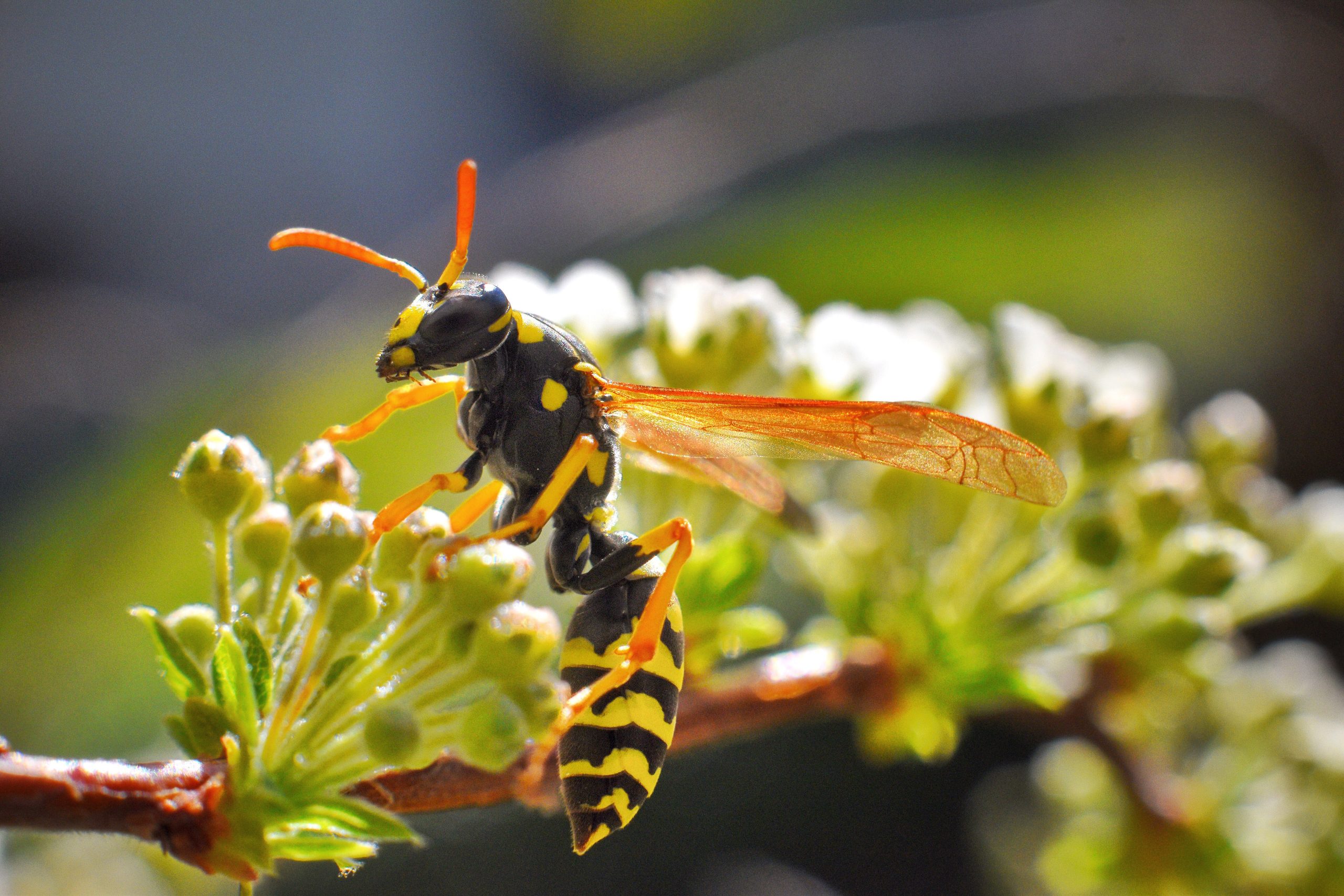
The Ingenuity of Wasp-Mediated Pest Control: Natural Models for Sustainable Agriculture
One of the most significant contributions of wasps to the environment is their role as natural pest controllers. This biological control mechanism is not only a cornerstone of healthy ecosystems but also a powerful blueprint for developing sustainable agricultural practices. As reliance on synthetic pesticides continues to raise environmental concerns, understanding and harnessing the predatory and parasitic behaviors of wasps offers a potent, eco-friendly alternative.
Parasitoid Wasps: Precision Biocontrol Agents
Parasitoid wasps, a vast and diverse group, are perhaps the most remarkable natural enemies of insect pests. Unlike predators that kill their prey outright, parasitoids lay their eggs on or inside a host insect. The developing wasp larva then consumes the host from within, eventually killing it. This highly specific relationship is key to their effectiveness. Each species of parasitoid wasp is often specialized to attack a particular pest species or a narrow range of hosts. This specificity is a critical advantage, as it means they rarely harm non-target organisms, including beneficial insects like bees or other natural predators.
The power of this specificity lies in its potential for precision agriculture. Researchers are actively studying these wasps to identify species that can be deployed to control specific agricultural pests. This involves meticulous research into wasp life cycles, host specificity, and optimal environmental conditions for their efficacy. For instance, species like the Trichogramma wasps are tiny, naturally occurring enemies of moth eggs, which are notorious for decimating crops like corn and cotton. By mass-rearing these wasps and releasing them into fields at critical times, farmers can significantly reduce crop damage without resorting to broad-spectrum chemical sprays. This approach not only protects the environment from chemical pollution but also preserves the biodiversity within agricultural landscapes.
Predatory Wasps: Active Hunters of Garden and Crop Pests
Beyond parasitoids, predatory wasps also play a vital role in keeping pest populations in check. Many species, such as the common yellow jacket and paper wasp, hunt and consume a wide array of insects, including aphids, caterpillars, flies, and spiders, which are often considered agricultural or garden pests. These wasps are voracious hunters, providing a natural service that benefits both wild ecosystems and human-managed gardens and farms.
The ecological benefit is straightforward: by actively preying on these insects, predatory wasps prevent them from reaching population levels that could cause significant damage to plants. In a natural setting, this helps maintain a balance, preventing outbreaks of pests that could otherwise lead to plant mortality. In agricultural contexts, the presence of diverse wasp populations can act as a first line of defense, reducing the need for human intervention. Furthermore, their broad dietary habits mean they can target a variety of pest species simultaneously, offering a more comprehensive pest management solution compared to the narrow focus of some biological control agents.
Bio-Inspired Technologies: Mimicking Natural Defense Mechanisms
The success of wasp-mediated pest control is not just about identifying and conserving existing wasp populations; it’s also about learning from their strategies to develop novel technologies. For example, the chemical compounds used by wasps for communication, defense, and host-finding are areas of intense research. Understanding these pheromones and alarm signals could lead to the development of synthetic lures or repellents that can be used to trap pests or steer them away from crops, further reducing the need for chemical pesticides.
Moreover, the intricate nest-building behaviors of social wasps offer inspiration for material science and engineering. Their ability to construct complex, durable structures from simple materials like chewed wood pulp and saliva has sparked interest in developing self-assembling or bio-mimetic construction materials that are strong, lightweight, and environmentally friendly. While not directly related to pest control, this illustrates the broader potential of wasp biology to influence technological innovation.
The Role of Wasps in Pollination: Unsung Heroes of Plant Reproduction
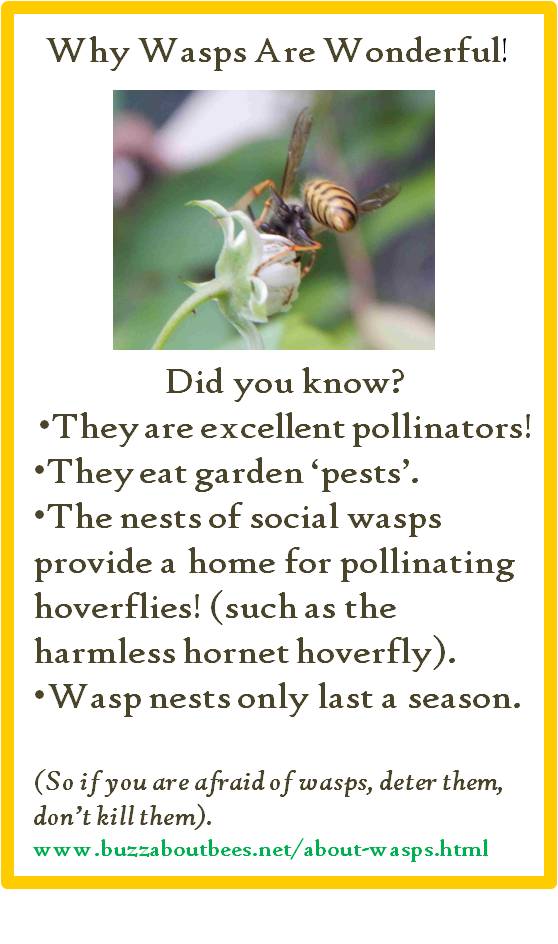
While bees often steal the spotlight as the primary pollinators, wasps also contribute significantly to the reproductive success of many plant species. Their role in pollination, though less celebrated, is nonetheless vital for maintaining biodiversity and supporting plant communities, which in turn have downstream effects on numerous other species and environmental processes.
Specialized Pollinators: More Than Just Opportunists
Many wasp species, particularly those in families like Sphecidae (digger wasps) and Vespidae (social wasps), inadvertently transfer pollen as they forage for nectar or hunt for prey. As they move from flower to flower, they come into contact with pollen, which then adheres to their bodies and is transferred to other blossoms. While they may not be as efficient as bees in terms of pollen-carrying capacity or specialized pollen-collecting structures, their sheer numbers and their presence across diverse habitats make them important contributors to pollination networks.
Certain plant species have evolved specific relationships with wasps, relying on them for pollination. For instance, some fig species are exclusively pollinated by tiny fig wasps, with an elaborate co-evolutionary dance that ensures the survival of both species. Other plants, particularly those with less accessible floral structures or those blooming at times when bees are less active, may benefit more significantly from wasp pollination. This highlights that pollination is not a monolithic process but a complex web of interactions involving a multitude of insect species, each with a unique role.
Ecosystem Stability and Biodiversity Support
The pollination services provided by wasps contribute to the overall health and stability of ecosystems. By facilitating the reproduction of plants, wasps help maintain plant diversity, which is the foundation of most terrestrial food webs. A diverse plant community provides food and habitat for a wide array of other organisms, from herbivores to insectivores to larger animals. Without adequate pollination, the reproductive success of many plant species would decline, leading to reduced plant biomass, altered habitat structure, and a cascade of negative impacts throughout the ecosystem.
Furthermore, the broader ecological role of wasps as pollinators is often overlooked in conversations about conservation. Protecting wasp populations, therefore, indirectly supports the conservation of the plant species they pollinate, as well as the myriad of other species that depend on those plants. This underscores the interconnectedness of ecological systems and the importance of recognizing the contributions of all organisms, even those that are less charismatic.
Technological Analogues: Exploring Automated Pollination Systems
The study of natural pollination mechanisms, including those involving wasps, can inform the development of novel technological solutions. As concerns grow about declining pollinator populations worldwide, researchers are exploring automated pollination systems. While current research often focuses on robotic bees, the principles behind efficient pollen transfer observed in both bees and wasps can be applied. Understanding how different insects pick up and deposit pollen, their flight patterns, and their engagement with floral structures can provide valuable data for designing effective robotic pollinators.
Even the less efficient pollination methods of wasps can offer insights into redundancy and robustness in pollination systems. This could lead to the development of systems that employ multiple, less specialized agents to ensure that pollination occurs even if one method fails. This principle of distributed, multifaceted approaches mirrors the complex, redundant pollination networks found in nature, where various insects contribute to the reproductive success of plants.
Decomposition and Nutrient Cycling: Nature’s Recycling Crew, Fueled by Wasp Activity
Wasps play an often-unseen but crucial role in decomposition and nutrient cycling. Their feeding habits, particularly their consumption of carrion and waste, contribute to breaking down organic matter and returning essential nutrients to the soil, thereby supporting plant growth and overall ecosystem health.
Scavenging Behavior: Cleaning Up the Environment
Many species of wasps are scavengers, feeding on dead insects, other invertebrates, and even small vertebrates. This scavenging behavior is vital for preventing the accumulation of dead organic matter and the spread of diseases that could arise from decaying carcasses. By consuming this material, wasps effectively act as nature’s cleanup crew, removing potential sources of contamination and speeding up the decomposition process.
For example, social wasps like yellow jackets are notorious for scavenging on dead insects. During the summer months, they can consume a significant amount of insect biomass, preventing pest populations from exploding and contributing to the rapid breakdown of fallen insect bodies. This natural recycling service is particularly important in environments where decomposition rates might be slower due to climatic conditions or a lack of other specialized decomposers.
Nutrient Distribution: Fertilizing the Ecosystem
As wasps consume organic matter, they process it and excrete waste products. These waste materials are rich in nutrients, such as nitrogen and phosphorus, which are then returned to the soil. This contributes to nutrient cycling, effectively fertilizing the environment and making these essential elements available for plant uptake. This process is a fundamental aspect of ecosystem health, supporting plant growth and, consequently, the entire food web.
The efficiency of this nutrient recycling is amplified by the widespread presence of wasps in diverse habitats. From forests and meadows to urban gardens, wasps are actively contributing to the breakdown of organic matter and the redistribution of nutrients. This natural fertilization service reduces the reliance on external nutrient inputs and helps maintain the ecological balance of various environments.

Bio-Inspired Waste Management and Bioremediation
The scavenging and decomposition activities of wasps can inspire technological solutions in waste management and bioremediation. Researchers are exploring how to harness the digestive enzymes of insects, including wasps, to break down complex organic waste materials. This could lead to the development of novel bioreactors that efficiently process organic waste, producing valuable byproducts like compost or biofuels.
Furthermore, the ability of certain wasps to consume and break down decaying organic matter has implications for environmental cleanup efforts. Understanding the specific biochemical pathways they employ could inform the development of microbial consortia or enzyme cocktails for bioremediation of contaminated sites. This could be particularly relevant for dealing with organic pollutants or decomposing organic waste in a more sustainable and efficient manner, mirroring the natural processes that wasps facilitate.
In conclusion, wasps, often perceived negatively, are indispensable contributors to the health and functioning of our planet’s ecosystems. Their roles as natural pest controllers, pollinators, and agents of decomposition and nutrient cycling are fundamental to maintaining biodiversity, agricultural productivity, and overall environmental stability. As we continue to face ecological challenges, understanding and emulating the intricate biological strategies employed by these remarkable insects offers a fertile ground for technological innovation, paving the way for more sustainable and efficient solutions for a healthier future.
aViewFromTheCave is a participant in the Amazon Services LLC Associates Program, an affiliate advertising program designed to provide a means for sites to earn advertising fees by advertising and linking to Amazon.com. Amazon, the Amazon logo, AmazonSupply, and the AmazonSupply logo are trademarks of Amazon.com, Inc. or its affiliates. As an Amazon Associate we earn affiliate commissions from qualifying purchases.