
In the high-stakes world of modern communication, a single sentence can dismantle years of meticulous brand positioning. The recent controversy surrounding a specific comedic set—popularly referred to as the “Puerto Rico joke”—at a high-profile political rally serves as a definitive case study in brand risk. For brand strategists, marketers, and corporate identity experts, this event is not merely a political flashpoint; it is a profound lesson in the fragility of public perception and the catastrophic consequences of misaligned messaging.
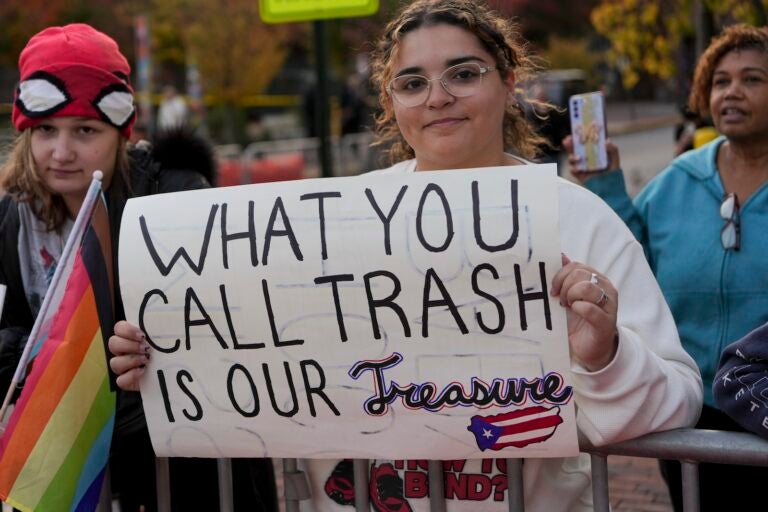
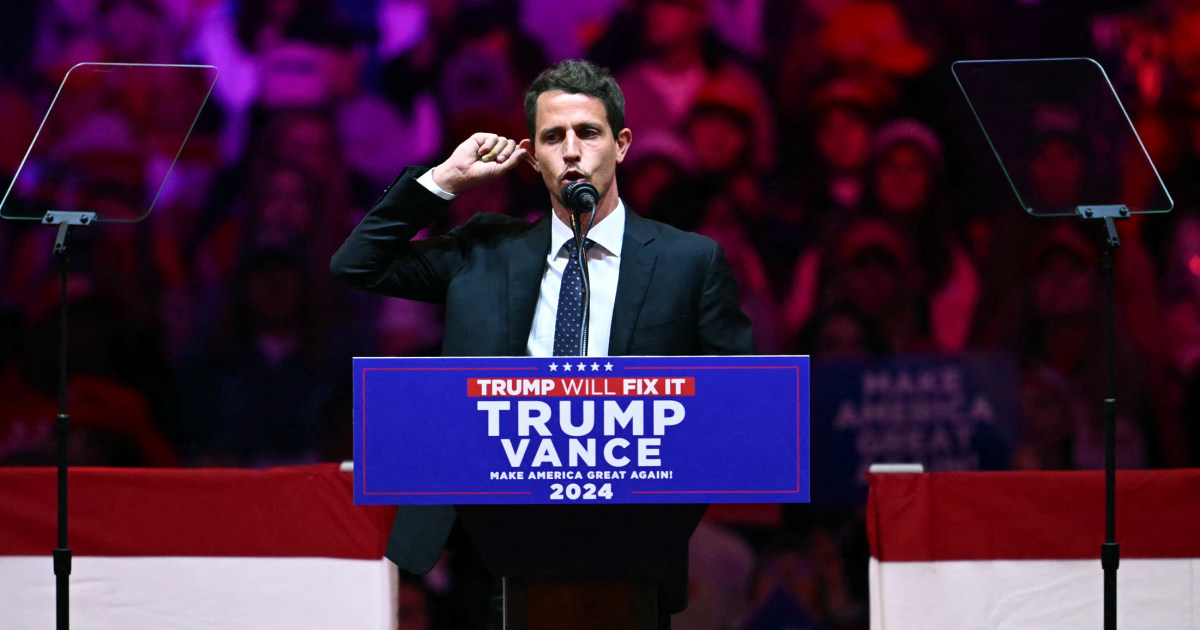
When comedian Tony Hinchcliffe referred to Puerto Rico as a “floating island of garbage,” he triggered a chain reaction that transcended entertainment. It became a textbook example of how a brand’s “guest talent” can inadvertently sabotage the core brand’s equity. This article analyzes the incident through the lens of brand strategy, exploring the importance of audience alignment, the mechanics of crisis management, and the long-term impact on brand identity.
The Anatomy of a Brand Crisis: Context and Content
Every brand is a promise. It is an implicit agreement between the entity and its audience that the messaging will remain consistent with the values the audience expects. When that promise is broken, a brand crisis ensues. In the case of the Puerto Rico joke, the “brand” in question was a political campaign, and the “product” was a large-scale event designed to solidify support among key demographics.
The Mechanics of Brand Association
In branding, association is everything. Whether it is a celebrity endorsement for a luxury watch or a guest speaker at a corporate summit, the audience views the speaker as an extension of the host brand. By providing a platform, the host brand “vets” and “approves” the speaker’s content. When the comedian delivered the joke, the audience did not just attribute the remark to him; they attributed the sentiment to the host organization’s brand identity.
Defining Brand Safety
Brand safety is a concept typically discussed in digital advertising—ensuring an ad doesn’t appear next to offensive content. However, physical events require the same level of brand safety. The “Puerto Rico joke” represented a failure in brand safety protocols. The lack of content vetting allowed a high-risk message to be broadcast under the host’s banner, highlighting a lack of oversight in the brand’s operational strategy.
The Speed of Digital Brand Erosion
In the digital age, brand damage occurs at the speed of light. Within minutes of the joke being told, it was clipped, memed, and disseminated across social media. This “viral toxicity” means that brands no longer have the luxury of a 24-hour news cycle to formulate a response. The joke became a permanent part of the brand’s digital footprint, illustrating how a single “on-brand” event can be derailed by one “off-brand” moment.
Audience Alignment and the Perils of Off-Brand Messaging
Successful branding requires a deep understanding of the “Customer Persona.” In this scenario, the target audience included a diverse range of voters, including the significant and influential Puerto Rican demographic. When a brand insults its own potential customer base, it commits the ultimate marketing sin: alienating the very people it is trying to convert.
Misunderstanding the Target Demographic
A brand must speak the language of its audience. For a political brand aiming to expand its market share among Hispanic communities, allowing a joke that disparaged a core part of that community was a failure of demographic research. It showed a disconnect between the brand’s “marketing goals” (winning votes) and its “product delivery” (the rally content).
The “Niche” vs. the “Mass Market”
The comedian’s brand is built on “roast comedy”—a niche, abrasive style of humor that rewards shock value. However, a major political or corporate brand is a “mass-market” entity. When these two brand types collide, the mass-market brand is almost always the loser. The joke may have been “on-brand” for a comedy club, but it was “off-brand” for a national platform. This serves as a warning to brand managers: ensure your influencers’ personal brands align with your corporate values.
Sentiment Analysis and Brand Favorability
Immediately following the joke, sentiment analysis—a tool used by brand managers to track public mood—showed a sharp decline in favorability among key segments. The “joke” wasn’t just a PR problem; it was a data problem. It shifted the brand’s Net Promoter Score (NPS) into negative territory with a demographic that was essential for the brand’s “growth strategy.”
Crisis Communication Strategies: Salvaging Brand Identity
When a brand crisis of this magnitude occurs, the response strategy is just as important as the incident itself. The “Puerto Rico joke” forced the host brand into a defensive posture, requiring a rapid deployment of crisis communication tactics.
The Art of the Brand Pivot
The first step in crisis management is often the “pivot”—distancing the core brand from the offending incident. The campaign quickly issued statements clarifying that the joke did not reflect the views of the candidate. From a brand perspective, this is an attempt at “damage containment.” By isolating the speaker, the brand tries to cauterize the wound and prevent the toxicity from spreading to the brand’s leader.
Rebuilding Brand Trust Through Action
Words are rarely enough to fix a damaged brand. To truly recover, a brand must engage in “reparative branding.” This involves proactive outreach to the affected community. In the days following the joke, the brand had to work twice as hard to re-establish a positive narrative. This included highlighting previous policy positions and engaging with community leaders to prove that the “joke” was an anomaly, not a feature of the brand.
The Role of Spokespeople in Brand Recovery
In any brand crisis, the “Face of the Brand” must decide whether to address the issue directly or delegate the response. If the CEO (or candidate) addresses it, it gives the issue more weight but shows leadership. If a spokesperson addresses it, it keeps the leader’s brand “clean” but may seem insincere. The handling of the Puerto Rico joke showed the tension between these two strategies as the brand attempted to balance accountability with distance.
Long-term Brand Equity: The Cost of Viral Missteps
The true cost of the Puerto Rico joke is not measured in the immediate backlash, but in the long-term erosion of brand equity. Brand equity is the value premium that a brand generates from a recognizable name when compared to a generic equivalent. When that name becomes associated with a negative event, the equity drops.
The “Sticky” Nature of Negative Branding
Psychological studies in branding show that negative associations are more “sticky” than positive ones. Consumers (and voters) are more likely to remember a brand failure than a brand success. The “Puerto Rico joke” has now become a “searchable event,” meaning that for years to come, anyone searching for the brand will likely encounter references to this controversy. This “SEO scarring” is a long-term liability for any brand identity.
Brand Loyalty vs. Brand Switching
In the commercial world, a bad experience leads to “brand switching”—customers moving to a competitor. In the context of the joke, the risk was that loyalists might become “silent” and “undecideds” might switch their preference to the competing brand. This illustrates why brand protection is just as important as brand promotion. Maintaining a “loyalist” base requires consistent brand behavior; one major deviation can cause a mass exodus of the “soft” supporters.
Institutional Memory and Brand Evolution
Brands are living entities. They evolve based on their history. The Puerto Rico joke will eventually become part of the brand’s institutional memory. How the brand learns from this—perhaps by implementing stricter vetting processes or by refining its demographic outreach—will determine its future resilience. A brand that does not learn from its communication failures is destined to repeat them, leading to a permanent decline in market relevance.

Conclusion: The Final Verdict on Brand Risk
The “Puerto Rico joke” was more than a poorly timed quip; it was a significant brand failure that highlighted the dangers of unvetted messaging and misaligned influencer partnerships. In the modern marketplace, where every word is recorded and every mistake is amplified, brands must be more vigilant than ever.
For brand managers, the takeaway is clear:
- Vet your influencers: Ensure their brand values align with yours.
- Know your audience: Never sacrifice your relationship with a key demographic for a momentary “win” or a laugh.
- Act fast: Crisis management must be immediate, transparent, and action-oriented.
- Protect your equity: Your brand’s reputation is its most valuable asset; do not leave it in the hands of those who do not share your long-term goals.
Ultimately, a brand is defined not by what it says about itself, but by how its audience perceives its actions. The Puerto Rico joke serves as a stark reminder that in the world of branding, there is no such thing as “just a joke.” Every piece of content is a reflection of the brand identity, and every reflection matters.
aViewFromTheCave is a participant in the Amazon Services LLC Associates Program, an affiliate advertising program designed to provide a means for sites to earn advertising fees by advertising and linking to Amazon.com. Amazon, the Amazon logo, AmazonSupply, and the AmazonSupply logo are trademarks of Amazon.com, Inc. or its affiliates. As an Amazon Associate we earn affiliate commissions from qualifying purchases.