
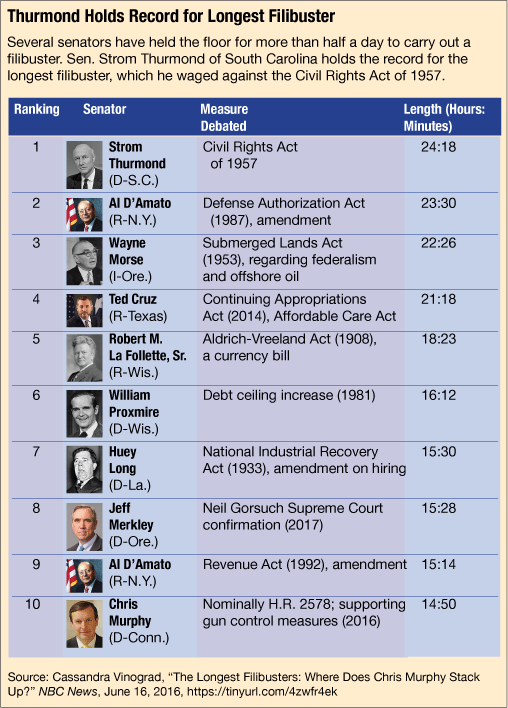
The annals of American legislative history are replete with tales of political theater, strategic maneuvers, and profound debates that have shaped the nation’s trajectory. Among the most iconic, and often controversial, tactics is the filibuster—a parliamentary procedure used by a minority of senators to delay or block a vote on a bill or other measure by extending debate. While many filibusters have garnered attention for their duration or the issues they targeted, one stands alone as a testament to endurance and a remarkable case study in political branding: Senator Strom Thurmond’s 24-hour and 18-minute marathon against the Civil Rights Act of 1957. This unparalleled feat of obstruction not only etched Thurmond’s name into the history books but also profoundly influenced his personal brand, the corporate identity of his political movement, and the public’s perception of both the man and the contentious legislation.
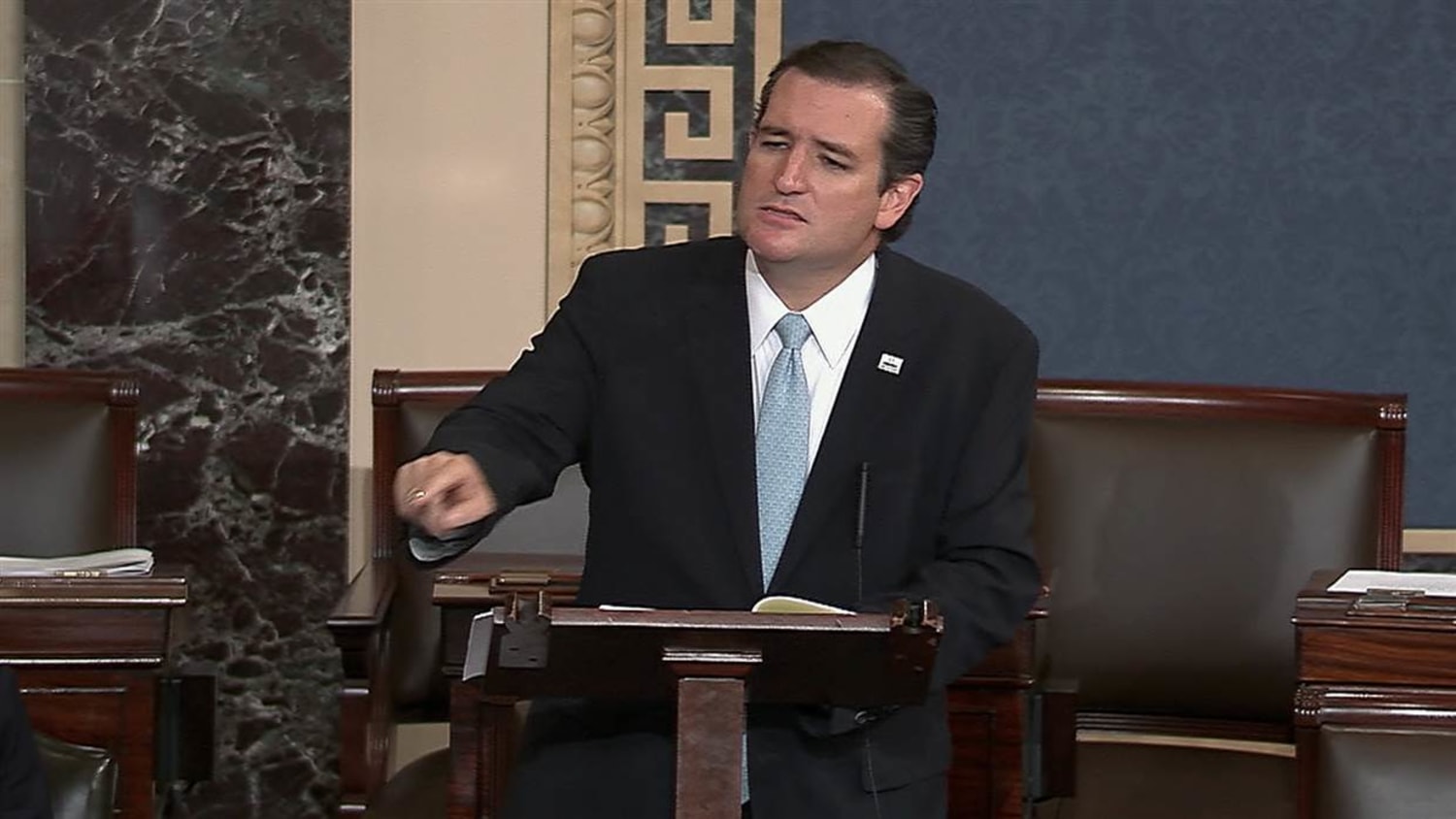
The Marathon of Strom Thurmond: A Brand Defined by Endurance
On August 28-29, 1957, Senator Strom Thurmond of South Carolina embarked on an extraordinary solo filibuster, beginning at 8:54 p.m. and concluding at 9:12 p.m. the following day. His target was the Civil Rights Act of 1957, a landmark piece of legislation aimed at protecting voting rights for African Americans. While the bill ultimately passed despite his efforts, Thurmond’s relentless speechmaking—which included reading the Declaration of Independence, George Washington’s Farewell Address, state election laws, and even a recipe for biscuits—became an indelible part of his political narrative. This wasn’t merely a legislative tactic; it was a carefully orchestrated performance designed to solidify a specific brand image and communicate a potent message.
The Context and the Stakes: Branding Civil Rights Opposition
To understand the branding implications of Thurmond’s filibuster, one must first grasp the contentious political landscape of 1957. The Civil Rights Movement was gaining momentum, but powerful segregationist forces in the South fiercely resisted any federal intervention. For Thurmond and his ilk, opposing the Civil Rights Act was not just about policy; it was about defining their identity as defenders of “states’ rights” and the “Southern way of life.” The filibuster served as a grand stage for this particular brand of conservatism. Thurmond positioned himself as the ultimate bulwark against federal overreach, a champion for his constituents who felt threatened by social change. His lengthy discourse was a public declaration, a marketing campaign aimed at consolidating support among a specific demographic while simultaneously attempting to sway public opinion—or at least sow enough doubt and delay to weaken the bill’s impact.
The very act of a filibuster, especially one of such extraordinary length, conveys a brand message of unwavering commitment. It suggests a politician is so dedicated to a cause, so principled in their opposition, that they are willing to push themselves to the absolute physical and mental limit. For Thurmond, this translated into a brand of uncompromising resolve, an image carefully cultivated to resonate with those who shared his views on segregation and federal power. It was a defiant stance, a powerful statement of corporate identity for the segregationist wing of the Democratic Party and, later, the burgeoning conservative movement that embraced figures like Thurmond.
The Performance and the Perception: Crafting a Narrative of Resistance
A filibuster is inherently a performance. It’s not about reasoned debate with an opponent; it’s about holding the floor, preventing a vote, and in doing so, communicating a message to a wider audience. Thurmond’s 24-hour-plus performance was a masterclass in shaping perception. He delivered his speech with an almost theatrical endurance, managing to maintain his voice and presence despite the immense physical strain. This act of sheer will reinforced his brand as a formidable, unyielding figure—a perception that would endure throughout his remarkably long career.
The content of his speech, though often meandering, was also part of this branding effort. By reading historical documents, he attempted to anchor his opposition in foundational American principles, thereby rebranding his resistance to civil rights as a defense of the Constitution itself. This narrative, while historically contested and morally fraught, was designed to elevate his stand beyond mere prejudice to a battle for fundamental American ideals. For his supporters, it cemented his image as a patriot and a hero. For his detractors, it branded him as an obstructionist, a symbol of backwardness. Regardless of one’s perspective, the filibuster undeniably solidified a specific, powerful public image for Strom Thurmond, one that he carried and leveraged for decades. It was a stark example of how a singular, high-profile event can define a personal brand for the duration of a career.
The Filibuster as a Political Brand Statement
Beyond Thurmond’s individual case, the filibuster itself operates as a potent tool in political branding, used by parties and individual politicians to convey specific messages about their identity, principles, and strategic priorities. It is a highly visible act, often attracting intense media scrutiny, making it an ideal platform for brand communication.
Signifying Commitment and Principled Opposition
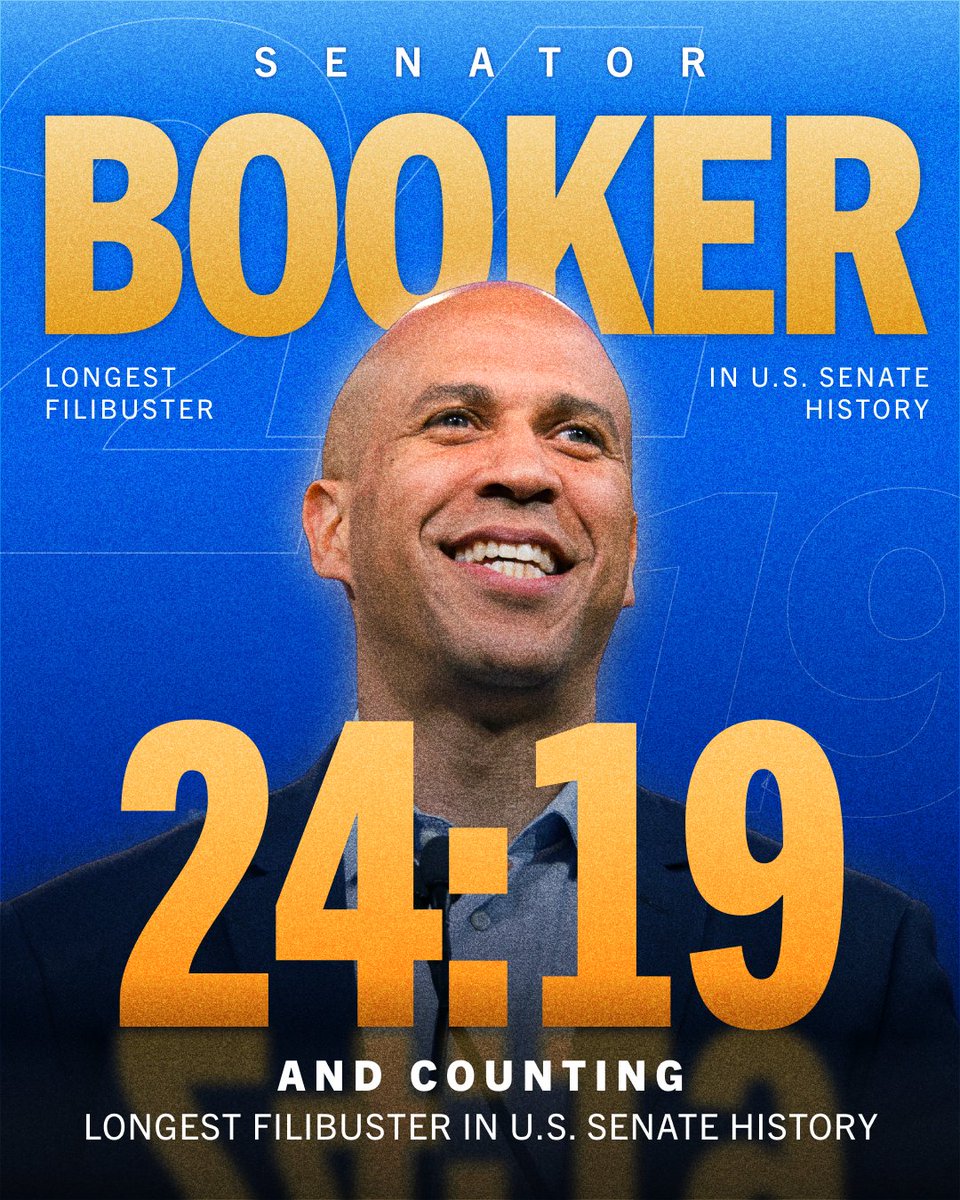
When a senator undertakes a filibuster, they are, in essence, making a bold public statement about their brand values. The decision to employ such a drastic measure signals that the issue at hand is of paramount importance, worthy of extreme effort and sacrifice. This can be a powerful way to brand a politician or a party as “principled,” “uncompromising,” or “fiercely protective” of certain ideals. It communicates a commitment that mere votes or speeches might not convey. For a political brand struggling to differentiate itself or rally its base, a well-executed filibuster can be a unifying and energizing event. It shows the base that their representatives are fighting tirelessly for their shared corporate identity and values, even against overwhelming odds.
However, this branding effect is double-edged. While it can energize a loyal base and project an image of steadfastness, it can also alienate moderates and the opposition, branding the filibusterer as “obstructionist,” “partisan,” or “anti-democratic.” The success of this brand communication hinges on the public’s perception of the issue and the justification for the delay. Was the filibuster a heroic defense of liberty, or a cynical maneuver to thwart progress? The answer often dictates whether the brand identity is strengthened or damaged.
Risks and Rewards: Damage Control and Public Perception
Every major political action carries inherent risks to a politician’s or party’s brand. Filibusters are no exception. The “reward” can be the solidifying of a strong, principled brand image among a specific segment of the electorate. The “risk” is widespread condemnation and the erosion of credibility with a broader audience. Effective political branding in such a high-stakes scenario requires astute management of public perception and, often, significant damage control.
For Thurmond, his filibuster certainly solidified his brand among Southern conservatives, earning him immense loyalty that contributed to his unparalleled longevity in the Senate. Yet, it also cemented his reputation as a staunch segregationist for many, a brand association that carried negative connotations for others and that he later sought to nuance in his career. Modern filibusters, while rarely approaching Thurmond’s duration, still operate under these branding principles. Whether it’s to highlight a perceived injustice, to rally a party against an unpopular bill, or to simply buy time for negotiation, the act itself is a calculated move designed to influence how a political entity is perceived. The media narrative surrounding the filibuster, the justifications offered by the filibusterers, and the public’s emotional response all contribute to the evolving brand identity of the individuals and parties involved.
Beyond the Record: Filibusters, Public Memory, and Legacy Branding
The longest filibuster in US history by Strom Thurmond remains a powerful touchstone in American political memory. It transcends a mere legislative footnote, instead serving as a enduring case study of how a singular, dramatic event can shape personal and political legacy, influencing the “brand” of political figures and the perception of the legislative process itself for generations.
The Evolving Brand of Obstruction and Dissent
Over time, the brand associated with filibusters has evolved. What was once seen by some as a legitimate, if extreme, tool of the minority has increasingly been framed by critics as an abuse of power, fostering gridlock and undermining democratic principles. This shifting perception reflects broader changes in the corporate identity of American politics. As legislative battles become more intensely partisan, the filibuster’s brand shifts from a symbol of “principled resistance” to “obstructionism.”
However, the core branding principle remains: a filibuster is a statement. It is a highly visible form of dissent that seeks to force attention onto an issue or an ideological stance. For those who employ it, it’s an attempt to project a brand of unwavering conviction. For those who oppose it, it’s a convenient opportunity to brand the opposition as dysfunctional or extreme. Thurmond’s record-breaking act undeniably contributed to the overall branding of the filibuster itself as a tactic—a powerful, often controversial, and always high-profile method of legislative warfare.
Shaping a Political Figure’s Enduring Image
Ultimately, the longest filibuster indelibly marked Strom Thurmond’s personal brand for the entirety of his career and beyond. It became a defining characteristic, often invoked when discussing his political philosophy, his stance on civil rights, and his overall legacy. While he served for many more decades, achieving significant influence and even, later, tempering some of his more extreme views, the filibuster of 1957 remained a core component of his public image. It’s a prime example of how a single, dramatic event can cast a long shadow, permanently influencing how a political figure is remembered and understood.
For political strategists and branding experts, Thurmond’s filibuster offers a profound lesson: high-stakes political actions have long-term consequences for a brand. They can forge an identity, solidify a narrative, and impact how a leader is perceived by the public, sometimes for the better, sometimes for the worse, but almost always unforgettably. The longest filibuster was more than just a legislative maneuver; it was a masterful, if controversial, exercise in personal and political branding that continues to resonate in American history.
aViewFromTheCave is a participant in the Amazon Services LLC Associates Program, an affiliate advertising program designed to provide a means for sites to earn advertising fees by advertising and linking to Amazon.com. Amazon, the Amazon logo, AmazonSupply, and the AmazonSupply logo are trademarks of Amazon.com, Inc. or its affiliates. As an Amazon Associate we earn affiliate commissions from qualifying purchases.