
The release of Mission: Impossible – Dead Reckoning Part One marked a pivotal moment in one of the most resilient cinematic brands in history. In an era where legacy intellectual property often struggles to maintain relevance amidst changing audience demographics and digital fatigue, the Mission: Impossible franchise has achieved the unthinkable: it has grown stronger, more distinct, and more valuable over nearly three decades. As the most recent installment to hit theaters, Dead Reckoning serves as more than just a high-octane thriller; it is a sophisticated case study in brand strategy, personal branding, and the meticulous management of corporate identity in the global marketplace.

Understanding the success of this “last” mission requires looking beyond the box office receipts. It necessitates an analysis of how the brand has successfully navigated the transition from a 1960s television reboot to a modern symbol of practical excellence and authentic craftsmanship. By examining the strategic pillars of the franchise, we can uncover how Paramount Pictures and Tom Cruise have built a brand that defies the standard laws of franchise decay.
The Evolution of a Cinematic Identity: From Spy Thriller to Global Phenomenon
The Mission: Impossible brand did not start as the stunt-heavy powerhouse we recognize today. In its early cinematic iterations, specifically the 1996 original directed by Brian De Palma, the brand was rooted in the psychological tension and “whodunit” mystery of the Cold War spy genre. However, a brand that remains static is a brand that risks obsolescence. Over the course of seven films, the identity of the franchise has undergone a calculated evolution.
Defining the Brand Pillars
Every successful brand relies on a set of core pillars that remain consistent regardless of the specific product. For Mission: Impossible, these are the “Brand Non-Negotiables”: the iconic theme music by Lalo Schifrin, the lighting of the fuse, the use of hyper-realistic masks, and the central conceit of a self-destructing mission briefing. These elements provide a sense of comfort and familiarity to the consumer, ensuring that even as the scale of the films increases, the “product” remains recognizable.
The Pivot to Practicality
In the mid-2010s, particularly starting with Ghost Protocol, the brand made a strategic pivot that would define its modern era: the transition to “Practicality as a USP” (Unique Selling Proposition). In a market saturated with CGI-heavy superhero films, the Mission: Impossible brand staked its reputation on real stunts, real locations, and real stakes. This wasn’t just a production choice; it was a branding masterstroke. By positioning itself as the “authentic” alternative to the digital artifice of its competitors, the franchise carved out a premium niche in the action market.
Tom Cruise: The Human Face of the Corporate Brand
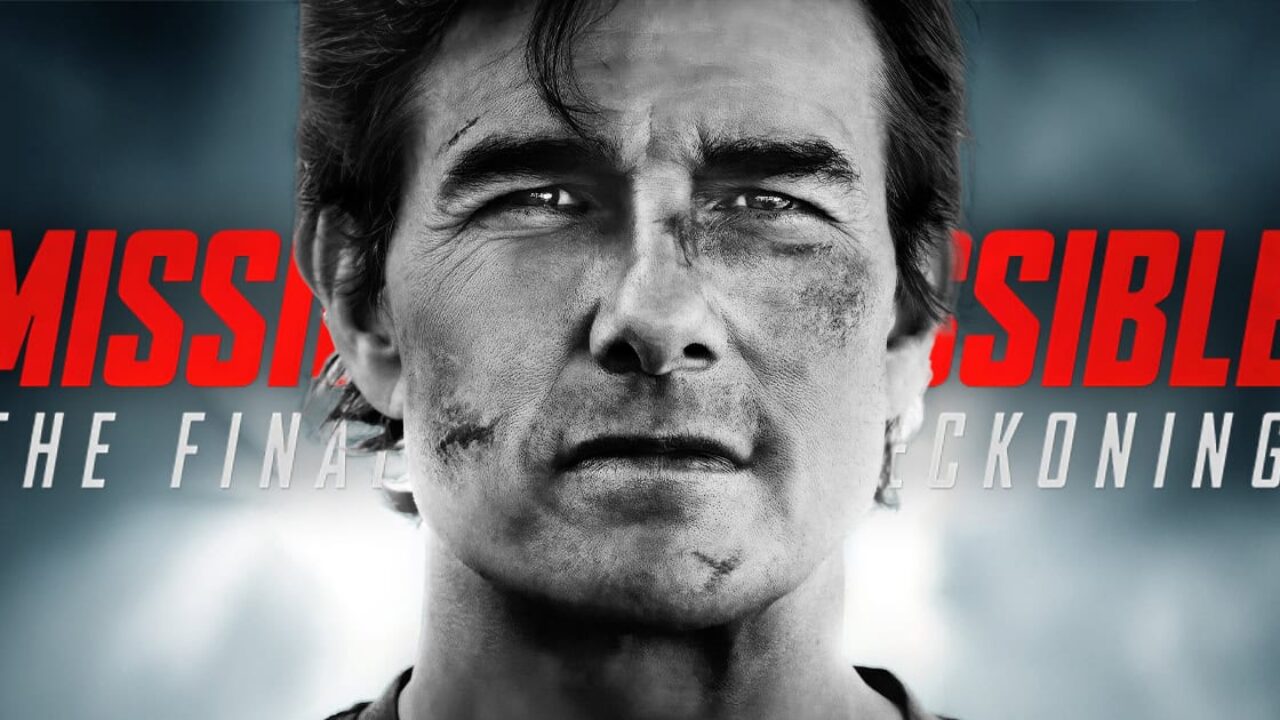
It is impossible to discuss the brand strategy of Mission: Impossible without addressing the role of Tom Cruise. Unlike many actors who are merely employees of a franchise, Cruise has become the personification of the Mission: Impossible brand. This synergy between personal brand and corporate identity is rare and offers significant advantages in terms of marketing and consumer loyalty.
Authenticity as a Marketing Asset
The “Tom Cruise” brand is built on a foundation of relentless work ethic and a commitment to the theatrical experience. When the “last” mission, Dead Reckoning, began its promotional cycle, the marketing did not focus solely on the plot or the characters; it focused on the process. The behind-the-scenes footage of Cruise riding a motorcycle off a cliff in Norway became the centerpiece of the brand’s communication strategy. This “industrial-process marketing” invites the audience to appreciate the labor behind the product, creating a deeper emotional connection than a standard trailer ever could.
Risk Management and Public Perception
From a brand management perspective, the association with Cruise carries inherent risks, but the franchise has managed these through extreme quality control. By ensuring that every film is critically acclaimed and technically superior, the brand mitigates any potential negative externalities associated with its lead star. The result is a “Teflon brand” that remains untarnished by the typical cycles of celebrity news, focused instead on the singular promise of delivering the most intense experience possible for the ticket price.
Analyzing Dead Reckoning: A Strategic Shift in Narrative Positioning

The most recent mission, Dead Reckoning Part One, introduced a significant shift in the brand’s thematic focus, moving away from rogue agents and nuclear threats toward a more contemporary and abstract villain: The Entity. This shift was a strategic response to the burgeoning global conversation regarding Artificial Intelligence and digital security.
The Threat of AI as a Meta-Commentary
By making a sentient algorithm the primary antagonist, the brand positioned itself at the center of a relevant cultural zeitgeist. This was a sophisticated branding move. It allowed the franchise to contrast its own “analog” values—human intuition, physical skill, and moral conviction—against the cold, calculated efficiency of the digital age. In doing so, Mission: Impossible reinforced its brand identity as the guardian of traditional cinematic values in an increasingly automated world.
The Two-Part Gambit
The decision to split the narrative into a “Part One” and “Part Two” (now retitled) was a bold move in franchise architecture. From a business strategy perspective, this is designed to maximize the lifetime value of the intellectual property. It creates a “cliffhanger” effect that ensures long-term engagement, turning a single cinematic event into a multi-year brand narrative. While this carries the risk of audience fatigue, the Mission: Impossible brand had built enough “brand equity” through its previous three installments (Ghost Protocol, Rogue Nation, Fallout) to justify the ask for a two-part commitment from its audience.
Strategic Marketing: Building Anticipation Through Process
The marketing of Dead Reckoning was a clinic in modern brand storytelling. In a fragmented media landscape, the franchise utilized a “multi-channel immersion” strategy that began years before the film actually premiered.
The Behind-the-Scenes Economy
The brand pioneered the use of high-production-value “making-of” featurettes as primary marketing materials. By releasing a nine-minute video detailing the logistics of the motorcycle base jump nearly a year before the film’s release, the brand dominated the digital conversation. This content wasn’t just promotional; it was educational. It taught the audience how to watch the movie, priming them to look for the lack of green screens and the presence of genuine physical peril. This transparency builds brand trust—a rare commodity in the entertainment industry.
Brand Partnerships and Product Placement
The Mission: Impossible brand has always been a magnet for high-end corporate partnerships, and Dead Reckoning was no exception. From the use of high-performance vehicles to the integration of luxury timepieces and cutting-edge tech, the brand maintains a “prestige” identity. These partnerships are carefully curated to ensure they align with the brand’s image of sophistication and durability. When Ethan Hunt drives a specific car, that vehicle inherits the brand’s attributes of speed, reliability, and “cool under pressure.”
The Future of the Impossible: Sustainability in Long-Term Brand Management
As the franchise looks toward its next installment, the lessons learned from Dead Reckoning provide a roadmap for long-term brand sustainability. The “last” mission proved that there is still a massive appetite for premium, large-scale cinema, provided the brand promise is consistently fulfilled.
Maintaining Quality Control
The greatest threat to a long-running brand is the “law of diminishing returns.” Most franchises eventually succumb to creative exhaustion or budget bloat. Mission: Impossible has avoided this by maintaining a strict “boutique” approach to production. By keeping the core creative team—led by director Christopher McQuarrie—consistent across multiple films, the brand ensures a stylistic and qualitative cohesion that is often missing in other cinematic universes. This is the equivalent of a luxury brand keeping its master craftsman for decades to ensure the product never wavers in quality.
Lessons for Modern Corporate Branding
The Mission: Impossible franchise offers valuable insights for any brand, regardless of the industry. It demonstrates that:
- Authenticity is a superpower: In a digital world, the “human touch” and physical reality are premium assets.
- Consistency builds equity: Sticking to core brand pillars while evolving the narrative prevents alienation and builds a loyal “legacy” audience.
- The “CEO” must embody the brand: Whether it is a founder or a lead actor, having a visible figure who lives the brand’s values creates unparalleled consumer trust.
In conclusion, the last Mission: Impossible was more than a film; it was the latest iteration of a masterfully managed global brand. By blending high-stakes action with sophisticated strategic positioning, the franchise has ensured its place in the cultural pantheon. As long as the “impossible” remains the standard, the brand will continue to thrive, proving that in the world of high-stakes marketing, the right strategy can make even the most daunting mission a resounding success.
aViewFromTheCave is a participant in the Amazon Services LLC Associates Program, an affiliate advertising program designed to provide a means for sites to earn advertising fees by advertising and linking to Amazon.com. Amazon, the Amazon logo, AmazonSupply, and the AmazonSupply logo are trademarks of Amazon.com, Inc. or its affiliates. As an Amazon Associate we earn affiliate commissions from qualifying purchases.