
The evolution of mobile technology is a story marked by rapid innovation, with each breakthrough fundamentally altering how we interact with the digital world. Among these pivotal moments, the advent of the touchscreen interface stands out as particularly transformative. It liberated us from the constraints of physical buttons, ushering in an era of intuitive, visually driven interaction. But in the grand tapestry of mobile history, pinpointing the absolute first touchscreen phone is a surprisingly nuanced endeavor, as the definition of “touchscreen” itself has evolved. This exploration delves into the origins of this revolutionary technology, tracing its lineage from early experiments to the devices that laid the groundwork for the smartphones we know today.

The Precursors: Embracing the Touch Interface
Before the modern smartphone, the concept of touch-based input was already being explored in various computing contexts. These early forays, while not necessarily mobile phones in the strict sense, were crucial in demonstrating the potential of touch as a primary user interface.
Early Concepts in Computing
The very notion of a touch-sensitive display can be traced back to the mid-20th century. In 1965, E.A. Johnson at the Royal Radar Establishment in Malvern, England, described a touch-sensitive screen, and by 1971, his colleague Mike Faulkner developed a transparent touch screen. This early technology utilized a resistive touch screen, where pressure applied to the surface deformed a conductive layer, completing an electrical circuit. While these were not integrated into personal communication devices, they established the foundational principles of touch input.
The Dawn of Touch-Enabled Devices
The 1980s saw the emergence of devices that began to integrate touch capabilities, albeit in limited forms. These were often specialized tools or early attempts at personal digital assistants (PDAs) that hinted at the future of interactive computing.
The IBM Simon Personal Communicator (1992)
Widely considered a groundbreaking device and a strong contender for the title of the first “smartphone” and, importantly, the first mobile phone with a touchscreen, the IBM Simon Personal Communicator was a remarkable piece of engineering for its time. Launched in 1992 and released to the public in 1994, the Simon was far more than just a phone. It integrated the functionalities of a mobile phone with those of a PDA, featuring a calendar, address book, world clock, calculator, notepad, and the ability to send and receive faxes and emails.
The Simon’s touchscreen was a resistive monochrome LCD screen, measuring 4.5 inches diagonally. Users interacted with it using a stylus or, more intriguingly, their finger. While crude by today’s standards, the interface allowed for direct manipulation of on-screen elements, setting a precedent for future touch devices. The user interface was organized around icons, and navigating through its features involved tapping these icons. This direct interaction, facilitated by the touch screen, was a radical departure from the button-heavy interfaces of contemporary mobile phones. The Simon was ahead of its time, demonstrating the viability of a converged device that blended communication and personal organization through a touch-based interface. However, its high price point, limited battery life, and bulky design contributed to its commercial limitations, and it was discontinued shortly after its release.
The Apple Newton MessagePad (1993)
Another significant early device that embraced touch technology was the Apple Newton MessagePad, released in 1993. While primarily a PDA and not a phone, the Newton was a pioneer in stylus-based touch input and handwriting recognition. Its Liquid Crystal Display (LCD) was touch-sensitive, allowing users to interact with applications and input data directly onto the screen. The Newton’s focus was on its advanced handwriting recognition software, which aimed to translate handwritten notes into digital text. Although this feature was not always perfectly accurate, it showcased a novel way to interact with a portable device. The Newton’s graphical user interface, navigated by a stylus, was a crucial step in exploring direct manipulation on a portable screen, influencing the design philosophy of future touch-based devices.
The Evolution of Touchscreen Technology
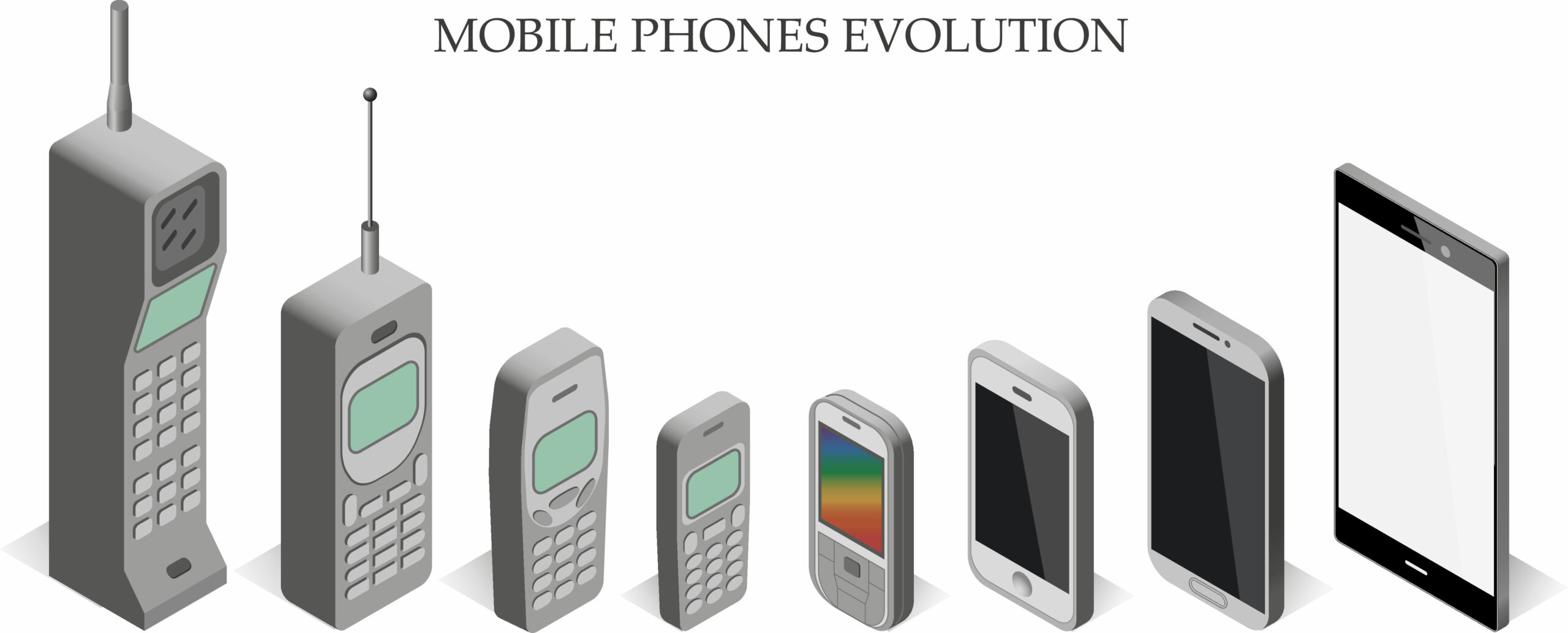
The journey from resistive screens to the capacitive, multi-touch displays of modern smartphones was not a single leap but a series of incremental advancements. Understanding these technological shifts is key to appreciating the evolution of the touchscreen phone.
Resistive vs. Capacitive Technology
The early touchscreen phones, like the IBM Simon, predominantly used resistive touchscreen technology. This technology relies on pressure to activate the display. Two conductive layers are separated by a small gap, and when the screen is pressed, these layers make contact, registering the touch. Resistive screens are generally less sensitive than capacitive screens and require a stylus or firm pressure to operate. They also tend to be less vibrant and can be prone to scratches.
Capacitive touchscreen technology, which became the standard for modern smartphones, operates differently. It uses the electrical properties of the human body to detect touch. A layer of conductive material is applied to the screen, and when a conductive object, like a finger, touches it, it disrupts the screen’s electrostatic field. This disruption is then registered as a touch. Capacitive screens are more sensitive, allow for smoother gliding motions, and support multi-touch gestures. The development and widespread adoption of capacitive touch technology were instrumental in creating the fluid and responsive user experiences we expect today.
The Rise of Multi-Touch and Gestures
A significant leap in touchscreen usability came with the popularization of multi-touch technology. While early touchscreens primarily registered a single point of contact, multi-touch allows the screen to detect multiple points of contact simultaneously. This opened the door to intuitive gesture-based interactions, such as pinch-to-zoom, swiping, and rotating.
The Apple iPhone, launched in 2007, is widely credited with popularizing multi-touch on mobile phones and refining the gesture-based user interface to a level of sophistication that was unprecedented for its time. While the iPhone was not the first device to feature a touchscreen, its intuitive multi-touch interface, combined with a revolutionary operating system and app ecosystem, set a new benchmark for what a touchscreen phone could be. The iPhone’s success demonstrated the immense potential of multi-touch and gestures, paving the way for the interactive mobile experiences that are now commonplace.
Defining “First”: Nuances and Contenders
The question of “what was the first touchscreen phone” often depends on the specific criteria applied. When we consider a device that combined mobile telephony with a prominent, interactive touchscreen interface for general user input, the IBM Simon Personal Communicator emerges as the earliest significant contender. However, if we broaden the definition to include devices that utilized touchscreens for significant input in a portable communication or computing context, other devices and even earlier experiments might be considered.
The IBM Simon: A Groundbreaking Precedent
As previously discussed, the IBM Simon Personal Communicator is often cited as the first mobile phone to incorporate a touchscreen. Its purpose was to integrate communication with personal organization, and the touchscreen was central to its operation. It allowed users to make calls, send faxes, manage their schedule, and even play simple games using direct touch input. While its technology was rudimentary by modern standards, the Simon undeniably paved the way for the concept of a touchscreen mobile device.
Early PDAs and Their Influence
Devices like the Apple Newton, while not phones, played a crucial role in developing and popularizing touch-based interfaces for personal computing. Their success in demonstrating the potential of direct manipulation on portable screens undoubtedly influenced the design and engineering of future mobile devices, including the first touchscreen phones. The Newton’s emphasis on a graphical interface navigated by stylus input was a direct precursor to the touch-centric environments that would later define smartphones.
The Evolution Beyond the First
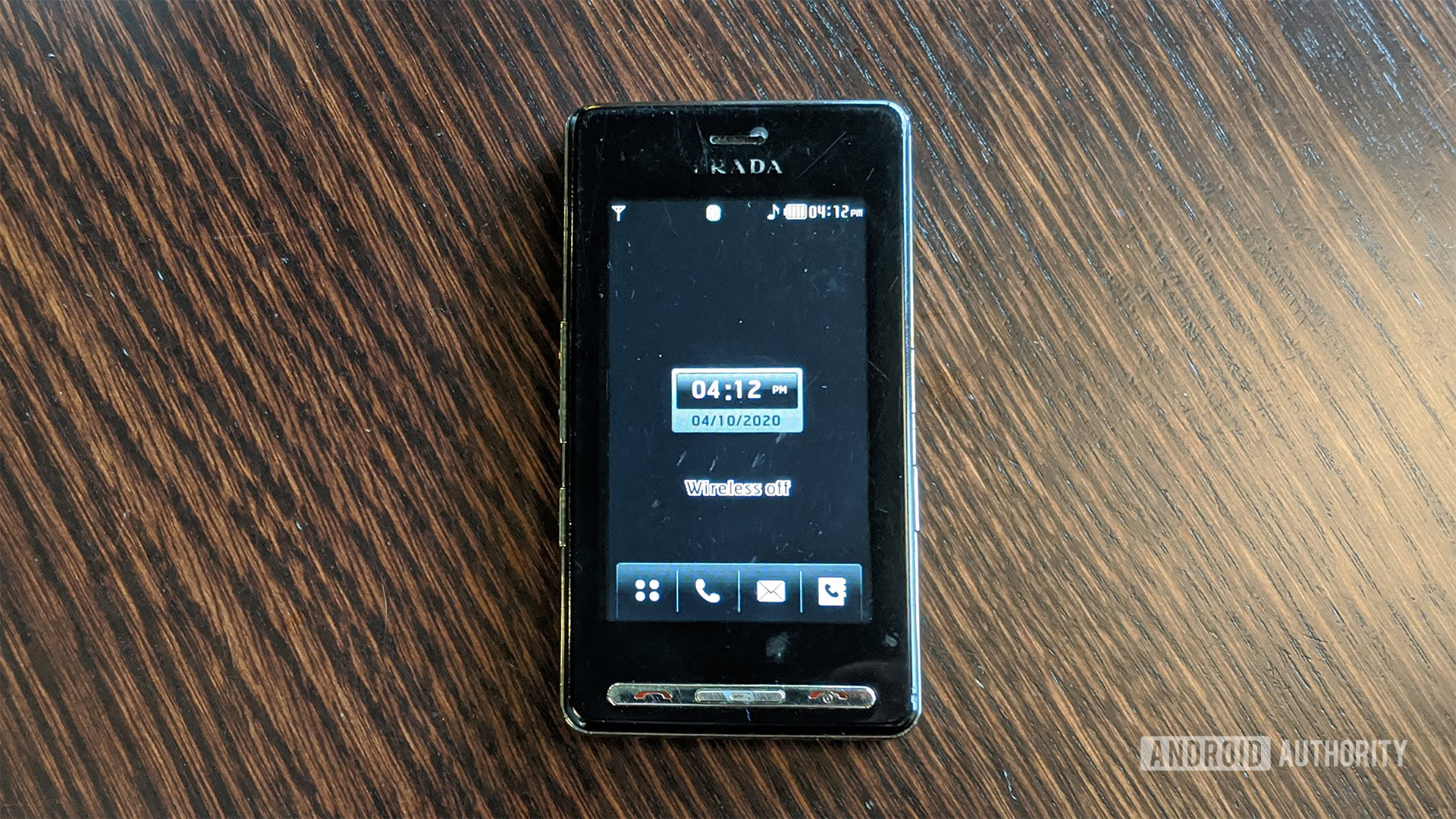
The narrative of the first touchscreen phone is not just about identifying a single device but about understanding the technological journey. From the pressure-sensitive resistive screens of the early 90s to the multi-touch capacitive displays of today, each iteration brought greater functionality, intuitiveness, and user engagement. The devices that followed the Simon, including early PDAs that flirted with mobile connectivity and phones that experimented with touch, contributed to refining the concept. Ultimately, the devices that truly revolutionized the market, like the iPhone, built upon these foundational innovations to create the ubiquitous touchscreen smartphones we rely on every day. The “first” is a significant historical marker, but the continuous evolution of touchscreen technology is the ongoing story of mobile interaction.
aViewFromTheCave is a participant in the Amazon Services LLC Associates Program, an affiliate advertising program designed to provide a means for sites to earn advertising fees by advertising and linking to Amazon.com. Amazon, the Amazon logo, AmazonSupply, and the AmazonSupply logo are trademarks of Amazon.com, Inc. or its affiliates. As an Amazon Associate we earn affiliate commissions from qualifying purchases.