
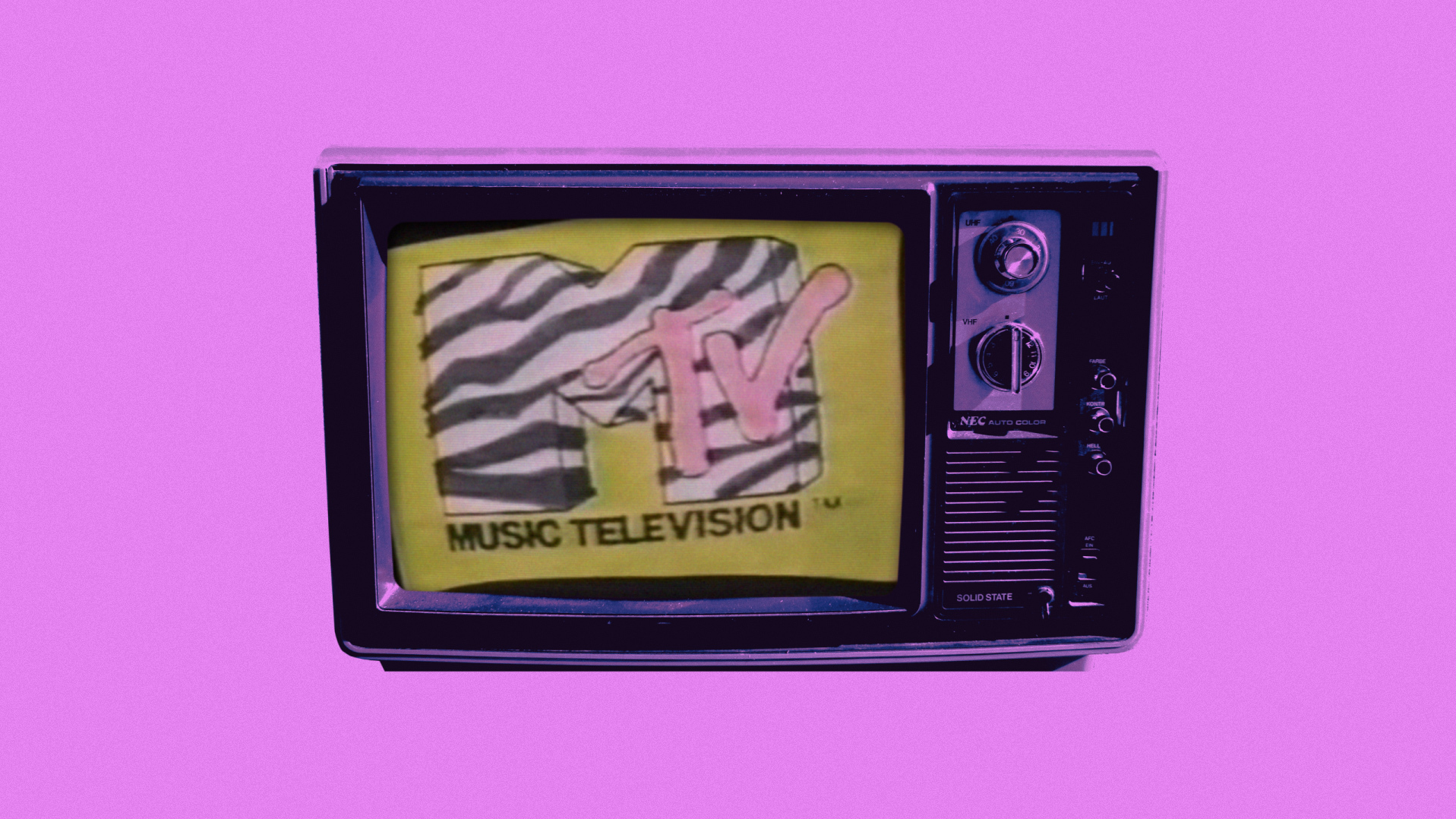
On August 1, 1981, at precisely 12:01 AM EST, a cultural phenomenon was born. With a simple countdown followed by images of the Apollo 11 moon landing, the fledgling cable network MTV launched, forever changing the landscape of music, media, and marketing. And the very first music video to grace its airwaves, cementing its place in pop culture history, was “Video Killed the Radio Star” by The Buggles.
This seemingly innocuous choice, a synth-pop track from a British duo, was, in retrospect, a stroke of genius. Its title wasn’t just catchy; it was a prophetic declaration, perfectly encapsulating the network’s mission and the seismic shift it was about to unleash. MTV wasn’t just playing music; it was building an entirely new visual language for it, one that would redefine stardom, brand building, technological innovation, and the economic engines of the entertainment industry for decades to come.

The Dawn of a Visual Revolution: MTV’s Genesis
Before MTV, music primarily existed as an auditory experience. Radio stations were the gatekeepers, curating playlists and dictating tastes through sound alone. While promotional films and performance clips existed, they were sporadic and lacked a dedicated broadcast platform. The idea of a 24/7 channel devoted exclusively to music videos seemed audacious, even bizarre, to many. Yet, it was precisely this radical vision that tapped into a nascent hunger for a more immersive and multi-sensory engagement with music.
From Radio Waves to Cable Channels: A Paradigm Shift
The late 1970s and early 1980s were a period of rapid expansion for cable television. As more households gained access to a multitude of channels beyond the traditional broadcast networks, there was an opportunity for niche programming. Warner Amex Satellite Entertainment Company (WASEC) executives, particularly Robert Pittman, envisioned a channel that would leverage the growing availability of music videos – a format largely pioneered in the UK and in promotional efforts for rock bands like Queen – and combine it with the burgeoning youth culture’s desire for visual entertainment.
The concept was simple yet revolutionary: marry the power of music with the pervasive reach of television. It wasn’t just about hearing a song anymore; it was about seeing the artist, their style, their narrative, and the artistic interpretation of their music. This shift from purely auditory consumption to a visual-auditory fusion represented a profound technological and cultural leap. It meant that artists no longer just needed a great song; they needed a compelling visual story to go with it, forever altering the creative process and the demands placed upon musicians and their labels. This marked a significant early nexus between technology (cable TV, video production) and brand development (artist image, music video aesthetics).
“Video Killed the Radio Star”: An Iconic Opening Statement
The selection of “Video Killed the Radio Star” as MTV’s inaugural video was a masterful piece of meta-commentary. Released in 1979, the song by Trevor Horn and Geoff Downes (The Buggles) was already a hit, known for its futuristic synth sounds and nostalgic lyrics lamenting the passing of an older era of media. The music video itself, directed by Russell Mulcahy, was relatively simple by later MTV standards, depicting a young girl interacting with technology and observing the band in a sterile, futuristic setting.
But its true power lay in its symbolic resonance. The lyrics, “We can’t rewind, we’ve gone too far / Pictures came and broke your heart / Put the blame on VTR,” directly spoke to the displacement of radio by visual media. MTV was quite literally declaring its intention to “kill the radio star” by elevating the visual component of music to an unprecedented level. It was a bold, self-aware opening statement that perfectly articulated the network’s revolutionary intent and set the stage for a new era where an artist’s visual brand would become as crucial as their sonic identity. This was an early, powerful lesson in how a well-chosen piece of content can define and launch an entire brand strategy.
Beyond the First Frame: How MTV Reshaped Music, Culture, and Commerce
The launch of MTV wasn’t just about a new channel; it was about creating a new ecosystem. It fundamentally altered how music was created, consumed, and monetized. From the moment “Video Killed the Radio Star” faded out, the music industry was plunged into a new reality where visual appeal became paramount, driving technological innovation in video production and reshaping the economics of fame.
The New Imperative: The Music Video as a Branding Tool
MTV transformed the music video from a mere promotional extra into an essential branding tool. Suddenly, artists couldn’t just rely on their voices and melodies; their image, their style, their choreography, and the narrative of their videos became integral to their identity and marketability. Bands like Duran Duran, with their exotic locations and fashionable aesthetics, and Michael Jackson, with his cinematic storytelling and groundbreaking dance moves, leveraged the medium to catapult themselves into global superstardom. Madonna, a master of reinvention, used her videos to push social boundaries and constantly refresh her brand identity, becoming a global icon in the process.
Record labels began investing heavily in video production, realizing that a captivating visual could break an artist or a song. This created a symbiotic relationship: MTV needed videos to fill its airtime, and artists needed MTV to reach millions of potential fans. The network became a launching pad, a kingmaker, and a powerful arbiter of taste. An artist’s “look” and their video’s concept became as intensely scrutinized and discussed as the music itself, forcing musicians to think beyond audio and cultivate a holistic brand presence. This was a direct manifestation of the “Brand” aspect of our website topics, demonstrating how visual media could construct and disseminate personal and corporate identities.
Technological Advancements and Creative Expression
The demand for innovative music videos spurred significant technological advancements in film and video production. Early videos were often low-budget, sometimes simple performance clips. However, as the stakes grew, so did the budgets and the creative ambition. Directors experimented with cutting-edge visual effects, intricate set designs, complex narratives, and advanced editing techniques.
The shift from film to video as a primary production medium, and later the adoption of digital tools, pushed the boundaries of what was visually possible. Special effects that were once exclusive to big-budget movies began appearing in music videos, making them miniature cinematic experiences. This technological arms race, driven by the desire to stand out on MTV, contributed to the evolution of visual storytelling and influenced broader trends in television and advertising. Techniques honed in music videos eventually made their way into commercials, TV shows, and feature films, highlighting the powerful ripple effect of a single innovative platform. This clearly ties into the “Tech” focus, showcasing how media consumption drives innovation in production tools and techniques.
The Economic Ripple Effect: Money, Marketing, and Music
Beyond the cultural and artistic impact, MTV ignited a massive economic transformation within the music industry and beyond. It created new revenue streams, shifted marketing budgets, and established a powerful advertising platform that influenced consumer behavior on a grand scale.
Changing the Music Industry’s Business Model
Before MTV, record sales were primarily driven by radio airplay, critical reviews, and live performances. With MTV, a successful music video could instantly translate into massive record sales. This meant record labels had to reallocate significant portions of their marketing budgets from radio promotion to video production. A single high-budget video could cost hundreds of thousands of dollars, a considerable investment at the time, but one that was often justified by the exponential increase in exposure and subsequent sales.
Artists’ contracts began to include clauses for video production costs, and their touring schedules sometimes included stops at MTV’s studios for interviews and appearances, further integrating the visual medium into their overall career strategy. The network itself became a powerful bargaining chip, influencing artist negotiations and label strategies. Furthermore, the global reach of MTV’s various international channels helped export American and British music culture worldwide, creating truly global superstars and opening up new markets for music sales, merchandise, and concert tours. This profound shift in resource allocation and revenue generation directly relates to our “Money” topic, illustrating how a new medium can restructure an entire industry’s financial model.
MTV as an Advertising Juggernaut
While music videos were the primary content, MTV was also a commercial enterprise. It quickly became an incredibly attractive platform for advertisers targeting the coveted youth demographic. Brands that wanted to reach teenagers and young adults flocked to MTV, recognizing its unique ability to influence trends in fashion, lifestyle, and consumer products. Commercials on MTV were often as slick and visually appealing as the music videos themselves, blending seamlessly into the network’s aesthetic.
The network’s success demonstrated the immense power of niche programming and targeted advertising in the burgeoning cable market. It wasn’t just selling music; it was selling an aspirational lifestyle, heavily influenced by the artists it showcased and the commercials it aired. This made MTV a financial powerhouse, generating enormous advertising revenues and validating the business model of dedicated, demographic-specific content channels. The intertwined relationship between content, audience, and advertising dollars is a fundamental aspect of the “Money” topic, showcasing how a well-branded platform can become a financial engine.
The Enduring Legacy: From Analog to Digital
While MTV’s role as the primary arbiter of music video culture has undoubtedly diminished, its legacy continues to resonate. The digital age has democratized video distribution, but the fundamental lessons learned from MTV about visual storytelling, brand building, and content monetization remain more relevant than ever.
MTV’s Evolution and the Rise of Digital Platforms
As the internet began to take hold in the late 1990s and early 2000s, and particularly with the advent of YouTube in 2005, the distribution model for music videos underwent another radical transformation. No longer did artists need to rely solely on cable channels for exposure. YouTube offered a direct-to-fan platform, allowing anyone to upload and share videos globally, instantly. This marked a significant shift in power dynamics, decentralizing the gatekeeping role once held exclusively by MTV.
MTV itself began to pivot away from its music-centric programming, introducing reality TV shows like “The Real World” and “Jersey Shore” to maintain viewership amidst changing consumption habits. While it still occasionally airs music-related content and hosts its iconic Video Music Awards, its identity as “Music Television” has largely faded. This evolution of MTV demonstrates how established brands must adapt to technological disruption, often by diversifying their content or losing their original focus. This mirrors challenges discussed under our “Tech” section, particularly concerning digital disruption and changing media consumption habits.

The Unbroken Thread: The Music Video’s Continuous Impact
Despite MTV’s shift, the music video format is stronger and more pervasive than ever. Platforms like YouTube, Vevo, TikTok, and Instagram are modern-day equivalents, providing artists with unprecedented reach and creative freedom. Today, a new artist can go viral with a low-budget video, or a global superstar can launch a meticulously produced visual album. The music video remains a crucial component of an artist’s brand strategy, an essential marketing tool, and a powerful vehicle for artistic expression.
Artists continue to invest in high-quality visuals, understanding that a compelling video can capture attention, tell a deeper story, and solidify their brand in a crowded digital landscape. The principles that MTV established – the importance of visual identity, the power of storytelling, and the direct link between visual content and commercial success – continue to drive the music industry in the digital age. The spirit of “Video Killed the Radio Star” lives on, perhaps even more potently, as visuals dominate our online interactions and consumption of media.
In conclusion, “Video Killed the Radio Star” by The Buggles was more than just the first music video on MTV; it was the opening salvo of a revolution. It marked the definitive merging of music with visual media, igniting a cultural, technological, and economic transformation that continues to shape the entertainment industry. MTV, through its groundbreaking content, its innovative approach to branding, and its shrewd understanding of commercial potential, proved that a single piece of content could indeed kill an old star and birth a galaxy of new ones, forever altering how we experience music, brand ourselves, and engage with the technological frontiers of media.
aViewFromTheCave is a participant in the Amazon Services LLC Associates Program, an affiliate advertising program designed to provide a means for sites to earn advertising fees by advertising and linking to Amazon.com. Amazon, the Amazon logo, AmazonSupply, and the AmazonSupply logo are trademarks of Amazon.com, Inc. or its affiliates. As an Amazon Associate we earn affiliate commissions from qualifying purchases.