
The year 2020 will forever be etched in history as a period of unprecedented global upheaval, primarily driven by the COVID-19 pandemic. For financial markets, and particularly for the venerable Dow Jones Industrial Average (DJIA), it was a rollercoaster ride of extreme volatility, historic declines, and a remarkably swift, if uneven, recovery. Understanding the Dow’s performance in 2020 is not merely a historical exercise; it offers profound insights into market resilience, the impact of global events on economic sentiment, and the extraordinary power of fiscal and monetary policy interventions. This article delves into the tumultuous journey of the Dow in 2020, examining the forces that shaped its trajectory and the enduring lessons for investors.

The Dow Jones Industrial Average: A Bellwether Through Unprecedented Times
To appreciate the Dow’s 2020 saga, it’s essential to first grasp its foundational role in the investment landscape and why this particular year presented such unique challenges.
What is the Dow?
The Dow Jones Industrial Average, often simply referred to as “the Dow,” is one of the oldest and most widely recognized stock market indices in the world. Established in 1896 by Charles Dow, it comprises 30 large, publicly traded companies based in the United States. While not a perfectly representative cross-section of the entire U.S. economy – it’s price-weighted and contains only 30 companies – the Dow serves as a prominent barometer of the health and sentiment of the American industrial and corporate sector. Its movements are closely watched by investors, economists, and the general public as an indicator of broader market trends and economic performance. Companies like Apple, Microsoft, Boeing, and JPMorgan Chase are staples of the index, representing a diverse array of industries from technology and manufacturing to finance and consumer goods.
Why 2020 Was Unique
Every year presents its own set of economic and geopolitical challenges, but 2020 stood apart. The rapid, global spread of the novel coronavirus led to widespread lockdowns, disruptions to supply chains, and a sudden halt to vast swathes of economic activity. This was not a localized crisis or a typical cyclical downturn; it was an exogenous shock that simultaneously impacted global health, social structures, and economic systems on an unprecedented scale. For financial markets, this meant navigating extreme uncertainty, attempting to price in risks that had no historical precedent, and reacting to an evolving landscape of public health mandates, scientific breakthroughs, and governmental responses.
The Tumultuous Ride of Early 2020: From Optimism to Panic
The beginning of 2020 saw the Dow riding a wave of optimism, only to be confronted by an unforeseen and devastating global crisis.
Pre-Pandemic Optimism
As 2020 dawned, the U.S. stock market was in a buoyant mood. The Dow had closed 2019 at an all-time high of 28,538.44 points, marking a solid 22.3% gain for the year. This momentum continued into January and early February 2020, driven by a strong job market, easing trade tensions with China, and robust corporate earnings. The index repeatedly touched new record highs, signaling investor confidence in the continued expansion of the American economy. The prevailing sentiment was one of stability and growth, with little indication of the impending storm.
The COVID-19 Shockwave
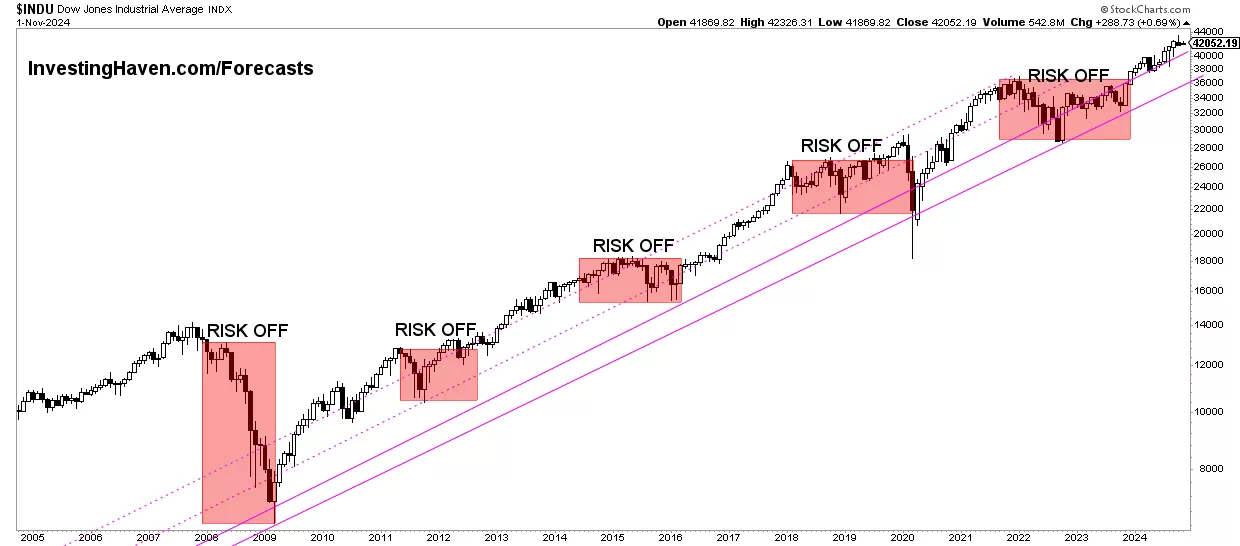
The optimism quickly dissipated as news of the rapidly spreading COVID-19 virus escalated into a full-blown global pandemic. The market’s reaction was swift and brutal. From its all-time high of 29,551.42 on February 12, 2020, the Dow plummeted, entering a bear market in record time. On March 16, it suffered its largest single-day point drop in history, shedding nearly 3,000 points. Just three days later, on March 19, the Dow hit its 2020 low of 18,591.93. In a span of just 33 days, the index lost over 37% of its value, evaporating trillions of dollars in wealth and terrifying investors worldwide. This period was characterized by “circuit breakers” being triggered multiple times, halting trading to prevent further panic, and an overwhelming sense of fear and uncertainty gripping global financial markets.
The Rationale Behind the Plunge
The severe market decline was rooted in a confluence of factors directly related to the pandemic. Governments worldwide implemented strict lockdown measures, shuttering businesses, restricting travel, and forcing millions to shelter at home. This led to:
-
Economic Contraction: Sudden and dramatic drops in consumer spending, manufacturing output, and service sector activity.
-
Supply Chain Disruptions: Factories closed, borders tightened, and global trade stalled.
-
Mass Unemployment: Businesses laid off vast numbers of employees as demand vanished, leading to an unprecedented surge in unemployment claims.
-
Uncertainty: The lack of clarity regarding the virus’s trajectory, the efficacy of potential treatments, and the timeline for economic recovery created a pervasive sense of dread among investors. Corporate earnings forecasts became meaningless, and the future viability of many industries came into question. This perfect storm of economic collapse and psychological panic fueled the historic market sell-off.
The Unforeseen Recovery and Rebound: A V-Shaped Surprise
Against all expectations, the Dow, along with the broader market, began a remarkable recovery from its March lows, confounding many bearish predictions.
Fiscal and Monetary Interventions
The primary catalyst for the market’s rebound was the unprecedented scale and speed of government and central bank interventions.
-
Fiscal Stimulus: The U.S. government, through the CARES Act and subsequent measures, injected trillions of dollars into the economy via direct payments to citizens, enhanced unemployment benefits, and aid to businesses. This provided a crucial lifeline, shoring up household incomes and preventing a deeper economic collapse.
-
Monetary Easing: The Federal Reserve acted decisively, cutting interest rates to near zero, launching massive quantitative easing programs (buying trillions in government bonds and mortgage-backed securities), and establishing emergency lending facilities. These actions injected massive liquidity into the financial system, stabilized credit markets, and signaled the Fed’s commitment to do “whatever it takes” to support the economy. This dual-pronged approach by fiscal and monetary authorities reassured markets that policymakers would backstop the economy, fostering a sense of stability.
Sectoral Resilience and Tech Dominance
While the entire market benefited from the recovery, certain sectors proved to be remarkably resilient and even thrived during the pandemic. Technology companies, in particular, saw their products and services become indispensable as remote work, online education, and e-commerce exploded. Companies like Apple, Microsoft, Amazon (which is not in the Dow but influenced market sentiment), and Salesforce (which joined the Dow in August 2020) benefited immensely from the acceleration of digital transformation. Healthcare and biotechnology firms also gained prominence due to the urgent need for vaccines, treatments, and medical equipment. This concentrated strength in innovative and adaptive sectors helped pull the broader market, including the Dow, higher.
The V-Shaped Recovery Narrative
The speed and magnitude of the market’s bounce-back led to the popular term “V-shaped recovery.” While the real economy struggled with ongoing job losses and business closures, the stock market seemed to chart its own course. This divergence was often attributed to several factors: the forward-looking nature of markets (pricing in a future recovery), the concentrated impact of the stimulus on asset prices, and the resilience of large, well-capitalized companies that could weather the storm. Investors, encouraged by the rapid policy response and early signs of economic stabilization, began to re-enter the market, pushing valuations higher.
Key Milestones and Year-End Performance
The latter half of 2020 was characterized by sustained upward momentum, punctuated by significant events and ultimately culminating in a strong finish for the Dow.
Notable Swings and Records
Following the March lows, the Dow embarked on a steady climb. August saw a significant event with the rebalancing of the index, adding Salesforce.com, Amgen, and Honeywell International, while dropping ExxonMobil, Pfizer, and Raytheon Technologies. This move reflected the changing landscape of American industry, away from traditional energy and pharmaceuticals towards tech and biotech. As vaccine development progressed, optimism surged. November was a particularly strong month, with news of effective vaccines prompting multiple record-breaking days. The Dow crossed 30,000 points for the first time ever on November 24, a symbolic milestone that underscored the market’s incredible journey from the depths of despair earlier in the year.
The Dow’s Closing Value for 2020
Despite the terrifying plunge in the spring, the Dow Jones Industrial Average concluded 2020 with an impressive recovery. It started the year at 28,538.44 points. After reaching a low of 18,591.93 in March, the index rallied vigorously through the remainder of the year. The Dow closed on December 31, 2020, at 30,606.48 points. This represented an annual gain of 7.25% for the year, a truly remarkable feat given the economic backdrop. This performance highlighted the disconnect between the stock market and the real economy, a phenomenon largely driven by the unprecedented monetary and fiscal support.
What Drove the Late-Year Rally
The powerful rally in the latter part of 2020 was fueled by several critical developments:
-
Vaccine Optimism: The successful development and approval of multiple COVID-19 vaccines by Pfizer-BioNTech and Moderna provided a clear path out of the pandemic, boosting confidence in a return to normalcy and economic recovery.
-
Continued Stimulus Expectations: Markets anticipated further fiscal stimulus packages from the U.S. government, providing ongoing support to businesses and consumers.
-
Sustained Low Interest Rates: The Federal Reserve’s commitment to keeping interest rates near zero signaled that borrowing costs would remain cheap, encouraging investment and making equities more attractive relative to bonds.
-
Accelerated Digital Transformation: The pandemic significantly accelerated trends already underway, particularly in digitalization. Companies that leveraged technology for remote work, e-commerce, and cloud computing saw sustained growth, pulling the market higher.
Lessons Learned for Investors from 2020
The tumultuous year of 2020 offered invaluable, albeit painful, lessons for investors across all experience levels.
The Importance of Diversification
While the Dow itself is comprised of 30 diverse companies, the year highlighted the benefit of a broadly diversified portfolio. Sectors that suffered immensely (like airlines and hospitality) eventually recovered, while others (like technology) soared. A diversified approach, spreading investments across various industries and asset classes, helped mitigate the risks associated with single-sector or single-stock exposure during periods of extreme volatility.
Staying Invested Through Volatility
One of the most powerful lessons was the danger of panic selling. Investors who capitulated and sold their holdings during the March lows locked in significant losses and missed out on the subsequent, astonishing recovery. The “time in the market” often trumps “timing the market.” Maintaining a long-term perspective and sticking to an investment plan, even during periods of intense fear, proved to be a far more effective strategy. The rapid V-shaped recovery underscored that markets can rebound with surprising speed, making it nearly impossible to time entry and exit points successfully.
The Role of Policy in Market Stability
2020 unequivocally demonstrated the immense influence of governmental and central bank policies on financial markets. The aggressive and coordinated fiscal and monetary responses were instrumental in preventing a deeper economic catastrophe and in stabilizing investor sentiment. Understanding the potential for such interventions, and their mechanisms, is crucial for interpreting market movements in times of crisis.
Adapting to New Economic Realities
The pandemic accelerated several secular trends, particularly the shift towards digital commerce, remote work, and healthcare innovation. Investors who recognized and adapted to these new economic realities, by investing in companies poised to benefit from these shifts, often saw significant returns. It underscored the importance of dynamic portfolio management and staying abreast of evolving societal and technological landscapes.
Conclusion
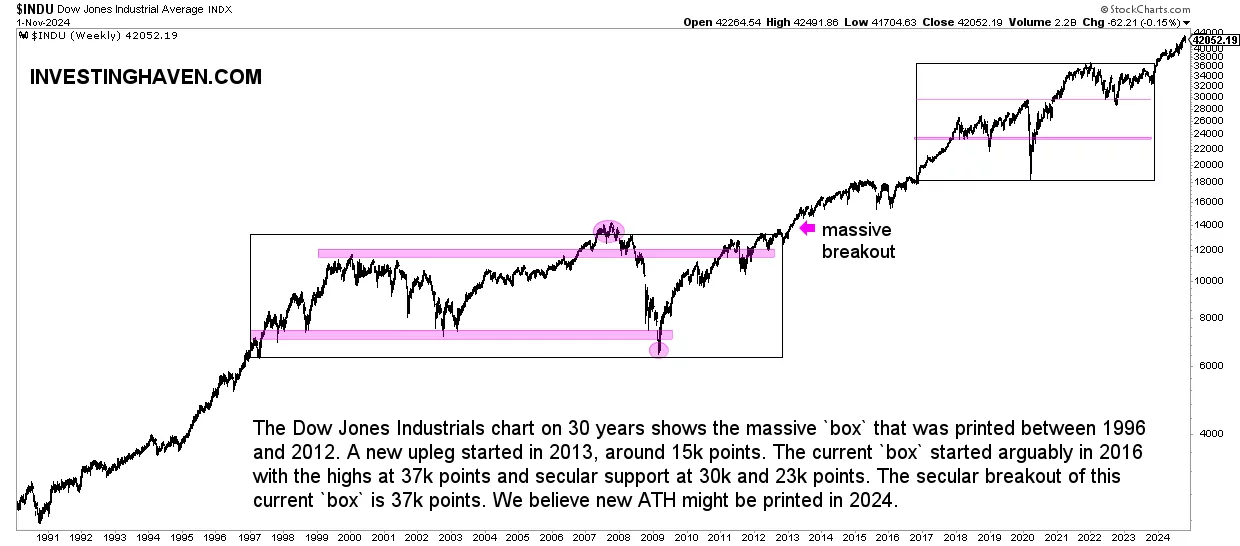
The Dow Jones Industrial Average’s journey through 2020 was nothing short of extraordinary. From setting new records at the start of the year, to enduring a terrifying and historically rapid bear market, and then mounting an equally remarkable V-shaped recovery to close at new all-time highs, the index served as a poignant reflection of the year’s global drama. The Dow’s 2020 performance highlighted the sheer resilience of financial markets, the profound impact of global crises, and the critical role of decisive policy actions. For investors, it was a harsh but ultimately rewarding teacher, reinforcing fundamental principles of long-term investing, diversification, and the critical importance of keeping a cool head amidst the storm. The year 2020 cemented its place not just in public health history, but as a seminal period in the annals of financial markets.
aViewFromTheCave is a participant in the Amazon Services LLC Associates Program, an affiliate advertising program designed to provide a means for sites to earn advertising fees by advertising and linking to Amazon.com. Amazon, the Amazon logo, AmazonSupply, and the AmazonSupply logo are trademarks of Amazon.com, Inc. or its affiliates. As an Amazon Associate we earn affiliate commissions from qualifying purchases.