
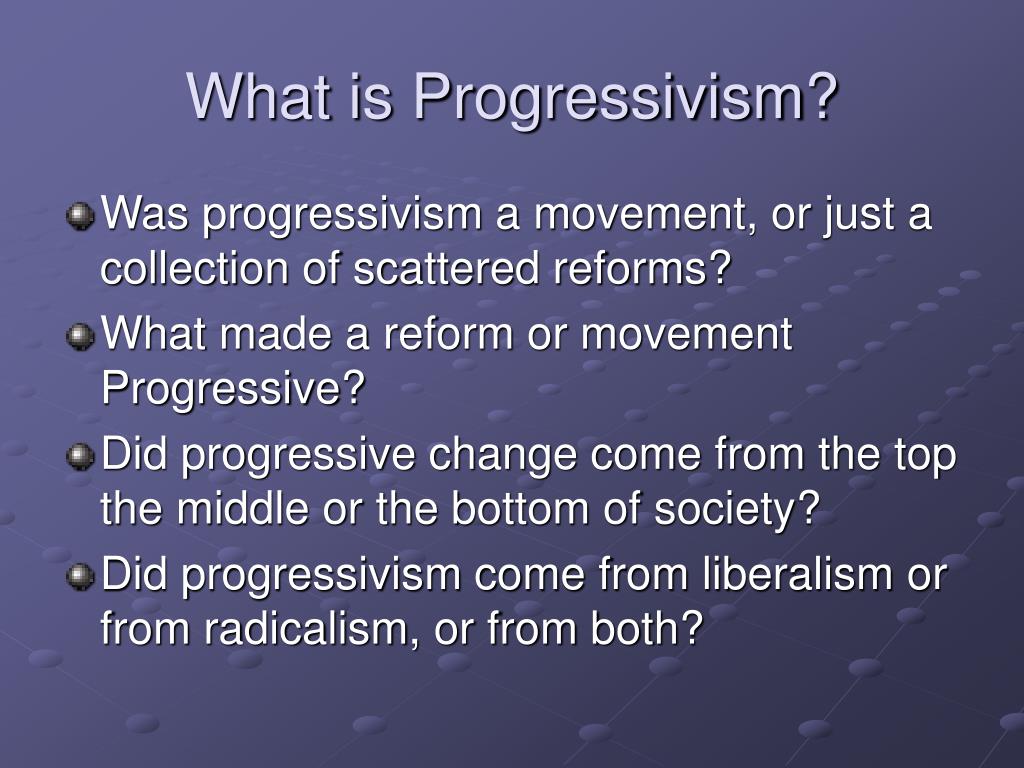
In the annals of American history, the Progressive Era stands as a pivotal period, a vibrant tapestry woven with the threads of reform, innovation, and a profound re-evaluation of the nation’s economic and social fabric. Spanning roughly from the 1890s to the 1920s, progressivism was not a monolithic movement but rather a diverse coalition of individuals and groups united by a common desire to address the profound challenges wrought by industrialization, urbanization, and the vast accumulation of wealth and power in the hands of a few. While often discussed in terms of political and social reform, at its very core, progressivism was an economic phenomenon, a direct response to the “Money” problems of its age.
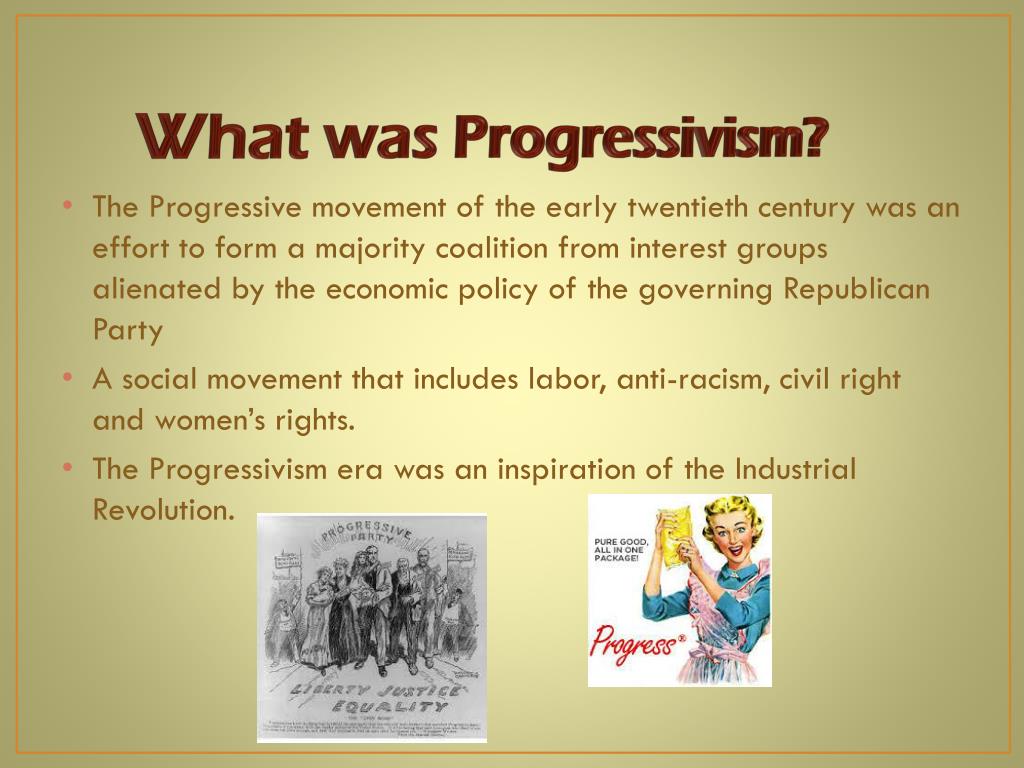
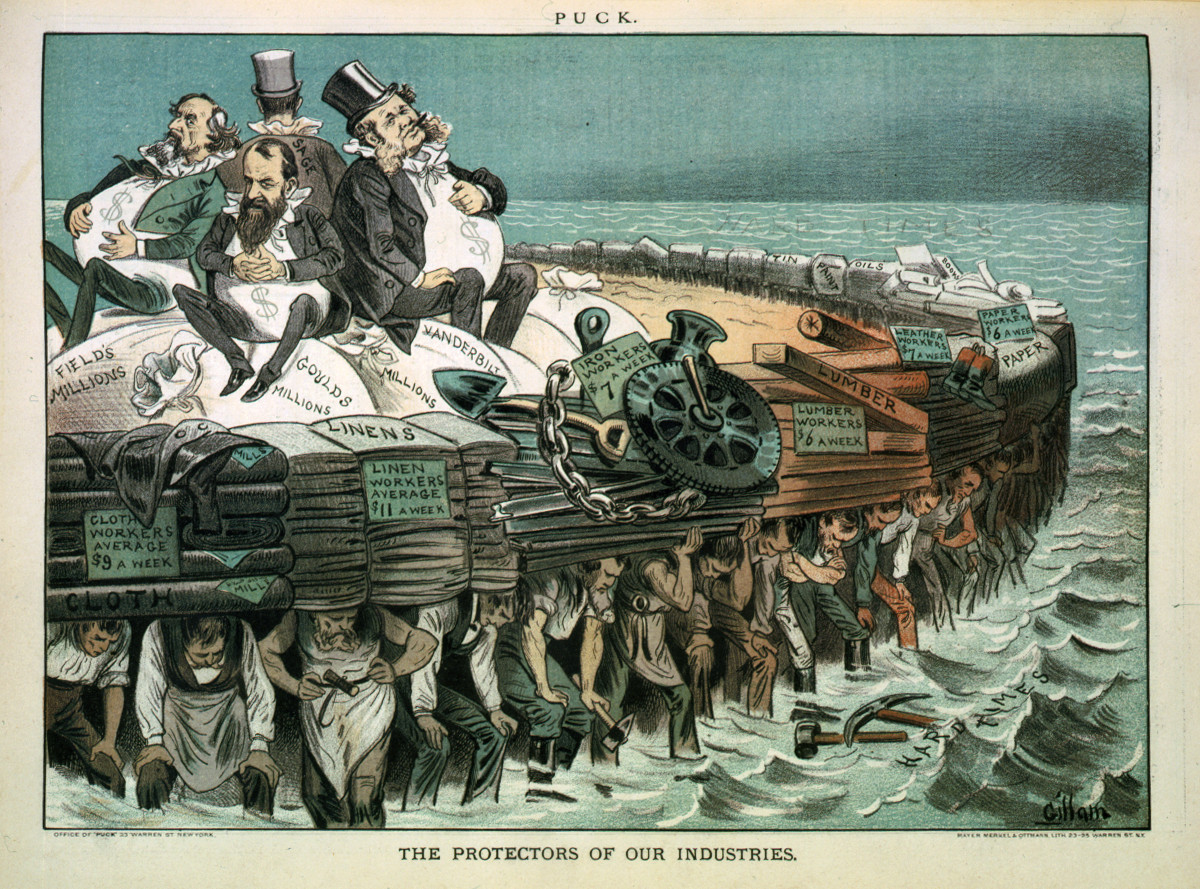
The Gilded Age that preceded it had been marked by unprecedented economic growth, but this prosperity was deeply uneven. Industrial titans amassed immense fortunes, often through monopolistic practices, exploitation of labor, and a disregard for public welfare. Workers toiled in dangerous conditions for meager wages, urban centers became breeding grounds for poverty and disease, and the democratic process itself seemed compromised by the influence of big business. Progressivism emerged from this crucible, driven by a conviction that economic justice, fair competition, and financial stability were not mere ideals but essential prerequisites for a functioning democracy and a thriving society. This article will delve into progressivism through the exclusive lens of “Money,” exploring its origins in economic disparity, its comprehensive reforms of financial systems and business practices, and its enduring legacy on modern finance and income distribution.
The Economic Crucible of Early Progressivism
The late 19th century presented a stark economic landscape: immense wealth concentration juxtaposed with widespread poverty, unchecked corporate power, and a labor force struggling for basic financial security. These were the primary motivators for the nascent progressive movement.
Challenging Monopolies and Wealth Concentration
The hallmark of the Gilded Age economy was the rise of powerful trusts and monopolies – corporations like Standard Oil, U.S. Steel, and the railroad conglomerates that dominated entire industries. These entities exerted immense control over markets, dictating prices, stifling competition, and accumulating vast fortunes for their owners. Progressives viewed these monopolies not merely as unfair business practices but as fundamental threats to economic opportunity and democratic principles. They argued that concentrated economic power led to concentrated political power, distorting free markets and preventing individuals from achieving financial independence.
The progressive response was multifaceted. It included the advocacy for and eventual enforcement of antitrust legislation, notably the Sherman Antitman Act (though initially ineffective) and later the Clayton Antitrust Act. These laws aimed to break up existing monopolies and prevent the formation of new ones, thereby fostering competition. From a “Money” perspective, the goal was to ensure a fairer playing field, where small businesses could compete, consumers would benefit from lower prices and greater choice, and wealth would be more broadly distributed. The breaking of trusts was seen as a vital step towards restoring economic dynamism and preventing the further aggregation of capital in the hands of a few, which had detrimental effects on personal finance for the vast majority.
Labor’s Cry for Financial Justice
The industrial boom had also created a massive industrial workforce, many of whom faced dire economic circumstances. Workers, including women and children, endured long hours, dangerous conditions, and subsistence wages. This stark reality fueled a demand for financial justice, making labor reform a central pillar of progressivism’s economic agenda. Unions, though often met with fierce corporate resistance, gained traction by advocating for better wages, shorter workdays, and safer working environments – all direct “Money” concerns impacting household incomes and personal financial stability.
Progressives championed legislation to improve these conditions. Child labor laws, maximum working hours statutes, and minimum wage campaigns (though not fully realized until later) were direct interventions aimed at securing a more equitable distribution of the profits generated by industry. Workmen’s compensation laws, providing financial relief for injured workers, also emerged from this era, laying the groundwork for modern social safety nets. These reforms sought to inject a measure of fairness into the employer-employee relationship, ensuring that capital did not solely dictate the terms of labor and that individuals had a greater chance at economic self-sufficiency and financial security, moving away from a precarious existence.
Unmasking Financial Malpractice: Muckrakers’ Role
A critical element in galvanizing public support for progressive economic reforms was the work of “muckraking” journalists. These investigative reporters exposed the corruption, exploitation, and financial malfeasance prevalent in big business and government. Ida Tarbell’s exposé on Standard Oil, Upton Sinclair’s “The Jungle” detailing unsanitary conditions in the meatpacking industry, and Lincoln Steffens’ investigations into municipal corruption all shone a harsh light on the dark underbelly of unchecked capitalism.
From a “Money” perspective, the muckrakers served as crucial watchdogs, informing the public about how corporate greed and unethical financial practices directly harmed ordinary citizens. Tarbell’s work, for instance, revealed how Standard Oil manipulated prices and crushed smaller competitors, impacting consumer costs and the financial viability of independent businesses. Sinclair’s novel, though fictionalized, highlighted how dangerous products directly affected consumer health and potential medical expenses, a hidden cost of unregulated industry. These revelations built public pressure for government intervention to regulate business, ensuring greater transparency, consumer protection, and ultimately, a more trustworthy financial and economic environment for everyone.
Reforming Financial Systems and Business Practices
As the progressive movement gained momentum, its focus expanded from merely exposing problems to actively crafting comprehensive reforms that reshaped the nation’s financial systems and the very rules by which businesses operated. This era saw the creation of foundational institutions and regulations that still influence our economy today.
The Birth of Modern Banking and Monetary Policy
Before the Progressive Era, the United States had a fragmented and often unstable banking system. Panics and financial crises were relatively common, largely due to a lack of centralized control over the money supply and a robust regulatory framework. The Panic of 1907, a severe financial crisis, underscored the urgent need for reform and highlighted the vulnerabilities of the nation’s “Money” infrastructure.
The progressive response was the creation of the Federal Reserve System in 1913. This monumental piece of legislation established a central banking system designed to provide stability to the nation’s financial markets, regulate banks, and manage the money supply. From a “Money” perspective, the Federal Reserve was a revolutionary financial tool, designed to prevent future panics, ensure liquidity for banks, and ultimately protect the savings and investments of ordinary citizens. It provided the framework for modern monetary policy, influencing interest rates, credit availability, and the overall economic climate, moving the nation away from a chaotic, boom-and-bust cycle towards a more predictable financial future.
Taming the Titans: Regulatory Frameworks
Beyond antitrust, progressives recognized the need for ongoing oversight of industries that significantly impacted public welfare and the economy. This led to the creation of powerful regulatory bodies designed to monitor and enforce fair practices, thereby safeguarding consumer “Money” and ensuring a level playing field.
The Interstate Commerce Commission (ICC), though established earlier, gained significant teeth during this period, regulating railroads and ensuring fair pricing and practices, which directly impacted business costs and consumer prices for goods. The Pure Food and Drug Act and the Meat Inspection Act of 1906, championed by progressives like Theodore Roosevelt, were direct responses to muckrakers’ revelations. These acts introduced federal oversight to ensure product safety and accurate labeling, protecting consumers from financially costly health risks and fraudulent products. These regulations fundamentally altered business finance, imposing compliance costs but also building consumer trust, which is invaluable for market stability. The principle established was clear: businesses had a responsibility beyond profit to protect the public’s well-being and their financial interests.
Progressive Taxation and Wealth Redistribution
Perhaps one of the most direct and impactful “Money” reforms of the Progressive Era was the introduction of a federal income tax. Before 1913, the federal government largely relied on tariffs and excise taxes, which disproportionately affected lower and middle-income families. Progressives argued for a more equitable system where wealth contributed proportionally to public services.
The 16th Amendment, ratified in 1913, authorized Congress to levy an income tax “from whatever source derived, without apportionment among the several States, and without regard to any census or enumeration.” This was a profound shift in public finance. It introduced the concept of progressive taxation, meaning those with higher incomes paid a higher percentage in taxes. This reform was explicitly designed to address wealth inequality, provide a stable funding source for public infrastructure and social programs, and redistribute wealth more equitably. It was a direct mechanism for using government’s financial power to level the economic playing field, contributing to a more balanced distribution of societal resources and impacting personal finance across all income brackets.
Progressivism’s Enduring Financial Legacy
The Progressive Era officially ended with the advent of World War I, but its “Money”-centric reforms and philosophical underpinnings continued to shape American economic life for generations. Many of the financial tools and regulatory frameworks we take for granted today have their roots in this transformative period.
Protecting the Consumer’s Purse
One of the most lasting impacts of progressivism, from a financial perspective, is the institutionalization of consumer protection. The idea that consumers have rights, and that the government has a role in safeguarding them from exploitative or dangerous business practices, was firmly established. While the current Consumer Financial Protection Bureau (CFPB) is a modern creation, its philosophical lineage traces directly back to progressive ideals of preventing financial fraud, ensuring product safety, and demanding transparency from corporations.
Today, regulations stemming from this era protect everything from the safety of the food we eat and the medicines we take, to the accuracy of advertising and the fairness of financial transactions. These protections save consumers untold amounts of money by preventing illness, injury, and financial exploitation, demonstrating a clear and direct link between progressive reforms and the ongoing safeguarding of personal finance.
Shaping the Modern Financial Landscape
The Federal Reserve System, antitrust laws, and regulatory bodies for industries like food and drugs formed the bedrock of the 20th-century American financial and economic system. The concept of government intervention to correct market failures, prevent monopolies, and ensure financial stability became an accepted, albeit often debated, part of the economic paradigm. These were not merely abstract ideas; they were tangible “Money” reforms designed to stabilize markets, protect investments, and ensure a fairer distribution of economic benefits.
The framework laid down by progressives influenced subsequent generations of financial regulation, including responses to the Great Depression and the various financial crises of the late 20th and early 21st centuries. The understanding that an unregulated market can lead to profound economic instability and social injustice, threatening both business finance and personal wealth, is a direct inheritance from the Progressive Era.
Lessons for Contemporary Financial Challenges
Looking at “What Was Progressivism?” through a “Money” lens reveals striking parallels to contemporary financial challenges. Issues like growing wealth inequality, the dominance of tech monopolies, the need for robust financial regulation, and the debate over progressive taxation remain central to economic discourse today. The progressive ideal of using government power to ensure economic fairness and opportunity, rather than allowing unchecked capital to dictate all terms, continues to resonate.
The lessons from the Progressive Era underscore the importance of balancing economic growth with social responsibility, preventing undue concentrations of financial power, and designing financial systems that serve the many, not just the few. Understanding progressivism’s economic origins and impacts provides invaluable insights into navigating today’s complex financial landscape, reminding us that the pursuit of economic justice and financial stability is a perennial task, deeply intertwined with the very fabric of our society.
aViewFromTheCave is a participant in the Amazon Services LLC Associates Program, an affiliate advertising program designed to provide a means for sites to earn advertising fees by advertising and linking to Amazon.com. Amazon, the Amazon logo, AmazonSupply, and the AmazonSupply logo are trademarks of Amazon.com, Inc. or its affiliates. As an Amazon Associate we earn affiliate commissions from qualifying purchases.