
In the modern attention economy, individuals are no longer just people; they are complex, multi-layered brands. To ask “what was JD Vance” is to explore the anatomy of one of the most sophisticated personal brand evolutions in contemporary history. From his emergence as a bestselling author and cultural translator to his tenure in venture capital and his eventual ascent into the highest echelons of political power, Vance’s trajectory offers a masterclass in brand positioning, narrative reclamation, and strategic pivot.
For brand architects and marketing strategists, the JD Vance phenomenon is less about partisan ideology and more about the mechanics of identity. It is a study of how a personal brand can be launched, scaled, and entirely overhauled to meet the demands of a shifting marketplace.

The Genesis of the “Hillbilly” Brand Architecture
Every world-class brand begins with a compelling origin story. In the mid-2010s, JD Vance’s brand was built on the foundation of “The Bridge.” He positioned himself as a unique intellectual product: a person with the pedigree of Yale Law School and the grit of the Appalachian Rust Belt. This duality allowed him to occupy a vacant niche in the media landscape.
Identifying the Market Gap
In 2016, the American cultural market faced a massive information deficit. The coastal elite and the corporate media realized they had lost touch with a significant portion of the domestic market—specifically, the working-class voters of the Midwest. Vance identified this gap and filled it with Hillbilly Elegy. His brand was not just “author”; it was “cultural interpreter.” He offered a product that promised to explain the “unexplainable” to a demographic hungry for insight.
Storytelling as a Brand Pillar
The JD Vance brand at this stage was defined by vulnerability and sociological observation. By centering his personal narrative on family struggle and systemic poverty, he built a high level of “brand equity” through perceived authenticity. In branding terms, he was utilizing the “Underdog” archetype, which is historically one of the most resilient and relatable brand frameworks. He wasn’t just selling a book; he was selling a perspective that was both critical of and empathetic toward his roots.
The Venture Capitalist Persona and the Technocratic Pivot
Following the success of his literary launch, Vance did not remain stagnant. A brand that does not evolve eventually becomes a relic. Vance’s move into venture capital—specifically through firms like Mithril Capital and NVP (Narya Capital)—represented a strategic diversification of his brand portfolio.
Networking and Institutional Credibility
By aligning himself with figures like Peter Thiel, Vance transitioned his brand from “observer” to “actor.” This phase of his personal brand was about institutional credibility. He was no longer just talking about the problems of the Rust Belt; he was branding himself as a solution-oriented technocrat. The “What was JD Vance” of this era was an innovator who aimed to bring Silicon Valley-style disruption to the “flyover states.”
This era highlights a crucial lesson in personal branding: the company you keep defines your brand’s market value. By moving in circles of high-level finance and technology, Vance elevated his brand from a media personality to a serious stakeholder in the American economy.
The Silicon Valley Influence on Brand Scaling
The venture capital world taught Vance the importance of scale and “blitzscaling” a narrative. In this niche, he learned how to pitch not just products, but visions of the future. This technocratic layer added a gloss of competence and financial literacy to his brand, making him more than a storyteller. He became a strategist. This pivot ensured that his brand was associated with wealth creation and economic revitalization, which would later serve as a potent foundation for his political “product launch.”
Rebranding for the Political Market: The Art of the Strategic Pivot
Perhaps the most fascinating aspect of the JD Vance brand is its radical transformation during his entry into the political arena. In branding, a “pivot” is a shift in strategy that maintains the core identity while changing the delivery or target audience. Vance’s pivot was more than a shift; it was a total brand overhaul designed to capture a new, more aggressive market segment.
Identifying the New Target Audience
As the political climate shifted toward populism, Vance recognized that his original “Bridge” brand—which appealed to moderate liberals and traditional conservatives—was no longer a high-growth asset. To win in the new marketplace, he had to realign his brand with the “America First” movement.
This required a significant “brand audit.” Elements of his past persona that were perceived as too cozy with the establishment had to be deprecated. The brand shifted from “Cultural Translator” to “Populist Fighter.” This was not a move of desperation, but a calculated response to market demand. He identified that his new target audience valued loyalty and combativeness over nuance and academic reflection.
Managing Brand Consistency vs. Evolution
Critics often point to Vance’s shift in rhetoric as a lack of consistency. However, from a brand strategy perspective, this is a common occurrence known as “Re-positioning.” When a legacy brand like Netflix shifted from mailing DVDs to streaming content, it abandoned its old methods to save its core mission. Vance kept his core mission—the advocacy for the working class—but changed his “delivery system” (his political alignment and tone) to match the current competitive landscape.
The Mechanics of Narrative Reclamation
A critical component of any brand evolution is the ability to handle “legacy debt”—the past statements and associations that no longer fit the current brand image. Vance’s ability to navigate his previous criticisms of his current allies is a testament to his understanding of narrative control.
Authenticity in the Age of Digital Scrutiny
In the digital age, a brand’s history is always searchable. Vance addressed his past brand identity head-on, a tactic known in PR as “stealing thunder.” By admitting to his shift in perspective, he framed his brand evolution as a journey of “enlightenment” rather than an “inconsistency.” This allowed him to maintain a sense of authenticity with his new audience. He didn’t delete his past; he contextualized it as a series of errors he had learned from, thereby strengthening the “relatability” of his current brand.
Visual Branding and Media Presence
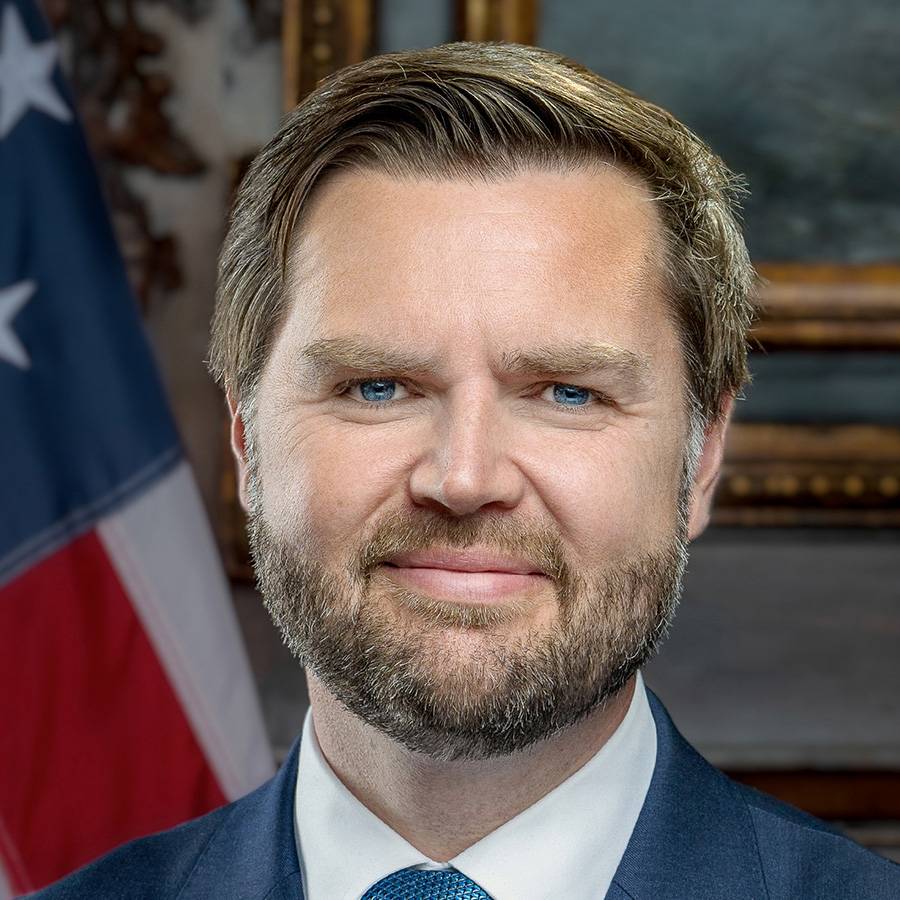
The visual identity of JD Vance also underwent a subtle but intentional shift. The “What was JD Vance” of the Hillbilly Elegy era often featured a clean-shaven, softer look suitable for morning talk shows and literary festivals. The political JD Vance adopted a more rugged, bearded aesthetic—a visual shorthand for masculinity, tradition, and a “common man” appeal.
His media strategy also shifted from legacy outlets like The New York Times to alternative media, podcasts, and digital platforms. This move bypassed traditional gatekeepers and allowed him to communicate directly with his “consumer base,” a strategy mirrored by successful Direct-to-Consumer (DTC) brands in the corporate world.

Lessons for Modern Brand Architects
The evolution of JD Vance provides several high-level takeaways for anyone looking to build or manage a personal brand in a volatile environment.
- Market Awareness is Paramount: A brand is only as valuable as its relevance to the current market. Vance’s ability to read the room and adjust his positioning allowed him to stay relevant across three different industries (Media, Tech, Politics).
- The Power of the Pivot: You are not married to your first iteration. If the data shows that your current brand has reached its ceiling, do not be afraid to overhaul your messaging to reach a larger or more motivated audience.
- Narrative Ownership: If you don’t define your brand evolution, your competitors will. Vance took ownership of his change in heart, turning a potential liability into a story of growth and adaptation.
- Strategic Alignment: Who you partner with determines how you are perceived. Vance’s transitions were always facilitated by moving into new, powerful networks that signaled his readiness for the next level.
Ultimately, “what was JD Vance” is the story of a brand that refused to be pigeonholed. It is a brand that understood that in a world of rapid change, the most dangerous thing you can be is static. By treating his career as a series of product launches and market realignments, Vance has demonstrated that with the right strategy, a personal brand can transcend its origins and dominate entirely new categories. Whether one views this as a calculated maneuver or a genuine personal evolution, its effectiveness as a branding exercise is undeniable.
aViewFromTheCave is a participant in the Amazon Services LLC Associates Program, an affiliate advertising program designed to provide a means for sites to earn advertising fees by advertising and linking to Amazon.com. Amazon, the Amazon logo, AmazonSupply, and the AmazonSupply logo are trademarks of Amazon.com, Inc. or its affiliates. As an Amazon Associate we earn affiliate commissions from qualifying purchases.