
In the realm of brand strategy, we often focus on the digital and the visual: logos, color palettes, typography, and user interface design. However, a brand is an omni-channel experience that extends far beyond the screen. For corporations, law firms, and high-growth startups, the physical environment serves as a silent but powerful ambassador for the brand’s values. Within this spatial branding, few pieces of furniture carry as much historical weight or professional gravitas as the credenza.
To the uninitiated, a credenza might appear to be a mere sideboard or a low-profile storage cabinet. But in the context of corporate identity and executive office design, it is a strategic asset. It is the anchor of the executive suite, a tool for organizational efficiency, and a canvas upon which a brand’s commitment to quality and detail is projected. Understanding what credenzas are—and how they function within a brand’s physical footprint—is essential for any organization looking to master the art of corporate identity.

Defining the Credenza within the Modern Brand Landscape
The word “credenza” finds its roots in the Italian language, originally meaning “belief” or “trust.” In the Renaissance era, the credenza was a sideboard where food was tasted by a trusted servant for poison before being served to a person of high rank. This origin story is remarkably relevant to modern branding; the credenza has always been associated with trust, preparation, and the inner sanctum of power.
The Historical Evolution of Authority
As the credenza transitioned from the dining halls of Italian nobility to the boardrooms of the 20th century, its symbolic value evolved but did not diminish. During the mid-century modern movement—a period that defined the “look” of corporate America—designers like Florence Knoll and George Nelson reimagined the credenza as a sleek, functional companion to the executive desk.
In this era, the credenza became the “back-office” of the desk itself. It housed the files, the telephones, and the burgeoning technology of the time, allowing the primary desk to remain a clean, uncluttered space for decision-making. This separation of “work” and “process” became a hallmark of executive branding, signaling that the leader was focused on the big picture while the machinery of the business was handled with organized precision.
Functional Sophistication in Professional Spaces
In contemporary brand design, a credenza is defined as a long, low piece of furniture, typically featuring a flat top and a combination of cabinets and drawers. Unlike a bookshelf, which displays its contents, a credenza is designed to conceal. This functionality is critical for a brand’s professional image.
By hiding the “mess” of operations—cables, redundant hardware, and paper archives—the credenza allows a brand to maintain an atmosphere of calm and control. In the eyes of a client or a potential partner, an office equipped with a well-integrated credenza suggests a brand that is methodical, prepared, and attentive to the finer points of professional etiquette.
The Psychology of Space: How Furniture Shapes Brand Perception
Brand strategy is built on the foundation of perception. When a client walks into a corporate headquarters, they are subconsciously absorbing thousands of data points that inform their trust in the organization. The choice of furniture, particularly substantial pieces like the credenza, plays a disproportionate role in this psychological evaluation.
Signifiers of Stability and Longevity
In an era of “disposable” startup culture and lightweight, modular furniture, a heavy, well-crafted credenza acts as an anchor. For financial institutions or law firms, where the brand promise is built on stability and legacy, the material of the credenza speaks volumes.
A credenza made of solid walnut or oak, with a marble or stone top, conveys a sense of permanence. It suggests that the brand is not a “here today, gone tomorrow” entity but a pillar of the industry. This is physical branding in its most visceral form: using the weight and tactile quality of objects to reinforce the brand’s core values of reliability and endurance.
Creating a Narrative through Materiality
The materials chosen for office furniture are an extension of the brand’s visual identity. A tech firm focused on innovation might opt for a credenza featuring frosted glass, brushed aluminum, or high-gloss lacquers. These materials communicate transparency, speed, and modernism.
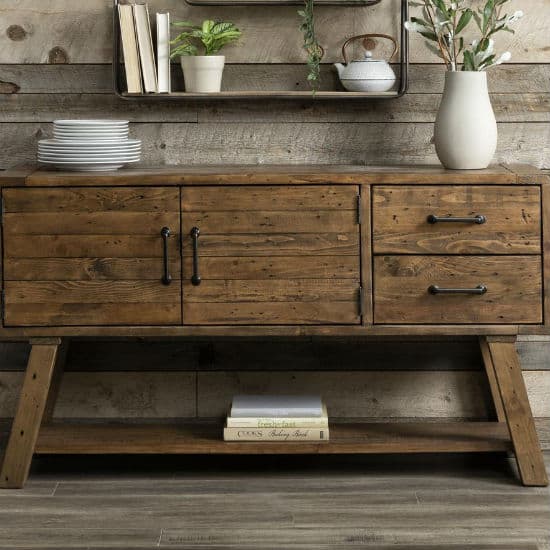
Conversely, a brand that prides itself on craftsmanship and artisanal values might choose a credenza with visible joinery and natural oil finishes. The credenza becomes a touchpoint where the brand’s story is told through texture. When a brand strategist considers the physical space, they must ask: “If our brand were a material, would it be cold steel or warm mahogany?” The credenza is often the largest horizontal surface in a room besides the desk, making it the primary medium for this material narrative.
Integrating Modern Brand Identity into Executive Furniture
As the workplace continues to evolve toward hybrid models and digital-first workflows, the role of the credenza has shifted once again. It is no longer just a place to store paper; it is a critical hub for the integration of technology and the manifestation of a “modern” brand identity.
Mid-Century Modernism and the Rise of the Corporate Titan
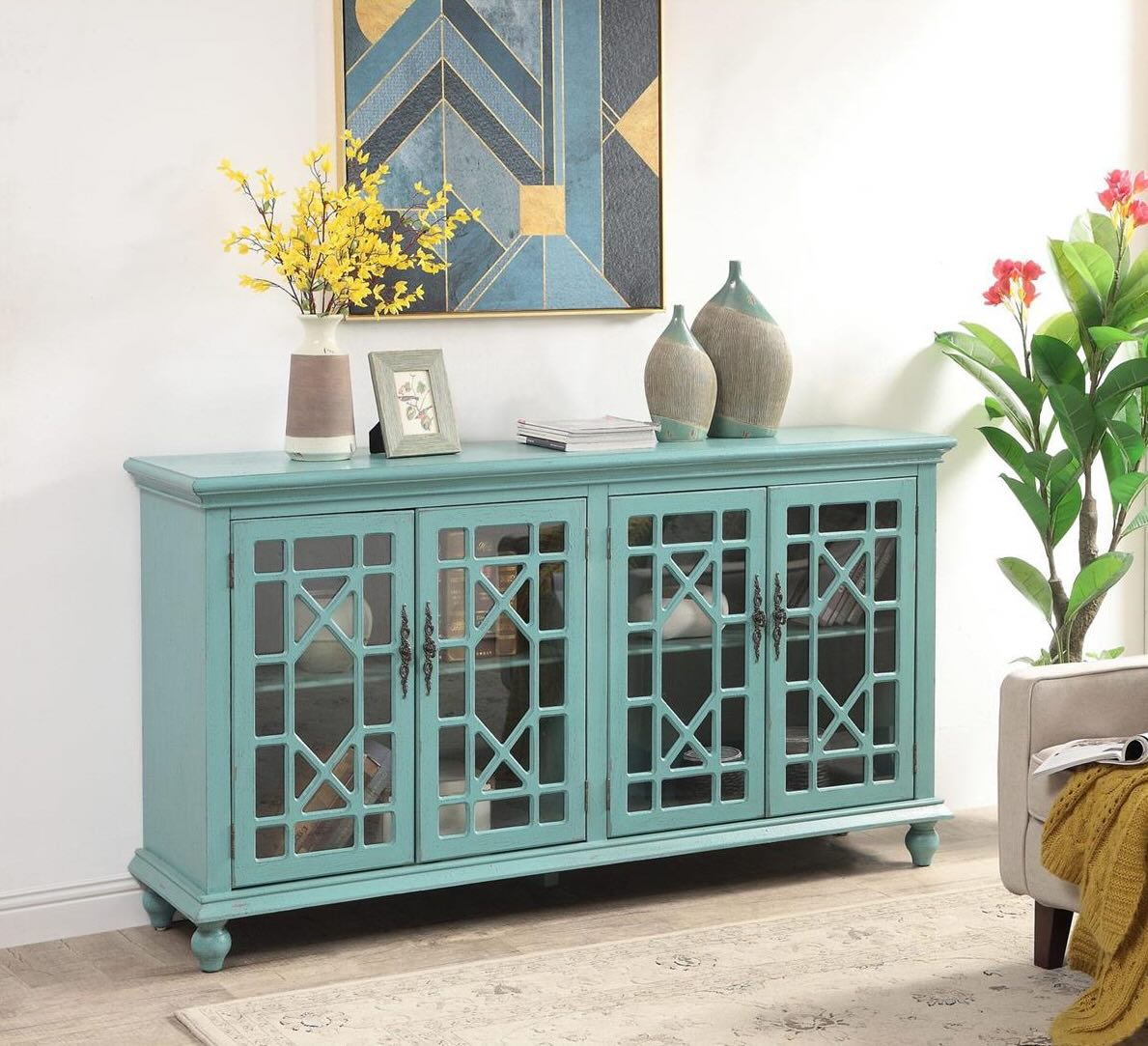
The enduring popularity of mid-century modern credenzas in contemporary branding is not an accident. This design language—characterized by clean lines, tapered legs, and a lack of ornamentation—became synonymous with the post-war economic boom. For modern brands, adopting this aesthetic is a way of aligning themselves with the “Golden Age” of corporate progress.
When a brand chooses a mid-century inspired credenza, they are tapping into a design heritage of efficiency and optimism. It is a strategic choice to look sophisticated without being stuffy, and professional without being ornate. It bridges the gap between the traditional boardroom and the creative studio.
The Minimalist Shift: Transparency and Open Branding
Modern brand strategy often emphasizes transparency and openness. In response, furniture design has moved away from the monolithic, floor-to-ceiling cabinets of the past toward “floating” or “open-base” credenzas.
A floating credenza, wall-mounted to expose the floor beneath it, creates a sense of lightness and spatial flow. For a brand that wants to be perceived as agile, forward-thinking, and unburdened by hierarchy, this design choice is significant. It changes the energy of the room, making it feel more expansive and less guarded. This is the visual equivalent of an “open-door policy,” expressed through the physical geometry of the office.
The Technical Credenza: Merging Digital Utility with Brand Aesthetics
One of the greatest challenges in physical branding is the “tech-clutter” problem. A brand can have the most beautiful office in the world, but if the conference room is a bird’s nest of HDMI cables, power strips, and cooling fans, the brand image suffers. Here, the credenza serves a vital function as a “media hub.”
Hiding the Clutter of Innovation
The modern “media credenza” is engineered specifically to house the infrastructure of digital collaboration. It features ventilated backs for server storage, built-in rack mounts for AV equipment, and integrated cable management systems that allow wires to pass seamlessly from the floor to the surface.
From a branding perspective, this is about “seamlessness.” If a brand claims to provide a seamless user experience in its software, that promise must be reflected in its physical environment. A credenza that perfectly integrates technology demonstrates that the brand values harmony between form and function. It shows that they have mastered their tools rather than being overwhelmed by them.
Ergonomics and Employee Brand Experience
Brand strategy isn’t just for clients; it is also for employees. The “Internal Brand” is shaped by the quality of the tools and environment provided to the team. A credenza that doubles as a standing-height workstation or a collaborative surface for team huddles reflects a brand that values health, flexibility, and collective intelligence.
When employees see that their environment is curated with high-quality, functional furniture, it elevates their perception of the company’s worth. They begin to see themselves as part of a high-standard organization. In this way, the credenza contributes to employee retention and the overall culture of excellence.
Strategic Selection: Choosing the Right Credenza for Your Brand Identity
Selecting furniture for a corporate space is a branding exercise that requires a deep understanding of the organization’s DNA. A mismatched piece of furniture can create cognitive dissonance—a disconnect between what the brand says and what the brand looks like.
Alignment with Core Values
Before selecting a credenza, a brand leader must define their “brand archetypes.” Is the brand a “Sage” (wise, authoritative, traditional)? If so, a classic, heavy-set credenza in dark wood is appropriate. Is the brand a “Creator” (innovative, imaginative, daring)? Then a custom-designed piece with bold colors or unconventional shapes might be the right move.
The credenza should not be an afterthought; it should be an extension of the brand’s visual vocabulary. If the brand logo uses rounded corners and soft gradients, the furniture should echo those forms. If the brand is defined by “The Grid” and mathematical precision, the credenza should be architectural and linear.
Long-term Investment and Sustainability
In the modern market, a brand’s stance on sustainability is a core component of its identity. Choosing “fast furniture” that will end up in a landfill within three years is a brand risk. Conversely, investing in a high-quality, sustainably sourced credenza is a statement of corporate social responsibility.
When a brand invests in a piece of furniture that is built to last for decades, they are practicing “slow branding.” They are signaling that they make thoughtful, long-term decisions. This commitment to quality and ecology is increasingly important to modern consumers and B2B partners alike.
In conclusion, a credenza is far more than a storage unit. It is a foundational element of corporate identity that bridges the gap between history and the future, between function and aesthetic, and between a brand’s promise and its physical reality. By carefully selecting and integrating this piece of furniture, a brand can ground its office space in a sense of authority, trust, and sophisticated design. In the world of branding, every detail counts—and the credenza is a detail that carries the weight of the entire organization.
aViewFromTheCave is a participant in the Amazon Services LLC Associates Program, an affiliate advertising program designed to provide a means for sites to earn advertising fees by advertising and linking to Amazon.com. Amazon, the Amazon logo, AmazonSupply, and the AmazonSupply logo are trademarks of Amazon.com, Inc. or its affiliates. As an Amazon Associate we earn affiliate commissions from qualifying purchases.