
To understand the historical phenomenon of the Hitler Youth is to look beyond the surface of a paramilitary organization and analyze it as one of the most comprehensive—and devastatingly effective—branding campaigns in human history. In the sphere of brand strategy and corporate identity, we often discuss the importance of “brand loyalty” and “consumer lifestyle integration.” However, the Hitler Youth represents the extreme, dark apex of these concepts: the total colonization of an individual’s identity by a central brand.
By examining the Hitler Youth through the lens of brand architecture, market positioning, and psychological influence, we can extract profound lessons about the power of visual consistency, the dangers of monopolistic messaging, and the ethical responsibility that comes with the ability to shape public consciousness.
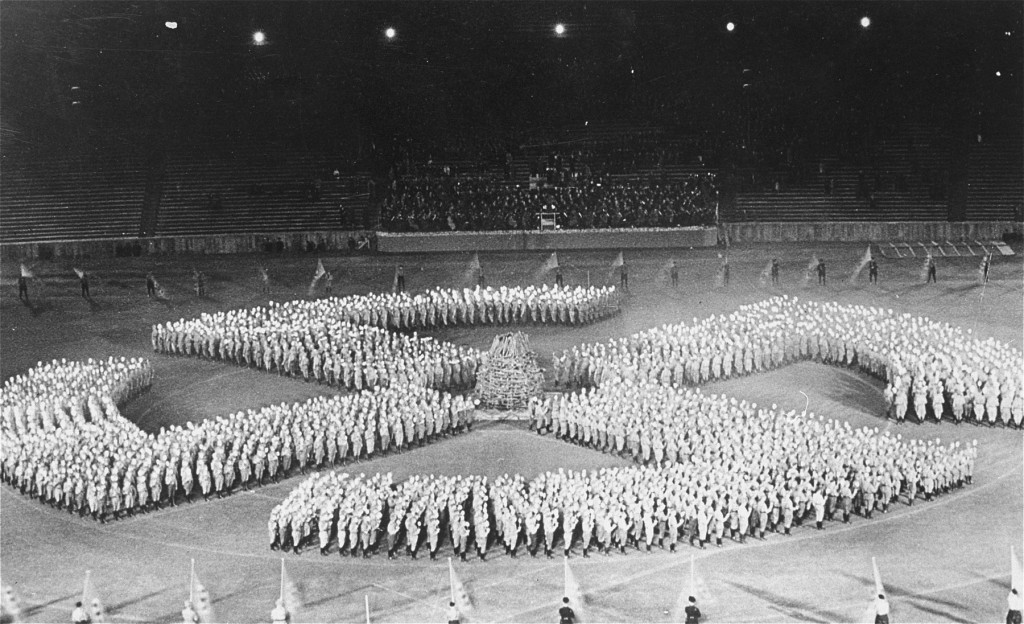
The Architecture of an Absolute Brand Identity
The success of any brand begins with its visual and sensory identity. In the early 1920s and 30s, the Nazi Party (NSDAP) operated much like a disruptive startup in a crowded and chaotic political marketplace. To capture the attention of the German youth, they needed a brand identity that offered clarity, strength, and a sense of belonging that competing “brands”—such as traditional scouting or religious youth groups—could not match.
Visual Consistency and Symbolism
The Hitler Youth (HJ) was built on a foundation of rigorous visual consistency. In brand management, we know that a cohesive visual language creates trust and recognition. The HJ utilized the swastika, the Sig Rune (S-shape), and a specific color palette of brown and black to create an instantly recognizable “corporate” aesthetic.
The uniform was the primary vehicle for this identity. Unlike the diverse clothing of the Weimar era, the HJ uniform functioned as a “brand skin.” It erased socioeconomic differences between the rich and the poor, replacing individual class status with a unified brand rank. For a marketing strategist, this is the ultimate form of brand equity—where the consumer doesn’t just buy the product; they wear the brand, becoming a walking advertisement for its values.
Creating a Unified Brand Persona
A brand is more than just a logo; it is a persona. The Hitler Youth brand was marketed as “The Vanguard of the Future.” It promised a persona of vitality, discipline, and modernism. By positioning the brand as “young” and “forward-looking,” it effectively cast all other competing social organizations as “legacy brands”—outdated, weak, and irrelevant. This strategic positioning allowed the HJ to capture the “early adopter” demographic of German society: the teenagers who were eager to rebel against the old-world values of their parents.
Strategic Segmentation: Marketing to the Next Generation
In modern brand strategy, we talk about “Life-Stage Marketing”—capturing a consumer early in their journey to ensure a lifetime of brand loyalty. The Hitler Youth was the manifestation of this strategy taken to its most radical extreme. The goal was not merely to sell a political idea, but to occupy the entire developmental “market” of a child’s life.
Exploiting Market Gaps in Youth Identity
During the Great Depression, the youth of Germany faced a vacuum of purpose. High unemployment and political instability left a “market gap” for hope and structure. The HJ “product” filled this gap by offering a comprehensive lifestyle package: physical training, outdoor adventure, and a sense of national importance.
They utilized a tiered brand hierarchy to ensure “consumer retention” across different ages. The Deutsches Jungvolk (German Youngsters) targeted boys aged 10 to 14, serving as a “sub-brand” designed to build basic brand awareness and discipline. At age 14, these “customers” were “upsold” into the Hitler Youth proper. This transition was marked by rituals and increased responsibility, mimicking the modern “loyalty tier” system where increased engagement is rewarded with higher status and exclusive access.
The Product: Belonging and Purpose
From a marketing perspective, the Hitler Youth did not sell a political platform; it sold an emotional experience. The “product” was the feeling of being part of something larger than oneself. In an era of atomization, the HJ offered a “community brand.”
The activities—camping, hiking, and sports—were the “customer touchpoints.” These events were meticulously designed to create positive associations with the brand. By the time a child reached adulthood, the brand identity of the Hitler Youth was so intertwined with their personal memories of childhood and camaraderie that the two were inseparable. This is the “halo effect” pushed to its logical breaking point.

Multi-Channel Propaganda: The Distribution of Ideology
A brand is only as strong as its distribution network. The Hitler Youth utilized what we would call today an “omnichannel marketing strategy.” They did not rely on a single medium; they saturated every available channel to ensure that their “brand message” was inescapable.
Event Marketing and Ritualistic Branding
The mass rallies at Nuremberg and localized regional “Brand Days” served as high-impact experiential marketing. These events used light (the famous “Cathedral of Light”), sound (rhythmic drumming and chanting), and choreography to create a sensory-overload experience.
In the world of luxury branding, we understand that “exclusivity” and “ritual” drive value. The HJ used induction ceremonies, oath-takings, and torchlight processions to create a sense of sacredness around the brand. These rituals functioned as “brand anchors,” deeply embedding the ideology into the subconscious of the participants through repetitive, emotional experiences.
Peer-to-Peer Influence and Social Proof
One of the most effective tools in the HJ marketing kit was “social proof.” By making membership mandatory (beginning in 1936) and culturally dominant, the brand utilized peer pressure to drive adoption. In marketing terms, they achieved a “total market share.”
When the majority of a child’s peer group is wearing the same “brand” (the uniform) and speaking the same “brand language” (the slogans), the “cost” of not joining becomes social ostracization. The HJ turned every member into a “brand ambassador,” tasked with recruiting their friends and monitoring their families. This created a viral loop of indoctrination that bypassed traditional parental authority, effectively disrupting the “family brand” and replacing it with the “state brand.”
The Perils of Brand Monopoly: Ethical Lessons for Modern Strategy
The study of the Hitler Youth serves as a stark warning about the dangers of brand monopoly and the ethical boundaries of psychological influence. When a single brand—whether corporate or political—gains total control over the information landscape and the social environment, the results are catastrophic.
The Erasure of Competitor Identity
To achieve total dominance, the HJ did not simply out-compete other youth organizations; it used state power to “liquidate” the competition. Religious groups, the Boy Scouts, and sports clubs were banned or forcibly merged into the HJ.
In business terms, this is the equivalent of a monopoly that doesn’t just buy out competitors but makes the existence of any other product illegal. This lack of competition led to a “brand echo chamber.” Without alternative viewpoints or competing identities, the consumers (the youth) lost the ability to exercise “critical brand analysis.” They became passive recipients of a single, unchallenged narrative.
Long-term Brand Devaluation and Destruction
Ultimately, the Hitler Youth brand was built on a foundation of “false promises.” While it marketed vitality and a “Thousand-Year Reich,” the actual “service delivery” resulted in the destruction of an entire generation on the battlefields of Europe.
From a strategic perspective, the HJ represents the ultimate “brand failure.” While it was successful in the short term at achieving high engagement and loyalty, its core values were toxic and unsustainable. When the “parent company” (the Nazi State) collapsed, the brand equity of the Hitler Youth evaporated instantly, leaving behind a legacy of trauma and collective guilt.

Conclusion: The Responsibility of the Brand Strategist
The Hitler Youth is a chilling reminder that the tools we use in branding—visual identity, psychological segmentation, experiential marketing, and social proof—are morally neutral. They can be used to build communities and foster positive change, or they can be weaponized to strip individuals of their autonomy and lead them toward destruction.
For the modern brand strategist, the lesson is clear: the power to shape identity is a sacred trust. A brand should empower the consumer, not erase them. True brand loyalty is earned through transparency and value, not through the systematic manipulation of the human need for belonging. As we navigate the digital age, where algorithms and data provide even more sophisticated ways to target and influence the next generation, we must look back at the mechanics of the Hitler Youth not as a template for success, but as a cautionary tale of what happens when the art of branding is divorced from human ethics.
aViewFromTheCave is a participant in the Amazon Services LLC Associates Program, an affiliate advertising program designed to provide a means for sites to earn advertising fees by advertising and linking to Amazon.com. Amazon, the Amazon logo, AmazonSupply, and the AmazonSupply logo are trademarks of Amazon.com, Inc. or its affiliates. As an Amazon Associate we earn affiliate commissions from qualifying purchases.