
In the contemporary landscape of material science, the distinction between natural and synthetic has evolved from a simple binary into a complex field of high-tech engineering. Synthetic fabrics are not merely “plastic clothes”; they are the result of sophisticated chemical engineering, designed to outperform natural fibers in specific environments. From the moisture-wicking shirts used by elite athletes to the heat-resistant layers in aerospace suits, synthetic textiles represent a pinnacle of polymer technology. Understanding what fabrics are synthetic requires a deep dive into the laboratory processes that transform petroleum-based monomers into the versatile threads that define modern life.

The Molecular Architecture: Defining Synthetic Polymers
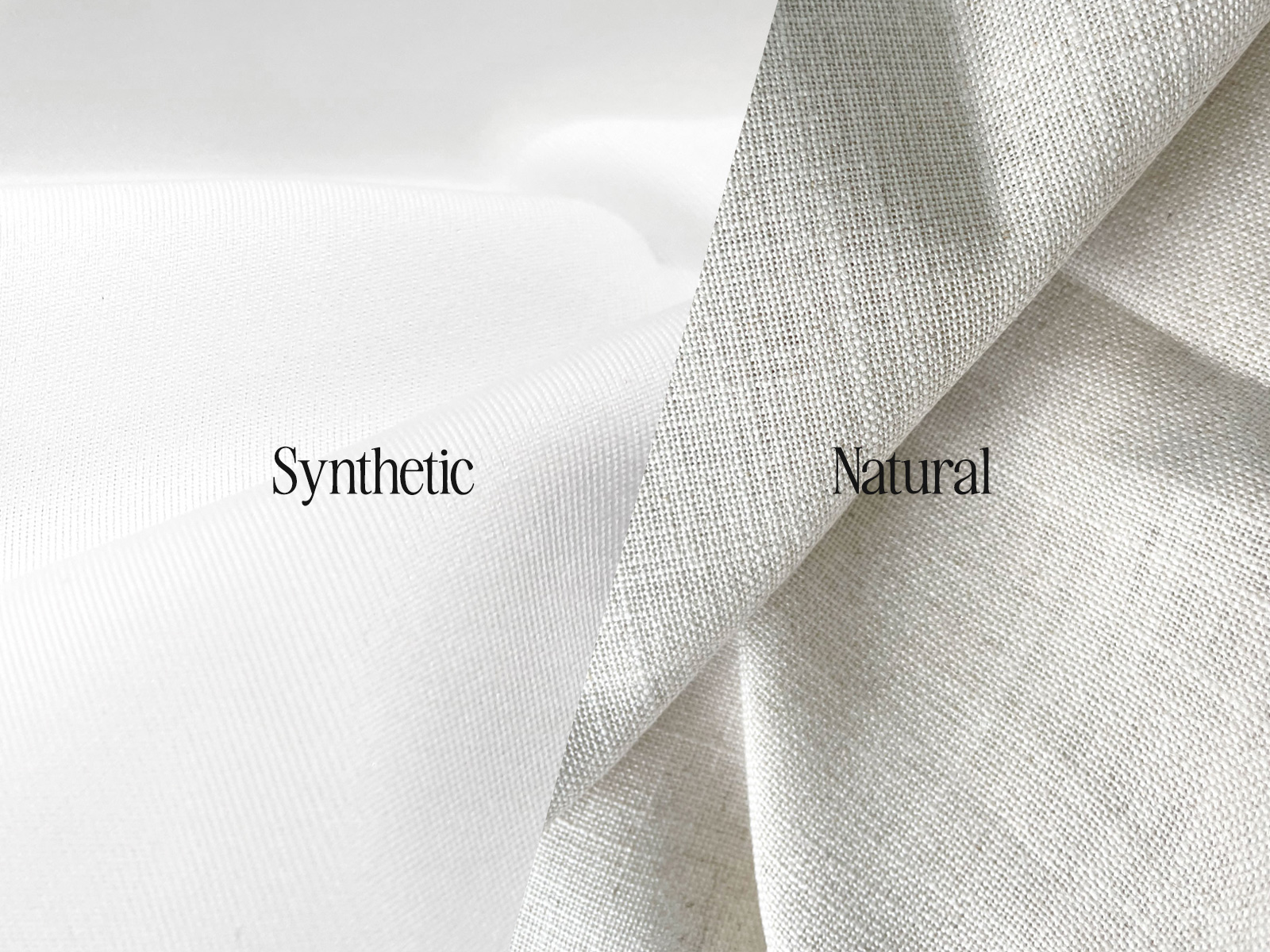
At their core, synthetic fabrics are man-made fibers created through chemical synthesis. Unlike natural fibers like cotton or wool, which are harvested from biological sources, synthetics are engineered from start to finish. The primary raw material for most synthetic textiles is petroleum, which undergoes a process called polymerization to create long chains of molecules.
The Major Categories of Synthetic Tech
The world of synthetics is dominated by four key pillars of material science: Polyester, Nylon, Acrylic, and Polyolefin.
- Polyester (Polyethylene Terephthalate): This is the workhorse of the modern textile industry. Engineered in the mid-20th century, polyester is a category of polymers that contains the ester functional group in every repeat unit of its main chain. It is prized for its durability, resistance to shrinking, and hydrophobic nature, which makes it the foundation for most performance-wear tech.
- Nylon (Polyamides): First developed by DuPont in the 1930s, nylon was the first commercially successful synthetic polymer. It is a silky material that can be melt-processed into different shapes and films. In the tech world, nylon is valued for its exceptional strength-to-weight ratio and elasticity.
- Acrylic: Designed to mimic wool, acrylic fibers are made from a polymer (polyacrylonitrile) with an average molecular weight of around 100,000. It is lightweight, warm, and soft, but with a technical resilience against moths, oils, and chemicals that natural wool lacks.
- Spandex (Elastane): A polyether-polyurea copolymer, spandex is a triumph of structural engineering. It can expand up to 600% of its length and return to its original shape, a property achieved by the alternating rigid and flexible segments within its molecular chain.
The Extrusion Process: From Pellets to Threads
The manufacturing technology behind these fabrics is a marvel of precision engineering known as “spinning.” This is not the wooden spinning wheel of history, but a high-pressure industrial process. Polymer chips are melted into a thick liquid and forced through a “spinneret”—a metal plate with microscopic holes. As the liquid emerges, it is cooled by air or a chemical bath, solidifying into continuous filaments. The shape and size of these spinneret holes are digitally controlled to determine the fiber’s technical properties, such as breathability, luster, and hand-feel.
The Rise of Technical Textiles and Smart Fabrics
We are currently moving past the era of “passive” synthetics into the age of “active” or “smart” textiles. Synthetic fabrics are the ideal substrate for integrating technology because their molecular structure can be manipulated at the laboratory level.
Performance Engineering and Moisture Management
The “tech” in modern athletic wear lies in the cross-sectional design of the synthetic fiber. Engineers use laser-drilled spinnerets to create non-circular fibers (such as trilobal or C-shaped channels). These shapes utilize capillary action to pull moisture away from the skin and move it to the surface of the fabric where it can evaporate. This is a mechanical engineering solution implemented at a microscopic scale, something impossible to achieve with the irregular, organic structure of cotton.
Wearable Technology and Conductive Synthetics
The most significant trend in synthetic tech is the integration of electronics. Researchers are now “doping” synthetic polymers with conductive materials like graphene or silver nanoparticles. This creates conductive threads that can be woven directly into garments.
- Biometric Monitoring: Synthetic compression shirts now feature integrated sensors that track heart rate, respiration, and muscle fatigue without the need for external straps.
- Thermal Regulation: Advanced synthetics can now incorporate Phase Change Materials (PCMs). These micro-encapsulated substances absorb heat when the body temperature rises and release it when the temperature drops, effectively acting as a thermal battery.
Lab-Grown and Bio-Synthetics
To address the environmental footprint of petroleum-based fabrics, the industry is pivoting toward bio-synthetic technology. These are still synthetic fibers, but the monomers are derived from renewable sources like corn, sugar cane, or even lab-grown microorganisms. This “Green Tech” branch of synthetics aims to retain the performance advantages of traditional polymers while decoupling the supply chain from fossil fuels.
Digital Security and Supply Chain Integrity in Synthetics
As the demand for specialized synthetic fabrics grows—particularly in the military, medical, and high-end outdoor sectors—verifying the authenticity of these high-tech materials has become a priority. The industry is increasingly turning to digital solutions to track “fiber-to-fabric” provenance.
Blockchain and Molecular Tagging
To combat counterfeiting and ensure that a “high-tenacity nylon” is actually what it claims to be, tech companies are embedding “molecular barcodes” into the synthetic polymers during the melt-spinning process. These microscopic markers are invisible and do not affect the fabric’s performance. When scanned with a proprietary handheld device, the marker links to a blockchain ledger, providing a tamper-proof record of the fabric’s origin, chemical composition, and manufacturing history.
AI in Quality Control and Material Discovery
Artificial Intelligence is drastically shortening the R&D cycle for new synthetic fabrics. In the past, creating a new polymer with specific heat-resistance or elasticity required years of trial-and-error. Today, machine learning algorithms can simulate millions of molecular combinations to predict which polymer structures will yield the desired technical specifications.
In manufacturing, AI-driven computer vision systems monitor the extrusion of synthetic filaments in real-time. These systems can detect a single broken filament among thousands of strands moving at high speeds, ensuring that the high-specification fabrics used in parachutes, medical implants, or industrial filters are defect-free.
The Circular Tech Pivot: Chemical Recycling and the Future
One of the most pressing challenges in the tech of synthetics is the “end-of-life” problem. Because these fabrics are designed to be durable, they do not biodegrade easily. However, the next generation of synthetic technology is focused on circularity through advanced chemical recycling.
Mechanical vs. Chemical Recycling
Traditional recycling (mechanical) involves shredding old polyester and melting it down, which weakens the fibers over time. The “Tech” solution is Chemical Recycling (or molecular recycling). This process uses heat and chemical catalysts to break the synthetic fabric back down into its original monomers. These monomers can then be purified and re-polymerized into “virgin-quality” fiber. This technology effectively allows for an infinite loop where a synthetic garment can be digitized, recycled, and reborn without any loss in performance.
Carbon Capture Textiles
The frontier of synthetic fabric technology is the development of polymers made from captured atmospheric carbon. Companies are now using bioreactors to capture CO2 emissions from factories and convert them into the building blocks for polyester and nylon. This transforms a pollutant into a high-performance material, representing a paradigm shift in how we view the synthesis of fabrics.
Conclusion: Synthetics as the Fabric of Innovation
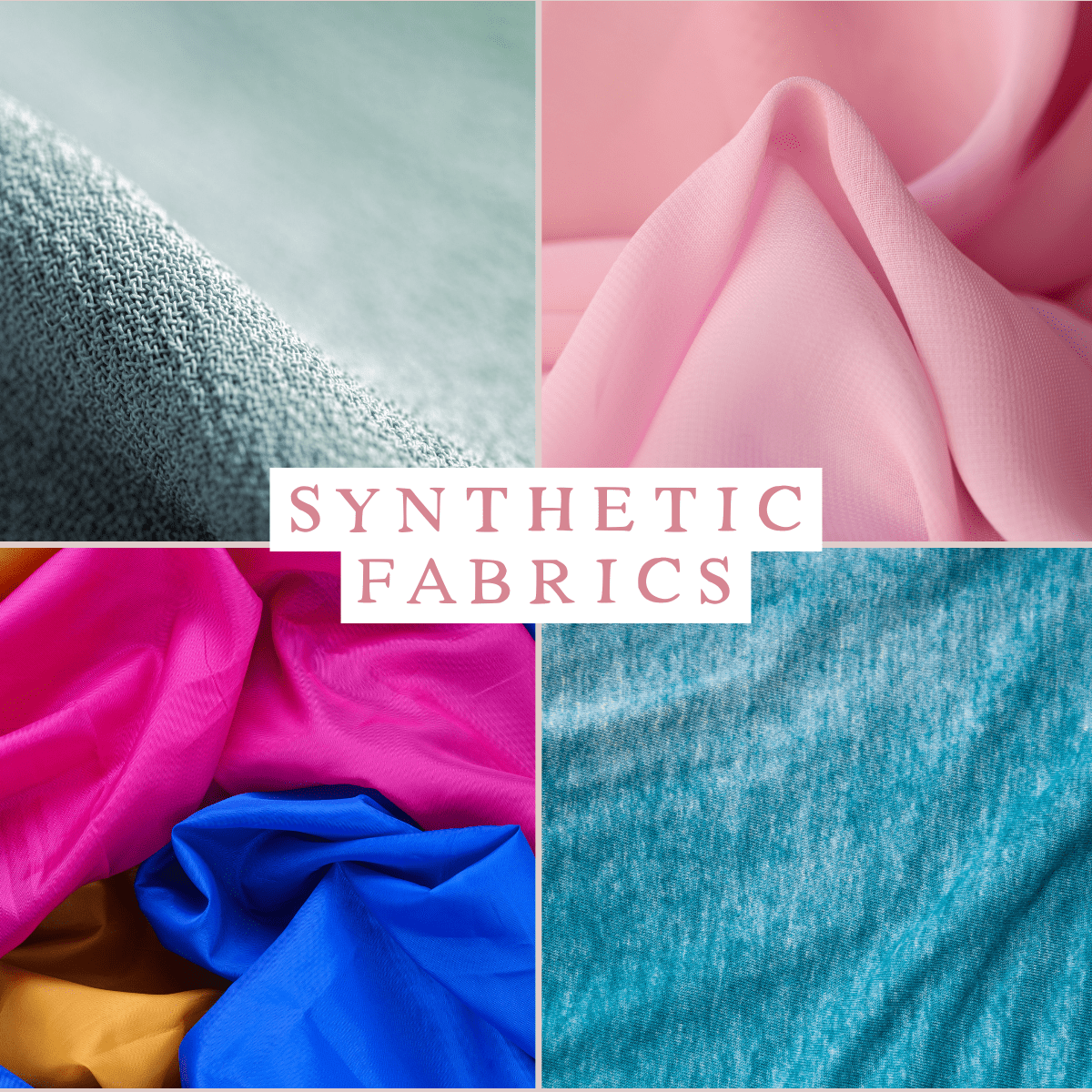
When we ask what fabrics are synthetic, we are looking at the evolution of human ingenuity. Synthetics are no longer just cheap alternatives to natural fibers; they are the high-performance materials that enable modern technology to function. From the cleanrooms of semiconductor labs to the rigorous demands of deep-sea exploration, synthetic fabrics provide the protection, conductivity, and durability that natural fibers cannot match.
As we move forward, the intersection of AI, molecular engineering, and digital tracking will continue to push the boundaries of what these “plastic” threads can do. The future of synthetic fabrics lies in their ability to become smarter, more sustainable, and more integrated into the digital ecosystem, proving that the tech behind what we wear is just as important as the tech we carry in our pockets.
aViewFromTheCave is a participant in the Amazon Services LLC Associates Program, an affiliate advertising program designed to provide a means for sites to earn advertising fees by advertising and linking to Amazon.com. Amazon, the Amazon logo, AmazonSupply, and the AmazonSupply logo are trademarks of Amazon.com, Inc. or its affiliates. As an Amazon Associate we earn affiliate commissions from qualifying purchases.