
The question, “What was George Orwell’s real name?” often piques curiosity, offering a glimpse behind the curtain of one of the 20th century’s most influential literary figures. The answer, Eric Arthur Blair, is more than a simple factoid; it’s a profound case study in the strategic art of personal branding. For Blair, adopting the pseudonym “George Orwell” was not merely a stylistic choice but a calculated act of identity creation, a deliberate forging of a public persona distinct from his private self. This decision laid the groundwork for a brand that would resonate globally, defining an era and forever linking his chosen name with incisive social commentary, dystopian visions, and a steadfast commitment to truth.
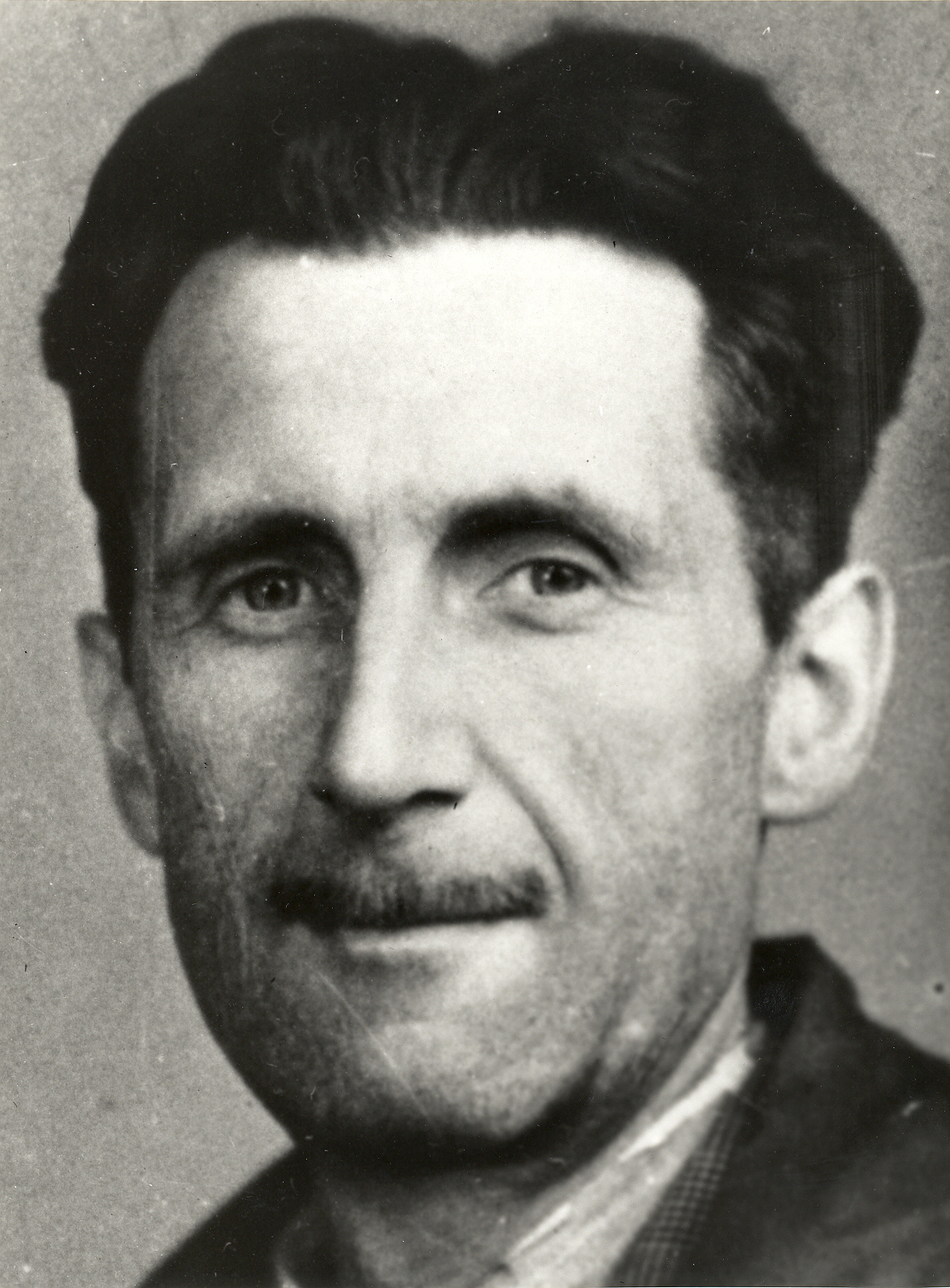
In an age where personal identity is increasingly intertwined with public perception, whether through social media, professional networks, or creative endeavors, Orwell’s journey from Blair to his enduring literary moniker offers invaluable insights. It underscores the power of a well-conceived brand name to shape expectations, convey values, and establish a memorable presence. By dissecting the motivations and impact of this transformation, we uncover fundamental principles applicable to anyone seeking to cultivate a powerful and effective personal brand today.
The Strategic Imperative of a Pen Name: Crafting a Brand Persona
The decision to adopt a pen name is rarely arbitrary. For authors, artists, and public figures across various domains, it is often a deeply strategic move designed to achieve specific branding objectives. Eric Blair’s choice to become George Orwell exemplifies this, demonstrating how a new identity can serve as a powerful tool for self-definition, audience perception, and career trajectory.
Distinguishing the Author from the Individual
One primary motivation behind a pen name is the desire to create a clear separation between the personal and the professional. For Eric Blair, the transition to George Orwell provided a crucial boundary. Blair, a man from a particular socio-economic background, with a specific education and family history, could potentially carry baggage or expectations that might overshadow his literary voice. By stepping into the identity of “George Orwell,” he was able to shed these associations and carve out a space where his writing could be judged on its own merits, free from preconceptions about his personal life or background.
This distinction offers a liberation for the creator. It allows for a certain detachment, enabling the author to explore controversial themes or express radical ideas without the immediate personal repercussions that might arise if the work were attributed directly to their birth name. It creates a professional shield, an avatar through which their creative output can be channelled, thereby protecting their private life and family from the scrutiny often accompanying public success or controversy. In essence, “George Orwell” became the public-facing brand for Eric Blair’s intellectual and creative endeavors, allowing Blair to maintain a degree of privacy and autonomy.
Cultivating a Desired Image and Narrative
A chosen name, when crafted thoughtfully, can immediately evoke a particular image or convey a specific set of values. “George Orwell” was meticulously selected to project a distinct brand persona that aligned with Blair’s emerging literary voice and themes. The name “George” — a quintessential English name, solid and traditional — suggested a grounded, no-nonsense character, someone rooted in the everyday realities of English life. This was complemented by “Orwell,” derived from the River Orwell in Suffolk, a place dear to Blair, lending a sense of authenticity and a connection to the English landscape. Together, “George Orwell” created an image of an honest, plain-speaking observer, a man of the people, direct and unpretentious.
This carefully curated identity contrasted sharply with the more aristocratic or academic connotations that might have been associated with “Eric Arthur Blair.” The “Orwell” brand effectively communicated a commitment to realism, social justice, and a critical examination of power structures, themes that would come to define his most celebrated works like Animal Farm and Nineteen Eighty-Four. The name itself became a shorthand for his literary approach, setting reader expectations and establishing a brand narrative before a single word was read. This demonstrates the profound impact a well-chosen name can have in shaping perception and establishing a distinct brand identity from the outset.
Avoiding Preconceptions and Association
Beyond crafting a new image, a pen name can also serve to escape or avoid existing preconceptions. For some, this might mean distancing themselves from a family name already associated with a different field or reputation. For others, particularly those early in their careers, it might be about creating a fresh start, untainted by previous failures or less-developed works.
In Blair’s case, adopting “Orwell” allowed him to step away from his past as a colonial police officer and as a writer who initially struggled to find his voice. It provided a clean slate, enabling him to forge a new identity as a serious author of social commentary, free from the shadow of his earlier life experiences or nascent literary attempts. This strategic distancing is invaluable for anyone looking to pivot their career, redefine their public image, or establish a new creative direction. It underscores the idea that a brand is not merely an outward presentation but an opportunity to strategically redefine one’s narrative and control how one is perceived by the world.
The Anatomy of an Effective Pen Name: Lessons for Personal Branding Today
The enduring success of “George Orwell” as a brand name is not accidental; it’s a testament to its inherent strengths and its alignment with core branding principles. Examining why this name worked so well offers critical lessons for anyone developing a personal brand in the contemporary landscape.
Memorability and Pronounceability: The Foundation of Recognition
A brand name, whether for an individual or a corporation, must first and foremost be memorable and easy to pronounce. “George Orwell” excels on both counts. It’s a two-word name, relatively short, and uses common English sounds, making it effortlessly recallable and universally pronounceable. This simplicity is a powerful asset in brand recognition. Contrast this with complex or overly ornate names that can trip off the tongue or be easily forgotten.
In today’s digital age, where attention spans are fragmented and information overload is rampant, memorability is paramount. A personal brand name, whether a legal name, a professional handle, or a chosen pseudonym, needs to stick. It needs to be something an audience can easily remember, repeat, and search for. For instance, online content creators often choose concise, punchy handles that are easy to type and share, mirroring the strategic simplicity of Orwell’s choice. An unforgettable name is the first step in establishing a lasting connection with an audience.
Resonance with Content and Audience: Authentic Alignment
The effectiveness of a brand name is amplified when it resonates deeply with the content it represents and the audience it aims to attract. As discussed, “George Orwell” subtly communicated an English, grounded, and observant sensibility that perfectly aligned with the themes and style of Blair’s writing. His audience, largely intellectual yet broad, would appreciate the understated sincerity and directness the name implied, seeing it as a reflection of the unvarnished truth his novels and essays conveyed.
For modern personal branding, this principle translates into ensuring that your brand name and persona align authentically with your professional skills, values, and the niche you serve. A financial advisor might choose a brand name that exudes trustworthiness and stability, while a cutting-edge tech innovator might opt for something modern and dynamic. When there’s a disconnect between the brand name and the substance it represents, it can create confusion or a lack of credibility. The most powerful personal brands are those where the name, the message, and the work are in perfect harmony, creating an authentic and consistent experience for the audience.
Longevity and Adaptability: A Brand for the Ages
A truly effective brand name possesses longevity and adaptability, capable of evolving with the individual’s career and remaining relevant across different contexts. “George Orwell” has proven to be an incredibly resilient brand. The name itself doesn’t pigeonhole his work into a specific genre or period, allowing it to encompass his early social realism, his wartime journalism, and his later, timeless dystopian novels. The concepts associated with “Orwellian” — surveillance, totalitarianism, doublespeak — have transcended his original works, becoming enduring terms in political and social discourse.
This adaptability is crucial for personal branding in a dynamic world. Careers rarely follow a linear path, and individuals often pivot, expand their expertise, or explore new ventures. A strong personal brand name should be versatile enough to accommodate these shifts without losing its core identity. It should be able to grow with the person, rather than constricting them. Creating a brand that is both distinctive and broad enough to evolve ensures that the legacy built under that name can endure and remain influential for generations.

From Blair to Orwell: The Evolution of a Literary Brand
The transformation from Eric Arthur Blair to George Orwell was not an instantaneous event but a considered evolution, marking a pivotal moment in the development of a literary brand that would become globally recognized. Understanding this evolution provides further insights into brand formation.
Early Career and Identity Formation
Eric Blair’s early career was marked by struggle and a search for identity. After leaving his post with the Indian Imperial Police in Burma, he pursued writing, experiencing poverty and working various odd jobs. His initial attempts at publishing were under his birth name, but these did not immediately garner significant recognition. It was during this period of immersion in the lives of the working class and marginalized, documented in his first major work, Down and Out in Paris and London, that the need for a new persona became clear.
The adoption of “George Orwell” for Down and Out in 1933 was a deliberate step to separate the gritty, often controversial content of his work from his family’s reputation and his own upper-middle-class background. It was a strategic rebranding, signaling a new chapter and a more focused direction for his writing. This period illustrates how early experiences and a developing voice can necessitate a brand realignment to better reflect the artist’s true self and intentions. It’s a powerful example of how a personal brand can emerge from a period of self-discovery and a desire to communicate one’s message more effectively.
Brand Consistency Across Works
Once established, the “George Orwell” brand became synonymous with a particular style and thematic consistency. From the stark realism of The Road to Wigan Pier to the biting allegory of Animal Farm and the chilling prescience of Nineteen Eighty-Four, Orwell’s voice remained distinctive. His commitment to clarity, honesty, and social critique formed the bedrock of his literary brand. Readers came to expect a certain intellectual rigor, a sharp critical eye, and an unwavering moral compass from anything bearing the Orwell name.
This consistency across his diverse body of work was crucial for solidifying the “Orwell” brand. Each subsequent book reinforced the established persona, building trust and loyalty with his audience. In modern branding terms, this is about maintaining a consistent brand voice, visual identity, and messaging across all touchpoints. Whether it’s a blog, a social media profile, or a professional portfolio, consistency builds recognition, reinforces brand values, and creates a cohesive identity that resonates with the target audience.
Posthumous Brand Power and Legacy
Perhaps the most compelling testament to the strength of the “George Orwell” brand is its enduring power long after Eric Blair’s death. The name “Orwell” has transcended authorship to become a cultural touchstone. Phrases like “Orwellian,” “Big Brother,” and “thought police” have entered the global lexicon, serving as universal shorthand for concepts of totalitarianism, surveillance, and manipulative language. His books are not just read; they are referenced in political debates, technological discussions, and philosophical arguments.
This posthumous brand power highlights the ultimate goal of effective branding: to create a legacy that outlives the individual. Orwell’s brand is a powerful example of how intentional identity creation can shape not just a career but also influence culture and thought for generations. It demonstrates that a well-crafted personal brand can become an idea, a concept, a movement – far greater than the sum of its parts, proving the profound impact of strategic personal branding on the collective consciousness.
Modern Applications: Personal Branding in the Digital Age
The lessons gleaned from George Orwell’s strategic adoption of a pen name are more relevant than ever in the digital age, where personal branding is not just an option but often a necessity for professional success and personal influence.
Pseudonyms Beyond Literature: Creators and Influencers
While “George Orwell” is a literary pseudonym, the concept of a chosen name or persona extends far beyond traditional publishing. Today, content creators, YouTubers, TikTok personalities, musicians, gamers, and digital artists frequently operate under pseudonyms or distinct online handles. These chosen identities serve the same branding functions: they differentiate, create a memorable persona, and often protect the individual’s privacy while allowing their creative or professional brand to flourish.
From anonymous art collectives to influencers with distinct stage names, the digital landscape is ripe with examples of individuals strategically crafting their public identity. This allows them to experiment with different personas, target specific niches, and build communities around a curated identity without necessarily exposing every aspect of their personal lives. It’s a modern echo of Orwell’s own strategic self-creation, adapted for the interconnected global stage.
Building a Digital Identity: Consistency and Authenticity
In the digital realm, every online interaction, every post, and every profile contributes to one’s personal brand. Whether using a birth name or a chosen handle, the principles of consistency, memorability, and resonance remain paramount. A strong digital identity requires a cohesive presence across platforms—consistent usernames, professional profile pictures, a unified brand voice, and a clear message about who you are and what you offer.
The “George Orwell” brand teaches us the value of aligning one’s name with one’s content and values. In the digital space, this translates to ensuring your online persona authentically reflects your expertise, your passion, and your unique perspective. Discrepancies between your online identity and your real-world capabilities can undermine credibility and dilute your brand message. Authenticity, even within a curated persona, is key to building trust and fostering a loyal audience.
Authenticity vs. Persona: The Balance in Digital Branding
A critical consideration in modern personal branding, especially when contemplating a pseudonym or a highly curated persona, is the balance between authenticity and strategic presentation. While a distinct brand persona, like “George Orwell,” can be incredibly effective, today’s audiences often value transparency and genuineness. The line between a strategic persona and perceived artifice can be fine.
For many professionals and creators, the goal is not necessarily to hide their birth name but to craft a compelling narrative around it, highlighting specific aspects of their identity relevant to their brand. However, when the content is highly sensitive, controversial, or deeply personal, a pseudonym can still offer essential protection and creative freedom. The key is intentionality: understanding why you are creating a particular brand identity, who your audience is, and what message you want to convey. George Orwell’s legacy reminds us that a carefully constructed brand, whether it’s an alter ego or an amplified version of oneself, can be an immensely powerful tool for communication, influence, and lasting impact.

Conclusion
Eric Arthur Blair’s transformation into George Orwell is far more than a literary anecdote; it is a foundational lesson in the art and science of personal branding. His strategic decision to adopt a pen name illuminates critical principles: the power of a distinct identity to separate the personal from the professional, the ability of a chosen name to cultivate a specific image and narrative, and the necessity of memorability, resonance, and adaptability for a brand to endure.
In an increasingly crowded and interconnected world, the ability to define and project a compelling personal brand is an invaluable asset. Whether one chooses to operate under their birth name, a clever handle, or a full-fledged pseudonym, the lessons from “George Orwell” remain pertinent. His enduring legacy underscores that a name is never just an identifier; it is a declaration of intent, a vessel for values, and a powerful tool in shaping how one is perceived and remembered. By understanding the strategic depth behind Orwell’s choice, we gain a deeper appreciation for the deliberate craft involved in building a brand that not only resonates but also leaves an indelible mark on culture and thought.
aViewFromTheCave is a participant in the Amazon Services LLC Associates Program, an affiliate advertising program designed to provide a means for sites to earn advertising fees by advertising and linking to Amazon.com. Amazon, the Amazon logo, AmazonSupply, and the AmazonSupply logo are trademarks of Amazon.com, Inc. or its affiliates. As an Amazon Associate we earn affiliate commissions from qualifying purchases.