
In the annals of military history, the Dunkirk evacuation—Operation Dynamo—stands as a masterclass in turning a catastrophic defeat into a miracle of survival. In the world of modern business, brands often find themselves in their own “Dunkirk moment.” This is the point where market shifts, technological disruption, or catastrophic PR failures leave a company backed against the sea, facing total erasure.
However, just as the 1940 evacuation saved the core of an army to fight another day, a strategic “Brand Dunkirk” allows a corporate entity to salvage its core identity, pivot its resources, and eventually mount a comeback. For brand strategists and corporate leaders, understanding the anatomy of a brand evacuation is essential for long-term resilience.
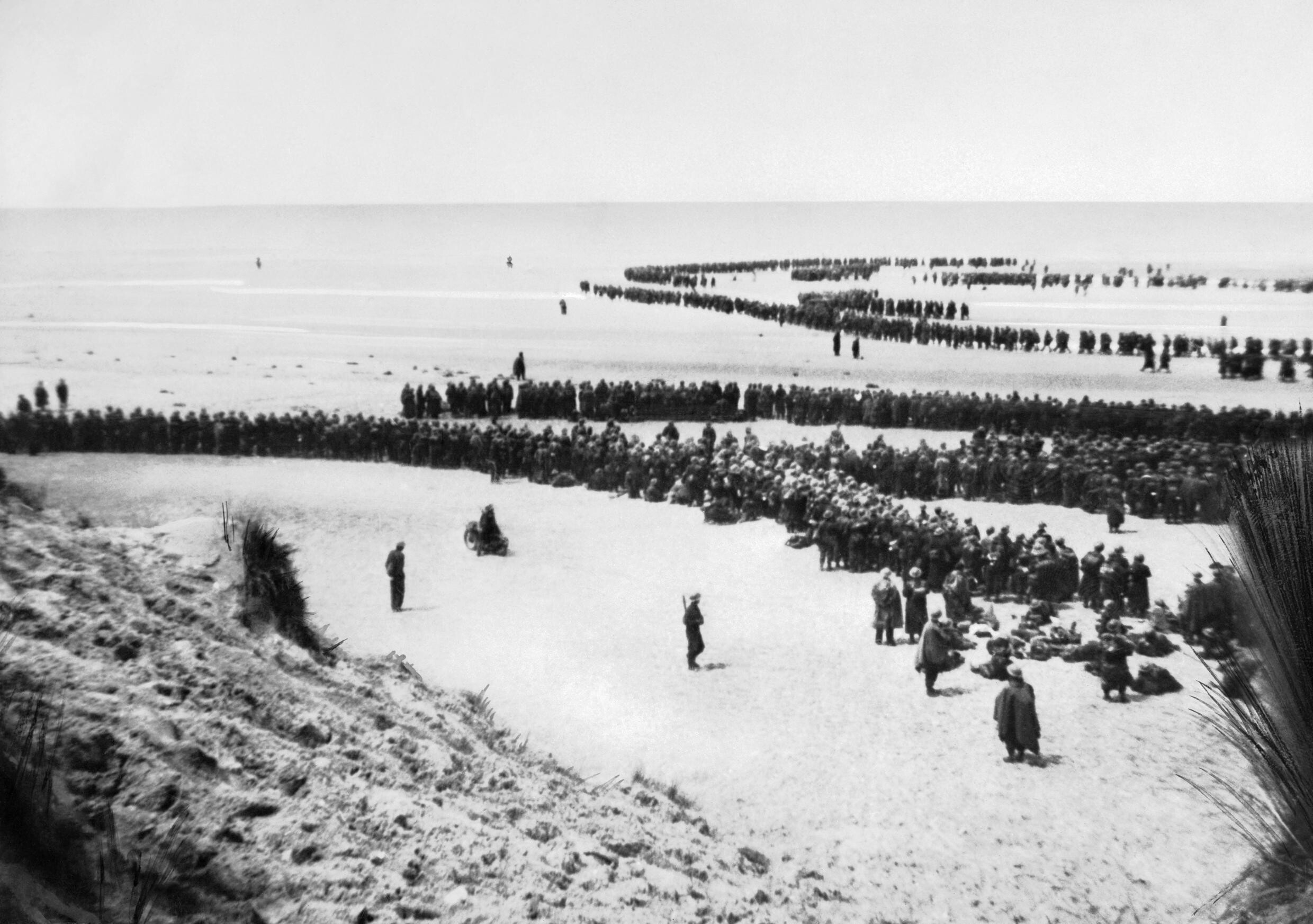
Understanding the Corporate Dunkirk: When Strategy Faces Total Collapse
A “Corporate Dunkirk” occurs when a brand’s existing business model or market position becomes untenable. It is characterized by a rapid loss of market share, a breakdown in consumer trust, or an inability to compete with new, disruptive forces. Unlike a standard market dip, this is a systemic crisis that threatens the very existence of the brand identity.
Defining the “Point of No Return” for Modern Brands
The first step in a successful brand evacuation is recognizing when the current position is no longer defensible. Many brands fail because they attempt to hold their ground for too long. For example, Blockbuster Video attempted to defend its physical retail footprint long after the “sea” of digital streaming had surrounded them.
A brand reaches the point of no return when the cost of maintaining the status quo exceeds the potential for recovery within that framework. Strategic leaders must be able to distinguish between a temporary setback and a permanent shift in the landscape. Recognizing this early allows for an orderly withdrawal rather than a chaotic collapse.
Identifying the Warning Signs of a Brand Siege
A brand siege doesn’t happen overnight. It begins with “market erosion”—a slow but steady decline in relevance. Key indicators include a diminishing emotional connection with the target demographic, a reliance on discounting to drive volume, and a talent exodus where top-tier innovators leave for more agile competitors. When these factors converge, the brand is effectively being pushed toward the shoreline. Understanding these signals is the difference between a planned evacuation and a total wipeout.
The Logistics of the Brand Pivot: Moving Resources Under Fire
Once a brand acknowledges that its current position is terminal, the focus must shift to “Operation Dynamo”: the extraction of core assets. In a military sense, this meant saving men. In a brand sense, this means saving the brand’s “equity,” its intellectual property, and its most loyal customer base, while abandoning the dead weight of outdated products or toxic associations.
Asset Reallocation: Saving the Core, Sacrificing the Non-Essential
Every brand has a “core”—that singular reason why customers fell in love with it in the first place. During a brand evacuation, leadership must be ruthless about what to leave behind. This might mean shuttering entire divisions, selling off legacy hardware, or discontinuing long-standing product lines that no longer serve the future vision.
Consider the brand pivot of Netflix. They realized their DVD-by-mail business was the “beach” they were trapped on. They began an aggressive, often painful evacuation into streaming. They were willing to cannibalize their own successful business model to save the core essence of their brand: being the premier provider of home entertainment.
The Role of “Little Ships”: Leveraging Niche Communities and Influencers
The miracle of the historical Dunkirk was the “Little Ships”—the hundreds of civilian boats that joined the rescue. In branding, these are your micro-communities, brand advocates, and niche influencers.
When a major brand is in crisis, it cannot rely solely on massive, top-down advertising campaigns to save its reputation. Instead, it must empower its most loyal advocates to help tell the story of the brand’s evolution. These “little ships” are more agile, more authentic, and often more effective at navigating the treacherous waters of social media and public opinion than a monolithic corporate PR department.
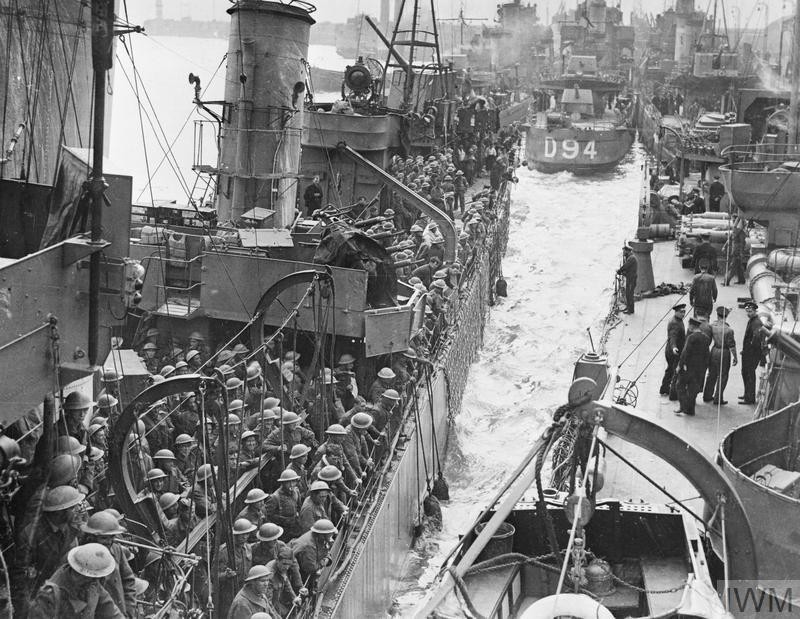
Crisis Communication: Turning a Retreat into a Rallying Cry
Winston Churchill famously stated that “wars are not won by evacuations,” yet he used the successful retreat at Dunkirk to galvanize the British public. Similarly, a brand in retreat must manage its narrative with extreme care. The goal is to frame the withdrawal not as a defeat, but as a strategic consolidation for a future offensive.
Transparency as a Tactical Weapon
In the digital age, silence is perceived as guilt or incompetence. A brand facing a “Dunkirk moment” must be radically transparent. This involves admitting what went wrong, acknowledging the severity of the situation, and clearly outlining the steps being taken to protect the consumer’s interests.
When a brand hides the truth during a crisis, they lose their most valuable asset: brand equity. Transparency acts as a tactical weapon because it resets the conversation. It moves the narrative from “What are they hiding?” to “How are they going to fix this?” This shift is crucial for maintaining the “moral high ground” in the eyes of the consumer.
Narrating the Recovery: Building Long-Term Brand Equity from Failure
A brand that survives a near-death experience often emerges stronger. This is known as “brand resilience.” The narrative of “the comeback” is one of the most powerful stories a brand can tell. Consumers love an underdog, and they particularly love a brand that has looked into the abyss, learned from its mistakes, and returned with a better offering.
The key is to document the journey. By sharing the “behind-the-scenes” of the transformation, a brand builds a deeper emotional connection with its audience. It shows vulnerability, which, in the world of corporate branding, can be a surprisingly effective way to build authentic loyalty.
Case Studies in Brand Evacuations: Successes and Failures
To truly understand the “Dunkirk Evacuation” of brand strategy, we must look at companies that successfully extracted themselves from disaster, as well as those that stayed on the beach for too long.
Apple’s 1997 Return: The Ultimate Tech-Brand Extraction
In the mid-90s, Apple was weeks away from bankruptcy. They were trapped on a beach of mediocre products, confusing branding, and internal infighting. The “evacuation” began with the return of Steve Jobs and the radical simplification of their product line. Jobs famously cut 70% of Apple’s products, focusing only on a few core items that could be “great.” This was a classic Dunkirk strategy: abandon the non-essential to save the core. This retreat allowed Apple to consolidate its resources and eventually launch the iMac, iPod, and iPhone, leading to the most successful brand comeback in history.
The Domino’s “Pizza Turnaround”: Admitting Defeat to Win the War
In 2009, Domino’s was a brand in crisis. Their product was widely mocked, and their brand equity was at an all-time low. Instead of defending their mediocre pizza, they launched the “Pizza Turnaround” campaign. They literally showed focus group videos of people saying their crust tasted like cardboard. This was a strategic evacuation from their old identity. By admitting their failure, they cleared the way to build a new identity based on quality and technological convenience. Today, Domino’s is as much a tech company as a pizza company, a pivot that was only possible because they were willing to leave their old “beach” behind.
Preparing Your Brand for the Next Crisis: The “Always-Ready” Framework
No brand is immune to the forces of change. The best way to survive a Dunkirk moment is to have an evacuation plan in place before the crisis hits. This requires a culture of agility and a commitment to “radical scanning” of the competitive environment.
Building Resilient Operational Infrastructure
Resilience starts with the “plumbing” of the organization. A brand must have the operational flexibility to shift resources quickly. This means avoiding “golden handcuffs” to outdated technology or rigid long-term contracts that prevent a pivot. In the modern brand landscape, modularity is a survival trait. If your brand is built on a series of interchangeable “modules” rather than a single, rigid monolith, you can evacuate a failing section without destroying the entire entity.

Fostering a Culture of Agility and Decisive Leadership
The historical Dunkirk succeeded because of quick, decisive leadership and the bravery of individuals on the ground. Similarly, a brand cannot survive a crisis if its leadership is paralyzed by “analysis paralysis.”
Fostering a culture where employees are encouraged to identify failures early—and where leadership is willing to act on that information—is essential. This “fail fast” mentality ensures that when the time comes to evacuate a position, the brand can do so with speed and precision. A brand’s greatest defense isn’t its current market share; it is its ability to move, adapt, and survive to fight another day in a different territory.
aViewFromTheCave is a participant in the Amazon Services LLC Associates Program, an affiliate advertising program designed to provide a means for sites to earn advertising fees by advertising and linking to Amazon.com. Amazon, the Amazon logo, AmazonSupply, and the AmazonSupply logo are trademarks of Amazon.com, Inc. or its affiliates. As an Amazon Associate we earn affiliate commissions from qualifying purchases.