
The humble hop, scientifically known as Humulus lupulus, is far more than just a botanical addition to beer. From a financial standpoint, hops represent a complex and dynamic market that underpins a significant portion of the multi-billion dollar global beer industry. Understanding the role and value of hops, therefore, requires a deep dive into the economic forces that shape their cultivation, trade, and ultimately, their contribution to the profitability and brand value of breweries worldwide. This exploration delves into the financial intricacies of hops, from their agricultural origins to their impact on consumer purchasing decisions and the broader economic landscape of the beverage sector.

The Economics of Hop Cultivation: From Seed to Market Value
The journey of a hop from the field to the pint glass is fraught with financial considerations that impact both growers and the downstream buyers. The economics of hop cultivation are subject to a myriad of factors, including land, labor, climate, and market demand, all of which contribute to the commodity’s price and availability.
Agricultural Investments and Input Costs
Hop farming is a capital-intensive endeavor. Growers invest significant sums in establishing hop yards, which typically involve sturdy trellises that can reach heights of up to 20 feet, requiring robust poles, wires, and netting. This infrastructure, designed to support the climbing vines for years, represents a substantial upfront cost. Beyond the physical infrastructure, ongoing expenses are considerable. These include the cost of hop cones themselves, seeds, fertilizers, pesticides, and water for irrigation, especially in regions prone to drought.
Labor costs are another significant factor. From the meticulous planting and meticulous pruning of the bines to the harvesting of the cones and their subsequent processing (drying, baling), a considerable amount of manual labor is often required. Mechanization has advanced in recent years, but many aspects of hop farming, particularly in smaller, specialized operations, still rely heavily on human input. The efficiency and cost of this labor directly influence the final price of the hops.
Furthermore, hop cultivation is highly susceptible to environmental conditions. Adverse weather events, such as hailstorms, late frosts, or prolonged periods of drought or excessive rain, can decimate yields, leading to significant financial losses for growers. The cyclical nature of agriculture means that a poor harvest in one year can have ripple effects on hop prices for several subsequent years, impacting the predictability of revenue for farmers and the cost of goods for breweries. This inherent risk necessitates careful financial planning and often leads to farmers seeking long-term contracts to mitigate price volatility.
Yields, Quality, and Market Pricing
The monetary value of hops is intrinsically linked to yield and quality. Hop yields are measured in pounds per acre, and while there’s a general range, specific hop varieties and growing conditions can lead to significant variations. Higher yields, all else being equal, can translate to a lower cost per pound, making those crops more attractive to buyers.
Quality, however, is paramount and commands a premium. Hop quality is assessed based on several factors, including the concentration of alpha acids (responsible for bitterness), essential oils (contributing to aroma and flavor), and the absence of defects such as mold or disease. Specialty hops, known for their unique and desirable aroma profiles, often fetch significantly higher prices than commodity hops. Breweries seeking to differentiate their products through distinct flavor and aroma characteristics are willing to pay a premium for these high-value hop varieties. This dynamic creates a tiered market where quality directly correlates with financial reward for the grower.
The pricing of hops is influenced by a complex interplay of supply and demand. When demand for a particular hop variety is high, and supply is limited due to factors like poor yields or the niche nature of the variety, prices can skyrocket. Conversely, oversupply can lead to depressed prices, impacting grower profitability. The rise of the craft beer movement, with its emphasis on diverse and innovative hop profiles, has significantly driven demand for a wider array of hop varieties, creating new economic opportunities for growers but also introducing new market volatilities.
The Hop Market Landscape: Trade, Contracts, and Financial Risk
The hop market is a global network of growers, merchants, and breweries, where financial transactions and risk management are central to its operation. Understanding the structure of this market reveals the financial strategies employed to ensure the availability and fair pricing of this crucial ingredient.
Merchant Intermediaries and Supply Chain Economics
While some large breweries may engage in direct sourcing with growers, the majority of hop transactions are facilitated by merchant intermediaries. These merchants act as crucial links in the supply chain, aggregating hops from numerous growers, ensuring quality control, storing the hops, and then selling them to breweries. Their role is essential for market efficiency, providing liquidity and managing the logistical complexities of the global hop trade.
From a financial perspective, these merchants manage significant inventory risk. They purchase hops from growers, often before the harvest, based on anticipated demand. If market conditions change or demand falters, they can be left with unsold inventory, representing a considerable financial burden. Conversely, their ability to secure contracts with breweries ensures a consistent revenue stream. Their profit margins are derived from the difference between the purchase price from growers and the selling price to breweries, factoring in storage, transportation, and administrative costs.
The consolidation of hop merchants in certain regions reflects the economic realities of the industry, where scale and efficiency can lead to competitive advantages. These larger entities can negotiate better terms with both growers and breweries, further influencing market pricing and the distribution of profits.
Contractual Agreements and Price Stability
To mitigate the inherent volatility of the hop market, long-term contractual agreements are a cornerstone of the industry. Breweries, particularly larger ones, often enter into multi-year contracts with growers or merchants to secure a stable supply of specific hop varieties at pre-determined prices. These contracts offer growers a degree of financial security, guaranteeing a buyer for their harvest and allowing them to plan their investments with greater confidence.
For breweries, these contracts provide predictability in their cost of goods. By locking in hop prices, they can better manage their production costs and avoid the financial shocks that can arise from sudden market price spikes. These agreements are crucial for financial planning and forecasting, enabling breweries to set pricing for their finished products and manage their profit margins effectively.
However, these contracts also carry financial implications. If market prices for a particular hop variety decline significantly after a brewery has entered into a long-term contract at a higher price, the brewery may find itself paying a premium. Conversely, if prices soar, the brewery benefits from its foresight. The negotiation of these contracts involves complex financial considerations, including volume commitments, quality specifications, delivery schedules, and price adjustment clauses.
Global Trade and Currency Fluctuations
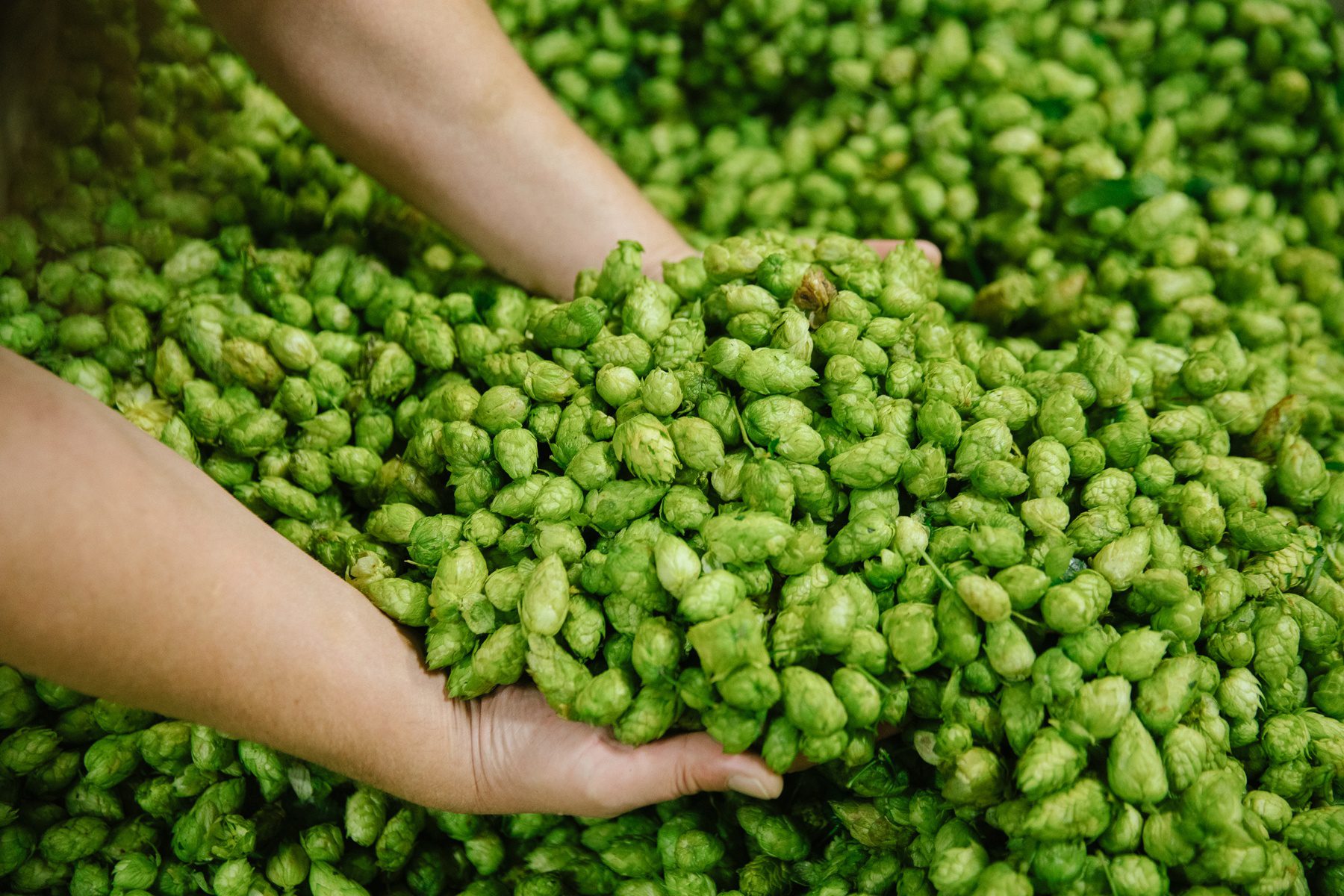
The hop market is inherently global, with major growing regions in the United States, Germany, the Czech Republic, Australia, and New Zealand, supplying breweries worldwide. This international trade introduces the complexities of currency exchange rates into the financial equation. The price of hops can fluctuate not only based on supply and demand but also on the prevailing exchange rates between the currencies of the exporting and importing countries.
A strong U.S. dollar, for instance, can make American hops more expensive for European breweries, potentially shifting demand towards hops grown in the Eurozone. Conversely, a weaker dollar can make U.S. hops more attractive. These currency fluctuations can significantly impact the profitability of both exporters and importers, necessitating hedging strategies and careful financial risk management by businesses operating in the international hop trade.
Hops as a Value Driver: Brand Differentiation and Consumer Spending
Beyond their fundamental role as an ingredient, hops have become powerful drivers of brand differentiation and consumer spending in the modern beverage market, particularly within the craft beer segment. Their impact on product perception and perceived value is a critical financial consideration for breweries.
The Aroma and Flavor Premium: Marketing and Perceived Value
The increasing consumer appreciation for the diverse aromas and flavors that hops impart to beer has transformed them into a key marketing asset. Brewers leverage specific hop varietals to create distinctive flavor profiles, from the citrusy notes of Citra and Mosaic to the piney character of Chinook and the floral nuances of Saaz. This focus on hop-driven sensory experiences allows breweries to command premium pricing for their products.
Consumers, especially craft beer enthusiasts, are increasingly willing to pay more for beers that offer complex and exciting hop-forward flavor profiles. The narrative surrounding hop usage – the specific varieties used, their origin, and the flavor characteristics they contribute – becomes a significant part of a beer’s perceived value. Breweries invest heavily in marketing and storytelling that highlights their hop choices, thereby influencing consumer perception and driving purchasing decisions. This perceived value, directly linked to hop selection, translates into higher profit margins.
The Craft Beer Revolution and Hop Demand Dynamics
The explosion of the craft beer movement over the past few decades has been intrinsically linked to the rise in hop consumption and the diversification of hop varieties. Historically, large-scale industrial lagers often relied on hops for bitterness with less emphasis on aroma. The craft beer revolution, however, saw a resurgence in the use of aroma-driven hops, leading to styles like IPAs (India Pale Ales) becoming hugely popular.
This shift has dramatically altered hop demand dynamics. Breweries specializing in IPAs and other hop-centric styles require significantly larger quantities of hops, particularly premium aroma varieties. This increased demand has driven up prices for these specific hops, creating new economic opportunities for growers who can cultivate them. It has also spurred innovation in hop breeding, with a constant search for new varieties that offer novel and desirable flavor profiles, further fueling the economic cycle. The financial success of many craft breweries is directly tied to their ability to source and effectively utilize these sought-after hop varieties.
Investment in Hop Innovation and Research
The financial success of the hop industry is also underpinned by ongoing investment in research and development. Hop breeders and researchers are continuously working to develop new hop varieties that offer improved disease resistance, higher yields, enhanced alpha acid content, and novel aromatic profiles. This innovation is crucial for meeting the evolving demands of the market and maintaining a competitive edge.
Financial investments in hop research, often made by hop growers’ associations, agricultural institutions, and even larger brewing companies, can lead to the development of proprietary hop varieties. These exclusive varieties can command significant premiums, representing a valuable intellectual property asset. The financial returns from successful hop breeding programs can be substantial, incentivizing continued investment in this area. The economic future of the hop market is, therefore, closely tied to its capacity for innovation and the financial commitment to advancing hop science.
The Financial Future of Hops: Sustainability, Innovation, and Market Trends
The hop industry, like any agricultural commodity market, is subject to evolving trends and challenges that will shape its financial future. Sustainability, technological advancements, and shifting consumer preferences will all play a crucial role in determining the economic viability and profitability of hops.
Sustainable Agriculture and its Financial Implications
Increasingly, consumers and businesses are prioritizing sustainability in their purchasing decisions. For the hop industry, this translates to a growing demand for hops grown using environmentally responsible practices. This can include water conservation techniques, reduced pesticide use, and organic farming methods.
While sustainable practices can sometimes involve higher upfront costs or potentially lower yields in the short term, they can also lead to long-term financial benefits. These can include reduced input costs (e.g., less reliance on synthetic fertilizers), improved soil health, and enhanced brand reputation. Breweries that can source sustainably grown hops may be able to command a premium price for their beer, aligning with consumer values and potentially capturing a larger market share. The financial models for hop growers are therefore shifting to incorporate the long-term economic advantages of sustainable agriculture.
Technological Advancements in Hop Production and Processing
Technology is poised to play an increasingly significant role in the financial landscape of hop production. Innovations in precision agriculture, such as the use of drones for crop monitoring, sensor technology for soil and plant health analysis, and advanced irrigation systems, can optimize resource use and improve yields, thereby enhancing profitability for growers.
Furthermore, advancements in hop processing, such as improved drying techniques that preserve hop oils and aroma compounds, can lead to higher-quality products that command better prices. Data analytics and artificial intelligence can also be leveraged to predict yields, optimize harvest timing, and manage market risks more effectively. These technological investments, while requiring capital outlay, hold the potential for significant returns through increased efficiency, reduced waste, and improved product quality.
Evolving Consumer Preferences and Diversification of Hop Usage
The financial future of hops will also be shaped by the continuous evolution of consumer preferences. While IPAs remain a dominant force, there is a growing interest in other beer styles that utilize hops in different ways, such as lagers with subtle hop aromatics or sour beers that play with hop characteristics. Breweries and hop growers will need to adapt to these shifting demands.
Moreover, hops are finding applications beyond beer. Their essential oils are used in aromatherapy, and they possess potential medicinal properties that are being explored. While these emerging markets are still nascent, they represent potential new revenue streams and avenues for diversification for hop producers, further solidifying the financial significance of Humulus lupulus in various industries. The ability to adapt to these changing dynamics will be crucial for long-term financial success in the hop market.
aViewFromTheCave is a participant in the Amazon Services LLC Associates Program, an affiliate advertising program designed to provide a means for sites to earn advertising fees by advertising and linking to Amazon.com. Amazon, the Amazon logo, AmazonSupply, and the AmazonSupply logo are trademarks of Amazon.com, Inc. or its affiliates. As an Amazon Associate we earn affiliate commissions from qualifying purchases.