
The question “What was Drake’s first song?” might seem straightforward, but for an artist whose career began outside the conventional music industry spotlight and whose ascent coincided with a seismic shift in how music is created, distributed, and consumed, the answer is anything but simple. More than just an exercise in discography, tracing Drake’s earliest musical endeavors offers a fascinating case study in personal branding, digital marketing, and the monetization strategies that define modern celebrity. It’s a journey that intertwines the nascent stages of an iconic artist with the burgeoning power of technology, the deliberate cultivation of a unique brand, and the astute financial decisions that transformed a young actor from Toronto into a global phenomenon.

To truly understand Drake’s origin story, we must look beyond a single track and instead examine the foundational projects that laid the groundwork for his unprecedented success. These early efforts weren’t just about making music; they were a masterclass in leveraging emerging technologies, establishing a compelling personal brand, and setting the stage for a financial empire.
From Degrassi to the Booth: Drake’s Humble Beginnings
Before Aubrey Graham became “Drake,” the Grammy-winning rapper and cultural icon, he was known to millions as Jimmy Brooks on the hit Canadian teen drama Degrassi: The Next Generation. While his acting career provided a valuable platform and early recognition, it also presented a unique challenge: how to transition from a beloved TV character to a credible force in the cutthroat world of hip-hop. This pivot required not just raw talent, but a strategic approach to personal branding and an understanding of the evolving digital landscape.
The notion of a “first song” for Drake is complicated by his independent start. Unlike artists signed to major labels from day one, Drake didn’t debut with a heavily promoted lead single. Instead, he built his initial buzz through mixtapes – a common strategy for aspiring rappers in the mid-2000s, but one he would execute with exceptional foresight, unknowingly laying the groundwork for a multi-billion dollar enterprise.
The Actor’s Rap Ambition: Room for Improvement (2006)
Drake’s official entry into the music scene came with his first self-released mixtape, Room for Improvement, in 2006. This project, distributed largely through his personal website and online forums, represents his earliest documented musical output. Tracks like “Money Problems” and “City Is Mine” showcased a raw, introspective style that would eventually become his hallmark, but also highlighted an artist still finding his voice and identity.
Tech Integration: In the mid-2000s, the internet was beginning to democratize music distribution. Artists like Drake could bypass traditional gatekeepers by uploading their music to platforms like MySpace, DatPiff, and various hip-hop blogs. This was a crucial early adoption of technology. For Drake, Room for Improvement was likely recorded using relatively accessible digital audio workstations (DAWs) and home studio setups, a stark contrast to the multi-million dollar studios of established artists. The sheer accessibility of digital music production tools meant that aspiring artists could experiment and refine their craft without significant upfront investment. This era also saw the rise of online communities where mixtapes could be shared and discussed, providing invaluable early feedback and organic promotion. This initial tech-driven distribution model allowed Drake to directly reach a burgeoning online audience, effectively serving as his first digital marketing campaign.
Brand Integration: The challenge was immense: shedding the “child actor” image and establishing himself as a serious musical artist. Room for Improvement was Drake’s first deliberate step in crafting his rap persona. He wasn’t trying to be an archetypal street rapper; instead, he embraced a more melodic, vulnerable style, hinting at the emotional depth that would later define his brand. This was an early exercise in personal branding, attempting to distinguish himself from his Degrassi character and demonstrate his artistic range. The mixtape title itself, “Room for Improvement,” was a humble and self-aware nod to his nascent status, a strategic move that invited listeners to witness his growth. It was a subtle yet effective way to manage expectations while asserting his ambition.
The Mixtape Era: Forging a Digital Footprint
The period following Room for Improvement was characterized by a rapid evolution in Drake’s sound, his strategic collaborations, and his understanding of how to leverage digital platforms to amplify his burgeoning brand. The mixtape format, once a niche distribution method, became a powerful tool for artists to build buzz, test new material, and cultivate a loyal fanbase without the pressure of major label expectations.
Comeback Season (2007) and the Power of Early Digital Marketing
Released in 2007, Comeback Season marked a significant leap forward for Drake. This mixtape included “Replacement Girl,” featuring R&B singer Trey Songz, which became Drake’s first music video and received some play on BET. This collaboration was pivotal, giving him a crucial co-sign and introducing his music to a wider, more mainstream audience.
Tech Integration: By 2007, platforms like YouTube were rapidly gaining traction. Uploading “Replacement Girl” to YouTube provided a visual component to his music, a powerful tool for engagement and discovery that MySpace alone couldn’t offer. Music blogs and forums became essential aggregators of new talent, and artists who could generate buzz through these digital channels gained significant momentum. Drake’s team (even if it was just him and a few friends at this stage) understood the power of placing his music strategically across these platforms. Early file-sharing sites and online mixtape repositories further ensured widespread distribution, allowing his music to spread virally. This era demonstrated the nascent stages of what would become a sophisticated digital marketing strategy, using every available online conduit to maximize reach.
Brand Integration: Comeback Season further solidified Drake’s evolving brand. He was becoming known for his unique blend of rapping and singing, a style that bucked traditional hip-hop norms and carved out a new lane. Collaborations, like the one with Trey Songz, were not just musical; they were strategic brand alliances that lent credibility and expanded his reach into different fan bases. He was refining his lyrical themes, exploring relationships, ambition, and the complexities of his dual identity. This mixtape began to paint a clearer picture of the “sensitive tough guy” persona that would define his future appeal, a brand that resonated deeply with a generation that valued authenticity and emotional expression.
Money Integration: While mixtapes are typically free, they serve as crucial marketing tools that indirectly generate future income. By building a loyal fanbase and generating significant buzz with Comeback Season, Drake was accumulating social capital that would translate into tangible financial opportunities. Early performance fees, merchandise sales, and the potential for future endorsement deals were all directly linked to the success of these free projects. This period showcases the economic logic of building an audience first, creating an intellectual property portfolio (his songs), and then leveraging that asset for long-term financial gain. It’s an early example of an “online income” strategy, where free content acts as a lead magnet for monetized products and services later.

So Far Gone (2009): The Definitive Pre-Debut Brand Statement
The true turning point, and what many consider Drake’s definitive “breakthrough” project, was the 2009 mixtape So Far Gone. Featuring tracks like “Best I Ever Had” and “Successful” (featuring Trey Songz and Lil Wayne), this mixtape propelled Drake into superstardom and led directly to his signing with Lil Wayne’s Young Money Entertainment. “Best I Ever Had” became his first commercially successful single, reaching the Top 10 on the Billboard Hot 100.
Tech Integration: By 2009, the digital music landscape was much more mature. iTunes was a dominant force for digital singles, and early streaming models were beginning to emerge. So Far Gone benefited immensely from this, allowing “Best I Ever Had” to be released as a commercial single, available for purchase digitally. The project’s widespread distribution through digital platforms meant it reached an unprecedented number of listeners for a mixtape. The production quality on So Far Gone also showcased a more sophisticated use of studio technology, moving beyond the independent artist feel of his earlier works. The immediate feedback loops offered by social media platforms (Twitter was booming) allowed Drake to connect directly with fans and manage his rapidly growing celebrity.
Brand Integration: So Far Gone was a masterclass in consolidating and elevating Drake’s personal brand. He perfected his blend of singing and rapping, his introspective yet boastful lyrics, and his signature melodic flows. The project created a distinct sonic and aesthetic identity that would become synonymous with the “Drake sound.” The co-sign from Lil Wayne, one of the biggest rappers in the world at the time, was an invaluable brand endorsement that instantly elevated Drake’s status and credibility within the hip-hop community. The mixtape also saw the early conceptualization of the OVO (October’s Very Own) brand, a nascent corporate identity that would eventually expand into a full-fledged record label, clothing line, and lifestyle empire. This was about more than just music; it was about building a universe around the artist.
Money Integration: The commercial success of “Best I Ever Had” demonstrated the immense financial potential Drake possessed. This led to a fierce bidding war among major labels, ultimately resulting in his lucrative deal with Young Money/Cash Money Records. The mixtape itself, while largely free, generated significant buzz that translated into huge financial leverage. This period illustrates the power of intellectual property; the songs he created, initially given away, became valuable assets that major labels were willing to pay millions for. It showed how early “online income” (through building an audience) directly led to substantial business finance opportunities (record deals, advances, and future royalties). Understanding the economics of streaming and digital sales became critical as he transitioned from an independent artist to a major label signee, preparing him to manage the financial complexities of a global music career.
The Digital Ascent: Technology, Brand, and the Rapper’s Riches
Drake’s journey from Room for Improvement to global superstar is a paradigm for modern artistic success, one deeply interwoven with continuous technological adaptation, meticulous brand development, and astute financial acumen. His evolution wasn’t just about musical growth; it was about building a multifaceted empire.
Leveraging Platforms: From MySpace to Global Domination
Drake’s career trajectory is a testament to his ability to not only adapt to but master evolving digital platforms. From early adoption of MySpace and YouTube for mixtape promotion, he seamlessly transitioned to dominating Twitter, Instagram, and eventually, the behemoths of music streaming.
Tech Focus: Drake consistently leveraged new technologies for reach and engagement. His active presence on social media platforms allowed him to cultivate an intimate connection with his fanbase, turning followers into loyal consumers. The advent of streaming services like Spotify and Apple Music fundamentally changed how artists earn money, and Drake was at the forefront, often breaking streaming records. His team utilized data analytics from these platforms to understand fan demographics, consumption patterns, and geographic reach, informing tour planning, marketing campaigns, and even the type of music he released. The strategic use of apps for promotion, engagement, and even digital security to protect unreleased music became paramount. Looking ahead, AI tools are already beginning to influence music production, recommendation algorithms, and even fan engagement, areas where Drake’s brand will undoubtedly continue to innovate. His career exemplifies how artists must think like tech entrepreneurs, constantly optimizing their digital presence and output for maximum impact.
Brand Focus: Drake’s personal brand has become one of the most recognizable and influential in contemporary culture. He successfully navigated the transition from beloved actor to a multifaceted artist and businessman. His brand is built on a foundation of relatability, emotional honesty, and aspirational luxury. The OVO owl logo, his catchphrases, and his distinctive aesthetic are all meticulously crafted elements of a corporate identity that extends far beyond music. He understands the power of reputation management, strategically engaging in “beefs” when beneficial for buzz, and maintaining a relatively private personal life when not. His marketing strategy is a blend of traditional media savvy and cutting-edge digital tactics, making his releases global events.
Money Focus: The shift to streaming presented both challenges and opportunities for artist income. Drake, through his label deals and direct negotiations, became adept at maximizing his earnings from these platforms, understanding the complex royalty structures and leveraging his immense popularity. Beyond music, his brand became a direct source of wealth through endorsement deals with major companies (Nike, Virginia Black whiskey), real estate investments, and venture capital. His ability to generate online income through merchandise sales (OVO clothing line) and digital content sales showcases a sophisticated approach to diversifying revenue streams. He and his team employ financial tools and experts to manage his vast wealth, from personal finance planning to business finance for his numerous ventures, ensuring long-term financial stability and growth.
The OVO Ecosystem: A Masterclass in Brand Extension and Wealth Generation
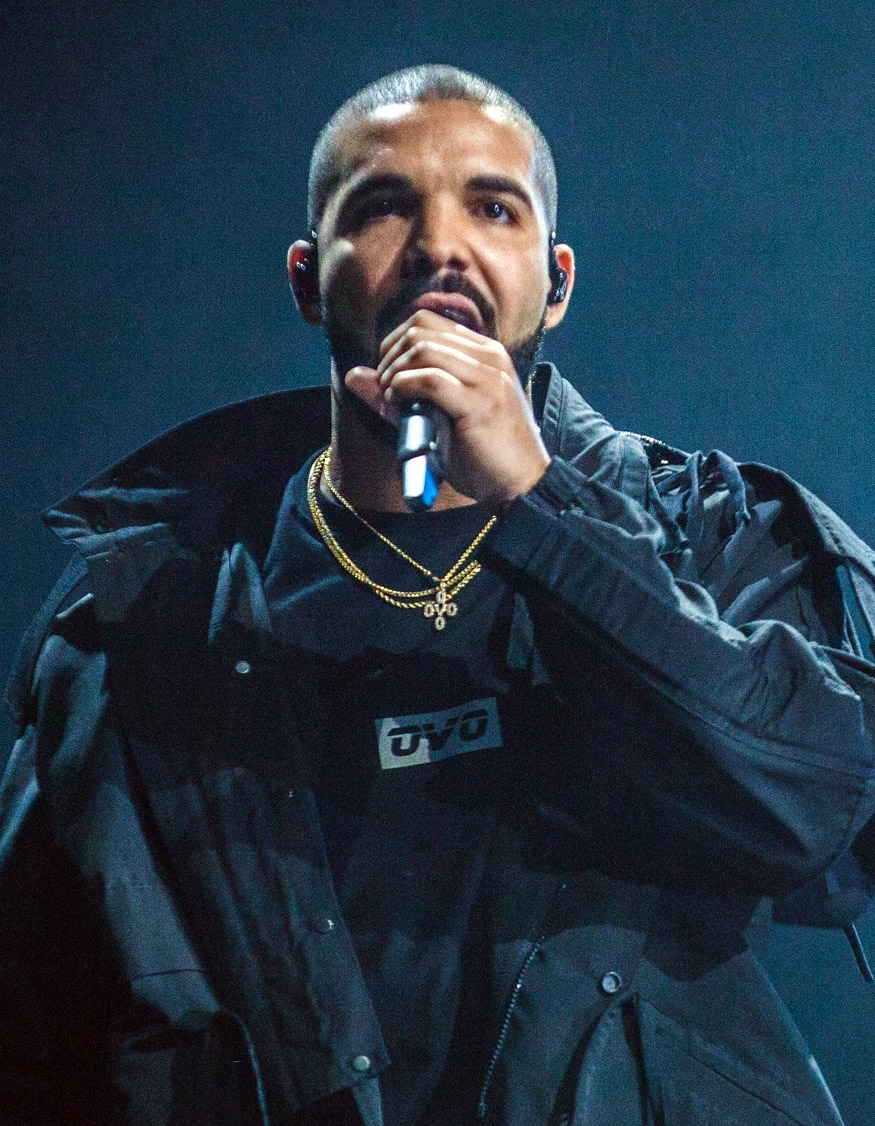
What began as a nascent brand concept during the So Far Gone era has blossomed into the OVO (October’s Very Own) ecosystem – a sprawling enterprise that encapsulates Drake’s business acumen.
Brand Focus: OVO is a powerful example of brand extension. It’s not just a record label; it’s a lifestyle brand that includes fashion (OVO clothing line), a radio show (OVO Sound Radio), events, and media production. This demonstrates a sophisticated understanding of corporate identity, where the brand itself becomes a valuable asset independent of the artist’s direct musical output. The OVO owl is an iconic piece of design, instantly recognizable and deeply embedded in youth culture, symbolizing exclusivity and aspiration. This integrated approach ensures that Drake’s influence and revenue streams are not solely dependent on album cycles but are sustained by a continually expanding brand universe.
Money Focus: The OVO ecosystem is a testament to Drake’s financial genius and his ability to create multiple, interlocking revenue streams. The OVO Sound record label generates income through its roster of artists, publishing, and licensing deals. The OVO clothing line represents significant online income through e-commerce and retail partnerships. Investing in other ventures, from sports teams to tech startups, further diversifies his portfolio, transforming him from a musician into a formidable business magnate. This robust financial structure, managed by a dedicated team, minimizes risk and maximizes long-term wealth accumulation, making him one of the wealthiest musicians in the world. He exemplifies how artists can leverage their personal brand into substantial business finance, creating sustainable economic power.
Tech Focus: The success of OVO is heavily reliant on technology. Its clothing line thrives on e-commerce platforms and digital marketing campaigns. OVO Sound Radio leverages streaming technology and digital distribution for global reach. Data analytics are used to inform business decisions across all OVO ventures, from identifying fashion trends to optimizing music releases. The brand’s consistent presence across digital channels, managed through sophisticated content management systems and digital security protocols, ensures its pervasive influence and protects its valuable intellectual property. The OVO empire is a prime example of a modern business built on a foundation of technological innovation and digital strategy.
In conclusion, while pinpointing Drake’s singular “first song” is a nuanced task, understanding his early creative output – particularly his Room for Improvement mixtape – reveals the foundational blueprint of his success. His journey from an aspiring actor to a global music and business icon is a compelling narrative not just of artistic talent, but of strategic foresight. It underscores how the diligent cultivation of a personal brand, the astute adoption and leveraging of technology, and intelligent financial decision-making are no longer auxiliary to an artist’s career, but are, in fact, integral to building a lasting legacy and an enduring empire. Drake’s story is a modern masterclass in transforming raw ambition into unprecedented wealth and influence, all rooted in those early, foundational steps he took to put his music into the world.
aViewFromTheCave is a participant in the Amazon Services LLC Associates Program, an affiliate advertising program designed to provide a means for sites to earn advertising fees by advertising and linking to Amazon.com. Amazon, the Amazon logo, AmazonSupply, and the AmazonSupply logo are trademarks of Amazon.com, Inc. or its affiliates. As an Amazon Associate we earn affiliate commissions from qualifying purchases.