
The Dow Jones Industrial Average (DJIA) stands as the world’s most recognized stock market index, a barometer for the health of the American economy and a psychological anchor for millions of investors. To ask “what was the Dow Jones highest close” is to look at a snapshot of peak economic optimism. As of late 2024, the Dow Jones Industrial Average has reached unprecedented territory, consistently pushing past the 42,000 mark, a feat that seemed unthinkable just a decade ago.
Understanding these highs requires more than looking at a single number; it involves analyzing the macroeconomic conditions, corporate earnings, and investor sentiment that propel thirty of the most influential blue-chip companies to record valuations. This exploration details the current records, the history of major milestones, and what these peaks mean for the average investor’s portfolio.

The Historical Ascent: From 1896 to the Present Peak
The journey of the Dow Jones Industrial Average is a narrative of American industrial and financial evolution. Since its inception in 1896 by Charles Dow and Edward Jones, the index has transitioned from a narrow list of heavy industrial players—railroads, oil, and steel—to a diverse collection of modern giants spanning tech, healthcare, and retail.
The Significance of the Current Record
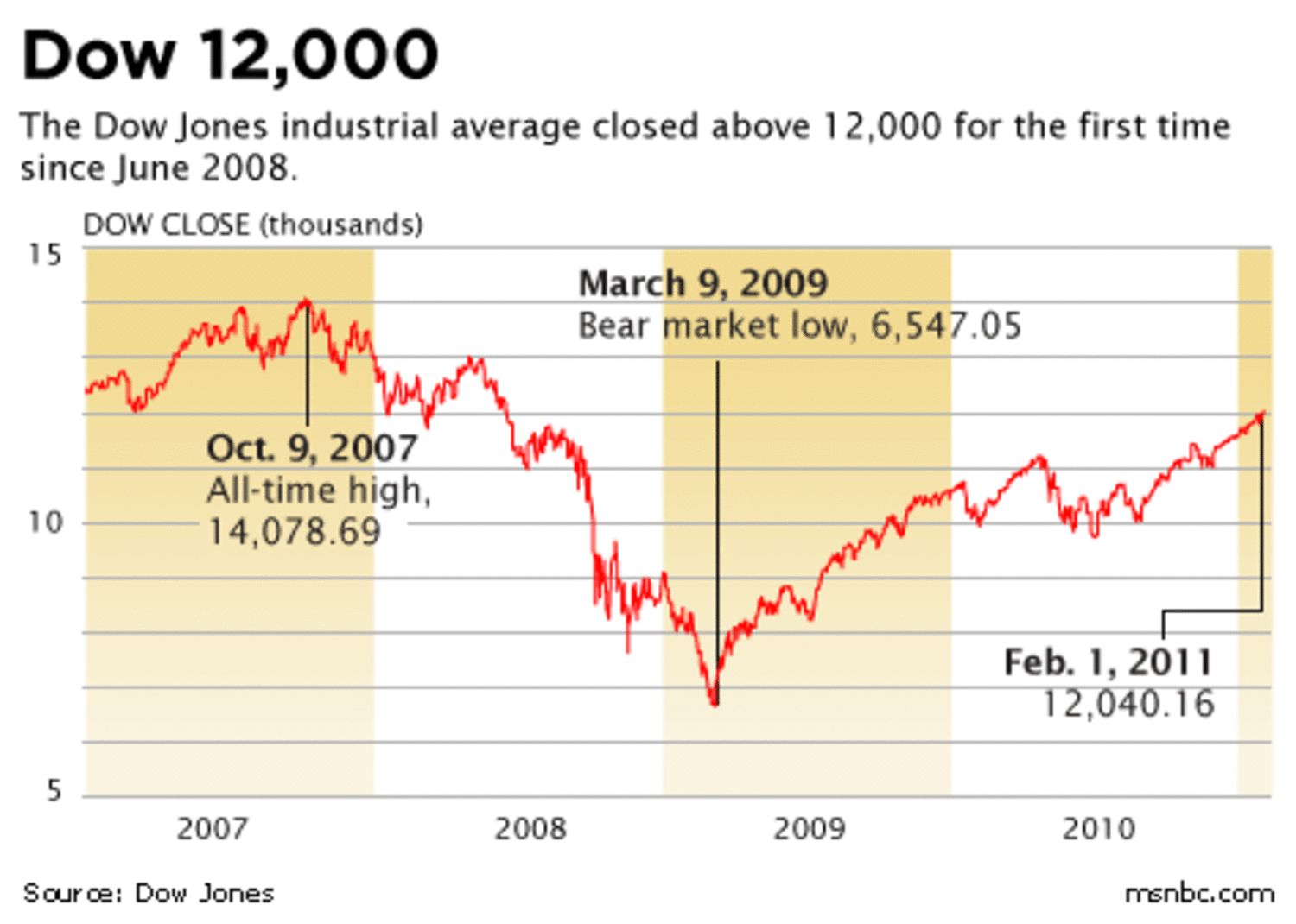
In late 2024, the Dow Jones Industrial Average achieved a record close above 42,000. This milestone was not merely a symbolic victory for bulls; it represented a massive recovery and expansion following the volatility of the early 2020s. To put this in perspective, the Dow first crossed the 10,000 mark in 1999. It took 18 years to reach 20,000 in early 2017. The acceleration from 30,000 to 40,000 occurred in less than four years, highlighting a period of intense liquidity, technological growth, and resilient corporate earnings.
A Brief History of Major Milestones
To understand the gravity of current highs, one must look back at the hurdles the index has cleared. The 1929 peak before the Great Depression was a mere 381 points. It took until 1954 for the index to regain that level. In the modern era, the “dot-com” boom propelled the index toward 11,000, while the 2008 financial crisis saw it plummet below 7,000. Each time the Dow reaches a new all-time high, it reinforces the concept of “long-term upward bias” in the equities market—the idea that despite cyclical downturns, the aggregate value of leading corporations tends to grow over decades.
The Economic Drivers Behind Record-Breaking Closes
Market highs do not happen in a vacuum. The record-breaking closes of recent years have been fueled by a specific set of economic circumstances that balanced inflationary pressures with robust corporate performance.
Corporate Earnings and Blue-Chip Resilience
The Dow is a price-weighted index consisting of 30 massive, “blue-chip” companies like Microsoft, Apple, Goldman Sachs, and UnitedHealth Group. When these companies report strong quarterly earnings, the index moves significantly. In the current record-setting environment, corporate America has shown a remarkable ability to maintain profit margins despite rising labor costs and supply chain shifts. The shift toward high-margin services and digital integration has allowed Dow components to generate record cash flows, which are often returned to shareholders through dividends and buybacks, further supporting the index’s price level.
Monetary Policy and the Federal Reserve
The Federal Reserve’s influence on market highs cannot be overstated. All-time highs in the Dow often coincide with “Goldilocks” economic conditions—not too hot (inflationary) and not too cold (recessionary). Recently, as inflation began to cool from its 2022 peaks, the market began pricing in interest rate cuts. Lower interest rates reduce borrowing costs for companies and make the future cash flows of stocks more valuable compared to fixed-income assets like bonds. This anticipation of a “soft landing”—where the Fed tames inflation without causing a recession—has been a primary catalyst for the Dow’s ascent to its current highest close.
Technological Innovation and Sector Shifts
While the Dow is often seen as “old economy” compared to the tech-heavy Nasdaq, it has evolved. The inclusion of software and cloud computing leaders has allowed the index to capture the “AI tailwind.” As companies within the Dow integrate artificial intelligence to optimize operations, investors have bid up their valuations. Furthermore, the healthcare and financial sectors—heavyweights within the Dow—have benefited from an aging demographic and a stabilized interest rate environment, respectively, providing a broad-based foundation for the index to reach new heights.
Analyzing the Psychological Impact of Market Peaks
For the individual investor, an all-time high in the Dow Jones is a double-edged sword. It generates wealth and confidence, but it also breeds anxiety about a potential “market top.”
Investor Sentiment and the “Bull Market” Mentality
Highs create a “fear of missing out” (FOMO). When the Dow closes at a record level, it often leads to increased retail participation. Investors who were sitting on the sidelines in cash often feel compelled to enter the market to capture the momentum. This influx of capital can create a self-fulfilling prophecy where buying pressure pushes the index even higher. However, professional analysts look at “market breadth”—whether most stocks are rising or just a few leaders—to determine if the record close is sustainable or a sign of exhaustion.
The Fear of Heights: Risks of Overvaluation
A common concern when the Dow reaches its highest close is the Price-to-Earnings (P/E) ratio. If the index price rises faster than the actual earnings of the 30 companies, the market becomes “expensive.” Historical data suggests that while markets can remain overvalued for long periods, extreme deviations from historical P/E averages often precede corrections. Investors must distinguish between a high fueled by fundamental growth and one fueled by speculative mania. In the current cycle, the highs have been largely supported by actual earnings growth, though some sectors show signs of premium pricing.
Strategies for Investing Near All-Time Highs
Navigating the stock market when the Dow is at its highest close requires a disciplined approach to personal finance and portfolio management. The instinct to “sell everything” or “buy everything” is rarely the correct move.
Dollar-Cost Averaging in a Peak Market
The most effective strategy for dealing with record highs is dollar-cost averaging (DCA). By investing a fixed amount of money at regular intervals, regardless of the Dow’s level, an investor buys fewer shares when prices are high and more shares when prices are low. This removes the emotional burden of trying to “time the top.” Historically, many of the Dow’s highest closes were followed by even higher closes. Waiting for a crash that may not come for years often results in more lost gains than the protection from a minor dip is worth.
Diversification and Risk Management
While the Dow represents 30 massive companies, a healthy investment strategy requires broader exposure. At market peaks, it is essential to rebalance. If the growth of Dow stocks has made your portfolio equity-heavy, selling a portion of those gains to move into bonds or international equities can protect you from a localized U.S. market correction. Diversification ensures that your financial well-being isn’t tied solely to the price action of 30 specific stocks, no matter how prestigious they are.
Long-term Perspective vs. Short-term Volatility
Investors must remember that a “highest close” is a transient data point. For a retirement account with a 20-year horizon, whether the Dow is at 40,000 or 42,000 today is less important than the compound annual growth rate over two decades. The stock market is a vehicle for wealth creation that rewards patience. Record highs should be viewed as milestones on a long journey, not as the finish line where one exits the race.
The Future Outlook: What Lies Beyond the Peak?
Looking forward, the question shifts from “what was the highest close” to “how high can it go?” The Dow Jones Industrial Average is a dynamic entity; its components are periodically swapped to ensure it remains relevant to the current economy. This “survivorship bias” means the index is designed to grow, as failing companies are replaced by rising stars.
The future of the Dow’s record-breaking streak depends on several factors: the continued dominance of the U.S. dollar as the reserve currency, the ability of American corporations to innovate in the face of global competition, and the maintenance of stable geopolitical conditions. While volatility is a certainty, the historical trajectory of the Dow suggests that the records of today will eventually become the floor for the markets of tomorrow.
For the savvy investor, the Dow’s highest close is a reminder of the power of the American economic engine. It serves as a benchmark for success and a signal to remain diligent, diversified, and focused on the long-term compounding of wealth. Whether the index sits at 40,000 or eventually reaches 50,000 and beyond, the principles of sound investing remain unchanged: focus on fundamentals, manage risk, and stay the course through both the peaks and the valleys.
aViewFromTheCave is a participant in the Amazon Services LLC Associates Program, an affiliate advertising program designed to provide a means for sites to earn advertising fees by advertising and linking to Amazon.com. Amazon, the Amazon logo, AmazonSupply, and the AmazonSupply logo are trademarks of Amazon.com, Inc. or its affiliates. As an Amazon Associate we earn affiliate commissions from qualifying purchases.