
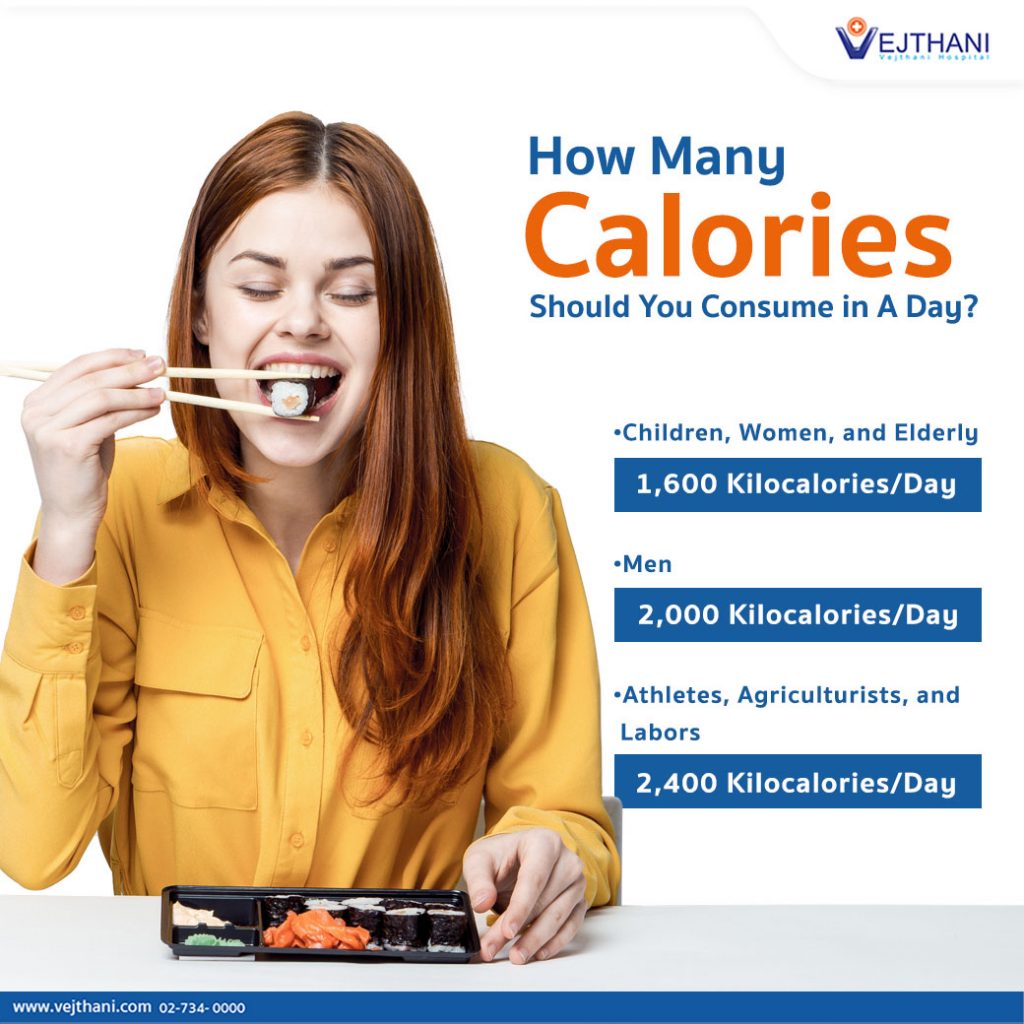
The question “How many calories did I consume today?” has transitioned from a tedious exercise in manual arithmetic to a sophisticated data science challenge. In the early days of digital health, tracking nutritional intake required the manual entry of every gram of protein, carbohydrate, and fat into static spreadsheets or rudimentary databases. Today, answering this question involves a complex orchestration of artificial intelligence, machine learning, computer vision, and wearable sensor integration. The landscape of nutritional technology is no longer just about calorie counting; it is about the “Quantified Self” movement and the software ecosystems that make real-time biological feedback possible.
The Evolution of Digital Nutrition: From Manual Entry to AI Integration
The technological journey of nutritional tracking began with the digitization of the USDA National Nutrient Database. Early applications were essentially digital ledgers, providing a searchable interface for food items. However, the friction of manual entry remained the primary barrier to user retention. To solve this, developers turned to more advanced software solutions designed to reduce input latency and improve data accuracy.
The Rise of Database-Driven Apps and API Ecosystems
Modern applications like MyFitnessPal, Lose It!, and Cronometer have built massive, proprietary databases containing millions of food items. The technical backbone of these platforms relies on sophisticated API (Application Programming Interface) integrations. When a user scans a barcode, the app sends a request to a centralized server that matches the Global Trade Item Number (GTIN) with a specific nutritional profile. This process, which takes milliseconds, involves high-concurrency database management to handle millions of simultaneous queries from a global user base.
Machine Learning and Image Recognition
Perhaps the most significant leap in answering the calorie question is the implementation of computer vision. Instead of searching for “avocado toast” in a list, users can now photograph their meal. The software utilizes deep learning models—specifically Convolutional Neural Networks (CNNs)—to identify food items within the frame.
The technical challenge here is immense. The AI must account for depth perception to estimate portion sizes and identify hidden ingredients, such as oils or sauces, which are calorically dense. Advanced models now use “image-to-recipe” cross-referencing, where the AI compares the visual data against a library of recipes to estimate the most likely nutritional composition. This is a far cry from simple pattern recognition; it is a multi-layered inferential process that improves through reinforcement learning as more users correct and validate the AI’s guesses.
Wearables and Bio-Sensing: Closing the Feedback Loop
While food logging tracks “input,” the full technological picture of a user’s daily caloric status requires tracking “output.” This is where the hardware side of the tech niche—wearables—becomes indispensable. The integration between nutrition apps and hardware like the Apple Watch, Garmin, or Oura Ring creates a comprehensive metabolic dashboard.
Smartwatch Ecosystems and Health APIs
The synchronization of data between a food tracking app and a wearable device is facilitated by centralized health frameworks like Apple HealthKit or Google Fit. These frameworks act as secure data repositories where various apps can read and write information. For instance, when a wearable detects a high-intensity interval training (HIIT) session, it writes the caloric expenditure to the Health API. Simultaneously, the nutrition app reads this data and adjusts the user’s “remaining calories” in real-time. This interoperability is a triumph of software engineering, requiring standardized data schemas to ensure that different devices from different manufacturers can communicate seamlessly.
The Future of Continuous Glucose Monitoring (CGM) for Non-Diabetics
A burgeoning trend in the tech space is the use of Continuous Glucose Monitors (CGMs) by the general population to track metabolic responses to specific foods. Sensors like those developed by Dexcom or Abbott, paired with software layers from companies like Nutrisense or Levels, provide a real-time graph of blood glucose levels.
Technically, these devices use a small filament to measure glucose in the interstitial fluid. The data is transmitted via Bluetooth Low Energy (BLE) to a smartphone. The software then overlays food logs with glucose spikes, allowing users to see exactly how their body processes a specific meal. This is the pinnacle of personalized tech, moving away from “average” caloric values toward bio-individual data streams.
Evaluating the Software: Top Algorithms Behind the Screens
Behind the user-friendly interfaces of nutrition apps lie complex algorithms that determine how data is presented and analyzed. The accuracy of the “calories consumed” figure depends heavily on the quality of these underlying systems.
Proprietary Databases vs. Crowdsourced Data
A major technical hurdle for developers is maintaining data integrity. Many apps rely on crowdsourced data, where users can add their own food items. This creates a massive but often inaccurate database. To combat this, developers employ data-cleansing algorithms and “verified” badges. These algorithms use statistical analysis to identify outliers—such as a chocolate bar listed as having zero calories—and flag them for human review or automated deletion. The balance between a vast, user-generated library and a curated, accurate database is a constant optimization problem for software architects.
Accuracy Challenges in Algorithmic Estimation
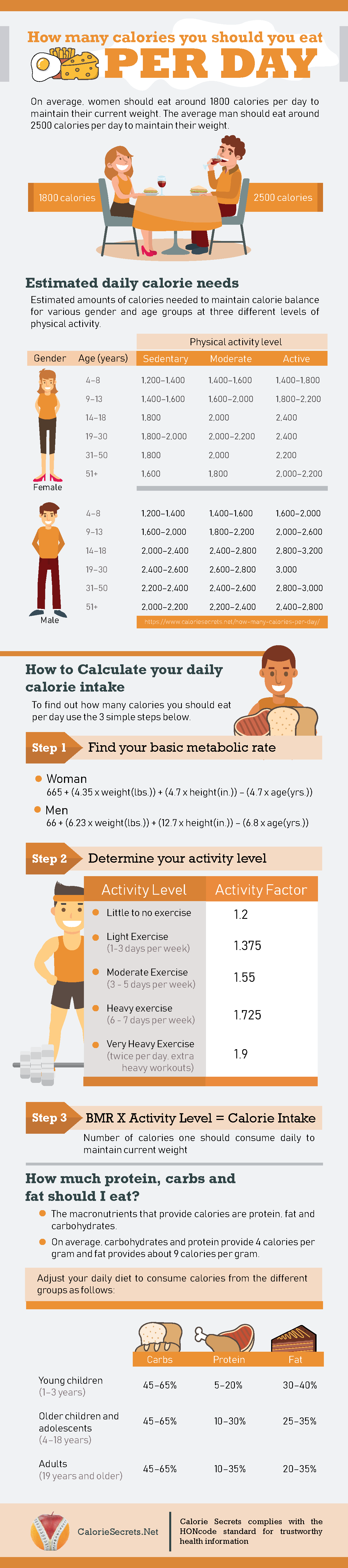
Even with high-quality data, the calculation of “calories consumed” is an estimate. The Atwater system, which assigns 4 calories per gram of protein and carbohydrate and 9 per gram of fat, is the standard algorithm used in software. However, tech companies are beginning to explore more nuanced algorithms that account for the thermic effect of food (TEF) and net metabolizable energy. These advanced models attempt to simulate human digestion more accurately, recognizing that the energy required to process fiber, for example, reduces the net caloric intake. Implementing these factors requires significant computational power and more detailed input data than the average user typically provides.
Data Security and Privacy in the Wellness Tech Space
As we record every morsel of food and every heartbeat, we are generating some of the most sensitive data imaginable. The question of “how many calories did I consume” is intrinsically linked to the question of “who has access to this data?”
Where Your Nutritional Data Goes
For tech companies, health data is incredibly valuable. From a technical standpoint, this data must be protected using robust encryption standards (such as AES-256) both in transit and at rest. However, the business models of some free applications involve the anonymized sale of data to market research firms or insurance companies. Users must navigate complex Terms of Service (ToS) to understand if their “banana and almond butter” log is being used to build consumer profiles.
Best Practices for Protecting Health Information
From a digital security perspective, users should look for apps that offer end-to-end encryption and two-factor authentication (2FA). Furthermore, the trend toward “Local-First” software is gaining traction in the health tech niche. Local-first apps prioritize storing and processing data on the user’s device rather than the cloud, only syncing when necessary. This minimizes the attack surface for potential data breaches and gives the user greater sovereignty over their nutritional history.
The Future of Nutrient Tracking: Generative AI and Beyond
The next frontier in nutritional technology is the move from reactive tracking to proactive guidance. Generative AI and Large Language Models (LLMs) are being integrated into health apps to provide a conversational interface for nutritional data.
Voice-Activated Logging and Natural Language Processing (NLP)
The friction of typing is being replaced by Natural Language Processing (NLP). Users can simply say, “I had a large bowl of oatmeal with blueberries and a splash of oat milk,” and the software parses the sentence to identify the entities (oatmeal, blueberries, oat milk) and quantities (large bowl, splash). This requires sophisticated named-entity recognition (NER) models that can operate in noisy environments and understand various accents and regional food names.
Predictive Analytics for Metabolic Health
Beyond logging, the next generation of tech will use predictive analytics to answer “What should I consume next?” By analyzing historical data, sleep patterns, and current activity levels, AI coaches can suggest meals that optimize for specific goals, such as recovery after a workout or sustained focus during a workday. These systems use “Digital Twins”—virtual models of a user’s metabolism—to simulate how different foods will impact their physiology before they even take a bite.
The evolution of “how many calories did I consume today” from a simple question to a high-tech data stream reflects the broader trend of digital transformation in our daily lives. As sensors become more discreet, AI becomes more perceptive, and databases become more comprehensive, the “quantified meal” will become an effortless byproduct of our digital ecosystem. The technology is not just counting calories; it is building a comprehensive map of human metabolism, one byte at a time.
aViewFromTheCave is a participant in the Amazon Services LLC Associates Program, an affiliate advertising program designed to provide a means for sites to earn advertising fees by advertising and linking to Amazon.com. Amazon, the Amazon logo, AmazonSupply, and the AmazonSupply logo are trademarks of Amazon.com, Inc. or its affiliates. As an Amazon Associate we earn affiliate commissions from qualifying purchases.