
Crafting a Defining Brand for a Political Challenger
In the intricate world of political campaigns, a slogan is far more than a catchy phrase; it is the cornerstone of a candidate’s brand identity. It encapsulates their core message, positions them against competitors, and aims to resonate deeply with their target audience – the electorate. For Bill Clinton’s 1992 presidential campaign, the challenge was significant. As a relatively lesser-known governor from Arkansas, he faced an incumbent president, George H.W. Bush, who enjoyed high approval ratings following the Gulf War. Clinton’s task was to define himself, articulate a compelling vision, and differentiate his “brand” in a crowded political marketplace.

Successful personal branding in politics, much like corporate branding, relies on clarity, consistency, and strategic communication. A campaign slogan serves as the most distilled expression of this brand. It must be memorable, impactful, and, crucially, relevant to the prevailing concerns of the public. The 1992 election presented a unique landscape where economic anxieties were simmering beneath the surface of geopolitical successes. Clinton’s campaign recognized this shift in voter priorities and leveraged it to forge a brand narrative that would ultimately propel him to the presidency.
“It’s the Economy, Stupid”: The Genesis and Impact of an Iconic Slogan
The enduring phrase, “It’s the economy, stupid,” is perhaps one of the most famous and effective campaign directives in modern political history. While often cited as Bill Clinton’s public campaign slogan, it originated as one of three internal guiding principles famously pinned to the wall of the Clinton campaign headquarters in Little Rock by campaign strategist James Carville. The other two were “Change vs. more of the same” and “Don’t forget health care.” However, it was the economy-focused directive that transcended its internal purpose to become synonymous with the campaign’s singular focus and ultimately, its public brand message.
The Strategic Simplicity of a Brand Imperative
The power of “It’s the economy, stupid” lay in its brutal simplicity and directness. It wasn’t just a slogan; it was a brand mission statement.
- Problem Identification: It immediately identified the primary issue that the campaign believed was paramount to American voters. In the early 1990s, the U.S. was experiencing a recession, and many Americans felt economically insecure despite the Bush administration’s successes in foreign policy.
- Focus and Discipline: For the campaign team, it served as a constant reminder to stay on message. Every speech, every ad, every interview was to be framed through the lens of economic improvement. This message discipline ensured that the Clinton brand was consistently associated with addressing the nation’s financial woes.
- Clear Differentiation: The slogan starkly contrasted Clinton’s brand with that of the incumbent. President Bush was often perceived as being out of touch with the struggles of ordinary Americans, focusing instead on international affairs. Clinton, by hammering home the economic message, positioned himself as the candidate who understood and prioritized domestic pocketbook issues.
The adoption and widespread recognition of this internal directive as a de facto public slogan cemented Clinton’s brand as the pragmatic problem-solver focused on tangible improvements in people’s lives. It cut through the political noise, offering a clear, unambiguous brand promise to an anxious electorate.
The Strategic Brilliance Behind the Simplicity
The effectiveness of “It’s the economy, stupid” as a branding tool was not accidental; it was the result of astute market research, strategic positioning, and unwavering message discipline. From a brand strategy perspective, its brilliance lay in several key areas:
Precision Targeting and Audience Resonance
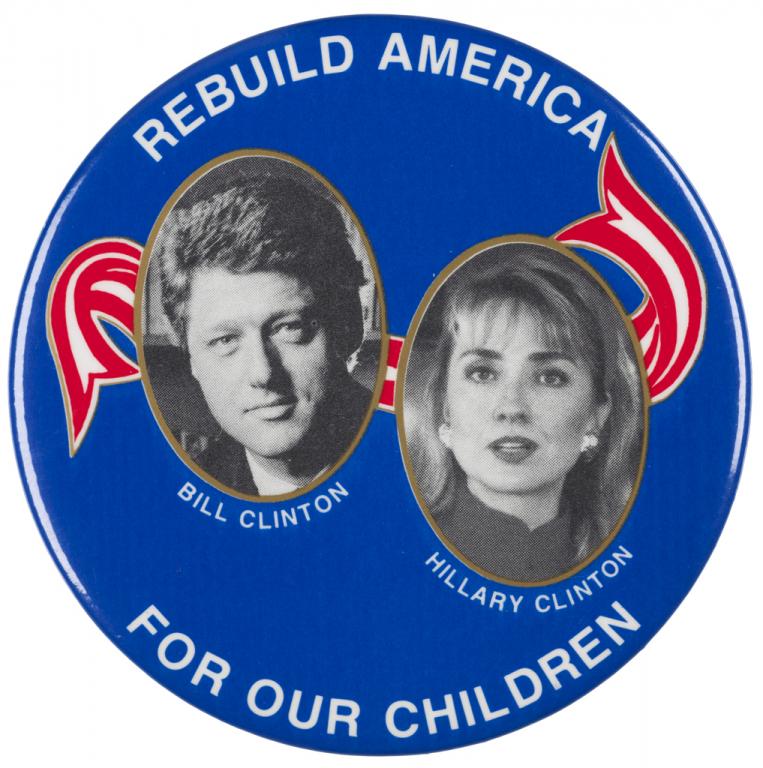
The campaign’s internal polling and focus groups revealed that economic concerns far outweighed other issues for a significant portion of the electorate. By centering its brand message on the economy, the Clinton campaign precisely targeted voters whose primary anxieties revolved around jobs, wages, and financial security. This created immediate resonance, making voters feel understood and directly addressed. It moved the conversation away from President Bush’s strengths (foreign policy, perceived leadership) and onto Clinton’s chosen battleground. This is a classic brand strategy maneuver: identify the market’s unmet need or dominant pain point and position your “product” as the solution.
Message Discipline and Brand Consistency
One of the greatest challenges in any large-scale campaign, political or corporate, is maintaining message discipline across various touchpoints and teams. The slogan acted as a powerful internal anchor, ensuring that all campaign communications, from stump speeches to press releases to television advertisements, reinforced the central economic theme. This relentless focus built a strong, coherent brand identity for Bill Clinton. Voters consistently heard the same core message, making it easy to understand what Clinton stood for and what his administration would prioritize. In branding, consistency builds trust and recognition; a fragmented message leads to confusion and dilution of brand equity.
Strategic Contrast and Competitive Differentiation
The slogan was a masterstroke in competitive differentiation. While President Bush highlighted his foreign policy triumphs and experience, Clinton used “It’s the economy, stupid” to draw a sharp contrast. He effectively reframed the election as a choice between a candidate focused on global affairs and one dedicated to domestic well-being. This re-framing allowed Clinton to present his “brand” as more relevant and responsive to the immediate concerns of the average American. It effectively painted the incumbent’s strengths as irrelevant to the current problems, a powerful tactic in brand competition. This wasn’t merely a political jab; it was a strategic repositioning of the entire race to favor Clinton’s strengths and the public’s prevailing mood.
The Enduring Legacy: Lessons in Political Branding
The impact of Bill Clinton’s 1992 campaign slogan extends far beyond that election cycle. It stands as a seminal case study in effective political branding and offers invaluable lessons applicable to corporate identity, personal branding, and marketing strategy in general.
Clarity Over Complexity
The primary lesson is the power of clarity. In an age of information overload, complex messaging often fails to cut through the noise. “It’s the economy, stupid” succeeded because it was undeniably clear, concise, and focused. It demonstrated that a brand’s core message should be simple enough to be grasped instantly, yet profound enough to convey a strategic imperative. This principle holds true for any brand trying to define its unique selling proposition or value proposition in a competitive market.
Relevance is Paramount
A brand message, however clever, is useless if it doesn’t resonate with its target audience. The Clinton campaign’s success underscored the importance of deeply understanding the market’s needs and anxieties. By identifying the prevailing concern – the economy – and making it the central pillar of his brand, Clinton achieved unprecedented relevance. For businesses, this translates to thorough market research, understanding customer pain points, and aligning products or services with those needs. A brand that addresses the most pressing concerns of its audience will always stand out.
Message Discipline Builds Brand Equity
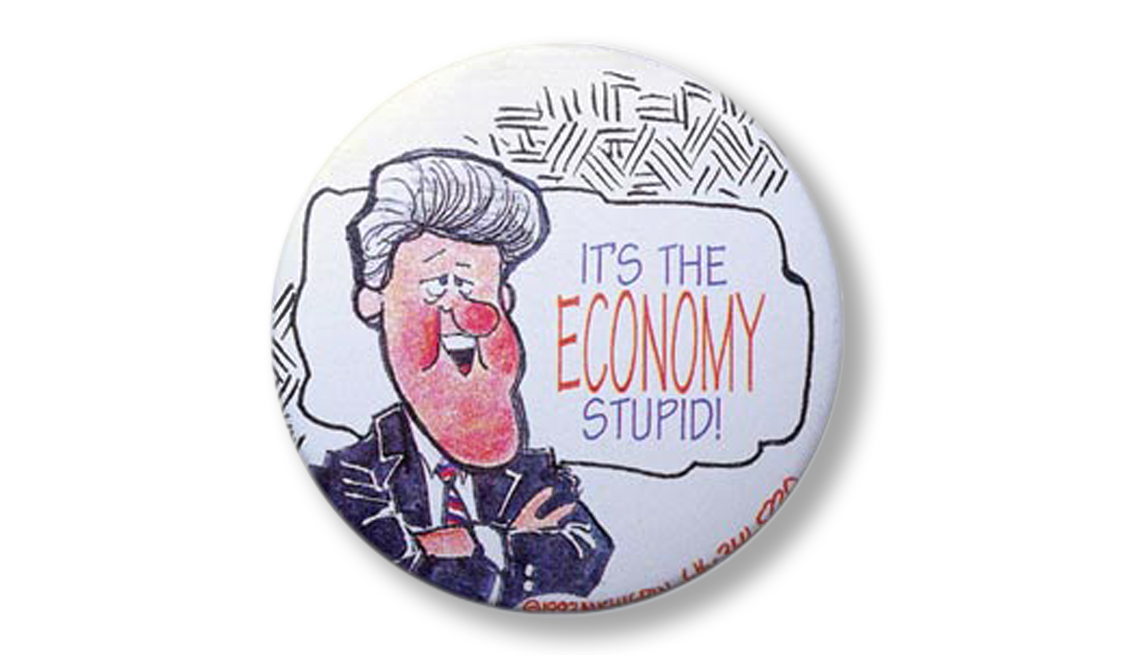
The internal adoption and external manifestation of “It’s the economy, stupid” highlight how message discipline builds brand equity. When every communication point reinforces the core brand identity, it strengthens perception and trust. For any brand, whether it’s a new startup or an established corporation, maintaining a consistent voice, tone, and message across all marketing channels is crucial for building a strong, recognizable, and trusted brand. Bill Clinton’s 1992 campaign remains a powerful testament to how a single, well-executed brand message can redefine a candidacy and ultimately, change the course of history.
aViewFromTheCave is a participant in the Amazon Services LLC Associates Program, an affiliate advertising program designed to provide a means for sites to earn advertising fees by advertising and linking to Amazon.com. Amazon, the Amazon logo, AmazonSupply, and the AmazonSupply logo are trademarks of Amazon.com, Inc. or its affiliates. As an Amazon Associate we earn affiliate commissions from qualifying purchases.