
The story of Alice Marie Johnson is a poignant testament to the complexities and often harsh realities of the American justice system, a narrative that ultimately transformed her from a forgotten inmate into a national symbol for criminal justice reform. Her case, which drew the attention of celebrities and presidents alike, underscores critical discussions around mandatory minimum sentencing, the power of public advocacy, and the potential for redemption. At its core, Alice Marie Johnson was convicted of eight federal counts related to a large-scale cocaine trafficking operation and money laundering, leading to a life sentence without the possibility of parole.
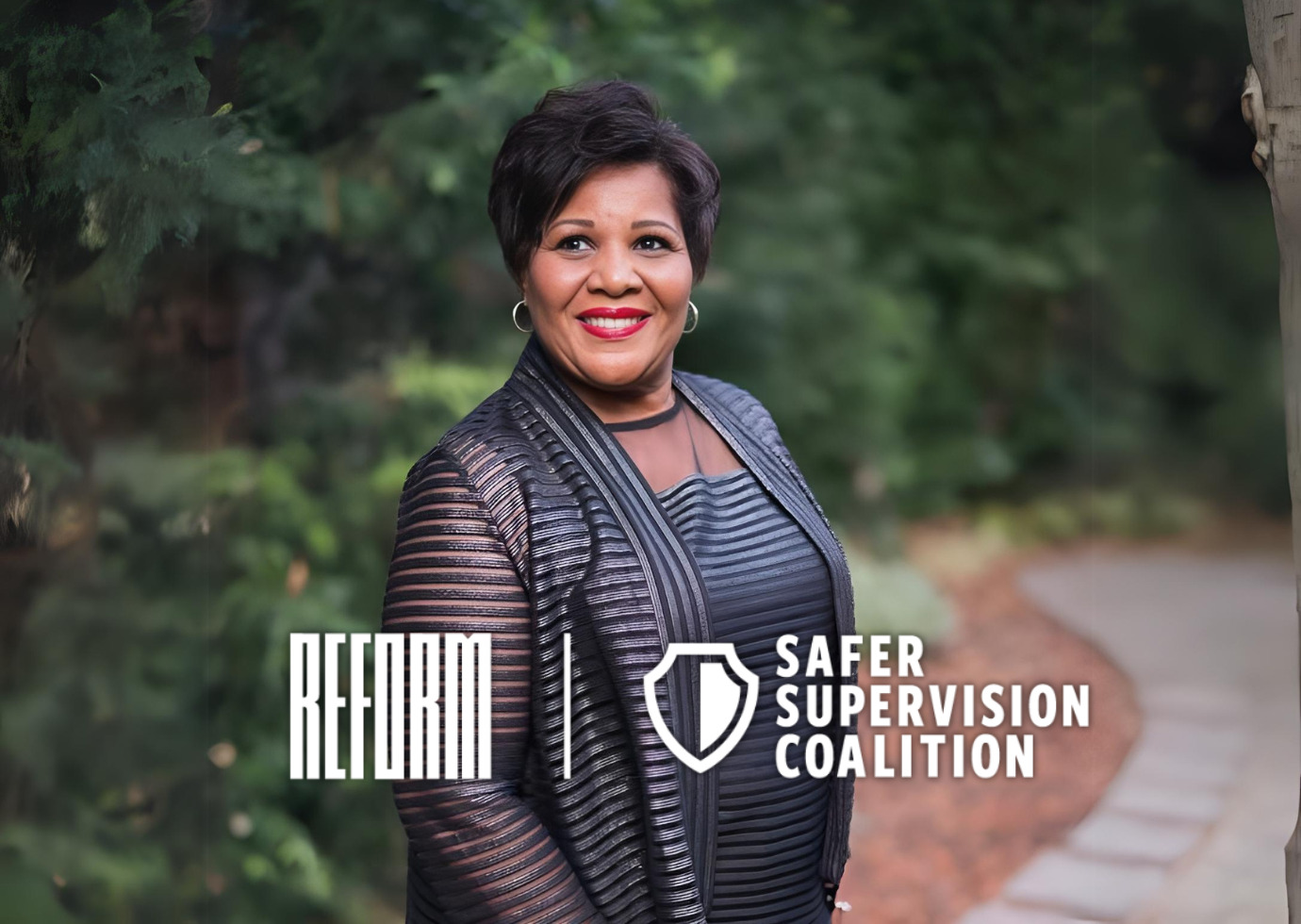
This wasn’t just another drug conviction; it was a deeply personal saga rooted in desperation, regret, and ultimately, an extraordinary fight for freedom that resonated across the nation. Understanding her conviction requires delving into the circumstances that led to it, the legal framework under which she was prosecuted, and the profound impact it had on her life and the broader movement for justice.
The Conviction: A Life-Altering Sentence
In 1996, Alice Marie Johnson’s life took a dramatic turn when she was found guilty by a federal jury in Memphis, Tennessee. The charges she faced were severe, positioning her within a vast drug conspiracy, despite her claims of being a minor participant drawn in by financial hardship. Her conviction became a stark illustration of how federal drug laws, particularly mandatory minimum sentencing guidelines, could lead to disproportionately harsh penalties, even for first-time, non-violent offenders.
Unpacking the Charges and the Verdict
Johnson’s legal troubles stemmed from her involvement in a drug ring that trafficked cocaine in the Memphis area. Facing severe financial strain after losing her job, undergoing a divorce, and struggling with a gambling addiction, she made a series of choices that placed her squarely in the crosshairs of federal law enforcement. She admitted to serving as a go-between, relaying messages and phone calls between drug dealers. Crucially, she was not accused of directly selling drugs, transporting large quantities, or engaging in violent acts. Her role was peripheral, yet the law saw her as an integral part of a sprawling criminal enterprise.
The federal government charged Johnson with conspiracy to possess cocaine with intent to distribute, and money laundering. These charges are often broad, allowing prosecutors to ensnare individuals with varying degrees of involvement. The concept of “conspiracy” under federal law means that if you are aware of a criminal plan and take any action to further it, you can be held responsible for the entire scope of the conspiracy, including the actions of others. For Johnson, this meant being implicated in a network far larger and more dangerous than her direct actions suggested.
The jury found her guilty on multiple counts, essentially affirming her involvement in the conspiracy and her role in facilitating the financial aspects of the drug operation. The verdict itself, while legally sound given the evidence presented and the legal definitions of the charges, paved the way for a sentencing that many would later deem excessive and unjust. It marked the end of her life as a free woman and the beginning of a quarter-century behind bars, a period that would reshape her identity and purpose.
The Harsh Realities of Mandatory Minimums
The aspect of Alice Marie Johnson’s case that perhaps drew the most scrutiny and outrage was the life sentence she received. This wasn’t the result of a judge’s discretionary decision based on the specific nuances of her involvement, but rather a direct consequence of federal mandatory minimum sentencing laws. At the time of her conviction, Johnson had no prior criminal record. She was a first-time offender whose participation in the the drug conspiracy was non-violent. Under a more flexible system, her sentence might have been significantly different.
However, federal drug laws enacted during the “War on Drugs” era of the 1980s and 1990s imposed strict, non-negotiable sentences for certain drug offenses, particularly those involving large quantities of controlled substances. These laws often operate under a “three strikes” rule or similar enhancements, meaning that if a defendant has previous felony drug convictions, even for non-violent roles, their sentence can be dramatically increased. While Johnson was a first-time offender in the traditional sense, her involvement in a conspiracy that moved substantial amounts of drugs, combined with the legal system’s interpretation of her role, triggered mandatory minimums that allowed no room for judicial leniency.
The life sentence without parole meant that, barring a presidential pardon or commutation, Johnson would die in prison. This outcome became a powerful symbol for critics of mandatory minimums, who argued that such laws strip judges of their ability to consider individual circumstances, leading to unjust and disproportionate punishments. The financial implications of such a lengthy sentence were also immense, not only for Johnson’s family, who lost their primary caregiver and provider, but also for taxpayers who bore the cost of her lifelong incarceration. These harsh realities became a rallying cry for activists, highlighting the urgent need for reform.
From Inmate to Icon: The Rise of an Advocate
For over two decades, Alice Marie Johnson served her life sentence, her story largely unheard outside the walls of the federal prison in Aliceville, Alabama. Yet, the seeds of change were being sown, both within the criminal justice system and in the broader public consciousness. Her transformation from an anonymous inmate to a nationally recognized advocate for reform illustrates the profound impact of public awareness, media engagement, and the strategic leveraging of digital platforms.
The Power of Public Perception and Media
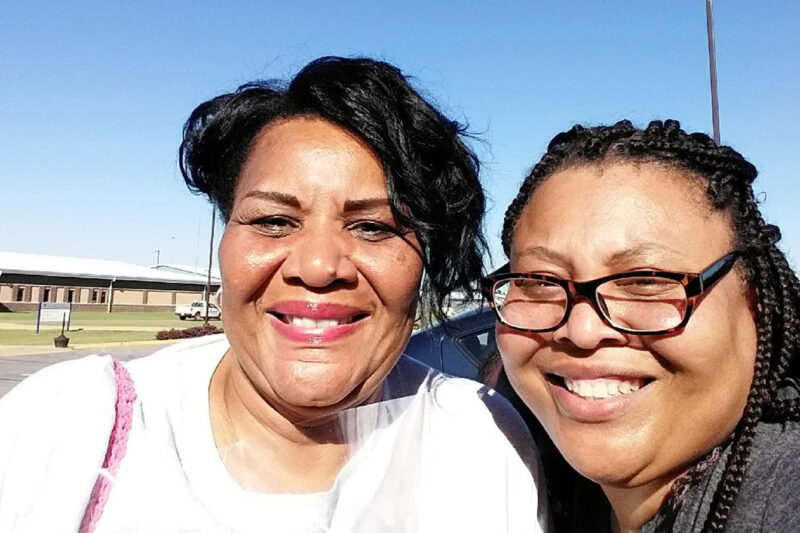
Johnson’s case gained widespread attention through a potent combination of compelling personal narrative and modern media dissemination. In 2018, the digital media company Mic.com produced a powerful video piece highlighting her story. The video vividly depicted Johnson’s plight, emphasizing her remorse, her transformation in prison, and the injustice of her life sentence for a non-violent, first-time offense. This piece, shared widely across social media platforms, quickly went viral.
This viral reach was critical. The internet’s capacity to bypass traditional gatekeepers and directly reach millions allowed Johnson’s story to resonate with an audience far beyond typical news consumers. It put a human face on the abstract concept of criminal justice reform, allowing people to empathize with her situation and question the fairness of a system that could impose such a severe penalty.
The turning point came when celebrity Kim Kardashian West saw the Mic.com video. Deeply moved by Johnson’s story, Kardashian West decided to take up her cause. Her involvement transformed Johnson’s case from a grassroots advocacy effort into a mainstream, high-profile issue. Kardashian West, leveraging her immense personal brand and unparalleled social media presence, used her platform to bring Johnson’s story to an even larger global audience. She engaged with legal experts, mobilized her followers, and most significantly, directly approached the White House. This demonstrated the immense power of public figures lending their brand to social causes, amplifying voices that would otherwise remain unheard. The confluence of digital media’s reach and celebrity advocacy created an unstoppable momentum that shifted public perception and created political will for action.
Leveraging Technology for Justice
The journey of Alice Marie Johnson’s case from obscurity to national prominence is a powerful example of how technology, particularly digital media and social platforms, can be leveraged for justice. The initial Mic.com documentary, delivered through online video, was the spark. Without the ease of sharing and the widespread access provided by the internet, the emotional impact of her story might never have reached Kim Kardashian West, let alone millions of others.
Social media platforms like Twitter, Instagram, and Facebook became crucial channels for disseminating updates, garnering support, and building a community around Johnson’s cause. Hashtags, shared posts, and viral campaigns allowed advocates to organize, inform, and pressure decision-makers in ways that were unimaginable decades prior. This digital grassroots movement provided a counter-narrative to the official legal one, highlighting the human cost of rigid sentencing laws.
Furthermore, technology plays an increasingly vital role in broader criminal justice reform efforts. Data analytics, for instance, can be used to identify sentencing disparities, track recidivism rates, and evaluate the effectiveness of different correctional programs. AI tools are beginning to assist legal aid organizations in processing cases more efficiently, identifying patterns in legislation, and even helping incarcerated individuals access legal resources. While Johnson’s original conviction predated much of this technological advancement, her clemency movement perfectly showcased the power of modern tech in amplifying and humanizing a complex legal battle. From secure digital communication tools that allow incarcerated individuals to connect with family and legal counsel, to online platforms that connect advocates with policymakers, technology is becoming an indispensable ally in the fight for a more equitable justice system.
Beyond Bars: A New Purpose and Policy Impact
On June 6, 2018, after 21 years behind bars, Alice Marie Johnson walked free. President Donald Trump, following an appeal from Kim Kardashian West, granted her clemency. Her release was not merely a personal triumph but a significant moment for the criminal justice reform movement, illustrating the possibility of second chances and the imperative for systemic change. Her post-release life has been marked by a renewed purpose, dedicated to ensuring that others do not suffer the same fate she endured.
Financial Repercussions and Future Building
The financial devastation wrought by a conviction and two decades of incarceration is profound and far-reaching. For Alice Marie Johnson, her incarceration meant not only the loss of her personal freedom but also the complete destruction of her financial life. She lost her job, her home, and her ability to contribute economically to her family for over two decades. Her children and grandchildren grew up without her direct support, facing their own financial struggles amplified by her absence. The cost to taxpayers for her lengthy incarceration also amounted to hundreds of thousands of dollars, prompting questions about the economic efficiency of such sentences for non-violent offenses.
Upon her release, Johnson faced the common challenges of re-entry: finding employment, securing housing, and rebuilding a life with virtually no financial resources or a recent work history. However, unlike many ex-offenders, her high-profile status provided unique opportunities. She leveraged her newfound platform, securing book deals, speaking engagements, and advocacy roles that not only provided personal income but also allowed her to fund her continued work for justice. Her story highlights a critical “money” aspect of criminal justice: the immense cost of incarceration versus the potential for rehabilitation and societal contribution, and the financial hurdles that ex-offenders face, which often contribute to recidivism. Her ability to build a new financial future, while exceptional due to her fame, underscores the need for better re-entry programs and financial support for all returning citizens.

Shaping the Narrative: Personal Branding in Advocacy
Alice Marie Johnson’s post-release journey has been a masterclass in personal branding and strategic communication within the advocacy space. She quickly transitioned from being the subject of a story to becoming a powerful storyteller herself. Her brand is built on authenticity, resilience, and a deep understanding of the systemic injustices she seeks to dismantle. By sharing her personal experiences, often with raw emotion and unwavering conviction, she has been able to connect with diverse audiences, transcending political divides.
She authored a memoir, “After Life: My Journey from Incarceration to Freedom,” further solidifying her narrative and allowing her to control the story of her life and conviction. She became a sought-after speaker, addressing conferences, universities, and even the Republican National Convention in 2020, where she powerfully advocated for President Trump’s First Step Act. This act, signed into law in December 2018, was a landmark bipartisan criminal justice reform bill that retroactively applied the Fair Sentencing Act of 2010 (reducing the disparity between crack and powder cocaine sentences) and expanded opportunities for inmates to earn early release. Johnson’s personal testimony was instrumental in showcasing the human impact of these reforms and building support for their passage.
Her “brand” as an advocate is one of hope, redemption, and unwavering dedication to justice. She strategically uses media appearances, social media, and direct engagement to keep her message front and center, working with organizations like #Cut50 (now known as the Weldon Project) to champion the cause of others still incarcerated under similar unjust sentences. Her journey underscores how a strong personal brand, when aligned with a powerful mission, can significantly influence policy, shape public opinion, and drive tangible change in complex areas like criminal justice reform.
In conclusion, Alice Marie Johnson’s conviction for drug trafficking conspiracy and money laundering in 1996 and her subsequent life sentence became a crucible from which emerged a powerful voice for change. Her journey highlights the severe flaws in mandatory minimum sentencing laws, the transformative power of digital advocacy and celebrity engagement, and the profound impact one individual’s story can have on national policy. Her release and subsequent tireless advocacy not only granted her personal freedom but also ignited a broader conversation about fairness, rehabilitation, and the enduring quest for a more just society for all.
aViewFromTheCave is a participant in the Amazon Services LLC Associates Program, an affiliate advertising program designed to provide a means for sites to earn advertising fees by advertising and linking to Amazon.com. Amazon, the Amazon logo, AmazonSupply, and the AmazonSupply logo are trademarks of Amazon.com, Inc. or its affiliates. As an Amazon Associate we earn affiliate commissions from qualifying purchases.