
While the allure of espionage, suave sophistication, and high-octane action immediately springs to mind, the question of “what was the first James Bond movie” opens a fascinating gateway into the origins of an enduring global phenomenon. More than just a cinematic milestone, the inception of the James Bond film franchise is a story intertwined with brand building, strategic marketing, and the very technology that brought this iconic character to life for millions.
From its genesis in Ian Fleming’s literary world to its explosive on-screen debut, the journey of the first James Bond movie is a testament to foresight, innovation, and the power of a well-crafted brand identity. To truly understand its impact, we need to look beyond the iconic Walther PPK and consider the foundational elements that paved the way for Dr. No.
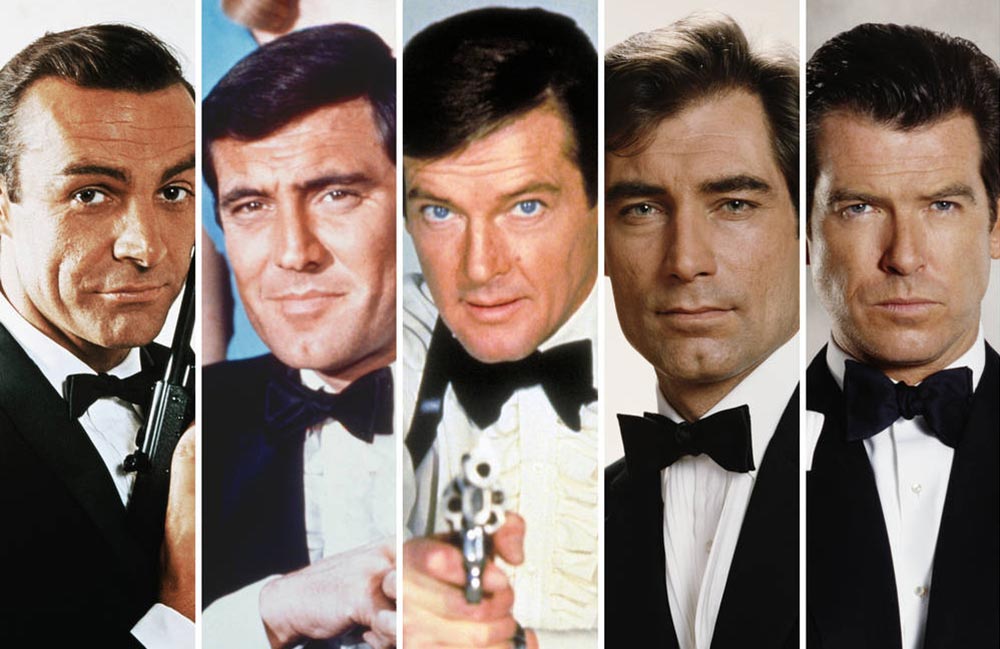
The Genesis of 007: From Page to Screen
Before Bond graced the silver screen, he captivated readers. Ian Fleming, a former intelligence officer himself, penned his first Bond novel, Casino Royale, in 1953. This initial literary success laid the groundwork for the character’s persona: a witty, resourceful, and charming British secret agent operating under the code number 007. Fleming’s descriptions of Bond’s world – his taste for martinis (shaken, not stirred), his sharp suits, and his encounters with exotic locales and formidable villains – were the blueprint for what would eventually translate to film.
The transition from print to cinema was not immediate. Several attempts were made to bring Bond to the screen in the 1950s, including a CBS television adaptation of Casino Royale in 1954 starring Barry Nelson as an Americanized “Jimmy Bond.” However, it wasn’t until Albert R. Broccoli and Harry Saltzman acquired the film rights that the definitive cinematic journey began. Their vision was to create a high-quality, big-budget film series that would capture the global imagination.
The Strategic Brand Development of an Icon
The success of any movie franchise, especially one aiming for international appeal, hinges on robust brand development. The creation of the James Bond film series was, in many ways, a masterclass in brand strategy.
Defining the Core Brand Identity: Beyond the Character
The character of James Bond was inherently compelling, but translating that into a cinematic brand required more than just replicating the novels. Broccoli and Saltzman understood the need to establish a consistent and recognizable identity for the film series. This involved:
- The Persona of 007: While Sean Connery was ultimately cast as the first cinematic Bond, the search for the right actor was crucial. The actor needed to embody the suave, dangerous, and charming qualities that Fleming had established, but also possess a screen presence that could command attention. Connery, with his rugged handsomeness and understated charisma, proved to be the perfect fit. His performance set the standard for all subsequent Bond actors.
- The World of Bond: This extended beyond the protagonist to encompass the entire universe he inhabited. The gadgets, the exotic locations, the beautiful “Bond girls,” the menacing villains, and the signature style – all contributed to a distinct and aspirational world. This attention to detail in world-building was essential for creating an immersive experience for the audience.
- The Iconic Signature Elements: From the opening gun barrel sequence to the distinctive musical theme composed by Monty Norman and arranged by John Barry, certain elements became inextricably linked to the Bond brand. These elements were not accidental; they were carefully conceived to be instantly recognizable and to evoke the essence of the character and his adventures.
Marketing a Global Phenomenon: Reaching New Audiences
The marketing of the first Bond film was as crucial as its production. In an era before the internet and social media, film promotion relied on more traditional, yet highly effective, methods.
- Leveraging Literary Success: The established popularity of Fleming’s novels provided a built-in audience and a degree of anticipation for the film adaptation. Marketing campaigns often highlighted the connection to the beloved books.
- Creating Buzz and Anticipation: Early trailers, posters, and press coverage were designed to generate excitement and curiosity. The allure of espionage, mystery, and adventure was paramount.
- International Distribution Strategy: Broccoli and Saltzman had a global vision from the outset. The marketing efforts were tailored to appeal to international markets, ensuring that Bond’s adventures would resonate with audiences worldwide. This involved understanding cultural nuances and adapting promotional materials accordingly.
The Technological Leap: Bringing Bond to the Screen
The production of the first James Bond movie also benefited from and, in some ways, pushed the boundaries of contemporary filmmaking technology. While not as overtly futuristic as some later Bond installments, the technical aspects of Dr. No were crucial to its success.
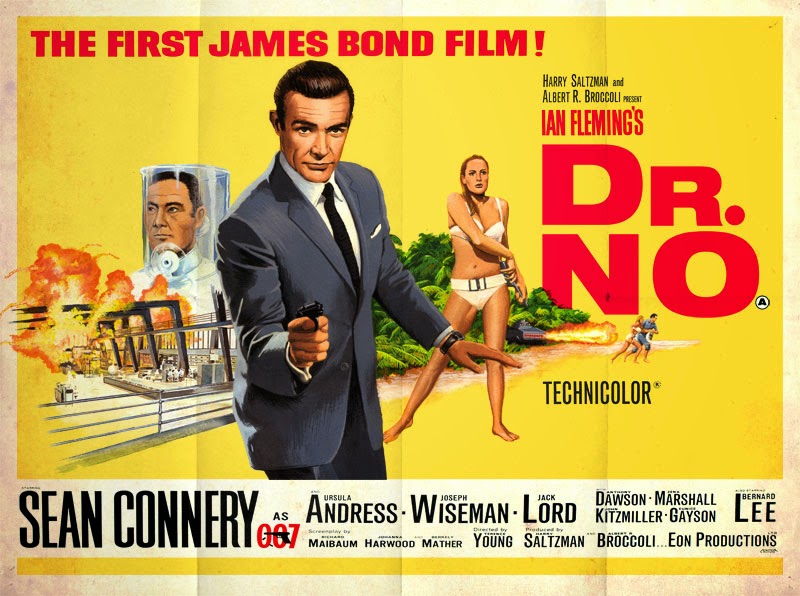
Innovations in Cinematography and Sound
The visual and auditory experience of a film is paramount in captivating an audience. For Dr. No, several technological considerations were at play:
- Color Film and Exotic Locations: The decision to shoot in vibrant color was a significant technological choice that allowed the exotic filming locations, such as Jamaica, to truly shine. This visual richness was a key differentiator and contributed to the aspirational appeal of the Bond universe. The use of color photography enhanced the sense of glamour and escapism.
- Sound Design and the Iconic Theme: The development of sophisticated sound recording and mixing techniques allowed for a more immersive cinematic experience. The iconic Bond theme music, with its driving rhythm and memorable melody, was a powerful sonic signature that would become synonymous with the franchise. The effective use of sound effects – from the distinctive click of a special agent’s briefcase to the roar of a getaway vehicle – further enhanced the realism and excitement of the action sequences.
- Special Effects (for its time): While not the CGI-heavy spectacles of today, Dr. No employed practical special effects that were cutting-edge for the era. These techniques, though less complex by modern standards, were instrumental in creating believable and thrilling action sequences, contributing to the overall spectacle of the film.
The Role of Production and Post-Production Technology
The behind-the-scenes processes also relied on evolving technologies:
- Filming Techniques: The crew utilized established filmmaking techniques while also exploring innovative approaches to staging action and capturing dramatic performances. The precise choreography of fight scenes and the dynamic camera angles employed were all part of a calculated effort to create a compelling visual narrative.
- Editing and Pacing: The art of film editing was crucial in shaping the narrative and maintaining the film’s pacing. The seamless transitions between scenes, the building of tension through editing, and the effective use of montage all contributed to the film’s ability to keep audiences on the edge of their seats.
- Post-Production Sound: The final polish of the film involved intricate post-production sound work. This included dubbing dialogue, adding sound effects, and mixing the musical score. The ability to meticulously craft the sonic landscape of the film was a key technological aspect that contributed to its overall impact.
The Legacy: How the First Bond Movie Redefined an Industry
The first James Bond movie, Dr. No, released in 1962, was not just a film; it was a cultural reset. Its success was immediate and far-reaching, fundamentally altering the landscape of cinema and popular culture.
A Box Office Juggernaut and a Global Brand Builder
Dr. No proved to be a significant commercial success, defying initial skepticism and laying the foundation for one of the most lucrative film franchises in history. This financial triumph was not merely a lucky break; it was the result of strategic planning and a deep understanding of what audiences craved.
- The Birth of the Blockbuster: The sheer scale of Dr. No‘s ambition and its global box office performance helped pave the way for the modern blockbuster era. It demonstrated the potential for a single film to generate immense revenue and capture worldwide attention.
- Establishing the Franchise Model: The success of Dr. No solidified the concept of the cinematic franchise. The clear potential for sequels was evident, and the established character and world provided fertile ground for continuous storytelling. This model of serial storytelling would become a cornerstone of the film industry.
- Global Appeal and Cultural Impact: Bond’s adventures transcended national borders. The film’s exploration of themes like international intrigue, exotic locales, and the battle between good and evil resonated with audiences across diverse cultures. This global appeal was a key factor in its lasting legacy.
The Enduring Influence on Marketing and Brand Management
The lessons learned from the creation and launch of the first Bond film continue to inform brand strategies today.
- The Power of a Strong Protagonist: The enduring appeal of James Bond as a character highlights the importance of a well-defined and compelling protagonist in brand building. His aspirational qualities and consistent persona have made him a relatable and aspirational figure for generations.
- Creating a Signature Style: The iconic elements associated with Bond – from his attire to his vehicles and his catchphrases – have become case studies in how to create memorable and enduring brand signatures. These elements are instantly recognizable and evoke the core values of the brand.
- Integrated Marketing Campaigns: The coordinated efforts to promote Dr. No across various media channels set a precedent for integrated marketing campaigns that are now standard practice. The understanding that all aspects of promotion, from film posters to trailers and press events, must work in harmony to build a consistent brand message was revolutionary.

Conclusion: The Enduring Appeal of the First Bond Movie
So, to answer the question, the first James Bond movie was Dr. No, released on October 5, 1962. However, its significance extends far beyond a simple date on a calendar. Dr. No was the culmination of a strategic vision that understood the power of a compelling character, the importance of a meticulously crafted brand, and the transformative potential of cinematic technology. It was a film that not only entertained audiences but also redefined the very concept of cinematic entertainment and established a global brand that continues to thrive decades later. The legacy of Dr. No is a testament to the enduring power of innovative storytelling, strategic brand building, and the magic of cinema.
aViewFromTheCave is a participant in the Amazon Services LLC Associates Program, an affiliate advertising program designed to provide a means for sites to earn advertising fees by advertising and linking to Amazon.com. Amazon, the Amazon logo, AmazonSupply, and the AmazonSupply logo are trademarks of Amazon.com, Inc. or its affiliates. As an Amazon Associate we earn affiliate commissions from qualifying purchases.