
Navigating the complexities of international sizing is a common hurdle for consumers who shop across global borders. When you encounter the number “43” on a footwear label, you are almost certainly looking at a European (EU) sizing standard. For those accustomed to the United States (US) sizing system, decoding these numbers is essential to ensuring a proper fit, reducing return rates, and streamlining the digital shopping experience.
Understanding the EU Sizing System
The European sizing system, often referred to as the Paris Point system, is based on a unit of measurement equal to two-thirds of a centimeter. Unlike the US system, which uses a more complex calculation based on barleycorn units and varying lasts, the EU system is relatively linear.
The Origin of the Paris Point
The Paris Point originated in the mid-19th century as a standardized method for French shoemakers. Because the system is incremented by 6.67 millimeters (two-thirds of a centimeter), it provides a granular approach to sizing. A size 43 is essentially a standardized length measurement intended to accommodate a specific foot geometry. However, because shoemakers vary in their interpretations of width and volume, the number 43 acts more as a guideline than an absolute physical constant.
Why Sizing Isn’t Universal
One of the primary reasons for confusion is that sizing standards are not global laws. They are industry conventions. A brand in Italy may interpret a size 43 slightly differently than a brand in Germany or Sweden. Furthermore, US sizing for men and women is calculated using different scales, whereas the EU system is generally unisex, adding another layer of complexity for the shopper.
Converting 43 to US Men’s and Women’s Sizes
When converting a European size 43 to a US standard, you must distinguish between gender-based sizing conventions. Because US men’s and women’s feet are typically categorized using different heel-to-toe length baselines, a size 43 will translate differently depending on which demographic the shoe is designed for.
Men’s Sizing Conversions
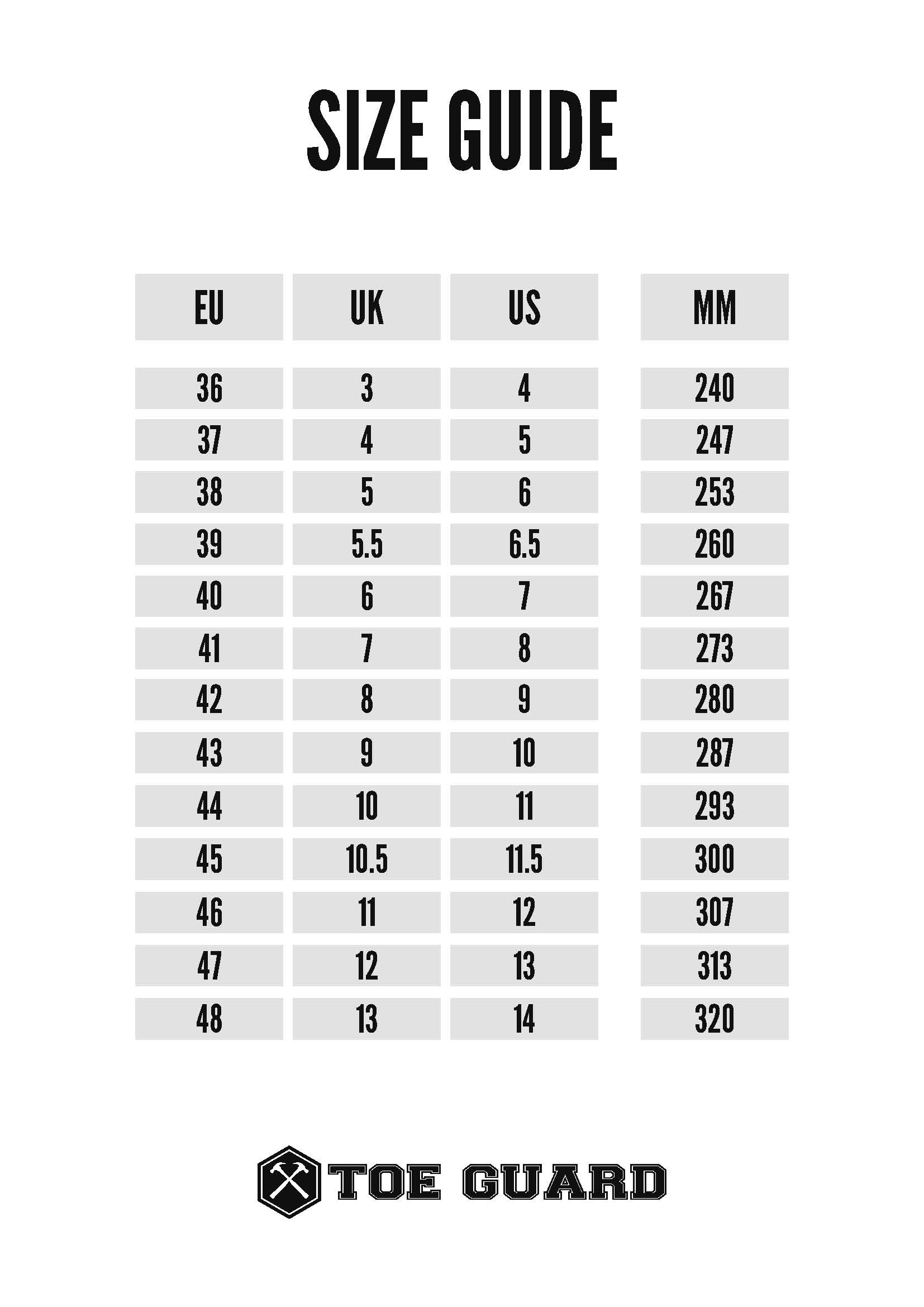
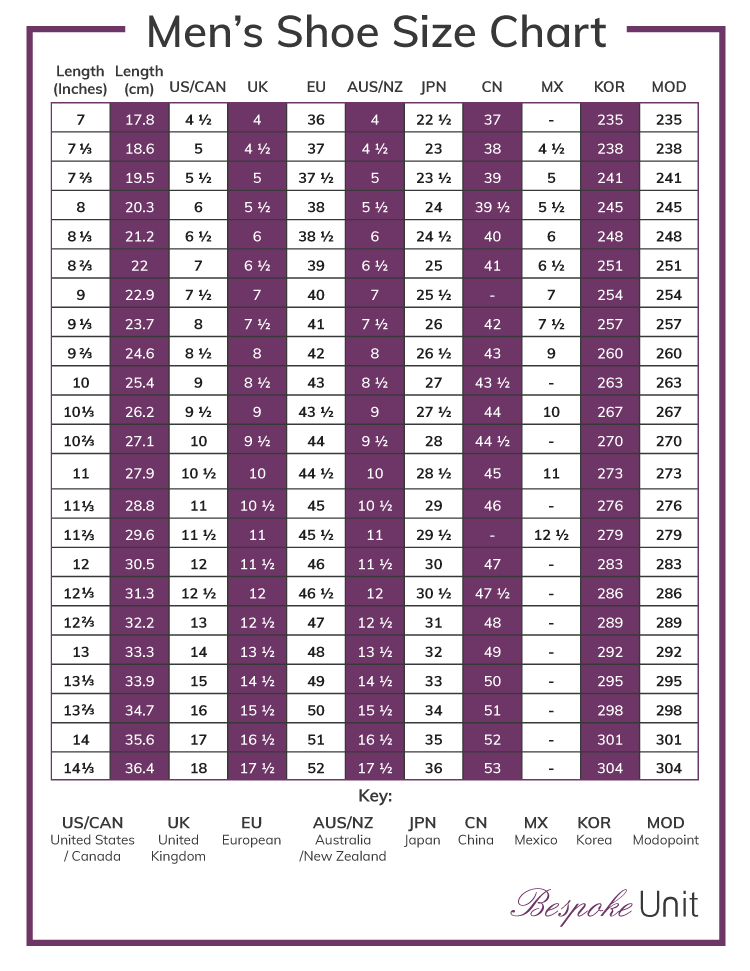
In the US men’s sizing system, a European 43 generally maps to a US men’s 9.5 or 10. This is the most common conversion for athletic footwear and casual leather shoes. Because US men’s sizing is built on a broader last (the model around which a shoe is constructed), the size 43 usually provides a comfortable fit for the average man with a medium (D) width foot.
Women’s Sizing Conversions
Conversion for women is more distinct due to the variation in the US women’s size scales. A size 43 is less common in standard US women’s retail, as the equivalent would be approximately a US women’s 11 or 11.5. If you are shopping for European designer heels or flats labeled 43, be prepared for a larger fit, as these are often designed to account for a slightly higher volume than a standard US 11.
The Importance of the “Half-Size” Gap
The discrepancy between US and EU sizing often arises because the US system includes half-sizes (e.g., 9.5, 10.5) that do not always align perfectly with the EU whole-number increments. If you are a size 10 in the US, you might find that an EU 43 feels perfectly snug, while an EU 42 feels restrictive. If you are a 9.5, an EU 43 might offer a comfortable “room to grow” fit.
Strategic Shopping: Reducing Returns and Maximizing Comfort
For the modern consumer, understanding these metrics is a form of risk management. Returns are costly for retailers and inconvenient for shoppers. By applying a analytical approach to size conversion, you can minimize the “trial and error” phase of online footwear shopping.
The Role of Footbed Measurements
Rather than relying solely on the size label, look for the “cm” or “mm” measurement often provided in size guides on product pages. A size 43 typically correlates to a footbed length of approximately 27.5 to 28 centimeters. Measuring your own foot from the heel to the tip of your longest toe—while wearing the type of sock you intend to pair with the shoe—is the most reliable way to verify if a 43 will fit.
Brand-Specific Deviations
It is a mistake to assume every size 43 is created equal. Major athletic brands often use proprietary lasts that run “true to size,” while luxury fashion houses may use longer, narrower lasts. If you are purchasing from a boutique brand, check their specific size chart. Many brands provide a comparison table that clearly states, “Our 43 is equivalent to a US 10.” If this information is missing, it is often wise to reach out to customer service, as their internal data on fit feedback is invaluable.
Considering Width and Volume
A common pitfall is focusing exclusively on length. A size 43 might provide enough length for a US 10 wearer, but if the shoe is designed for a narrow (B) width, it will feel agonizingly tight. Conversely, if you have a wide foot, you may need to look for brands that offer specific “Wide” (EE or EEE) options, as a standard 43 will not compensate for additional lateral volume.
The Future of Sizing Technology
The friction caused by manual size conversions is being addressed by emerging technologies. As digital commerce evolves, the industry is moving away from the “guess-and-return” model toward precision fit solutions.
Digital Foot Scanning and AI
New software tools allow users to scan their feet using a smartphone camera. These applications map the three-dimensional structure of the foot and correlate it with the internal dimensions of the footwear they wish to purchase. These tools can identify that even if a shoe is marked “43,” it may not fit your specific arch height or heel width, effectively eliminating the confusion inherent in international sizing labels.
Predictive Analytics in Retail
Retailers are increasingly utilizing predictive analytics to assist shoppers. By aggregating return data and user feedback, platforms can suggest the “best fit” size for you based on previous purchases from other brands. If you bought a 43 from one manufacturer and returned it for being too large, the algorithm will automatically suggest a 42.5 for your next purchase in a similar style.

Standardizing the Experience
While we remain in a transition period, the burden of translation still rests on the consumer. However, as global e-commerce grows, there is a push for more transparent product descriptions. Top-tier retailers now list the internal length in centimeters, the width category, and the “fit advice” (e.g., “runs large, order a half size down”) directly on the product page. Using this data in conjunction with your knowledge that a 43 is effectively a US 9.5–10 ensures a much higher success rate in finding the perfect pair.
Ultimately, “What US size is 43?” is a question that requires a two-part answer: it is a number that corresponds to a 9.5–10 US men’s or 11–11.5 US women’s, but it is also a starting point for a more nuanced investigation into brand-specific geometry. By blending an understanding of the Paris Point system with an awareness of your own foot dimensions and the brand’s specific design philosophy, you can navigate international sizing with confidence, ensuring that the footwear you purchase delivers both the comfort and performance you expect.
aViewFromTheCave is a participant in the Amazon Services LLC Associates Program, an affiliate advertising program designed to provide a means for sites to earn advertising fees by advertising and linking to Amazon.com. Amazon, the Amazon logo, AmazonSupply, and the AmazonSupply logo are trademarks of Amazon.com, Inc. or its affiliates. As an Amazon Associate we earn affiliate commissions from qualifying purchases.