
At its core, lamination is the process of bonding two or more layers of material together to create a single, more durable, and often more aesthetically pleasing product. While the most common association might be with protecting important paper documents, its application extends far beyond the humble ID card or certificate. In the realm of branding, marketing, and corporate identity, lamination serves as a sophisticated tool that significantly enhances the longevity, appearance, and perceived value of a brand’s physical assets. It’s not merely about preserving; it’s about presenting, protecting, and projecting professionalism. For businesses striving to leave a lasting impression and ensure the integrity of their visual communications, understanding lamination is a strategic imperative.
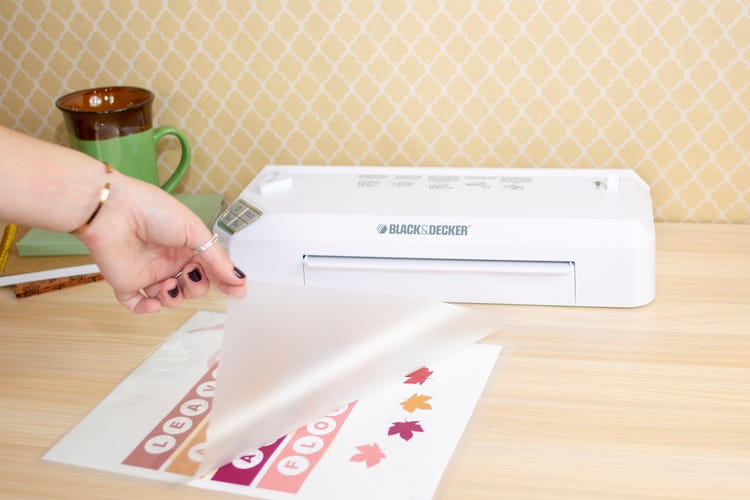
Lamination as a Strategic Brand Tool: Beyond Mere Protection
In an increasingly competitive market, every touchpoint a customer has with a brand contributes to their overall perception. Physical materials, from business cards and brochures to menus and retail signage, are tangible extensions of a brand’s identity. This is where lamination transcends its utilitarian function to become a strategic element of brand management. By encapsulating materials in a protective layer, brands not only shield them from wear and tear, moisture, and fading but also elevate their sensory appeal and communicate a commitment to quality.
A laminated item feels different in hand – it’s often sturdier, smoother, and possesses a visual depth that uncoated materials lack. This tactile and visual enhancement can subtly yet powerfully influence how a brand is perceived. A well-laminated menu in a restaurant, for instance, conveys hygiene and professionalism, suggesting attention to detail that likely extends to the culinary experience itself. Similarly, a robustly laminated trade show banner signals stability and investment. This strategic application of lamination helps reinforce brand values such as reliability, premium quality, and meticulousness, creating a more cohesive and impactful brand experience. It’s an investment in the longevity and integrity of the brand message, ensuring that critical information remains legible and appealing throughout its intended lifecycle.
Enhancing Corporate Identity and Marketing Collateral
The deliberate application of lamination plays a pivotal role in solidifying corporate identity and maximizing the effectiveness of marketing collateral. It transforms transient paper into enduring statements, ensuring that the brand’s visual language remains consistent and impactful across various physical manifestations.
Elevating Print Materials
Consider the vast array of print materials a brand produces: business cards, brochures, flyers, postcards, annual reports, product catalogs, and presentation covers. Each of these represents a direct interaction point with clients, partners, and prospects. Unprotected, these materials are susceptible to creasing, tearing, smudges, and general degradation, which can quickly detract from a brand’s professional image.
Lamination acts as a durable shield, preserving the crispness of graphics, the vibrancy of colors, and the legibility of text. For instance, a laminated business card feels more substantial and premium, making a stronger first impression than a flimsy, unlaminated one. Brochures that feature product images benefit immensely from lamination, as it can make colors pop and details appear sharper, thereby enhancing the product’s appeal. For high-value print items like annual reports or limited-edition catalogs, lamination not only protects the content but also imbues the piece with a sense of importance and luxury, aligning with a brand’s upscale positioning. This strategic enhancement of print materials ensures they withstand handling, transport, and time, consistently projecting a polished and reputable corporate identity.
Durability for Signage and Displays
Beyond standard print, lamination is indispensable for signage and displays that are exposed to environmental factors or frequent handling. Retail signs, point-of-sale displays, event posters, wayfinding signs, and exhibition graphics all benefit from the protective qualities of lamination.
Outdoor signage, in particular, requires robust protection against UV rays, rain, wind, and temperature fluctuations. Lamination prevents ink from fading prematurely, colors from washing out, and the substrate itself from warping or deteriorating. This ensures that the brand message remains visible and impactful for extended periods, reducing the need for frequent replacements and minimizing ongoing marketing costs. Indoor displays, while less exposed to the elements, still face risks from spills, scuffs, and fingerprints. A laminated surface is easier to clean and resistant to minor damage, maintaining a fresh and inviting appearance in high-traffic areas. For interactive displays or those handled by many people, such as museum exhibit labels or instruction cards, lamination guarantees legibility and structural integrity, crucial for effective communication and user experience.
Protecting Vital Brand Documents
Every brand possesses critical documents that embody its legal, operational, or historical essence. Certificates of incorporation, permits, licenses, quality certifications, patents, awards, and historical archives represent foundational pillars of a brand’s legacy and ongoing operations. These documents are often irreplaceable and of immense value, making their preservation a non-negotiable aspect of corporate stewardship.
Lamination offers an unparalleled method of protecting these vital assets from the ravages of time and environment. It safeguards against moisture damage, tears, creases, and the general wear associated with handling. A laminated certificate, for example, not only signifies its importance but also ensures its longevity as a testament to achievement. For documents that must be displayed or frequently referenced, lamination provides a protective barrier, extending their life and maintaining their pristine condition. This practice underscores a brand’s commitment to meticulous record-keeping and preserves the tangible evidence of its accomplishments and legitimacy, contributing to its overall credibility and historical narrative.

Types of Lamination and Their Brand Impact
The choice of lamination type is not a trivial decision; it’s a design consideration that can significantly alter the tactile and visual impact of a branded item. Different finishes and application methods yield distinct results, each offering unique benefits that can be strategically aligned with a brand’s aesthetic and functional requirements.
Finish Selection: Matte, Gloss, and Soft-Touch
The most common lamination finishes are matte, gloss, and soft-touch, each conveying a different brand message:
- Gloss Lamination: This finish provides a highly reflective, shiny surface that makes colors appear vibrant and “pop.” It deepens dark colors and enhances contrast, giving images a photographic quality. Gloss lamination is excellent for marketing materials where visual impact and color fidelity are paramount, such as product brochures, posters, and presentation covers that aim for a bold, eye-catching appeal. It projects energy, modernity, and high visual clarity. However, its reflectivity can sometimes cause glare, making fine text harder to read under certain lighting conditions.
- Matte Lamination: Offering a non-reflective, smooth surface, matte lamination imparts a sophisticated, understated elegance. It reduces glare and fingerprints, making it ideal for materials with extensive text or complex graphics where readability is crucial. Brands that wish to convey a sense of gravitas, luxury, or artistic refinement often opt for matte finishes. It lends a subdued, tactile quality that feels substantial and premium. While colors may appear slightly less vibrant than with a gloss finish, matte lamination often enhances the perception of quality and exclusivity, suitable for high-end corporate identities, art books, and luxury product packaging.
- Soft-Touch Lamination: This relatively newer finish provides a luxurious, velvety texture that is incredibly pleasing to the touch. It combines the non-reflective qualities of matte with an added tactile dimension, offering a truly premium sensory experience. Soft-touch lamination is perfect for brands aiming to evoke a feeling of exclusivity, comfort, or high-end craftsmanship. It’s frequently used for luxury packaging, high-end business cards, and covers for prestigious publications, signaling a meticulous attention to detail and a commitment to sensory branding that engages customers on a deeper, more emotional level.
Cold vs. Hot Lamination
Beyond the finish, the method of application—cold or hot lamination—also has implications for certain materials and applications:
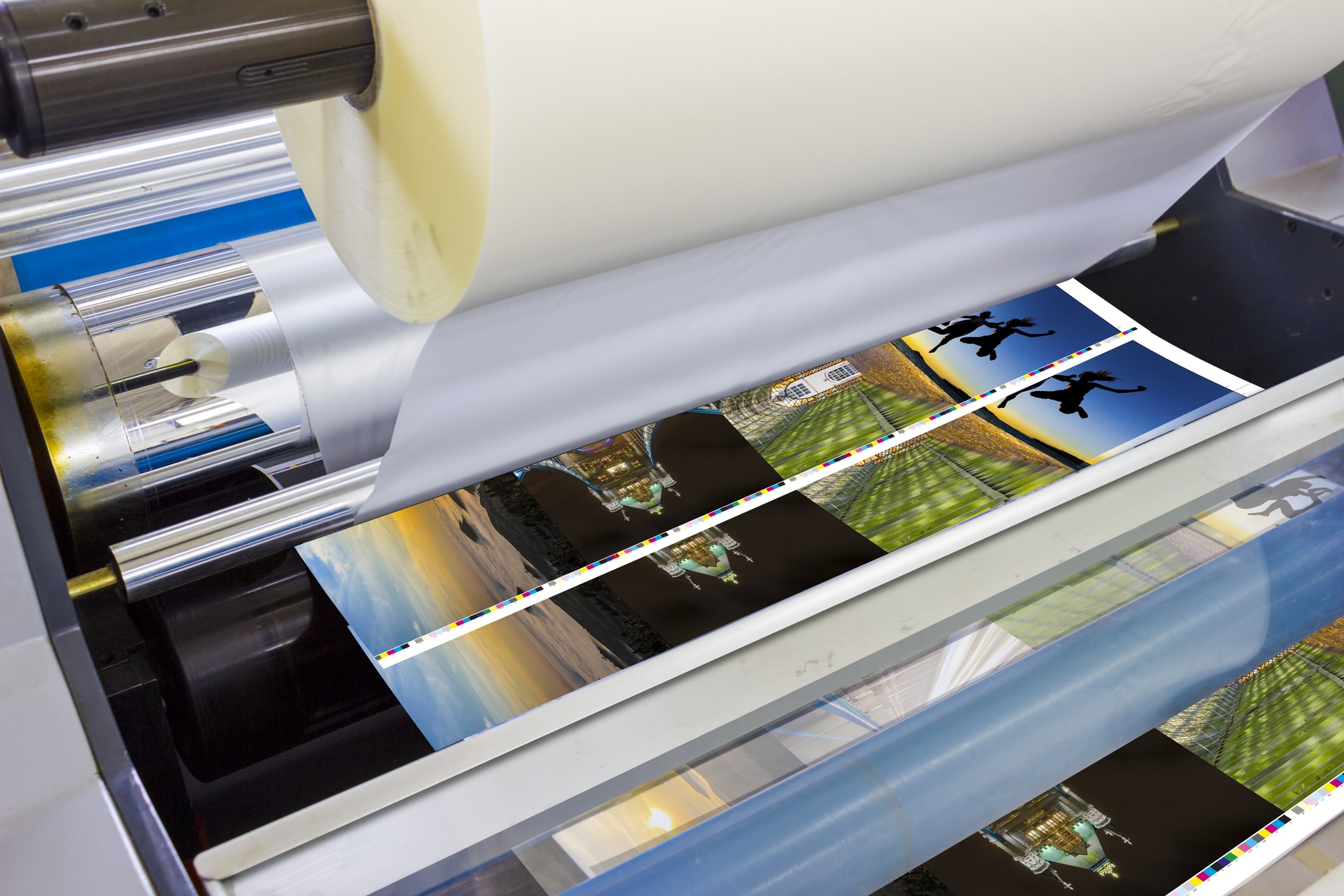
- Hot Lamination: This traditional method uses heat-activated adhesive films to bond the laminate to the substrate. It results in a very strong, durable seal and is generally preferred for most paper and cardstock documents. Hot lamination offers excellent clarity and a smooth, professional finish. It is suitable for documents that are not heat-sensitive, providing superior protection against moisture and wear. Most commercial print applications that require lamination utilize hot laminators.
- Cold Lamination: Utilizing pressure-sensitive adhesive films, cold lamination does not require heat. This makes it ideal for heat-sensitive materials such as photographs, certain digital prints, or documents containing thermal inks that could be damaged by high temperatures. Cold lamination is often used for wide-format graphics, vehicle wraps, and items where the heat from hot lamination could cause warping or discoloration. While generally less robust than hot lamination for high-wear situations, advancements in adhesive technology have made cold lamination very effective for a wide range of branding applications, especially those requiring preservation of delicate or specialized prints.
The Unseen Value: Longevity and Professionalism
The investment in lamination yields returns far beyond immediate aesthetic appeal; it significantly contributes to the longevity of brand assets and underpins a perception of professionalism that resonates deeply with target audiences. In a world increasingly saturated with fleeting digital content, physical brand materials that endure stand out.
Longevity is not merely about surviving environmental hazards; it’s about maintaining visual integrity over time. A laminated brochure or menu, for instance, can withstand repeated handling without showing significant signs of wear, ensuring that the brand message remains clear and untarnished throughout its functional life. This extended lifespan means less frequent reprinting, which translates to cost savings over time and a reduced environmental footprint, aligning with increasingly important corporate sustainability goals. Furthermore, the ability of materials to look fresh and new after prolonged use reflects positively on the brand’s commitment to quality and attention to detail.
This durability directly reinforces professionalism. A crisp, clean, and well-preserved document or sign conveys meticulousness and reliability. Conversely, a frayed, dog-eared, or water-damaged piece of marketing collateral can inadvertently communicate negligence or a lack of care, eroding trust and undermining the brand’s credibility. Brands that invest in lamination demonstrate a respect for their own image and, by extension, for their customers. It signals that every aspect of their presentation is considered and executed to the highest standard, fostering confidence and building a stronger, more enduring relationship with their audience.
Integrating Lamination into Your Brand Strategy
Deciding when and how to integrate lamination into a brand strategy requires thoughtful consideration, balancing aesthetic goals with functional needs and budgetary constraints. It is not a one-size-fits-all solution but rather a calculated decision tailored to specific brand objectives and material applications.
When crafting a brand strategy, consider the following:
- Purpose of the Material: Is the item meant for short-term, disposable use, or is it intended for repeated handling, display, or long-term retention? High-impact, frequently accessed, or archival materials are prime candidates for lamination.
- Brand Positioning: Does your brand aim for a luxury, premium, durable, or cutting-edge image? The choice between gloss, matte, or soft-touch finishes directly supports these positioning statements. A high-gloss finish might suit a vibrant, youthful brand, while a soft-touch matte finish could align with a sophisticated, exclusive brand.
- Environmental Exposure: Will the material be exposed to moisture, direct sunlight, frequent touching, or harsh cleaning agents? Lamination offers crucial protection in these scenarios, preserving the material’s integrity and visual appeal.
- Budget and ROI: While lamination adds to production costs, consider the return on investment through extended material life, enhanced brand perception, and reduced replacement frequency. For critical brand assets, the added cost is often justified by the benefits of preservation and elevated professionalism.
- Target Audience Interaction: How will the audience interact with the material? If tactile experience is important (e.g., luxury packaging, high-end invitations), then soft-touch lamination can create a memorable physical engagement that reinforces brand values.
- Sustainability Considerations: While plastics are often associated with environmental concerns, the extended lifespan that lamination provides can reduce the need for reprinting, thereby potentially lowering resource consumption over the long term. Exploring eco-friendly laminating films can further align with sustainability objectives.
By strategically applying lamination, brands can not only safeguard their physical assets but also powerfully amplify their identity, reinforce their values, and create lasting impressions that resonate with their audience, solidifying their position in the marketplace. It transforms a simple document or print into a robust and eloquent ambassador for the brand.
aViewFromTheCave is a participant in the Amazon Services LLC Associates Program, an affiliate advertising program designed to provide a means for sites to earn advertising fees by advertising and linking to Amazon.com. Amazon, the Amazon logo, AmazonSupply, and the AmazonSupply logo are trademarks of Amazon.com, Inc. or its affiliates. As an Amazon Associate we earn affiliate commissions from qualifying purchases.