
Goku, the iconic Saiyan warrior with an insatiable appetite for food and a boundless drive for self-improvement, is a character whose very name conjures images of epic battles, planet-shattering power-ups, and the relentless pursuit of strength. For fans across the globe, the question “What universe is Goku from?” might seem straightforward. He’s from Earth, right? Well, yes, but the deeper answer delves into a rich, sprawling multiverse that has evolved significantly over the decades, establishing Goku primarily as a resident of Universe 7 within the expansive cosmology of Dragon Ball Super.
However, to simply state “Universe 7” would be to miss the intricate layers of lore, the astounding technological advancements that bring such a universe to life, the colossal brand empire built around Goku, and the multi-billion-dollar economy it fuels. This seemingly simple query acts as a gateway to exploring how fictional narratives intertwine with real-world innovations in technology, brand strategy, and financial prowess, demonstrating that even a hero from another universe can teach us valuable lessons about our own.
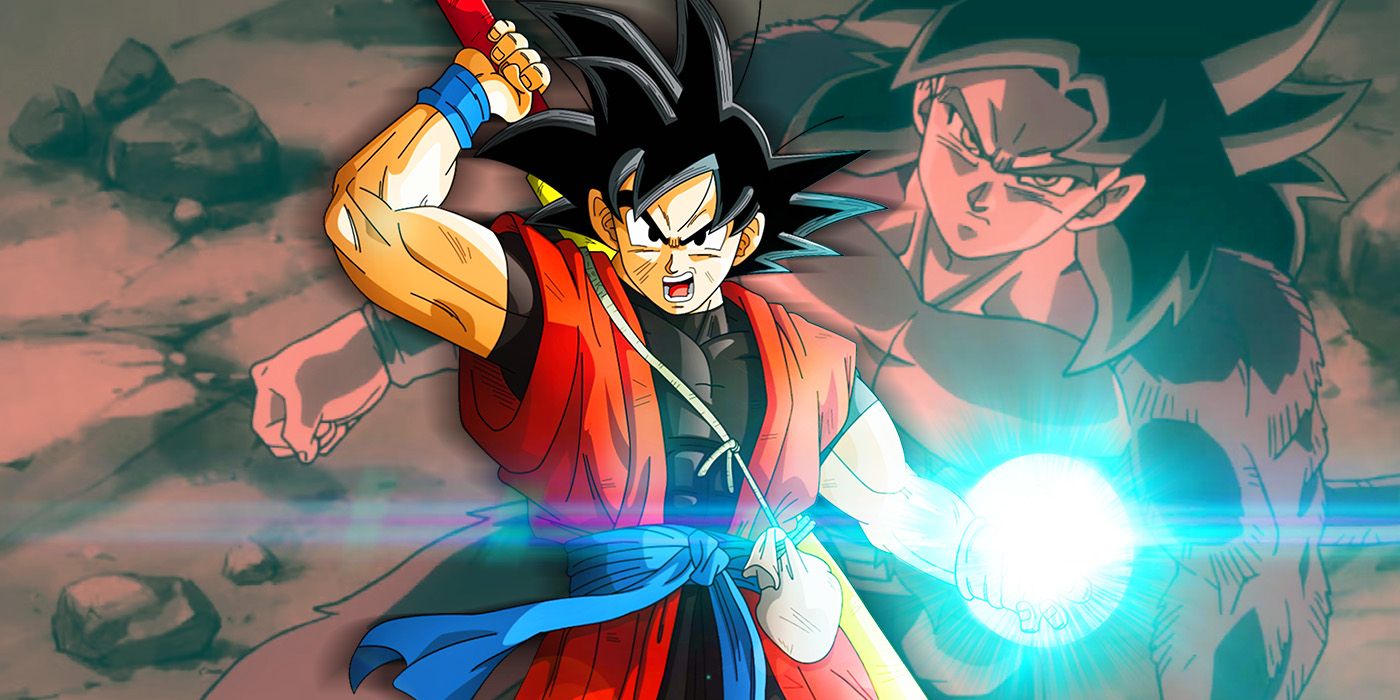
The Multiverse of Dragon Ball: A Canonical Journey
Understanding Goku’s origins requires navigating the constantly expanding lore of Akira Toriyama’s masterpiece, Dragon Ball. What began as a journey for magical wish-granting orbs quickly escalated into cosmic sagas, eventually introducing a complex multiversal structure that redefined the stakes of every battle.
From Planet Vegeta to Universe 7
Goku’s story begins not on Earth, but on the doomed Planet Vegeta, the homeworld of the Saiyan race. Born as Kakarot, a low-class warrior, he was sent to Earth as an infant to conquer it, a mission he never fulfilled due to a head injury that wiped his memory and transformed him into the kind-hearted hero we know. This act of galactic child-sending, orchestrated by his biological father Bardock and later solidifying his escape from Planet Vegeta’s destruction by Frieza, effectively makes him an immigrant, albeit an alien one, to Earth. Earth, in the context of Dragon Ball Super, is nestled within Universe 7. This universe, like 11 others, exists as a distinct entity in a grand cosmic tapestry, each overseen by its own God of Destruction and attendant Angel, all ultimately answering to the omnipotent Grand Priest and the diminutive, yet supremely powerful, Zeno.
Before the formal introduction of the twelve universes in Dragon Ball Super, the concept of “other dimensions” or realms was already present. The afterlife, the Hyperbolic Time Chamber, and various alien planets hinted at a larger cosmos. But it was Super that truly codified the multiversal structure, turning what was once implied into a core narrative pillar.
Dragon Ball Super and the Twelve Universes
The arrival of Beerus, the God of Destruction from Universe 7, and his attendant Whis, was the catalyst for unveiling this grand design. Goku and Vegeta, through their training and battles, became intimately familiar with their universe’s place in the cosmic order. The revelation that there were twelve universes, specifically Universe 6 and Universe 7 being “twin” universes with corresponding planets and life forms, expanded the scope exponentially. This meant alternate versions of iconic characters (like Frost, the Frieza counterpart from Universe 6, or Cabba, a Saiyan from Universe 6) and entirely new power dynamics.
The most significant event that cemented Universe 7 as Goku’s primary domain and thrust the multiverse into the spotlight was the Tournament of Power. This climactic saga pitted teams from eight universes against each other in a battle royale, with the losing universes facing complete erasure. Goku, leading Universe 7’s team, fought not just for his universe’s survival, but for the very existence of his friends, family, and home. This saga firmly established Universe 7 as Goku’s definitive universe, the battleground for his greatest challenges and the foundation for his relationships.
The Temporal and Dimensional Layers
Beyond just parallel universes, Dragon Ball‘s narrative also introduces complex temporal and dimensional mechanics. Future Trunks’ timeline, for instance, represents an alternate reality created by time travel, showcasing how actions can diverge into distinct futures. The existence of dimensions like the Hyperbolic Time Chamber (where time flows differently) or even the realm of the Kais further complicates the spatial and temporal geography. While these aren’t “universes” in the same vein as Universe 6 or 7, they add layers of complexity, ensuring that Goku’s adventures are never confined to a single linear path, offering rich opportunities for storytelling that transcends simple geographic boundaries.
The Tech Behind the Lore: Simulating Universes and Storytelling
The intricate world-building of Dragon Ball‘s multiverse, with its myriad characters, power levels, and consistent lore across decades, is a testament to human creativity. Yet, in our increasingly digital age, the creation and management of such vast fictional realms are becoming intertwined with cutting-edge technology.
AI in World-Building and Narrative Generation
Imagine the challenge of maintaining continuity across hundreds of manga chapters, thousands of anime episodes, and dozens of movies and video games within a sprawling multiverse. This is where AI tools could play a revolutionary role. AI-powered consistency checkers could flag plot holes or character inconsistencies across different universal iterations, ensuring that, for example, a Beerus from Universe 7 doesn’t behave drastically out of character compared to a Beerus from a hypothetical Universe 8.
Furthermore, AI could assist writers in generating new narrative arcs, exploring “what if” scenarios within the multiverse, or even crafting dialogue for secondary characters while maintaining their unique voices. Advanced language models could help simulate interactions between characters from different universes, predicting potential conflicts or alliances. For fan communities, AI tools could even enable interactive storytelling experiences, allowing users to “play God of Destruction” and influence the fate of universes, generating new, personalized Dragon Ball narratives on demand. Such technologies streamline the creative process, allowing creators to focus on grand visions while AI handles the minutiae of maintaining a vast fictional cosmology.
Digital Tools for Animation and Production
The journey of Dragon Ball from hand-drawn cells to digitally enhanced animation showcases the evolution of production technology. Modern anime production relies heavily on sophisticated software for every stage: character design, environmental rendering, special effects (the iconic Ki blasts and intricate transformation sequences are prime examples), and compositing. Cloud computing has become indispensable, enabling large animation studios to collaborate globally, sharing massive files and rendering power across continents, accelerating production cycles and enhancing visual quality.
Beyond the screen, technologies like Augmented Reality (AR) and Virtual Reality (VR) offer immersive experiences for fans. Imagine a VR game where you can train in the Hyperbolic Time Chamber, experiencing its unique time dilation, or an AR app that superimposes a charging Kamehameha onto your living room. These tools don’t just tell stories; they let us step into them, creating new avenues for fan engagement and further monetizing intellectual property.
Cybersecurity in Fictional Multiverses (and Real-World IP)
From a humorous perspective, one might wonder how the Zenos or Grand Priest secure the sensitive data of their multiversal database – perhaps with divine firewalls and angelic encryption? But in the real world, the protection of a franchise as valuable as Dragon Ball is a serious business. Intellectual Property (IP) theft, piracy, and unauthorized use of characters are constant threats. Digital rights management (DRM) technologies, robust legal frameworks, and vigilant online monitoring are crucial for safeguarding the brand’s assets.
Companies like Toei Animation and Bandai Namco invest heavily in cybersecurity measures to protect their creative output, prevent leaks, and ensure that their revenue streams from manga, anime, games, and merchandise are not undermined by illegal distribution. This demonstrates how critical digital security is, not just for personal data, but for the economic health of global entertainment empires.

Brand Goku: A Multiversal Marketing Phenomenon
Goku isn’t just a character; he’s a global brand. His image, his voice, his iconic attacks, and his unwavering spirit have transcended language and cultural barriers, making him one of the most recognizable and beloved figures in pop culture.
Personal Branding Across Universes
Goku’s personal brand is built on a few core pillars: unwavering heroism, relentless self-improvement, incredible strength, an almost childlike innocence, and an insatiable appetite. Whether he’s facing galactic tyrants in Universe 7 or participating in a multiversal tournament, these traits remain consistent. His brand identity is so strong that even when he meets counterparts from other universes (like Kale and Caulifla, the female Saiyans from Universe 6), his essence stands out. He inspires not just his friends, but even former enemies and rivals to push their limits.
This “personal brand” has evolved dramatically from the innocent monkey boy of Dragon Ball to the cosmic protector of Dragon Ball Super. This evolution, managed expertly by the creators, has allowed the character to remain relevant and captivating for generations, adapting to new challenges and constantly raising the bar for shonen protagonists.
Corporate Identity & Franchise Expansion
Behind Brand Goku lies a powerful corporate ecosystem. Toei Animation (anime production), Shueisha (manga publisher), and Bandai Namco (video games, merchandise) are key players. Their corporate identity is intricately linked to the success of Dragon Ball. Their strategy involves maintaining a cohesive brand image across all mediums: the art style in the manga influences the anime, which in turn inspires video game design and merchandise. Licensing agreements ensure that various products, from action figures to apparel, maintain a consistent quality and authenticity.
The franchise’s expansion into movies, video games (like Dragon Ball FighterZ and Xenoverse), and countless merchandise lines demonstrates the power of a well-managed corporate brand. The challenge lies in innovation without dilution – introducing new elements (like Super Saiyan God or Ultra Instinct) that keep the brand fresh while honoring its legacy. This delicate balance is crucial for sustained global appeal and preventing brand fatigue in a competitive entertainment landscape.
Leveraging Digital Platforms for Fan Engagement
In the digital age, fan engagement is paramount. The Dragon Ball brand leverages various digital platforms to connect with its massive global audience. Official social media accounts (Twitter, Instagram, Facebook) provide updates, new art, and announcements, fostering a direct line to fans. Online fan communities, wikis, and forums thrive on user-generated content, analysis, and discussions, organically amplifying the brand’s reach and deepening fan investment.
Esports, particularly for games like Dragon Ball FighterZ, have introduced the franchise to a new competitive gaming audience. Furthermore, countless content creators on platforms like YouTube and Twitch analyze episodes, create fan theories, review merchandise, and showcase gameplay, effectively becoming unpaid brand ambassadors. This digital ecosystem creates a virtuous cycle: official content sparks fan discussion, which in turn generates more interest and drives consumption, demonstrating the power of community in modern brand strategy.
The Money Power of a Universe: Economics of Dragon Ball
The concept of a fictional universe might seem detached from real-world finance, but the Dragon Ball franchise is an economic behemoth, generating billions of dollars globally and offering numerous insights into modern financial strategies.
Merchandising and Licensing Empires
The financial engine of Dragon Ball is vast and diverse. Revenue streams include:
- Manga Sales: Continual sales of classic volumes and new chapters.
- Anime Broadcasting Rights: Licensing to TV networks and streaming services worldwide.
- Home Video: Blu-ray, DVD, and digital downloads.
- Movies: Box office revenue and subsequent home media sales.
- Video Games: Sales of dozens of titles across various platforms.
- Action Figures & Collectibles: A massive market for toys, statues, and high-end figures.
- Apparel: T-shirts, hoodies, and other fashion items.
- Food & Drink Partnerships: Collaborations with various brands.
This diverse portfolio illustrates a robust strategy for monetization. The global economic impact is staggering, with Dragon Ball consistently ranking among the highest-grossing media franchises of all time. In the fictional world, characters like Bulma, with her Capsule Corporation, represent a technological entrepreneurship, while Mr. Satan’s self-branding and merchandise empire highlight the financial power of celebrity, even if his fighting prowess is questionable. Goku’s own brief stints as a farmer also provide a humorous nod to side hustles, a popular concept in today’s gig economy.
Investing in Fandom & Digital Assets
The value of Dragon Ball extends into investment opportunities. Rare physical collectibles – limited edition figures, autographed manga, original animation cells – can appreciate significantly over time, becoming alternative assets for collectors. The rise of digital assets like NFTs (Non-Fungible Tokens) could further expand this, allowing for verifiable digital ownership of unique artwork, animation clips, or even in-game items related to the franchise, though this is a nascent area for Dragon Ball specifically.
Beyond direct collectibles, investing in the companies behind the franchise (e.g., publicly traded stocks of Bandai Namco Holdings or Toei Animation) offers a way to financially participate in its success. The concept of “fandom as an economy” is powerful: passionate fans aren’t just consumers; they drive trends, create content, and contribute to the ecosystem, indirectly fueling purchases and generating revenue for the franchise. This also creates online income opportunities for content creators who analyze, review, or stream Dragon Ball content, turning passion into profit.
Financial Tools for Creators and Consumers
Modern financial tools are critical for the global operation of such a franchise. E-commerce platforms and international payment gateways enable fans worldwide to purchase merchandise, games, and streaming subscriptions seamlessly. For creators, project management tools with integrated financial tracking help manage budgets for animation projects, game development, and marketing campaigns.
Crowdfunding, while not typically used for established franchises like Dragon Ball, could theoretically enable fans to back spin-offs or special projects, demonstrating the power of collective investment. Furthermore, understanding digital wallets and cryptocurrency trends is increasingly relevant in the entertainment industry for international transactions, royalties, and securing digital rights in a rapidly evolving financial landscape.

Conclusion
So, what universe is Goku from? Officially and primarily, he is the strongest warrior of Universe 7. But the true significance of this question extends far beyond a simple canonical answer. It opens a portal to understanding the incredible imagination required to construct such a rich multiverse, the sophisticated technology that brings it to life on screens and consoles, the strategic brilliance behind building a global brand that resonates with billions, and the vast economic engine that powers its continued growth and innovation.
Goku’s journey from a remote planet to the cosmic protector of his universe reflects not just a fictional hero’s evolution, but also the real-world fusion of creativity and commerce. In an era where digital tools shape our narratives, branding dictates our choices, and financial strategies underpin every major enterprise, the seemingly simple query about Goku’s universe becomes a profound exploration of how fictional worlds inspire and mirror the technological, branding, and monetary forces that define our own reality. It’s a testament to the enduring power of storytelling, propelled by innovation, to transcend boundaries—be they intergalactic or interdisciplinary.
aViewFromTheCave is a participant in the Amazon Services LLC Associates Program, an affiliate advertising program designed to provide a means for sites to earn advertising fees by advertising and linking to Amazon.com. Amazon, the Amazon logo, AmazonSupply, and the AmazonSupply logo are trademarks of Amazon.com, Inc. or its affiliates. As an Amazon Associate we earn affiliate commissions from qualifying purchases.