
Navigating the landscape of home financing is one of the most significant financial undertakings an individual will ever face. A mortgage is rarely a one-size-fits-all product; rather, it is a complex financial instrument designed to align with varying levels of income, creditworthiness, and long-term investment goals. Understanding the nuances between different mortgage structures is essential for maximizing net worth and minimizing the total cost of borrowing over time. Whether you are a first-time homebuyer or a seasoned real estate investor, the type of mortgage you select will dictate your monthly cash flow, your tax implications, and the speed at which you build equity in your property.
Understanding the Fundamentals: Fixed-Rate vs. Adjustable-Rate Mortgages
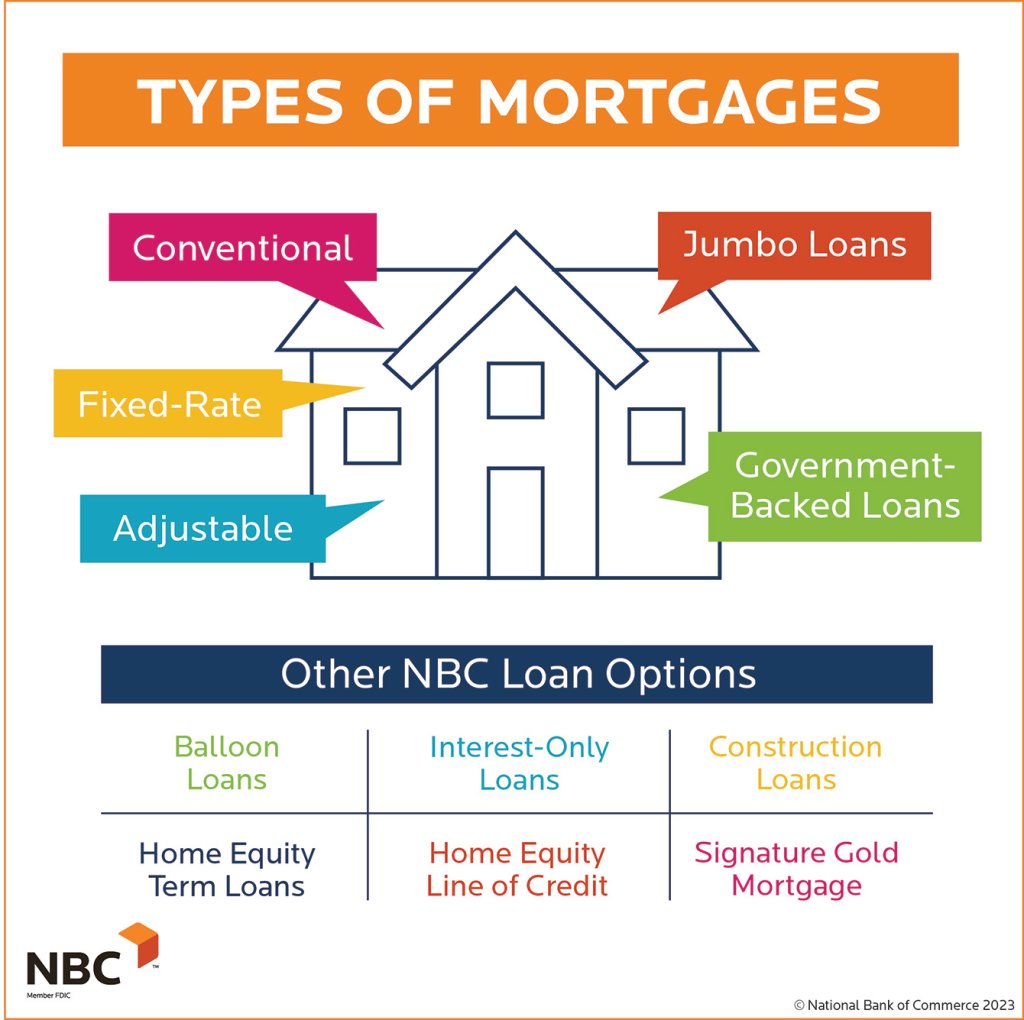
The most fundamental distinction in the mortgage market is how the interest rate behaves over the life of the loan. This choice represents a trade-off between the security of a locked-in rate and the potential for lower initial costs.
Fixed-Rate Mortgages: Stability and Predictability
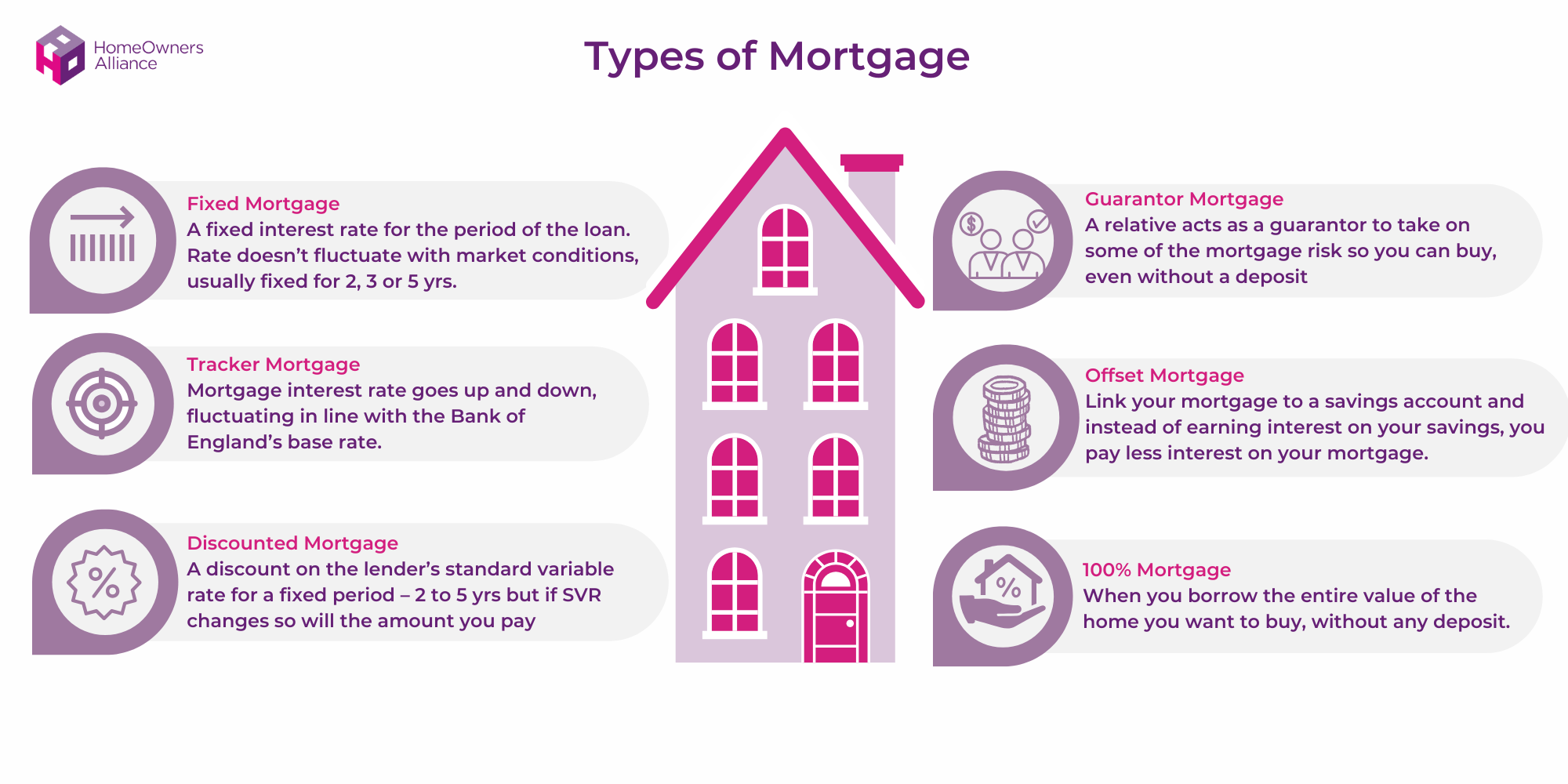
The fixed-rate mortgage remains the gold standard for long-term homeowners. As the name suggests, the interest rate remains constant for the entire duration of the loan, regardless of fluctuations in the broader economy or decisions by the Federal Reserve. This predictability allows for precise long-term budgeting, as the principal and interest portion of the monthly payment will never change.
The two most common terms are the 30-year and 15-year fixed-rate mortgages. The 30-year option offers lower monthly payments, making homeownership more accessible by stretching the debt over three decades. However, the trade-off is a significantly higher total interest cost over the life of the loan. Conversely, a 15-year fixed-rate mortgage typically carries a lower interest rate than its 30-year counterpart and allows the borrower to build equity twice as fast. While the monthly payments are higher, the total interest paid is often less than half of what would be paid on a 30-year loan, making it a powerful tool for wealth accumulation.
Adjustable-Rate Mortgages (ARMs): Flexibility and Initial Savings
An Adjustable-Rate Mortgage (ARM) offers an interest rate that is fixed for an initial period—typically 3, 5, 7, or 10 years—after which the rate adjusts periodically based on market indices. These are often structured as “hybrid” ARMs, such as a 5/1 ARM, where the rate is fixed for five years and then adjusts annually.
The primary appeal of an ARM is the “teaser” rate, which is usually significantly lower than the rate on a standard fixed-rate mortgage. For individuals who plan to sell the home or refinance before the initial fixed period ends, an ARM can result in substantial interest savings. However, ARMs carry inherent risk. If market rates rise significantly, the monthly payment can increase dramatically once the adjustment period begins. Borrowers must pay close attention to “caps,” which limit how much the rate can increase per adjustment and over the lifetime of the loan, to ensure the mortgage remains affordable even in a high-interest-rate environment.
Government-Backed vs. Conventional Loans: Choosing Your Protection Level
Beyond the rate structure, mortgages are categorized by who insures or guarantees the loan. This determines the qualification requirements, down payment minimums, and the cost of mortgage insurance.
Conventional Loans: The Standard Choice
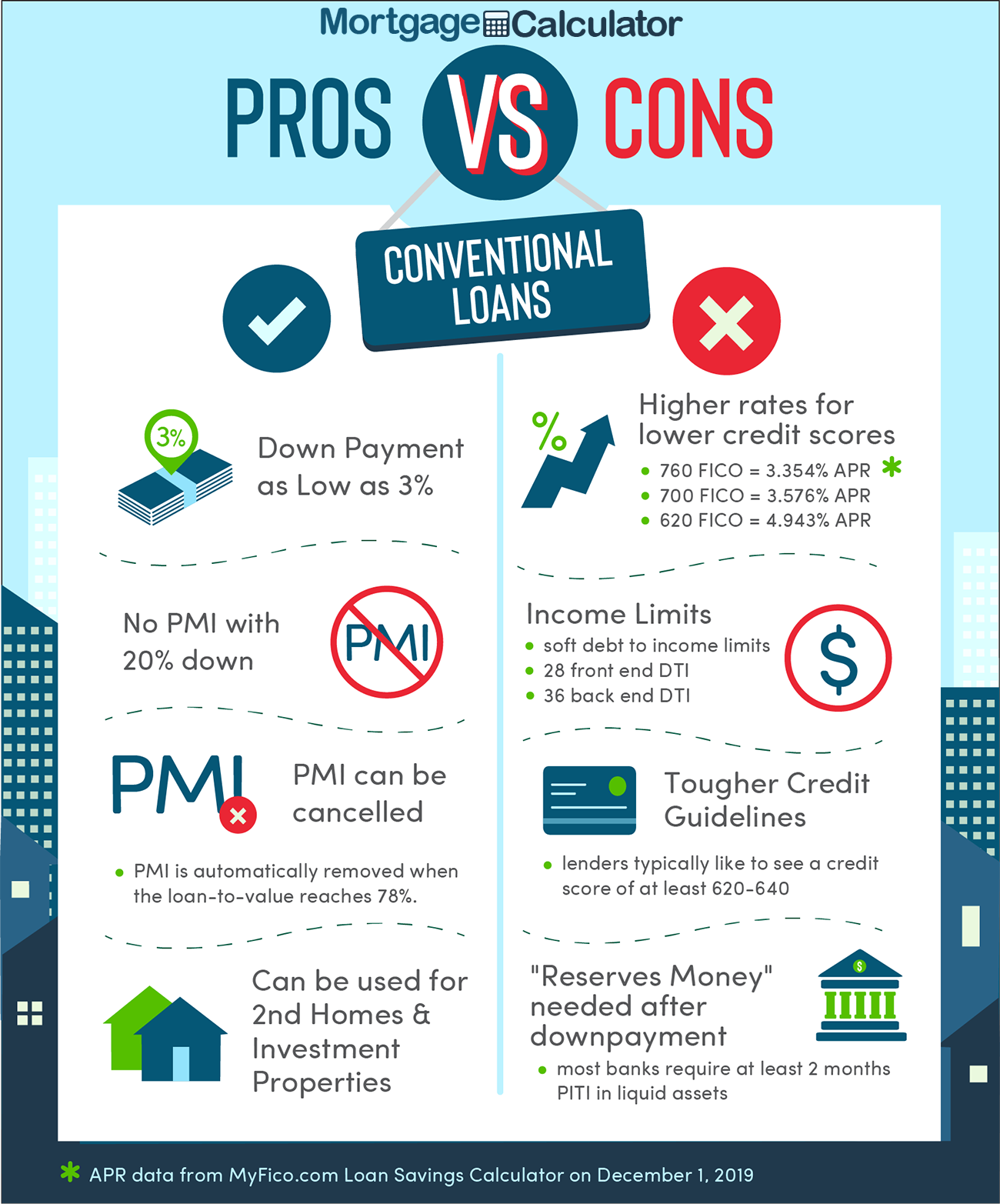
Conventional loans are not insured or guaranteed by the federal government. Instead, they follow the guidelines set by government-sponsored enterprises (GSEs) like Fannie Mae and Freddie Mac. These loans are generally more difficult to qualify for than government-backed options, often requiring higher credit scores (typically 620 or above) and lower debt-to-income ratios.
A key feature of conventional loans is Private Mortgage Insurance (PMI). If a borrower puts down less than 20% of the home’s purchase price, they are usually required to pay PMI to protect the lender in case of default. The major advantage of a conventional loan is that PMI can be canceled once the borrower reaches 20% equity in the home, unlike many government-backed loans where insurance premiums may persist for the life of the loan.
FHA Loans: Expanding Accessibility
Federal Housing Administration (FHA) loans are designed to make homeownership more accessible to those with modest incomes or lower credit scores. Because the FHA insures the lender against loss, lenders are willing to offer these loans with down payments as low as 3.5% and credit scores as low as 580 (or even 500 with a 10% down payment).
While FHA loans lower the barrier to entry, they come with a mandatory Mortgage Insurance Premium (MIP). This includes both an upfront premium paid at closing and an annual premium paid monthly. For many FHA borrowers, this insurance remains for the entire life of the loan unless they eventually refinance into a conventional mortgage once they have built sufficient equity.
VA Loans: Honoring Service with Zero Down
VA loans are a specialized benefit provided by the Department of Veterans Affairs for active-duty service members, veterans, and eligible surviving spouses. These are among the most advantageous financial products in the mortgage market. The primary benefit of a VA loan is the ability to purchase a home with 0% down payment and no requirement for private mortgage insurance.
Instead of monthly insurance premiums, VA loans involve a one-time “funding fee,” which can often be rolled into the loan amount. With competitive interest rates and lenient credit requirements, VA loans represent a significant wealth-building tool for the military community, allowing them to preserve liquid capital while investing in real estate.
USDA Loans: Rural Development Opportunities
The U.S. Department of Agriculture (USDA) offers a specialized loan program aimed at encouraging development in rural and some suburban areas. Like VA loans, USDA loans offer a 0% down payment option. To qualify, the property must be located in an eligible rural area as defined by the USDA, and the borrower’s household income must not exceed certain limits (typically 115% of the area’s median income). These loans provide an excellent pathway for lower-income families to secure stable housing in less densely populated regions.
Loan Size and Specific Financial Needs: Conforming vs. Jumbo Mortgages
The amount of money being borrowed also dictates the type of mortgage and the associated regulatory environment. This is largely determined by the loan limits set annually by the Federal Housing Finance Agency (FHFA).
Conforming Loans and FHFA Limits
A conforming loan is a conventional mortgage that adheres to the dollar limits set by the FHFA. These limits vary by county to account for local real estate market conditions, with higher limits in “high-cost” areas like San Francisco or New York City. Because these loans meet the criteria to be purchased by Fannie Mae or Freddie Mac, they are highly standardized and generally offer the most competitive interest rates.
Jumbo Mortgages: Financing High-End Real Estate
When a loan amount exceeds the FHFA’s conforming limits, it is classified as a Jumbo Mortgage. Because these loans cannot be sold to the GSEs, they represent a higher risk for the lender. As a result, jumbo loans typically require much more stringent qualifications.
Borrowers seeking a jumbo mortgage often need a credit score of 700 or higher, a significantly lower debt-to-income ratio, and a down payment of at least 10% to 20%. Lenders may also require the borrower to show substantial cash reserves—often six to twelve months of mortgage payments in a liquid account—to prove they can handle the high monthly costs. While the interest rates on jumbo loans are now often comparable to conforming rates, the underwriting process is far more rigorous.
Specialized Mortgage Structures for Unique Situations
For borrowers with unique financial profiles or specific short-term objectives, specialized mortgage products offer alternatives to traditional amortizing loans.
Interest-Only Mortgages
An interest-only mortgage allows the borrower to pay only the interest on the loan for a set period, usually between 5 and 10 years. During this time, the monthly payment is significantly lower because none of the principal is being paid down. This can be an attractive option for investors or individuals with fluctuating incomes who expect a significant increase in earnings in the future. However, once the interest-only period ends, the monthly payment spikes dramatically as the borrower begins paying both interest and the principal required to pay off the loan by the end of the term.
Balloon Mortgages
Balloon mortgages are characterized by low monthly payments for a short term (typically 5 to 7 years), followed by a massive “balloon” payment of the entire remaining balance. These are rare in the traditional consumer market but are occasionally used in commercial real estate or by buyers who are certain they will sell the property or refinance before the final payment is due. They carry high risk, as failing to secure a refinance or sell the property could lead to a catastrophic financial default.
Reverse Mortgages for Seniors
A reverse mortgage is a unique financial tool for homeowners aged 62 or older. Unlike a traditional mortgage where you pay the lender, the lender pays you, using the equity in your home as collateral. This can provide a steady stream of income or a lump sum to supplement retirement. The loan is typically repaid when the homeowner sells the house, moves out permanently, or passes away. While it can be a vital resource for “house-rich, cash-poor” seniors, it is essential to understand the impact on heirs and the high closing costs often associated with these products.
Selecting the Right Mortgage for Your Financial Strategy
Choosing the right mortgage requires a deep dive into your personal balance sheet and your long-term vision for the property.
First, evaluate your Debt-to-Income (DTI) ratio. Lenders use this to determine how much of your monthly income is consumed by debt. A lower DTI usually qualifies you for better rates and more loan options. Second, consider your Credit Score. A difference of 50 points on a credit score can result in tens of thousands of dollars in interest savings over the life of a 30-year mortgage.
Finally, consider the Opportunity Cost of Capital. While a 15-year mortgage saves interest, the higher monthly payments may prevent you from investing in other assets, such as the stock market or a business, which might offer a higher rate of return than the interest you are saving on your home. By aligning the type of mortgage with your overall financial strategy, you transform your home from a simple shelter into a sophisticated pillar of your financial portfolio.
aViewFromTheCave is a participant in the Amazon Services LLC Associates Program, an affiliate advertising program designed to provide a means for sites to earn advertising fees by advertising and linking to Amazon.com. Amazon, the Amazon logo, AmazonSupply, and the AmazonSupply logo are trademarks of Amazon.com, Inc. or its affiliates. As an Amazon Associate we earn affiliate commissions from qualifying purchases.