
Gastritis is not a single disease but a group of conditions characterized by the inflammation of the stomach lining. The stomach lining, known as the mucosa, is protected by a thick layer of mucus that prevents digestive juices from damaging the tissue. When this lining becomes weak or injured, digestive juices can damage and inflame it, leading to a variety of uncomfortable and sometimes debilitating symptoms.
Understanding the mechanics of gastritis is essential for effective management. Whether it appears suddenly as acute gastritis or develops slowly over time as chronic gastritis, the condition requires a nuanced approach to treatment that focuses on removing the underlying trigger and allowing the stomach mucosa to heal.

The Mechanisms and Causes of Gastric Inflammation
To treat gastritis effectively, one must first identify the catalyst for the inflammation. Gastritis is rarely a primary, idiopathic event; it is almost always a reaction to an external irritant or a systemic infection.
Helicobacter pylori Infection
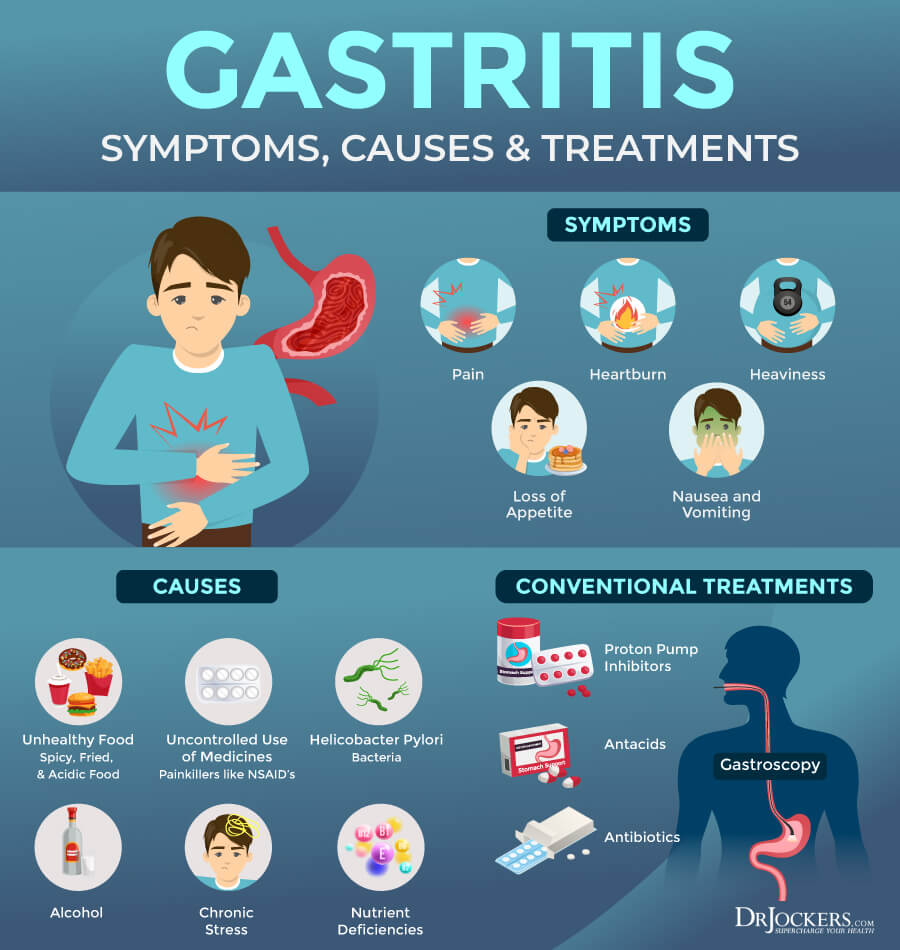
The most frequent cause of gastritis is an infection with the bacterium Helicobacter pylori (H. pylori). This bacterium infects the mucous lining of the stomach and can lead to both acute and chronic inflammation. While many people carry this bacterium without experiencing symptoms, it is a primary driver for those suffering from chronic gastritis and is a significant risk factor for the development of peptic ulcers and gastric cancer.
Medication and Chemical Irritants
Long-term use of nonsteroidal anti-inflammatory drugs (NSAIDs) such as ibuprofen, aspirin, and naproxen is a common culprit. These medications reduce the production of prostaglandins, which are substances that play a vital role in preserving the stomach’s protective lining. Furthermore, excessive alcohol consumption can irritate and erode the stomach lining, making it highly susceptible to digestive juices.
Stress and Autoimmune Factors
Severe physical stress caused by major surgery, traumatic injury, burns, or severe infections can lead to stress gastritis. Additionally, autoimmune gastritis occurs when the body attacks its own stomach cells, often leading to the destruction of the stomach lining and potentially causing vitamin B12 deficiency.
Diagnostic Procedures and Clinical Assessment
Before treatment protocols are established, gastroenterologists utilize specific diagnostic tools to confirm the presence of gastritis and determine its severity. These diagnostics prevent the misdiagnosis of gastritis for other conditions such as GERD (gastroesophageal reflux disease) or irritable bowel syndrome.
Endoscopic Evaluation
An upper gastrointestinal endoscopy is the gold standard for diagnosing gastritis. During this procedure, a doctor passes a flexible tube equipped with a camera down the throat and into the stomach. This allows for a direct visual inspection of the mucosa. If inflammation or abnormalities are detected, the physician may perform a biopsy, removing a small sample of the tissue for laboratory analysis to check for H. pylori or precancerous cells.
Breath and Stool Testing
If an invasive procedure is not immediately indicated, doctors often rely on non-invasive testing for H. pylori. The urea breath test involves the patient swallowing a substance containing urea; if H. pylori is present, the bacteria break down the urea, releasing carbon dioxide that can be measured in the breath. Stool antigen tests are similarly effective in detecting bacterial presence, providing a reliable diagnostic marker without the need for endoscopy.
Treatment Protocols and Therapeutic Approaches
Treatment for gastritis is multifaceted, combining pharmaceutical intervention, lifestyle modifications, and dietary adjustments. The objective is twofold: reduce the acidity in the stomach to allow the tissue to repair itself, and eliminate the underlying source of the inflammation.
Pharmaceutical Management
Medications are the cornerstone of gastritis management. Depending on the severity and cause, physicians typically prescribe one or more of the following:
- Antibiotics: If the diagnosis confirms an H. pylori infection, a regimen of antibiotics—often a combination such as clarithromycin and amoxicillin—is prescribed to eradicate the bacteria. Completing the full course of antibiotics is critical to preventing resistance.
- Proton Pump Inhibitors (PPIs): Medications like omeprazole, lansoprazole, and esomeprazole work by blocking the cells that create acid. By significantly lowering stomach acidity, these drugs create an environment conducive to the healing of the mucosa.
- H2 Blockers: Drugs such as famotidine reduce the amount of acid released into the digestive tract. While slightly less potent than PPIs, they are effective for patients with mild to moderate symptoms and provide faster symptomatic relief.
- Antacids: Over-the-counter antacids neutralize existing stomach acid and can provide rapid, short-term relief from pain and burning sensations.
Dietary Adjustments and Lifestyle Shifts
While medication addresses the physiological aspects of the condition, dietary habits often dictate whether the condition will recur. Gastritis treatment is inherently tied to what a patient puts into their stomach.
- Elimination of Irritants: The most important dietary change is the total elimination of known triggers. This includes spicy foods, highly acidic foods (such as tomatoes and citrus), deep-fried or fatty foods, and caffeine.
- Alcohol and Tobacco Cessation: Both alcohol and nicotine act as significant irritants to the gastric lining and inhibit the body’s natural repair processes. Abstinence is strongly recommended during the healing phase.
- Meal Frequency and Portion Control: Large meals increase the pressure on the stomach and stimulate excessive acid production. Patients are encouraged to eat smaller, more frequent meals throughout the day. This keeps stomach acidity levels more consistent and reduces the burden on the digestive system.
- Anti-Inflammatory Nutrition: Incorporating probiotics—found in yogurt, kefir, and fermented vegetables—can help restore the balance of healthy gut flora, which can be particularly beneficial if the gastritis was caused by or treated with antibiotics.
Long-Term Management and Outlook
For the vast majority of patients, gastritis is a manageable condition with an excellent prognosis. Once the underlying cause—whether it be bacterial infection, medication use, or lifestyle factors—is addressed, the stomach lining is remarkably resilient and capable of complete regeneration.
Monitoring for Complications
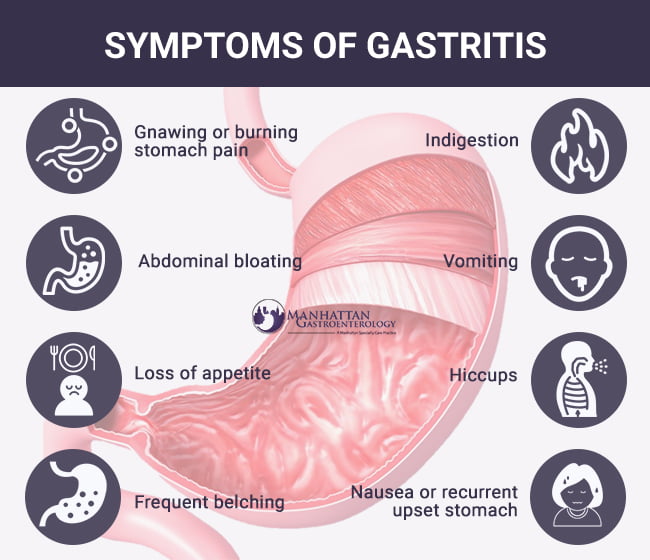
Even after symptoms subside, long-term monitoring may be necessary for those with chronic gastritis. Untreated or persistent inflammation increases the risk of developing gastric ulcers and, in rare instances, gastric polyps or stomach cancer. Regular follow-up appointments with a gastroenterologist are essential for patients with a history of H. pylori or chronic autoimmune gastritis to ensure the stomach lining remains healthy.
Integrating Mind-Body Practices
Given that stress can exacerbate digestive issues, many patients find relief by integrating stress-reduction techniques into their daily routines. Chronic stress can influence the nervous system’s control over the gut, potentially increasing acid production. Practices such as mindfulness meditation, deep breathing exercises, and regular, low-impact physical activity can help stabilize the digestive environment and improve overall quality of life.
The Importance of Consistency
The transition from acute suffering to long-term health requires consistency. Many patients make the mistake of stopping their prescribed medication as soon as the pain subsides. It is vital to continue the full course of therapy as directed by a healthcare professional, as the mucosa may still be fragile even after the surface-level symptoms have vanished.
By combining medical oversight with a disciplined approach to diet and stress management, individuals can effectively heal the stomach lining and prevent the recurrence of gastritis. The condition serves as a reminder of the gut-body connection, emphasizing that the health of the digestive system is a central pillar of overall wellness. When the digestive tract is respected and cared for through mindful nutrition and preventative healthcare, the body is significantly better equipped to maintain homeostasis and protect against long-term gastrointestinal decline.
aViewFromTheCave is a participant in the Amazon Services LLC Associates Program, an affiliate advertising program designed to provide a means for sites to earn advertising fees by advertising and linking to Amazon.com. Amazon, the Amazon logo, AmazonSupply, and the AmazonSupply logo are trademarks of Amazon.com, Inc. or its affiliates. As an Amazon Associate we earn affiliate commissions from qualifying purchases.