
Truist Bank, as one of the largest financial institutions in the United States, operates within a complex web of legal, regulatory, and financial obligations. Its sprawling operations, encompassing consumer banking, commercial lending, wealth management, and capital markets, expose it to a diverse array of risks, including significant tort vulnerabilities. Torts, which are civil wrongs that cause a claimant to suffer loss or harm resulting in legal liability for the person who commits the tortious act, represent a critical area of financial risk for any bank. Understanding and mitigating these vulnerabilities is not merely a legal exercise but a fundamental component of sound business finance and strategic financial management. For Truist, these vulnerabilities translate directly into potential significant financial outlays, reputational damage, and operational disruptions that can impact its balance sheet, profitability, and market valuation.
Navigating the Complex Landscape of Financial Torts
The nature of banking inherently involves trust, vast sums of money, complex transactions, and sensitive customer data, all of which create fertile ground for tort claims. Unlike contractual breaches, which arise from agreements, torts stem from duties owed to the public or specific individuals, regardless of a contract. For Truist, analyzing its tort vulnerabilities means looking beyond simple credit risk or market risk and delving into the less quantifiable but equally potent domain of operational and legal risk.
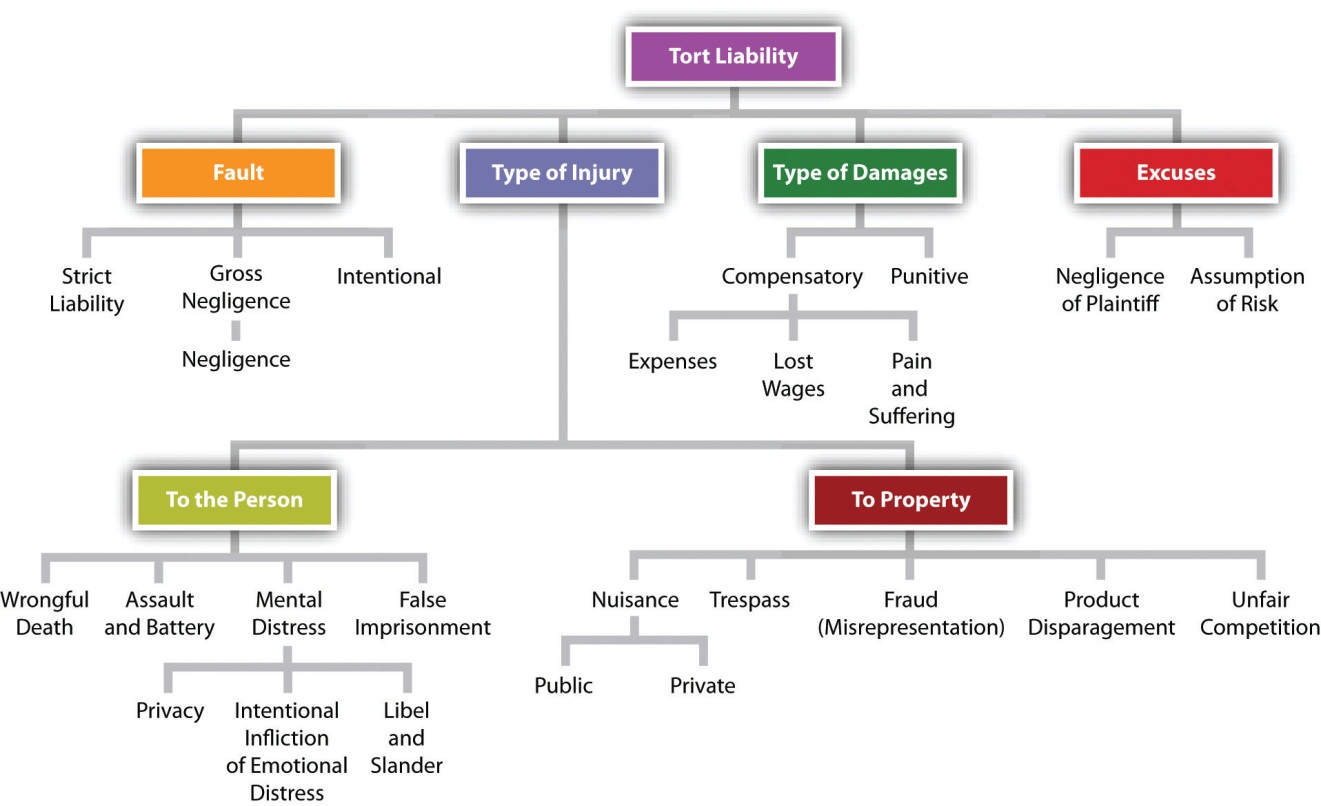
Defining Torts in the Banking Context
In the banking world, torts often manifest as claims of negligence, fraud, misrepresentation, breach of fiduciary duty, or various forms of privacy violations. These claims can arise from a myriad of interactions, from a teller error at a branch to a sophisticated cyberattack affecting millions of customer accounts. The financial services industry, due to its critical role in the economy and its handling of the public’s money, is held to a high standard of care. Any deviation from this standard, whether intentional or accidental, can trigger a tort claim. The sheer volume and diversity of transactions processed daily by a bank like Truist amplify this risk, making comprehensive identification and mitigation a continuous strategic priority.
The Financial Impact of Tort Liabilities
The financial ramifications of tort liabilities for a major bank like Truist can be severe and multi-faceted. Direct costs include litigation expenses, settlement payouts, and judgments, which can easily run into millions or even billions of dollars, directly impacting the bank’s earnings and capital reserves. Beyond these immediate monetary losses, there are significant indirect costs. A high-profile tort case can severely damage a bank’s reputation, eroding customer trust, leading to account closures, and making it harder to attract new business. This reputational harm can also trigger a decline in shareholder confidence, depress stock prices, and increase the cost of capital. Furthermore, tort litigation often necessitates significant internal resources, diverting management attention and operational budgets from strategic growth initiatives to defensive legal and compliance efforts.
Key Tort Vulnerabilities in Banking Operations
Truist’s extensive operational footprint means it is exposed to torts across its various business lines. These can be broadly categorized into areas stemming from negligence and those arising from intentional deceptive practices.
Negligence: The Peril of Carelessness
Negligence is arguably the most common tort banks face. It arises when a bank fails to exercise the reasonable care that a prudent financial institution would in similar circumstances, resulting in harm to a customer or third party. For Truist, negligence claims can spring from a variety of operational shortcomings.
Operational Failures and Data Breaches
In an increasingly digital financial landscape, a bank’s IT infrastructure and data security protocols are paramount. Negligence can occur if Truist fails to implement adequate security measures, leading to data breaches where sensitive customer information (e.g., account numbers, personal identification, transaction history) is compromised. The failure to properly secure systems, train employees on cybersecurity best practices, or respond adequately to identified threats could all constitute negligence. Such breaches can lead to massive class-action lawsuits, regulatory fines, and consumer identity theft, imposing astronomical financial burdens. Beyond cybersecurity, general operational failures, such as errors in processing transactions, mismanaging account information, or providing incorrect financial advice by untrained staff, can also lead to negligence claims.
Mismanagement of Fiduciary Duties
Many of Truist’s services, particularly in wealth management, trust services, and certain advisory roles, involve a fiduciary relationship with clients. This relationship imposes a higher standard of care, requiring the bank to act in the client’s best interest. Negligent mismanagement of fiduciary duties can arise if the bank (or its employees) fails to prudently manage investments, provides unsuitable financial advice, misuses client funds, or neglects to disclose conflicts of interest. Breaches of fiduciary duty can lead to significant financial losses for clients, who may then sue for damages, seeking compensation for lost returns or misused assets. The complexity of financial products and the potential for substantial client losses make this a high-stakes area of vulnerability.
Fraud and Misrepresentation: Deception in Financial Dealings
Intentional torts like fraud and misrepresentation carry even greater financial and reputational risks, as they imply deliberate wrongdoing. These often result in punitive damages in addition to compensatory damages, significantly increasing the financial liability.
Lending and Investment Scams
Truist, as a major lender and investment services provider, is vulnerable to claims of fraud and misrepresentation. This could involve misrepresenting the terms of a loan, concealing material facts in a mortgage application process, or providing false or misleading information about investment products. For instance, if a bank employee knowingly provides inaccurate information about the risks or returns of a particular investment, leading to client losses, this could constitute fraudulent misrepresentation. Similarly, predatory lending practices, if proven to involve deliberate deception or manipulation, could lead to significant class-action lawsuits and regulatory sanctions, causing immense financial damage and public backlash.
Identity Theft and Account Takeovers

While often linked to negligence in security, instances where a bank’s internal controls are deliberately circumvented by criminals leading to identity theft or account takeovers can sometimes involve an element of bank liability, especially if there’s a pattern of unaddressed vulnerabilities or direct employee collusion. While less common, situations where bank employees themselves are involved in fraudulent schemes, such as embezzlement or unauthorized transfers, represent extreme forms of internal fraud that lead to significant tort claims and criminal charges, alongside devastating financial and reputational harm to the institution.
Emerging Tort Risks in the Digital Age
The rapid evolution of technology and the increasing reliance on digital channels for banking have introduced new categories of tort vulnerabilities for financial institutions like Truist. Staying ahead of these risks is crucial for long-term financial stability.
Data Privacy and Cybersecurity Torts
Beyond basic negligence, the proliferation of data privacy regulations (like GDPR, CCPA, and various state-specific laws) has created a new class of torts. Even if a data breach isn’t caused by gross negligence, simply failing to adhere to strict data handling, storage, and notification requirements can trigger massive fines and class-action lawsuits. Truist’s extensive collection and processing of personal and financial data make it a prime target. Unauthorized access, sharing, or misuse of this data, even without direct financial loss to the customer, can lead to claims for emotional distress, statutory damages, and invasion of privacy, significantly impacting the bank’s financial outlook and legal exposure. The sheer scale of data processed means that a single systemic failure can affect millions, leading to aggregation of claims and massive financial liability.
Consumer Protection and Unfair Practices
The digital age has also amplified consumer protection concerns. Torts related to unfair, deceptive, or abusive acts or practices (UDAAP), though often addressed by regulatory bodies like the CFPB, can also give rise to private tort actions. For Truist, this could involve practices related to online advertising, digital product disclosures, or even the design of user interfaces that could be deemed misleading or manipulative. The ease with which information (or misinformation) spreads online means that a perceived unfair practice can quickly escalate into widespread consumer outrage and legal action, impacting market perception and financial performance.
Mitigating Tort Vulnerabilities: A Strategic Financial Imperative
Effectively managing tort vulnerabilities is not merely a cost of doing business; it is a strategic financial imperative that protects Truist’s assets, reputation, and shareholder value. A proactive, comprehensive approach is essential.
Robust Risk Management Frameworks
Truist must implement and continuously refine robust enterprise-wide risk management frameworks that specifically identify, assess, monitor, and mitigate tort risks across all business units. This involves regular audits of operational processes, IT systems, and compliance protocols. Predictive analytics and scenario planning can help anticipate potential areas of vulnerability, allowing for preventative measures before incidents occur. Investing in state-of-the-art cybersecurity defenses, employee training programs, and incident response plans are critical components of such a framework. These investments, while costly upfront, are far less expensive than the potential financial fallout from major tort litigation.
Compliance and Regulatory Adherence
Strict adherence to the ever-evolving landscape of financial regulations is a primary defense against tort claims. This includes not only banking-specific regulations but also data privacy laws, consumer protection statutes, and anti-fraud legislation. Truist must maintain a dedicated compliance function that stays abreast of legal changes, interprets them for practical application, and ensures that internal policies and procedures reflect the highest standards of regulatory compliance. A culture of compliance, starting from the executive suite down to frontline employees, can significantly reduce the likelihood of negligent acts or omissions that lead to tort liability.
Proactive Legal and Financial Due Diligence
Before launching new products, entering new markets, or implementing new technologies, Truist should conduct thorough legal and financial due diligence to identify and assess potential tort liabilities. This includes reviewing contracts, marketing materials, and operational workflows for compliance and inherent risks. Externally, engaging with legal experts specializing in financial torts can provide invaluable insights and proactive advice. Internally, ensuring that legal and risk teams are integrated into product development and business strategy discussions from the outset can help design out vulnerabilities before they become costly problems.
The Broader Financial Implications of Tort Litigation
While specific legal outcomes are unpredictable, the financial trajectory following significant tort litigation against a bank like Truist is often grim. Understanding these broader implications underscores the importance of prevention.
Direct Costs: Settlements and Legal Fees
The most obvious financial implication is the direct cost of legal defense and potential judgments or settlements. Large-scale litigation, particularly class actions, can involve hundreds of millions or even billions of dollars in payouts. Even if a bank successfully defends against a tort claim, the legal fees alone can be substantial, draining financial resources that could otherwise be allocated to growth or shareholder returns. These costs are often reflected directly in the bank’s quarterly earnings, impacting profitability and investor sentiment.

Indirect Costs: Reputational Damage and Market Value Erosion
Perhaps more damaging than direct financial costs are the indirect impacts on a bank’s brand and market value. A bank’s reputation for trustworthiness and reliability is its most valuable asset. Tort claims, especially those involving fraud, negligence leading to significant customer losses, or widespread data breaches, can severely tarnish this reputation. This can lead to a loss of customer confidence, flight of deposits, difficulty attracting new talent, and increased scrutiny from regulators. Over time, reputational damage can translate into a sustained decline in market share and a reduced valuation, reflecting investor skepticism about the bank’s long-term stability and ethical standing. The erosion of market value can persist for years, long after direct legal costs have been settled, illustrating the profound financial consequences of unmitigated tort vulnerabilities for a major financial institution like Truist.
aViewFromTheCave is a participant in the Amazon Services LLC Associates Program, an affiliate advertising program designed to provide a means for sites to earn advertising fees by advertising and linking to Amazon.com. Amazon, the Amazon logo, AmazonSupply, and the AmazonSupply logo are trademarks of Amazon.com, Inc. or its affiliates. As an Amazon Associate we earn affiliate commissions from qualifying purchases.