
The landscape of modern healthcare is increasingly intertwined with advanced technology, and understanding critical physiological parameters through sophisticated devices is paramount. Within neurocritical care, one such vital parameter is Intracranial Pressure (ICP). “ICP medical” refers to the comprehensive understanding, monitoring, and management of intracranial pressure, primarily through technological means. This involves an array of devices, software, and analytical tools designed to assess the pressure within the skull, which plays a crucial role in diagnosing and managing various neurological conditions. For tech professionals and healthcare innovators, deciphering the complexities of ICP medical technology offers significant insights into the development of next-generation diagnostic and monitoring solutions.
The Core Concept of Intracranial Pressure in Healthcare Technology
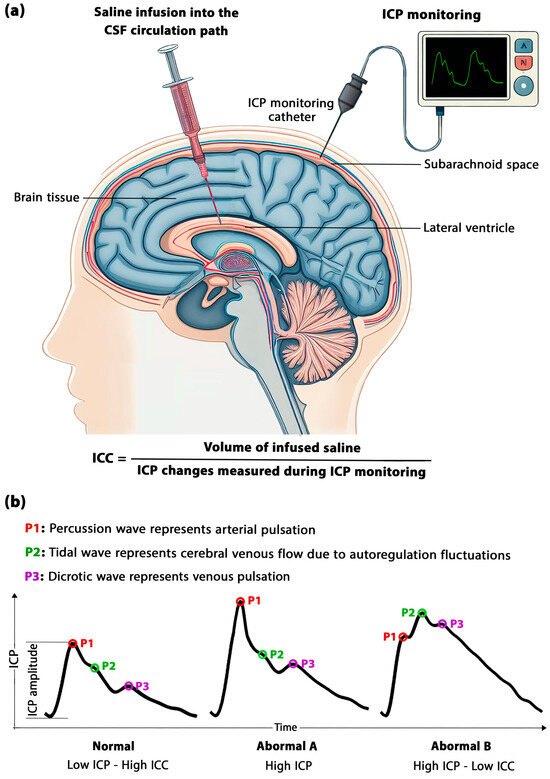
Intracranial Pressure (ICP) is the pressure exerted by the brain tissue, cerebrospinal fluid (CSF), and blood within the rigid confines of the skull. Maintaining ICP within a narrow physiological range is critical for brain health. Deviations, particularly elevated ICP (intracranial hypertension), can lead to severe neurological damage, ischemia, or even death if not promptly identified and managed. The tech sphere’s role is not just in measuring this pressure but in developing the tools that provide real-time, accurate, and actionable data to clinicians, thereby improving patient outcomes.
Physiological Basis and Clinical Relevance
The Monro-Kellie doctrine provides the foundational understanding of ICP, stating that the sum of volumes of brain tissue, CSF, and intracranial blood is constant. An increase in one component must be compensated by a decrease in another, or ICP will rise. Common causes of elevated ICP include traumatic brain injury (TBI), stroke, brain tumors, hydrocephalus, and infections like meningitis. For medical technology, this translates into the need for devices capable of detecting subtle shifts in these volumes or their resulting pressure, offering continuous monitoring to identify trends and acute changes. The clinical relevance is profound: early detection and intervention using reliable technology can prevent secondary brain injury and improve prognosis.
The Critical Need for Accurate Monitoring
Traditional neurological assessments can be subjective and may not always detect subtle ICP changes until significant damage has occurred. This underscores the critical need for objective, accurate, and continuous ICP monitoring technology. From the development of sophisticated sensors to the software that processes and visualizes data, the tech industry plays a pivotal role in creating systems that aid clinicians in making informed, timely decisions. The demand for increasingly precise, less invasive, and more user-friendly monitoring solutions drives innovation in this specialized field.
Evolving Technologies for ICP Measurement
The journey of ICP monitoring technology has seen significant evolution, from rudimentary methods to highly sophisticated digital systems. These advancements reflect a continuous effort to improve accuracy, reduce invasiveness, and enhance data utility.
Invasive Monitoring Solutions: Gold Standard and Advancements
Invasive ICP monitoring, while carrying inherent risks, remains the gold standard due to its direct and continuous measurement capabilities. Technological advancements have focused on miniaturization, improved biocompatibility, and enhanced signal processing.
Ventriculostomy Catheters
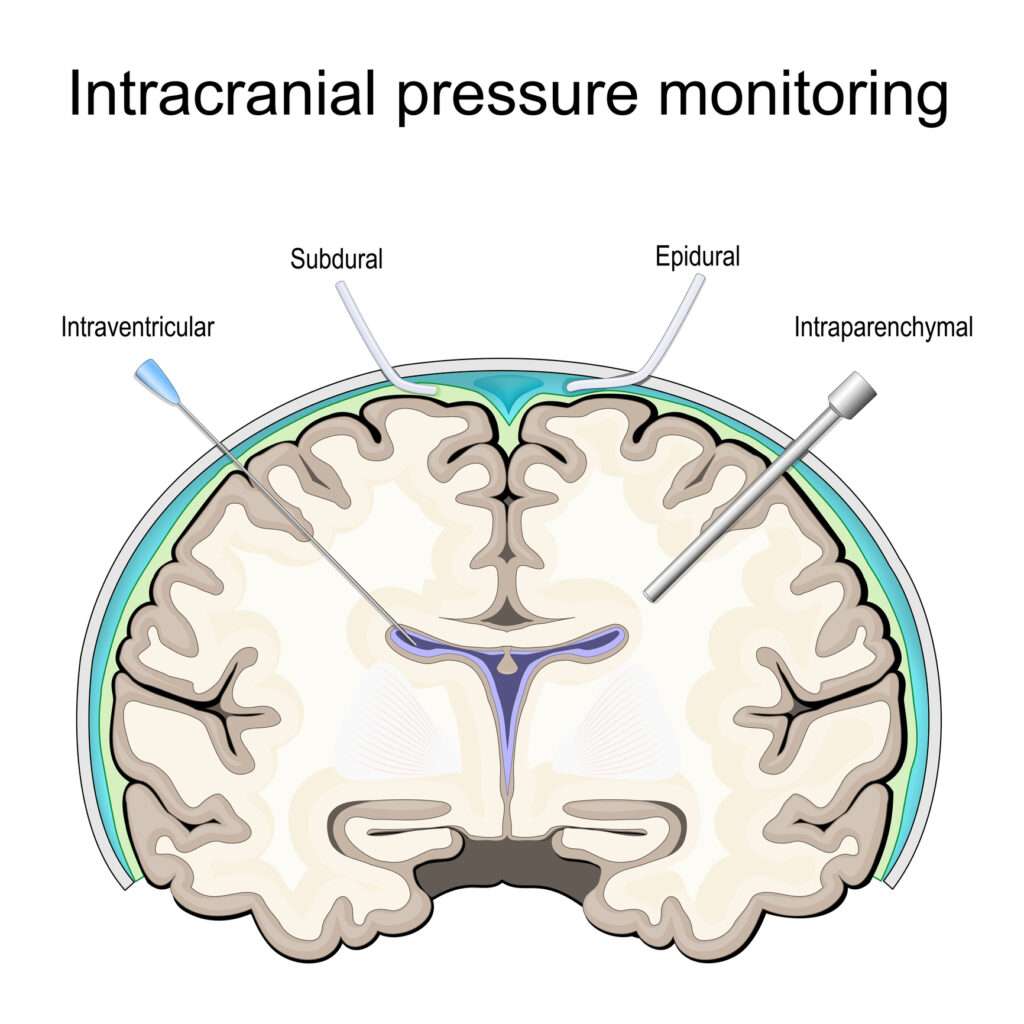
The external ventricular drain (EVD) or ventriculostomy catheter is arguably the oldest and most widely used invasive method. A catheter is surgically inserted into a brain ventricle, connected to an external transducer, providing direct ICP readings. Beyond just monitoring, EVDs also allow for therapeutic CSF drainage to lower ICP. Modern EVD systems incorporate digital transducers and connectivity to patient monitoring systems, enabling real-time data display and trending. Innovations include fiber optic tips for enhanced accuracy and integration with smart pumps for controlled CSF drainage.
Fiber Optic Transducers
Fiber optic catheters represent a significant leap in invasive ICP technology. These miniature sensors, typically placed in the brain parenchyma (brain tissue) or epidural space, measure ICP by detecting changes in light intensity reflected from a diaphragm at the catheter tip. Their advantage lies in minimal drift, high accuracy, and insensitivity to electromagnetic interference. The technology involves converting mechanical pressure into an optical signal, which is then transmitted via fiber optics to an external processing unit, often integrated with bedside monitors.
Micro-sensors
Further miniaturization has led to micro-sensors that can be implanted directly into the brain tissue. These tiny, often wireless, devices offer high-fidelity, localized ICP readings. Materials science and microelectromechanical systems (MEMS) technology are crucial here, enabling the creation of robust, biocompatible sensors that can withstand the intracranial environment while delivering precise data. The goal is to reduce insertion trauma and infection risk while improving patient comfort and data continuity.
Non-Invasive Approaches: The Pursuit of Convenience and Safety

While invasive methods provide direct measurements, the drive for safer, more convenient, and widespread ICP assessment has spurred extensive research and development in non-invasive ICP monitoring technologies. These approaches aim to infer ICP without penetrating the skull, leveraging various physiological proxies.
Transcranial Doppler Ultrasound (TCD)
TCD measures blood flow velocity in the cerebral arteries. Changes in blood flow patterns, particularly pulsatility and resistance indices, can indirectly correlate with ICP fluctuations. Advanced TCD devices use sophisticated algorithms to interpret these hemodynamic changes, providing a non-invasive estimate. The technology relies on interpreting Doppler shifts in ultrasound waves to map blood velocity, which, when combined with arterial pressure, can inform cerebral perfusion pressure (CPP) and indirectly ICP.
Optic Nerve Sheath Diameter (ONSD)
The optic nerve is surrounded by CSF, and its sheath expands with elevated ICP. Measuring ONSD via ultrasound is a quick, point-of-care, non-invasive method. Specialized ultrasound probes and software analyze the diameter of the optic nerve sheath behind the globe, providing a proxy for ICP. While not a continuous monitor, it serves as a valuable screening tool, especially in emergency and critical care settings.
Tympanic Membrane Displacement (TMD)
TMD measures the displacement of the tympanic membrane (eardrum) in response to changes in pressure transmitted from the CSF space via the cochlear aqueduct. Devices for TMD typically involve a sealed probe placed in the external ear canal that applies varying air pressure and measures eardrum movement. Although still under development and refinement, the technology offers a promising non-invasive pathway by leveraging an existing anatomical connection.
Near-Infrared Spectroscopy (NIRS)
NIRS technology assesses cerebral oxygen saturation and blood volume changes within the brain. While primarily used for detecting tissue hypoxia, some research explores its potential to infer ICP changes by monitoring cerebral blood flow and volume shifts, which are influenced by intracranial pressure dynamics. Advanced NIRS systems integrate multiple wavelengths and sophisticated algorithms to penetrate skull and tissue layers effectively.
Pupillometry
Automated pupillometers utilize advanced optical and image processing technology to precisely measure pupil size and reactivity, which are sensitive indicators of brain stem function and, by extension, ICP-related neurological compromise. Digital pupillometry devices provide objective, quantifiable data, overcoming the limitations of subjective manual assessment. Trends in pupillary light reflex can signal changes in ICP and guide clinical intervention.
Data Management, Analysis, and AI in ICP Monitoring
Beyond raw measurement, the true power of ICP medical technology lies in its ability to generate, process, and analyze vast amounts of data. This necessitates robust digital infrastructure, advanced algorithms, and increasingly, artificial intelligence (AI) and machine learning (ML) tools to extract meaningful insights.
Digital Integration and Connectivity
Modern ICP monitoring systems are designed for seamless integration with hospital electronic health record (EHR) systems and central patient monitoring platforms. This ensures that ICP data, alongside other physiological parameters, is centrally accessible, viewable, and trended. Connectivity protocols, wireless data transmission, and cloud-based storage solutions are key technological enablers here, facilitating remote monitoring and data sharing across care teams.
Predictive Analytics and Machine Learning
The continuous stream of ICP data, often coupled with other physiological variables (e.g., blood pressure, cerebral perfusion pressure, oxygen saturation), presents a rich dataset for predictive analytics and machine learning. Algorithms can be trained to identify subtle patterns indicative of impending ICP crises, predicting decompensation hours or even days in advance. This move towards proactive rather than reactive care represents a significant paradigm shift driven by AI. ML models can learn from historical patient data to personalize risk assessments and optimize treatment strategies.
Decision Support Systems
AI-powered decision support systems are emerging as critical tools for clinicians in managing complex conditions like elevated ICP. By synthesizing real-time ICP data with patient demographics, medical history, and established clinical guidelines, these systems can provide actionable recommendations for interventions, drug dosages, or fluid management. Such tools aim to reduce cognitive load on medical staff, minimize errors, and ensure adherence to best practices, ultimately enhancing patient safety and outcomes.
Future Trends and Innovations in ICP Medical Technology
The future of ICP medical technology is marked by a relentless pursuit of greater accuracy, less invasiveness, enhanced connectivity, and intelligent data interpretation. Emerging trends promise to transform how ICP is monitored and managed.
Miniaturization and Wireless Solutions
The drive towards smaller, less intrusive devices continues. Future ICP sensors are likely to be even more compact, potentially implantable for longer durations, and increasingly wireless. This will reduce infection risks, improve patient mobility, and enable continuous monitoring in a wider range of clinical settings, including ambulatory and home care. Wireless power transfer and sophisticated data encryption will be integral to these advancements.
Personalized Medicine through Advanced ICP Data
Harnessing the power of AI and big data analytics, ICP monitoring will increasingly contribute to personalized medicine. By analyzing individual patient ICP waveforms, responses to interventions, and genomic data, clinicians can tailor treatments with unprecedented precision. Advanced algorithms will identify patient-specific thresholds and optimal therapeutic windows, moving beyond generalized guidelines to truly individualized care.
Enhanced Non-Invasive Accuracy
While invasive methods remain the gold standard, significant research and technological investment are directed towards making non-invasive ICP monitoring equally accurate and reliable for continuous assessment. This involves combining multiple non-invasive modalities, refining sensor technology, and developing sophisticated fusion algorithms that integrate data from various sources (e.g., TCD, ONSD, NIRS, pupillometry) to provide a more robust and continuous ICP estimate. The goal is a highly accurate, continuous, wearable, and non-invasive ICP monitor that can be deployed widely, from emergency scenes to intensive care units and even for long-term monitoring at home. These developments represent the forefront of medical technology, aiming to bridge the gap between complex physiological parameters and their effective clinical management.
aViewFromTheCave is a participant in the Amazon Services LLC Associates Program, an affiliate advertising program designed to provide a means for sites to earn advertising fees by advertising and linking to Amazon.com. Amazon, the Amazon logo, AmazonSupply, and the AmazonSupply logo are trademarks of Amazon.com, Inc. or its affiliates. As an Amazon Associate we earn affiliate commissions from qualifying purchases.