
The shower enclosure is a pivotal element in any bathroom’s design narrative. It’s not merely a functional space for hygiene; it’s a canvas that profoundly influences the room’s overall aesthetic, perceived quality, and the very brand it projects. The choice of tile is arguably the most impactful decision in this regard. Moving beyond mere practicality, selecting the right shower tile is an investment in the bathroom’s brand, contributing to its atmosphere, its longevity, and its appeal. This decision shapes how users experience the space – be it a serene sanctuary, a minimalist retreat, or a statement of bold luxury. This comprehensive guide delves into the crucial considerations for selecting shower tile, examining the diverse options and their implications for a well-defined bathroom brand.
The Foundation of a Bathroom’s Brand: Understanding Tile Material Properties
Before diving into specific styles and aesthetics, it’s imperative to understand the fundamental properties of various tile materials. These intrinsic characteristics directly impact durability, maintenance, and ultimately, the perceived quality and brand value of your shower. A tile that chips easily or stains quickly will detract from even the most sophisticated design, undermining the intended brand. Conversely, a robust, water-resistant material enhances the user experience and reinforces a brand of quality and longevity.
Porcelain Tile: The Benchmark for Durability and Design Versatility
Porcelain tile stands as a titan in the world of bathroom surfaces, and for good reason. Its manufacturing process involves firing clay at exceptionally high temperatures, resulting in a dense, vitreous material that is virtually impermeable to water. This inherent resistance to moisture makes it an ideal choice for the challenging environment of a shower.
- Water Absorption & Stain Resistance: Porcelain’s low porosity (less than 0.5% water absorption) means it’s highly resistant to staining and water damage. This is crucial for a shower, where constant exposure to moisture, soap scum, and potential mildew is a reality. A tile that repels these elements easily contributes to a clean, pristine appearance, reinforcing a brand of meticulous care and hygiene.
- Durability and Longevity: The density of porcelain makes it incredibly hard and resistant to chips, cracks, and scratches. This translates to a shower that will maintain its aesthetic appeal for years, even with heavy daily use. This longevity is a key component of a premium brand, signaling a commitment to lasting quality rather than fleeting trends.
- Design Flexibility and Aesthetic Range: Porcelain’s ability to mimic other materials is a significant advantage. It can convincingly replicate the look of natural stone (marble, granite, travertine), wood, and even concrete, all while offering superior performance in a wet environment. This versatility allows designers to achieve a wide spectrum of looks, from the opulence of a marble-clad spa to the rustic charm of a reclaimed wood aesthetic, without compromising on practicality. This chameleon-like quality is essential for aligning the shower’s design with the overall brand of the bathroom.
- Maintenance: The smooth, non-porous surface of porcelain is remarkably easy to clean. Regular sweeping and occasional mopping with a mild detergent are usually sufficient to keep it looking its best. Low maintenance contributes to a positive user experience and reinforces a brand of effortless elegance.
Ceramic Tile: A Cost-Effective and Accessible Option
Ceramic tile is another popular choice, often serving as a more budget-friendly alternative to porcelain. It is made from similar clay-based materials but fired at lower temperatures, resulting in a slightly more porous body.
- Water Resistance Considerations: While still suitable for shower applications, standard ceramic tile typically has a higher water absorption rate than porcelain. For shower walls, glazed ceramic tiles are essential as the glaze provides a protective, waterproof layer. However, for shower floors where water pooling is more prevalent, porcelain or tiles specifically rated for wet areas are generally recommended to ensure maximum water resistance and prevent issues like efflorescence (white powdery deposits).
- Durability and Wear: Glazed ceramic tiles are resistant to scratches and chips on their surface, but the underlying clay body can be more susceptible to impact damage if a heavy object is dropped. The longevity of ceramic tile can be excellent with proper care, but it may not match the extreme durability of porcelain over decades of heavy use.
- Aesthetic Appeal and Variety: Ceramic tiles come in an enormous array of colors, patterns, and finishes, offering immense creative freedom. They are particularly well-suited for intricate mosaics, colorful patterns, and subway tile designs, which can contribute to a playful or classic brand identity.
- Ease of Installation: Ceramic tiles are generally lighter and easier to cut than porcelain, which can make installation more straightforward and potentially more cost-effective. This accessibility can be a factor for DIY enthusiasts looking to brand their space with a personal touch.
Natural Stone Tile: The Epitome of Luxury and Organic Beauty
Natural stone tiles, such as marble, granite, travertine, and slate, offer an unparalleled sense of luxury, texture, and organic beauty. Each piece is unique, imbuing the shower with a one-of-a-kind character. However, their inherent properties require careful consideration to maintain their brand appeal.
- Porous Nature and Sealing Requirements: Most natural stones are porous and can absorb liquids, leading to staining and potential etching. Regular sealing with a high-quality impregnating sealer is absolutely essential to protect the stone and maintain its pristine appearance. The frequency of sealing will depend on the type of stone and the level of traffic. Failure to seal properly will quickly degrade the tile’s surface, diminishing its luxurious brand.
- Durability Varies by Stone Type: While stones like granite are exceptionally hard and durable, others like marble are softer and more prone to scratching and etching from acidic substances (e.g., certain cleaning products, citrus). Understanding the specific properties of the chosen stone is critical for ensuring its long-term brand integrity.
- Unique Aesthetic and Timeless Appeal: The inherent beauty of natural stone is timeless. A marble shower exudes classic elegance, while a slate shower offers a more grounding, earthy feel. This unique character can create a powerful brand statement of sophistication and natural luxury.
- Maintenance and Care: Natural stone requires more specialized cleaning agents than porcelain or ceramic. Harsh chemicals can damage the surface and the sealant. A commitment to gentle, appropriate cleaning is necessary to preserve the stone’s unique brand.
Navigating Design Trends and Practicalities: Selecting the Right Tile Format and Finish
Beyond material, the format and finish of your shower tile play a crucial role in both its visual impact and its practical performance. These elements directly influence the perceived style and brand of the bathroom, from modern minimalism to traditional elegance.
Tile Size and Format: Shaping the Visual Narrative
The dimensions and arrangement of tiles significantly impact the perceived scale and style of the shower.
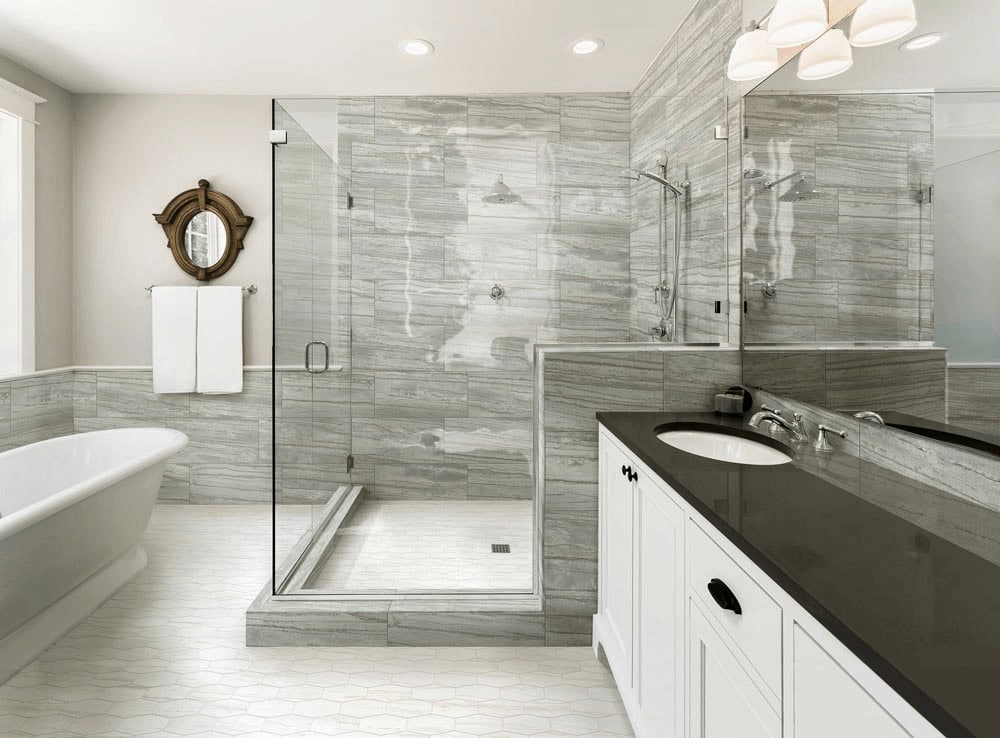
- Large Format Tiles (LVT): Tiles measuring 12×24 inches or larger create a sense of spaciousness and a clean, uninterrupted visual flow. They minimize grout lines, which can make a small shower feel larger and more open. This contributes to a modern, minimalist, and sophisticated brand. The reduced grout also means less cleaning, reinforcing a brand of effortless upkeep.
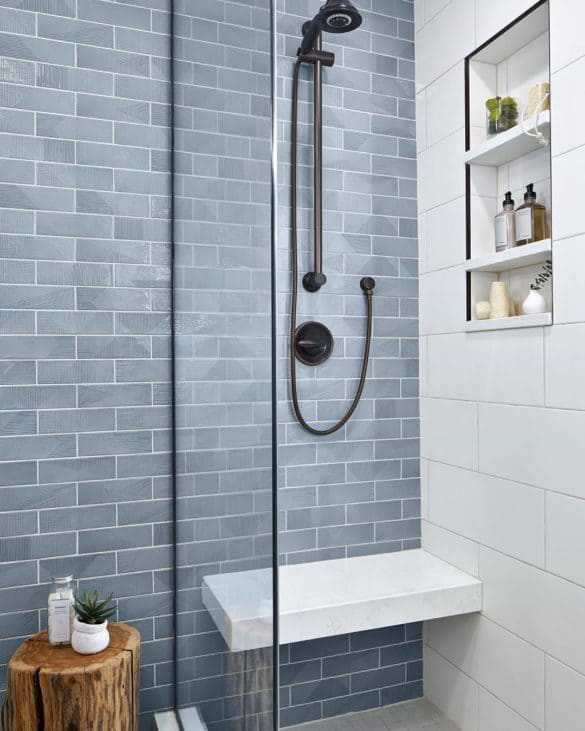
- Standard Field Tiles (e.g., 12×12, 6×12): These versatile sizes offer a good balance between visual impact and practicality. They are suitable for most shower designs and can be arranged in various patterns like brick lay, stacked, or running bond to achieve different aesthetic effects. A classic subway tile (typically 3×6 inches), for example, conveys a timeless, clean, and adaptable brand.
- Mosaics and Accent Tiles: Small tiles, often assembled into sheets, are ideal for creating intricate patterns, borders, or feature walls within the shower. They can add a touch of luxury, color, or visual interest, enhancing a brand’s personality. Penny rounds, hex tiles, or intricately patterned mosaics can inject a unique flair.
- Grout Lines: The Unsung Hero: The color and width of grout are critical. Dark grout against light tile can create a bold, graphic statement, while matching grout to tile color offers a seamless, modern look. Minimal grout lines are often associated with a cleaner, more contemporary brand.
Surface Finish: Balancing Aesthetics and Slip Resistance
The finish of a tile dictates its visual sheen and its tactile properties, directly impacting both its aesthetic contribution and its safety.
- Polished Finish: This high-gloss finish reflects light beautifully, creating a luxurious and elegant appearance. It’s often found on marble and porcelain. However, polished surfaces can become very slippery when wet, making them less ideal for shower floors unless specifically rated for slip resistance or paired with textured accents. This finish strongly communicates a brand of opulence and refinement.
- Honed Finish: A honed finish offers a smooth, matte appearance. It’s less reflective than polished but still elegant. Honed tiles provide better slip resistance than polished ones, making them a safer choice for shower floors. This finish conveys a sophisticated yet practical brand.
- Matte/Textured Finish: These finishes offer the best slip resistance and can add a natural, organic feel to the shower. They are excellent for shower floors and can complement a more rustic or contemporary design brand. Textured surfaces can also hide minor water spots, contributing to a consistently good appearance.
- Antiqued/Distressed Finish: These finishes mimic the look of aged materials, adding character and a sense of history. They can contribute to a vintage, farmhouse, or artisanal brand.
Enhancing the Shower’s Brand: Complementary Elements and Considerations
The shower tile is the star, but its impact is magnified by thoughtful integration with other bathroom elements. Considering these complementary aspects ensures a cohesive and strong brand identity for the entire space.
Wall vs. Floor: Differentiating Function and Style
The role of tile on the shower walls versus the shower floor is distinct, influencing material selection and aesthetic priorities.
- Shower Walls: This area is primarily about visual appeal and ease of cleaning. While water resistance is crucial, slip resistance is less of a primary concern. Porcelain and glazed ceramic are excellent choices here, offering a vast range of styles and colors to set the bathroom’s brand. Natural stone can also be used for a luxurious statement.
- Shower Floors: Safety is paramount here. Tiles with a high coefficient of friction (a measure of slip resistance) are non-negotiable. Textured matte finishes, small mosaic tiles that break up the surface area, or tiles specifically rated for wet environments are highly recommended. The floor tile should complement the wall tile while prioritizing functionality and safety, reinforcing a brand of thoughtful design and user well-being.
Grout and Sealant: The Invisible Reinforcements
The choice of grout and sealant is often overlooked but plays a vital role in both the aesthetic and the practical longevity of the shower, thereby impacting its brand.
- Grout Color: As mentioned earlier, grout color can dramatically alter the look. White grout with white subway tile is a classic, clean look. Dark grout with natural stone can highlight its texture. Epoxy grout offers superior stain and mold resistance, making it an excellent choice for maintaining a pristine brand, especially in high-moisture areas.
- Sealant Quality: For natural stone and even some porous ceramic or porcelain tiles, a high-quality penetrating sealant is crucial for protecting against stains and water damage. Choosing a sealant that is UV-resistant and specifically designed for wet areas will ensure the tile maintains its intended brand and appearance over time.
Lighting and Fixtures: Amplifying the Tile’s Brand Message
The surrounding elements, particularly lighting and plumbing fixtures, can either enhance or detract from the chosen tile’s brand statement.
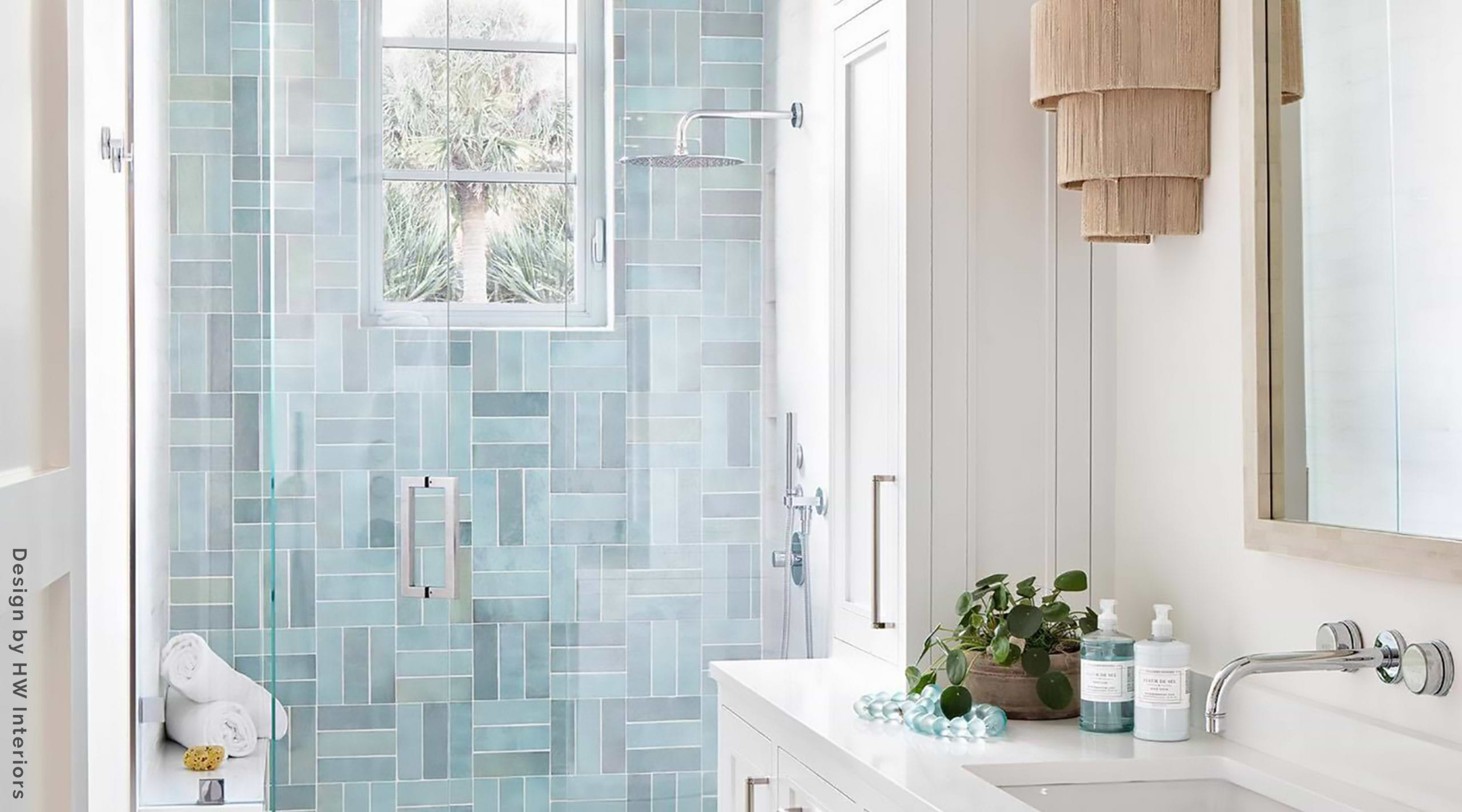
- Lighting: Strategic lighting can highlight the texture, color, and sheen of the tile. Recessed ceiling lights provide general illumination, while accent lighting can draw attention to a feature wall or mosaic. The warmth or coolness of the light will also influence how the tile’s color is perceived, contributing to the overall mood and brand.
- Fixtures: The finish and style of faucets, showerheads, and drain covers should harmonize with the tile. Brushed nickel, matte black, or polished chrome fixtures can complement different tile aesthetics and reinforce a consistent brand identity, whether it’s modern, industrial, or traditional.
In conclusion, selecting shower tile is far more than a functional necessity; it’s a deliberate design choice that shapes the very brand of your bathroom. By understanding the material properties, exploring the vast array of design options, and carefully considering complementary elements, you can craft a shower space that not only performs impeccably but also communicates a clear, consistent, and compelling brand identity that enhances the overall appeal and value of your home.
aViewFromTheCave is a participant in the Amazon Services LLC Associates Program, an affiliate advertising program designed to provide a means for sites to earn advertising fees by advertising and linking to Amazon.com. Amazon, the Amazon logo, AmazonSupply, and the AmazonSupply logo are trademarks of Amazon.com, Inc. or its affiliates. As an Amazon Associate we earn affiliate commissions from qualifying purchases.